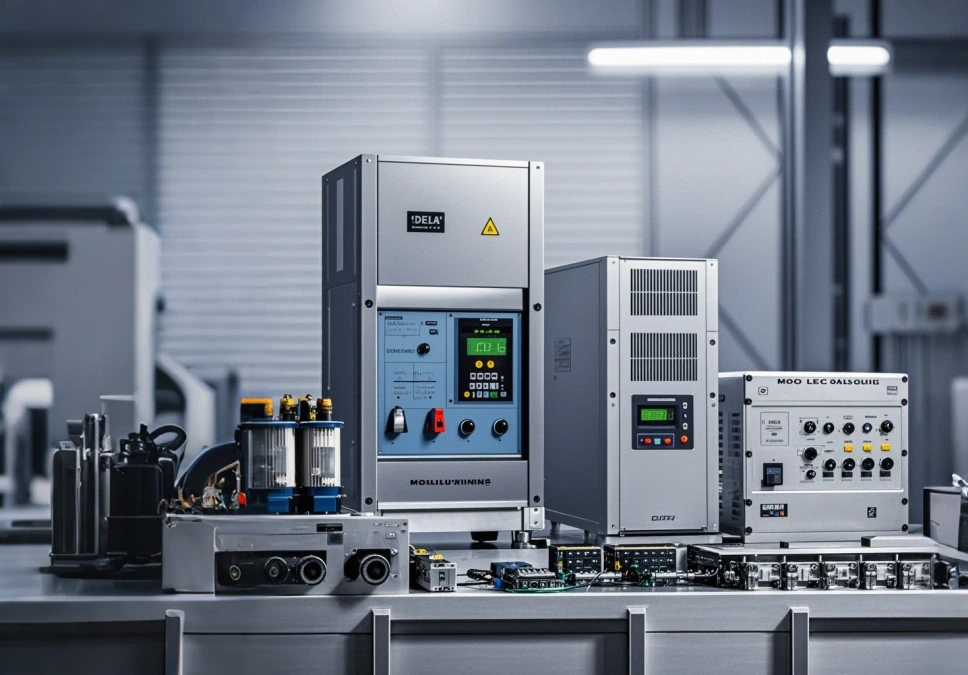
How To Select The Right Electrical Panel Dehumidifier?
Electrical panel dehumidifier selection for cabinet size, humidity, heating power, voltage, installation, and control needs.
Selecting an electrical panel dehumidifier requires more than checking cabinet dimensions. Industrial panels face changing temperatures, humidity, condensation, and heat loads. These factors directly affect insulation, terminals, circuit breakers, and control components. A suitable device maintains internal conditions above the local dew point. It should also provide stable heating without creating excessive cabinet temperatures. Buyers should evaluate cabinet volume, installation position, ambient conditions, rated voltage, and control methods together. Real projects often show that poor sizing causes repeated moisture problems. Excessive capacity can also waste energy and increase thermal stress. Therefore, selection should start with the actual operating environment rather than product appearance. Proper evaluation helps maintain electrical reliability while reducing moisture-related maintenance risks.
Why Electrical Cabinets Need Moisture Control
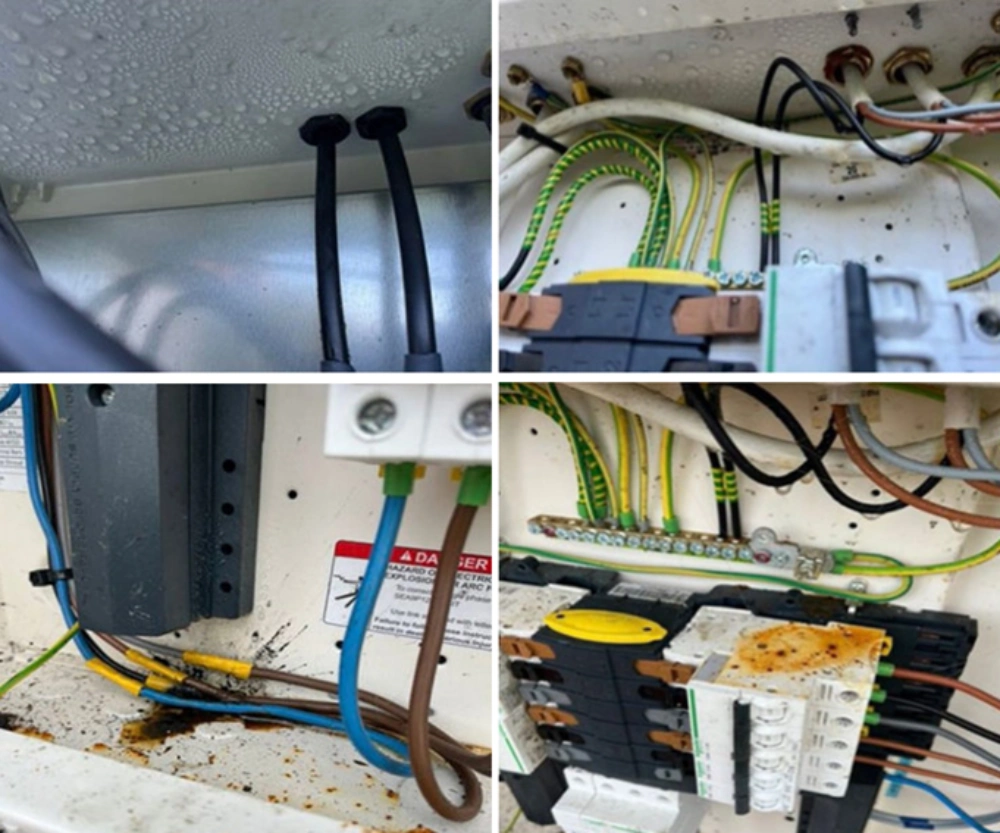
Condensation develops when cabinet surfaces become colder than surrounding air. The critical reference is the dew point, which changes with air temperature and relative humidity. For example, air at 25°C and 80% relative humidity has a dew point near 21.3°C. A metal surface below that temperature can collect water. Nighttime cooling creates this condition frequently in outdoor switchgear. Moisture can then accumulate around terminals, busbar supports, cable connections, and breaker mechanisms. Repeated condensation accelerates corrosion and lowers insulation reliability. Surface contamination makes the problem more serious because moisture can support leakage paths. A properly selected heater raises internal surface temperatures and reduces condensation risk. However, the goal is controlled temperature maintenance rather than simply producing maximum heat.
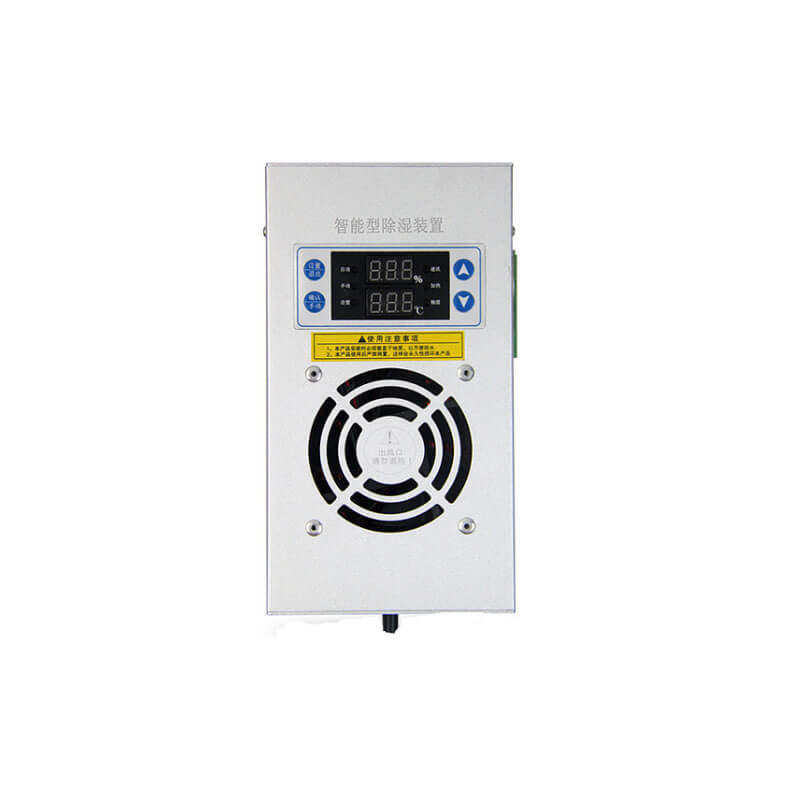
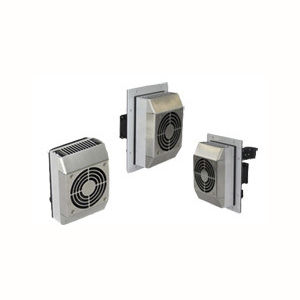
How Cabinet Size Affects Electrical Panel Dehumidifier Selection
Cabinet volume provides the starting point for capacity selection. Larger enclosures generally require more thermal energy to maintain a useful temperature margin. However, volume alone cannot determine the correct rating. A sealed cabinet behaves differently from an enclosure with ventilation openings. Metal thickness, mounting plates, cable entries, and external exposure also influence heat transfer. Internal components create additional heat during normal operation. Breakers, transformers, contactors, and power supplies may therefore reduce heater demand. Conversely, outdoor cabinets lose heat quickly during cold weather. Buyers should measure internal dimensions and identify major heat sources before selecting equipment. The installation environment should also include seasonal temperature changes. A practical calculation should consider heat loss, target temperature rise, and expected humidity. This approach prevents both undersizing and unnecessary oversizing.
Ambient Humidity and Temperature Change Selection
Relative humidity becomes more important when temperatures fluctuate rapidly. A cabinet can remain dry during daytime operation but develop condensation after sunset. This occurs because metal surfaces cool faster than some surrounding components. Coastal areas, unheated substations, and outdoor control cabinets often experience this cycle. Seasonal conditions can create even larger temperature differences. Therefore, buyers should record the lowest ambient temperature and typical humidity range. Dew-point calculations provide a stronger basis than relative humidity alone. An electrical panel dehumidifier should maintain critical surfaces several degrees above the expected dew point. Continuous heating may not always provide the best solution. Automatic control can activate heating when moisture risk increases. Such control reduces unnecessary energy use while preserving thermal protection. Site measurements provide more useful information than relying on a generic environmental rating.
Comparing Heating Power and Moisture Control Performance
Heating power directly affects how quickly a cabinet reaches its target temperature. A low-power unit may struggle when the enclosure loses heat rapidly. An oversized unit can create excessive internal temperatures near sensitive components. Buyers should therefore compare rated power with cabinet volume and heat-loss conditions. The table below provides practical reference ranges for preliminary evaluation.
| Cabinet Condition | Typical Risk | Selection Focus | Control Priority |
|---|---|---|---|
| Small sealed cabinet | Moderate condensation | Low to medium heating | Temperature control |
| Large outdoor cabinet | High heat loss | Medium to high heating | Temperature stability |
| High-humidity cabinet | Frequent condensation | Heating plus control | Humidity response |
| Cabinet with internal heat | Variable moisture risk | Calculated heating | Thermal coordination |
The figures above should support preliminary screening rather than replace engineering calculations. A 60W heater may suit one enclosure but perform poorly in another environment. Outdoor exposure, cabinet construction, and mounting position can change actual heat demand. Buyers should also check the heater's operating temperature range. Thermal protection helps prevent excessive surface temperatures during continuous operation. Control accuracy matters when ambient conditions change quickly. A suitable controller can reduce cycling frequency while maintaining a stable internal temperature. For demanding applications, test results under representative conditions provide stronger evidence than nominal wattage alone. The final choice should balance heating capacity, safety, operating cost, and condensation prevention.
Which Installation Position Provides Better Protection?
Installation position influences heat distribution throughout the enclosure. Mounting near the lower section can help warm cold areas where moisture may accumulate. However, the exact position depends on airflow and internal component arrangement. An electrical panel dehumidifier should not directly contact sensitive insulation or wiring. Adequate clearance allows heat to spread without creating localized hot spots. Large cabinets may require multiple heating points for more uniform temperature control. Busbar compartments and cable termination areas deserve particular attention. These areas can experience temperature gradients because metal conductors transfer heat differently. Installation should also leave enough space for inspection and replacement. Technicians need clear access to terminals and control connections during maintenance. Proper positioning therefore combines thermal performance, electrical safety, accessibility, and cabinet layout rather than following one universal mounting location.
Electrical Panel Dehumidifier Ratings Buyers Should Check
Electrical ratings determine whether a unit can operate safely within the intended cabinet. Rated voltage must match the available control or auxiliary power supply. Common industrial systems may use AC or DC circuits depending on cabinet design. Power consumption should match the thermal requirement without exceeding circuit capacity. Buyers should also check operating temperature and storage temperature specifications. Insulation performance matters when equipment operates close to energized components. Terminal design affects installation quality and maintenance efficiency. Protection against accidental contact can further improve operational safety. For outdoor applications, enclosure protection and resistance to environmental conditions deserve additional attention. Product documentation should clearly state electrical ratings and connection requirements. Procurement teams should request drawings and technical datasheets before approving bulk orders. These documents reduce installation errors and make technical comparison more consistent.
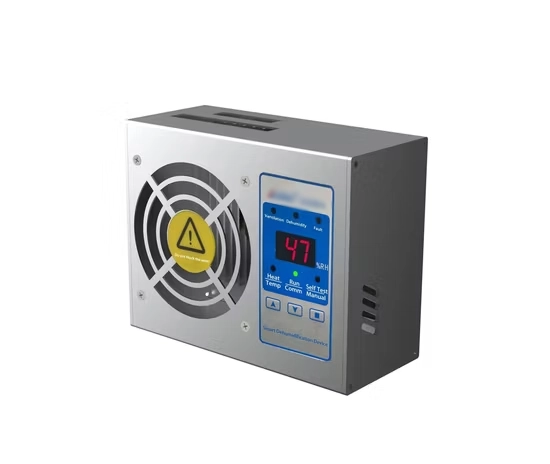
Temperature Controllers Improve Moisture Protection
Temperature controllers provide a practical way to coordinate heating with environmental conditions. Instead of running continuously, the heater can activate when temperature falls below a preset threshold. This strategy limits unnecessary energy consumption during warmer periods. Some systems combine temperature and humidity sensing for more responsive control. A controller should provide stable switching performance under repeated operating cycles. Relay ratings must also match the heater's electrical load. Sensor placement affects measurement accuracy because local temperatures can differ within one cabinet. Installing the sensor near a representative cold area can improve control decisions. Excessive cycling may indicate unsuitable threshold settings or insufficient thermal stability. Buyers should therefore review controller range, switching tolerance, sensor type, and installation method. A coordinated system provides better protection than selecting a heater based only on wattage.
Materials, Housing Design, and Long-Term Safety
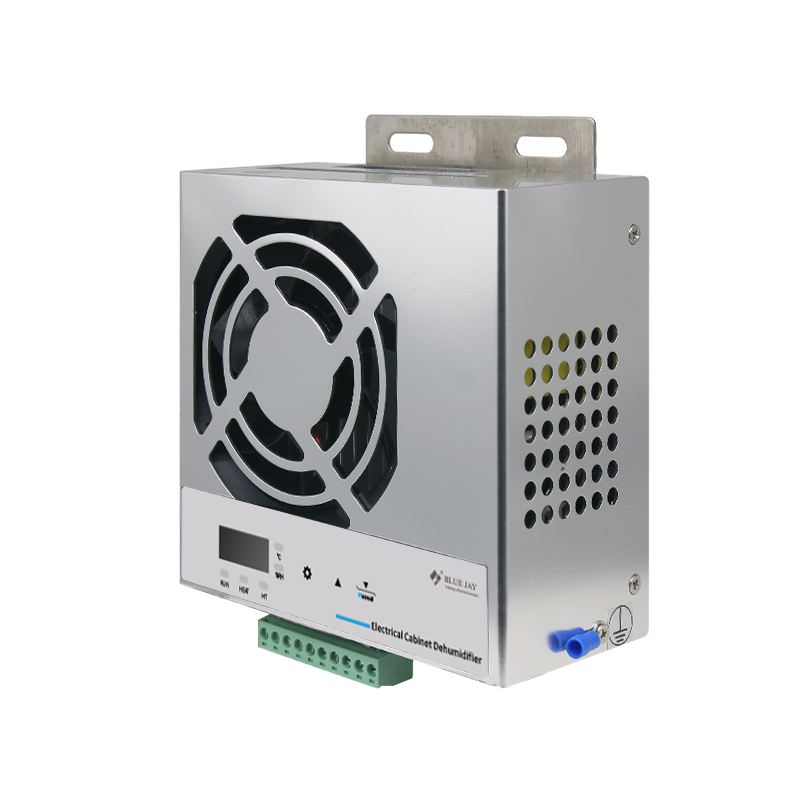
Housing materials influence heat transfer, mechanical durability, and installation reliability. Aluminum housings can dissipate heat efficiently while providing useful structural strength. Stainless steel may offer strong corrosion resistance in demanding environments. The heater element should also provide stable output during repeated thermal cycles. A practical example is the Aluminum Alloy Housing Electrical Cabinet Dehumidifier, which combines a metal housing with controlled heating performance. Buyers should still evaluate the complete specification rather than relying on housing material alone. Surface temperature should remain suitable for nearby insulation and wiring. Mounting hardware should withstand vibration and routine maintenance activity. Electrical connections require secure terminals and appropriate insulation clearance. For humid environments, corrosion resistance becomes especially important. Reliable construction reduces maintenance frequency and supports longer service life in industrial cabinets.
Real Industrial Case: Condensation Control in Outdoor Switchgear
A representative industrial project involved outdoor medium-voltage switchgear installed in a humid region. Technicians reported moisture marks around terminal blocks after several cool nights. The cabinet operated normally during daytime, but condensation appeared after temperature dropped overnight. Inspection showed that internal metal surfaces approached the outdoor dew point. The original cabinet had no dedicated heating system. Engineers selected a CSL 8200S 60W Electrical Cabinet Dehumidifier after reviewing cabinet volume and heat-loss conditions. The electrical panel dehumidifier operated with a temperature controller rather than continuous heating. Technicians positioned the heater near a lower cold zone while maintaining clearance from wiring. After commissioning, follow-up inspections showed substantially less visible condensation. Terminal areas also remained cleaner during subsequent humid periods. The project demonstrates why environmental conditions and cabinet construction should drive equipment selection. Nominal cabinet size alone would not have explained the original moisture problem.
What Should Buyers Verify Before Ordering?
Procurement teams should confirm technical information before placing a production order. Product photographs cannot show electrical ratings, thermal performance, or internal construction. A supplier should provide specifications that match the intended cabinet application. Buyers can use the following checklist during technical evaluation:
- Confirm rated voltage and frequency or DC input requirements.
- Check heating power against cabinet volume and environmental heat loss.
- Verify operating temperature and storage temperature ranges.
- Review dimensions, mounting holes, and available installation clearance.
- Confirm controller compatibility and sensor requirements.
- Request product drawings, wiring diagrams, and technical datasheets.
- Check inspection procedures and quality-control documentation.
- Review sample performance before approving larger production quantities.
These checks create a consistent purchasing process for different cabinet applications. Sample testing can reveal issues that specifications alone cannot show. Buyers should inspect surface temperature, switching behavior, mounting stability, and heat distribution. Production consistency also matters when multiple cabinets require identical components. Suppliers should maintain stable electrical and mechanical specifications across production batches. Documentation should remain consistent with the delivered product. For projects involving many cabinets, standardized installation instructions can reduce commissioning errors. Technical communication also becomes important when cabinets use unusual voltages or limited mounting space. A structured evaluation process helps procurement teams compare suppliers on measurable factors instead of price alone.
How To Select The Right Electrical Panel Dehumidifier
The final selection should combine environmental data with cabinet characteristics. Start by identifying the minimum ambient temperature and maximum expected humidity. Next, calculate or estimate the dew point during the most demanding conditions. Review cabinet volume, construction, ventilation, internal heat sources, and installation position. Then compare available heating power and controller options. The second table summarizes the main decision factors for common industrial applications.
| Selection Factor | What To Check | Why It Matters | Potential Risk |
|---|---|---|---|
| Cabinet volume | Internal dimensions | Influences heat demand | Undersized heating |
| Ambient humidity | Maximum RH level | Indicates condensation risk | Surface moisture |
| Temperature range | Minimum and maximum values | Defines thermal conditions | Cold-surface condensation |
| Rated voltage | Available supply | Ensures electrical compatibility | Connection failure |
| Control method | Thermostat or sensor | Improves energy management | Excessive heating |
| Installation space | Clearance and mounting points | Supports safe heat distribution | Hot spots |
The table provides a practical framework for technical comparison. Buyers should prioritize condensation risk rather than maximum heating output. A correctly sized system keeps vulnerable surfaces above the expected dew point. Temperature control then prevents unnecessary operation when conditions remain safe. Installation quality completes the selection process because even suitable equipment can perform poorly when positioned incorrectly. Real operating data should guide final decisions whenever possible. For repeat projects, standardized specifications can simplify procurement and maintenance. Suppliers that provide technical drawings, samples, and test support can also reduce project uncertainty. The best choice therefore combines thermal performance, electrical compatibility, control accuracy, construction quality, and installation suitability.
FAQ
How does an electrical panel dehumidifier prevent condensation?
The equipment reduces condensation by raising internal cabinet temperature above the dew point. Heating creates a temperature margin between cabinet surfaces and surrounding humid air. When metal surfaces remain warmer, water vapor has less opportunity to reach saturation. Temperature controllers can activate heating only when conditions require additional thermal protection. This approach helps protect terminals, insulation, busbars, and other components from moisture-related deterioration. Performance depends on cabinet construction, ambient temperature, humidity, and heater capacity. Proper installation also matters because heat must reach vulnerable surfaces evenly. Regular inspection remains important for verifying wiring, controller operation, and mounting condition. A suitable system therefore combines controlled heating with correct cabinet design and maintenance practices.
How much heating power does a cabinet dehumidifier need?
Required heating power depends on cabinet volume and environmental heat loss. Larger outdoor cabinets generally lose heat faster than small indoor enclosures. Cold temperatures, metal construction, ventilation openings, and high humidity can increase thermal demand. Internal electrical components may reduce that requirement by generating operational heat. Buyers should therefore avoid selecting equipment only by cabinet size. A practical calculation considers target temperature, minimum ambient temperature, enclosure construction, and expected dew point. Sample testing can provide additional confirmation before larger purchases. The heater should create enough temperature margin without producing excessive internal heat. Controller settings also influence actual energy consumption. For demanding installations, suppliers should provide technical calculations or application recommendations based on measured operating conditions.
Where should a cabinet dehumidifier be installed?
Installation should focus on areas most exposed to low temperatures and condensation. Lower cabinet sections often require attention because cool air and moisture can accumulate there. However, internal airflow and component arrangement can change the ideal position. The heater needs adequate clearance from cables, insulation, and heat-sensitive components. Large enclosures may require more than one heating point to achieve uniform temperature distribution. Technicians should also maintain access for inspection and replacement. Sensor placement deserves equal attention because poor positioning can cause inaccurate temperature readings. Before installation, engineers should review cabinet drawings and identify cold surfaces, cable entries, and restricted spaces. Proper placement allows the heating system to provide consistent protection without creating localized thermal stress.