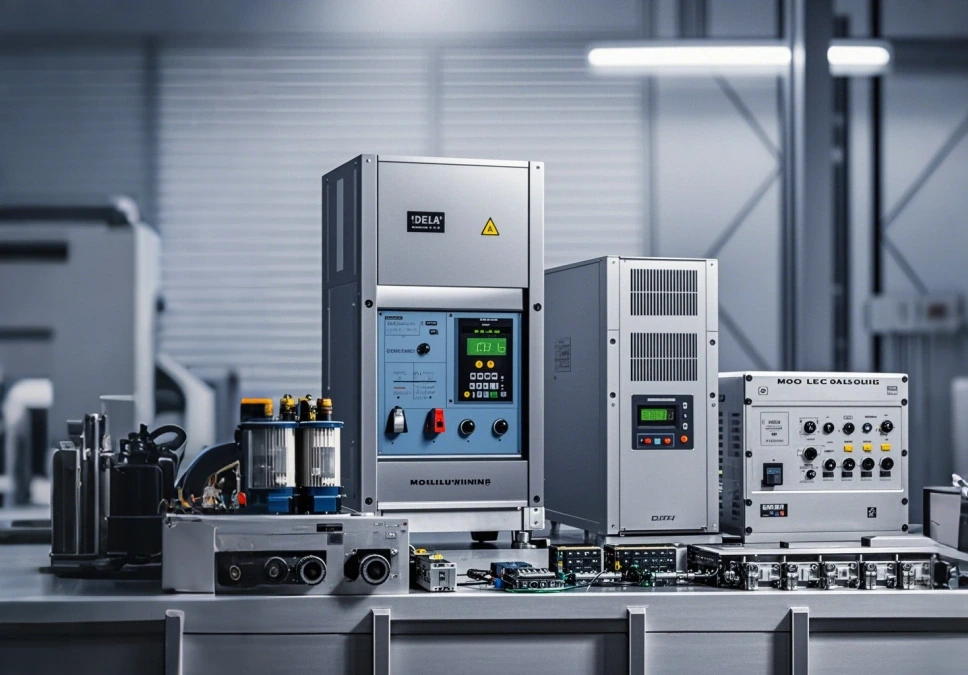
Is LED Switchgear Lighting Better Than Traditional Options?
Enhance industrial safety and lower cabinet maintenance costs by installing high-efficiency Switchgear Lighting for reliable performance.
Evaluating Modern Switchgear Lighting Options
Industrial facilities require reliable Switchgear Lighting to maintain safe operational conditions. Power distribution networks depend heavily on continuous monitoring and regular inspections. Dark or poorly illuminated control cabinets increase the risk of maintenance errors. Facility managers must evaluate modern options to replace obsolete incandescent lamps. Energy costs and safety standards demand highly efficient illumination systems. Modern light-emitting diodes offer a compelling alternative to traditional halogen fixtures. These solid-state units deliver superior brightness while using minimal electricity. Upgrading existing setups enhances overall workplace safety for electrical engineers. Technicians can perform critical tasks much faster when visibility remains clear. Choosing the right equipment minimizes hazardous situations during unexpected outages. The upgrade path represents a strategic choice for forward-thinking enterprise operators. Investing in advanced components yields substantial long-term operational benefits.
Comparing Efficiency in Switchgear Lighting Solutions
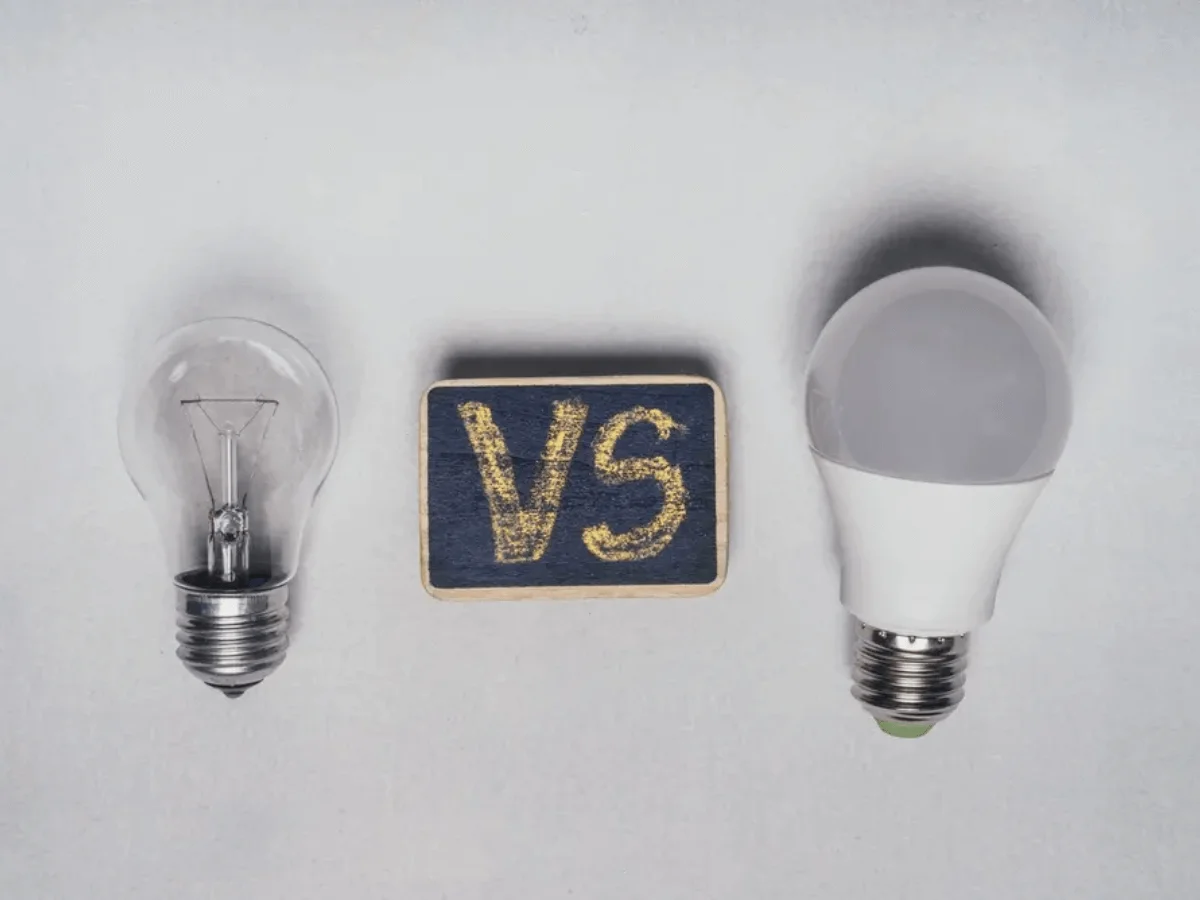
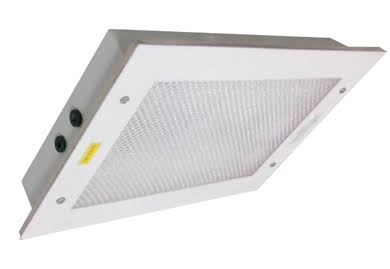
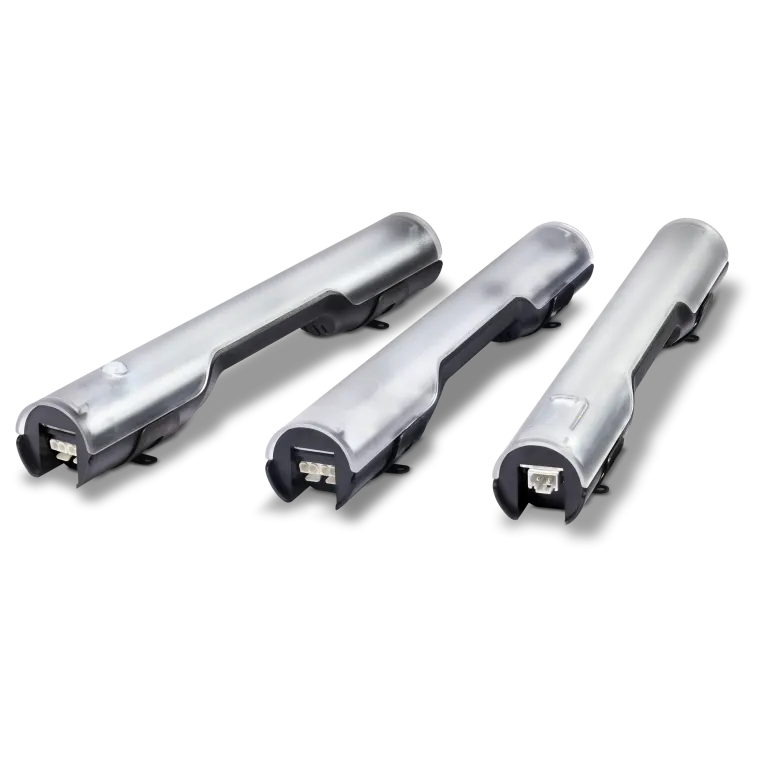
Legacy incandescent bulbs convert most electrical energy into heat rather than light. Such excessive thermal output can damage sensitive nearby electronic components over time. In contrast, semiconductor fixtures run remarkably cool during extended operational periods. They convert almost all consumed electricity directly into high-quality visible light. Operators achieve significant reductions in utility bills by adopting these modern systems. Installing the CM-L2 Cabinet LED Light for Switchgear yields exceptional operational results. The specific unit fits securely into compact spatial layouts without sacrificing output. Low power draw reduces the load on auxiliary power supplies. Engineers appreciate the consistent lumen output across various ambient temperatures. Reduced heat emission translates to lower cooling requirements inside sealed enclosures. Procurement teams save substantial capital by decreasing cumulative replacement purchases. Robust construction ensures the hardware resists vibration from heavy industrial machinery.
Safety Demands for Enclosure Illumination
Hazardous industrial environments require specialized hardware to prevent electrical fires. Standard fixtures lack the necessary seals to block dust and moisture entry. The CM-L3 Explosion-Proof Cabinet Light for Switchgear solves this critical issue safely. Heavy-duty housing protects internal electronics from explosive gases and severe impacts. Compliance with international safety certifications guarantees reliable performance in tough conditions. Maintenance crews work with confidence knowing their equipment meets strict safety codes. Robust sealing prevents short circuits caused by humidity or fine particle ingress. Facility operators prioritize certified products to avoid costly liability concerns. Solid construction ensures these fixtures endure the harshest factory floor settings. Investing in safety-rated hardware reduces the frequency of unexpected emergency repairs. Reliable lighting prevents accidents during routine diagnostic checks inside high-voltage areas. Every component must withstand the challenging conditions of electrical distribution substations.
Essential Features of Cabinet Lighting Systems
Selecting the correct hardware involves evaluating several critical physical characteristics. Operators must select robust Switchgear Lighting to ensure clear visibility during maintenance tasks. Flexible mounting designs allow fast installation inside crowded distribution panels. Magnetic backings permit quick positioning on steel surfaces without drilling holes. Smart motion sensors activate the LEDs automatically when a technician opens the door. Such hands-free operation increases convenience and saves energy when panels are closed. Furthermore, wide beam angles ensure even light distribution across all terminal blocks. Integrated daisy-chain connectors allow technicians to link multiple fixtures together easily. Simplified wiring layouts minimize the overall installation labor costs. High color rendering indexes make wire colors easy to identify accurately. Industrial facilities benefit immensely from these versatile, user-friendly design features. The following checklist outlines the essential specifications for modern equipment upgrades.
- Universal Mounting Options: Magnetic bases, mechanical screws, or clip-on systems.
- Automatic Control Sensors: Motion detection and mechanical door limit switches.
- Daisy-Chain Connectivity: Serial connections to link multiple interior cabinet units.
- Industrial Grade Protection: IP20 to IP65 ratings for dust protection.
Analyzing Key Specifications of Enclosure Lamps
The mentioned features directly address the daily challenges of industrial electricians. Magnetic mounts allow instant positioning without modifying existing metal enclosures. Such flexibility reduces system downtime during scheduled field maintenance tasks. Automatic door switches ensure illumination remains active only when necessary. Limiting operation to active work hours extends the service life of internal components. Furthermore, daisy-chain designs eliminate cluttered wiring inside complex control bays. Connecting units in series saves precious space for critical circuit breakers. Varying protection ratings guarantee safe performance under dusty factory environments. High ingress protection keeps harmful particulate matter away from delicate semiconductor circuits. These integrated technologies combine to create an efficient and durable solution. Facility operators experience fewer equipment failures and simplified maintenance routines. Choosing highly specified hardware protects valuable corporate infrastructure investments effectively.
Evaluating Physical Performance Parameters of Industrial Hardware
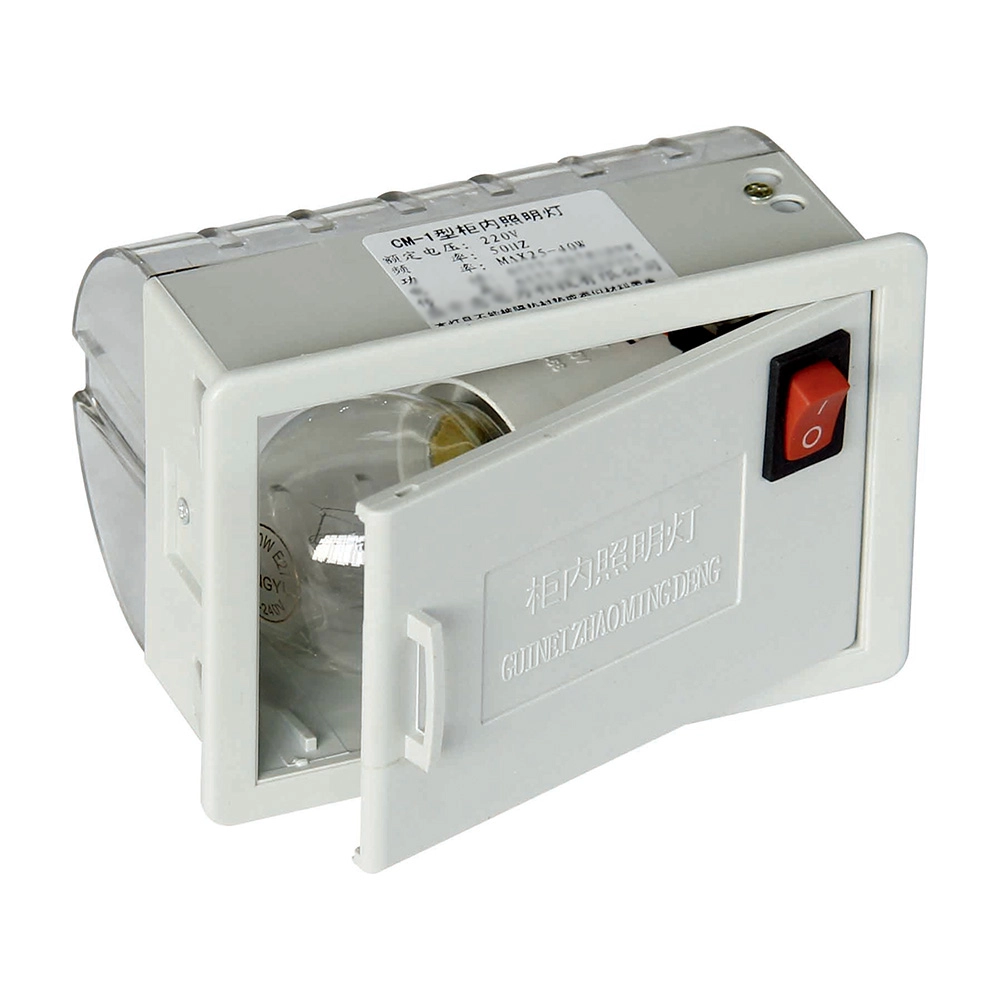
System planners must evaluate concrete data before finalizing any hardware upgrades. Comparing physical performance parameters highlights the major differences between technologies. Legacy systems often fail prematurely under high-vibration industrial conditions. Filaments break easily when heavy equipment operates nearby on the factory floor. Conversely, solid-state designs resist physical shocks and high ambient temperatures. They feature rugged materials that withstand daily wear and tear. Operational metrics demonstrate clear gaps in energy draw and heat emission. Engineers track these values to calculate thermal loads inside closed panels. Excessive heat forces cooling units to work harder, increasing energy costs. The detailed comparison table below shows the technical differences clearly. Such empirical data helps procurement officers make informed technical purchasing decisions. Every facility benefits from analyzing these core operational characteristics closely.
| Performance Metric | Modern LED Systems | Traditional Incandescent |
|---|---|---|
| Average Lifespan | 50,000 Hours | 1,500 Hours |
| Luminous Efficacy | 120 Lumens per Watt | 15 Lumens per Watt |
| Vibration Resistance | High (No filaments) | Low (Fragile glass/wire) |
Explaining the Operational Differences of Panel Lights
The comparison table clearly illustrates the massive lifespan gap between options. Solid-state fixtures last up to thirty times longer than old bulbs. Such extended lifespan virtually eliminates the need for frequent bulb replacements. Choosing the proper Switchgear Lighting prevents costly operational downtime. Maintenance personnel spend less time swapping dead lights in tight spaces. Additionally, higher luminous efficacy translates directly into reduced energy consumption. Facilities achieve brighter cabinets while drawing only a fraction of electricity. Low heat emission keeps the interior temperature of enclosures stable. Stable temperatures protect sensitive programmable logic controllers from heat stress. Eliminating fragile filaments ensures uninterrupted operation during heavy machinery vibration. These structural factors represent a huge safety advantage for industrial sites. Ultimately, the technical specifications confirm the superior performance of modern designs.
Analyzing Equipment Performance and Technical Variables
Technical engineers require detailed operational specifications before specifying cabinet hardware. Steady performance under fluctuating electrical conditions represents a primary requirement for control components. Traditional bulbs perform poorly when grid voltage experiences sudden, unexpected drops. In contrast, modern solid-state drivers maintain consistent brightness across extensive electrical variations. Lower internal case temperatures prevent premature degradation of surrounding sensitive wiring. Rapid activation speeds guarantee immediate visibility during critical emergency switching operations. Technicians can complete vital diagnostics immediately without waiting for warm-up periods. These robust operational characteristics ensure overall system stability and technician safety. The subsequent table highlights critical technical performance variables for both technologies. This evaluation covers thermal discharge, input compatibility, and reaction times directly. Reviewing these specifications clarifies the distinct physical advantages of modern equipment. Every procurement department should examine these performance indicators before purchasing hardware.
| Performance Characteristic | Modern LED Fixtures | Traditional Lighting Options |
|---|---|---|
| Thermal Emission / Case Temperature | Low Heat (< 45°C) | High Heat (> 120°C) |
| Voltage Tolerance Range | Wide (85V - 265V AC/DC) | Narrow (±10% nominal AC only) |
| Startup Time / Response Speed | Instantaneous (< 0.1 seconds) | Delayed / Warm-up needed |
Technical Advantages and Industrial System Integration
The physical data clearly demonstrates the technical superiority of modern solid-state systems. Minimal heat emission protects local electrical terminals from accelerated insulation aging over time. Wide voltage tolerances prevent sudden light flicker during heavy industrial motor startups. Modern facilities prioritize advanced Switchgear Lighting to meet rigorous operational safety standards. Instantaneous activation speeds help operators manage electrical faults without dangerous delays. Stable illumination levels provide safe, continuous monitoring capabilities for high-voltage substations. These engineering advantages ensure consistent equipment performance across diverse factory environments. Maintenance personnel enjoy safer working conditions due to reduced thermal radiation hazards. Exceptional physical stability reduces the risk of unplanned power distribution shutdowns. Rugged design parameters justify replacing older fragile components with durable upgrades. Investing in certified high-performance equipment secures critical infrastructure reliability for many years. Industrial operations maximize overall system uptime by choosing advanced hardware components.
FAQ
How long do modern enclosure LED systems typically last?
Industrial solid-state lamps offer an impressive operating life of fifty thousand hours. Such lifespan represents over five years of continuous, twenty-four-hour daily operation. In comparison, traditional incandescent bulbs survive for only fifteen hundred hours. Most industrial facilities replace legacy systems with LED Switchgear Lighting to extend service lifespans. The transition eliminates the need for frequent and costly maintenance interventions. Solid-state technology maintains stable lumen output throughout its entire operational life. Technicians do not experience sudden failures during critical system diagnostic checks. Rugged construction prevents damage from ambient industrial vibrations on factory floors. Longer operational lifespans significantly reduce material replacement costs for large enterprises. Upgrading represents a reliable method to guarantee continuous illumination inside enclosures.