Switchgear Light OEM: A Buyer’s Selection Guide
Switchgear light OEM services for custom cabinet lighting, covering specifications, quality control, supplier selection, and bulk orders.
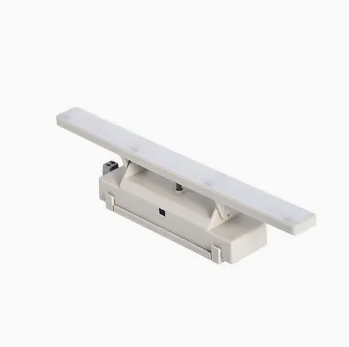
Choosing a reliable switchgear light OEM partner involves more than comparing prices. Electrical equipment manufacturers need lighting products that match cabinet dimensions, power supplies, installation requirements, and operating conditions. The right OEM partner can help customize product configurations, verify compatibility, and maintain consistent quality across production batches. Buyers should evaluate technical capabilities, sample approval procedures, quality control, and delivery performance before placing bulk orders. These factors help reduce installation problems and avoid costly changes after production begins.
What Is a Switchgear Light OEM Service?
A switchgear light OEM service allows electrical equipment manufacturers to source cabinet lighting according to defined technical requirements. Depending on the supplier's capabilities, customization may cover electrical specifications, mounting structures, wiring configurations, switching methods, labels, and packaging. Buyers can provide drawings, existing samples, or detailed specifications as the starting point.
Standard products may already meet many cabinet lighting requirements. However, customized configurations can be useful when a switchgear series has limited installation space or specific electrical requirements. OEM production also helps manufacturers standardize lighting components across multiple cabinet models.
OEM and ODM services differ in design responsibility. OEM projects typically follow customer-defined specifications or an existing product design. ODM projects may involve more substantial design input from the manufacturer. Buyers should clarify these responsibilities before requesting quotations, especially when new tooling or product development is required.
Which Specifications Should You Confirm Before Ordering?
Technical specifications determine whether a cabinet light will fit the enclosure and operate under the intended conditions. Buyers should confirm the main requirements before comparing quotations. A lower-priced product may create additional costs if its electrical configuration, mounting dimensions, or lighting performance does not meet the project requirements.
Power Supply and Electrical Compatibility
Start by confirming the rated voltage, AC or DC supply, frequency where applicable, and power consumption. The selected light must match the available auxiliary power supply and the electrical design of the switchgear cabinet.
For example, some cabinet lighting products operate on AC 220 V, while other designs support a wider AC/DC voltage range. These options are not automatically interchangeable. Buyers should verify the exact product specifications and confirm compatibility with the intended power source.
Wiring arrangements also require attention. Check terminal types, lead lengths, connection positions, and insulation requirements. If the cabinet uses a dedicated auxiliary circuit, confirm that the lighting load is suitable for that circuit.
Mounting Dimensions and Installation Space
Cabinet interiors contain busbar compartments, wiring ducts, control components, rails, and other electrical accessories. A light that fits one enclosure may interfere with the layout of another. Buyers should therefore review overall dimensions, mounting holes, fixing methods, and available clearance.
For new cabinet designs, lighting placement can be coordinated with the enclosure layout. For retrofit projects, existing mounting points and wiring routes may limit the available options. Photographs alone may not provide enough information to verify compatibility.
Provide dimensional drawings or physical samples when possible. Confirm that technicians can access the light for maintenance and that installation does not obstruct other components. These checks can reduce modifications during assembly.
Light Output, Heat, and Operating Conditions
The required light output depends on cabinet dimensions, internal layout, and the tasks technicians perform. Instrument compartments may require clear visibility of meters, terminals, labels, and wiring connections. Buyers should consider light distribution as well as total luminous flux.
Operating temperature is another important factor. A cabinet may already contain components that generate heat, leaving limited space for additional thermal loads. Check the light's rated operating temperature and power consumption against the expected conditions.
Environmental protection should also match the application. Consider humidity, dust exposure, condensation risks, and the cabinet's ventilation conditions. An IP rating describes specific ingress protection characteristics, but it does not independently establish suitability for every electrical enclosure.
| Specification | Information to Confirm |
|---|---|
| Electrical supply | Rated voltage, AC/DC type, and frequency |
| Power consumption | Rated wattage and circuit compatibility |
| Mechanical design | Dimensions, mounting holes, and fixing method |
| Lighting performance | Luminous flux, distribution, and color requirements |
| Control method | Door-operated switch, manual switch, or other configuration |
| Operating conditions | Temperature range, humidity, and required protection |
| Connections | Wiring arrangement, lead length, and terminals |
This checklist gives purchasing teams a consistent basis for requesting quotations and comparing proposed configurations.
What Customization Options Matter for Switchgear Lighting?
Customization should address specific installation or operating requirements. It does not always require a completely new product design. Buyers can often begin with an existing cabinet light and identify which features need adjustment.
Mechanical and Electrical Customization
Mechanical options may include housing dimensions, mounting brackets, fixing points, and installation orientation. Electrical options may cover rated voltage, wiring arrangements, connector types, and lead lengths. Each change should be reviewed against the cabinet design and the intended power supply.
For example, the CM-1 Cabinet Light for Switchgear has typical specifications of AC 220 V, 50 Hz, with 25 W, 40 W, and 60 W power options. These specifications provide a starting point for evaluating compatibility. Buyers should confirm the required configuration before ordering rather than assume every option suits every cabinet.
Switching Methods and Product Identification
Some applications require a door-operated switch, while others use manual control or a different switching arrangement. The appropriate solution depends on the cabinet's operating procedures and electrical design. Buyers should confirm the required switching method and its compatibility with the selected light.
Product identification is also important for OEM projects. Model numbers, labels, packaging, and documentation should match the buyer's procurement and inventory systems. Consistent identification helps technicians select replacement parts and allows purchasing teams to reorder the approved configuration.
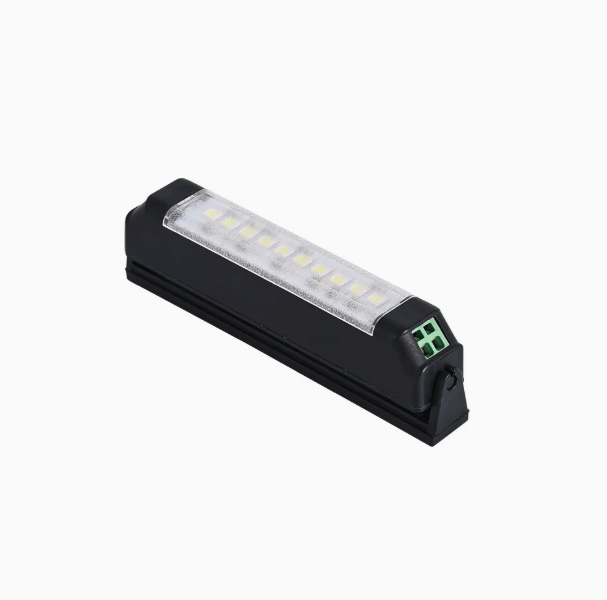
Materials and Environmental Requirements
Housing materials should suit the intended operating environment. Buyers should consider mechanical strength, heat exposure, humidity, and the cabinet's internal conditions. Protection requirements must also be clearly defined.
The CM-L3 Explosion-Proof Cabinet Light for Switchgear is listed with an aluminum-alloy housing, AC/DC 48–230 V input, power consumption of no more than 2.5 W, and an operating temperature range of -25°C to +50°C. Its listed protection rating is IP20. Buyers should verify whether these specifications meet their application and request any required hazardous-area certification separately.
How Does the Switchgear Light OEM Process Work?
A clear OEM workflow helps prevent misunderstandings between purchasing teams, engineers, and manufacturers. Each stage should have defined deliverables and approval requirements.
- Requirement confirmation: Provide the application, electrical specifications, installation conditions, expected order quantity, and target delivery schedule.
- Drawing or sample review: Submit technical drawings, mounting dimensions, wiring details, or an existing product sample. Resolve any conflicts before production planning.
- Prototype and compatibility testing: Check physical fit, electrical operation, switching functions, and lighting performance against the agreed requirements.
- Sample approval: Record the approved specifications and sample version. Confirm any permitted tolerances and document changes before authorizing bulk production.
- Production and inspection: Manufacture according to the approved configuration. Apply the agreed inspection criteria and identify any nonconforming products.
- Packaging and delivery: Verify labels, quantities, packaging, documentation, and shipment arrangements before dispatch.
Sample approval deserves particular attention. A light may operate correctly on a workbench but still fail to fit the intended cabinet. Testing should therefore address the complete installation requirements, not just whether the lamp turns on.
Buyers should also agree on how engineering changes will be handled. Even a minor change to a connector, mounting point, or power specification can affect compatibility with an established cabinet design.
How to Evaluate a Switchgear Light OEM Manufacturer?
A manufacturer's suitability depends on its ability to meet the project's technical and commercial requirements. Company size or a competitive quotation alone cannot establish whether a supplier is the right choice.
| Evaluation criterion | Questions to ask |
|---|---|
| Technical capability | Can the supplier review drawings and identify specification conflicts? |
| Customization | Can it accommodate the required mounting, wiring, and switching arrangements? |
| Quality control | Are production inspections and acceptance criteria documented? |
| Testing | Can the supplier provide relevant test records for the agreed specifications? |
| Production capacity | Can it support the required quantity and repeat orders? |
| Lead time | Are sample development and production schedules clearly defined? |
| Documentation | Are drawings, specifications, and applicable compliance documents available? |
Check Technical Communication and Engineering Support
A capable supplier should ask detailed questions about the application before confirming a quotation. These questions may cover supply voltage, installation space, operating temperature, and switching requirements. Clear technical communication helps identify incompatibilities before they become production problems.
Buyers should also assess how the supplier manages revisions. A documented approval process reduces the risk of receiving products built to an outdated drawing or an unapproved specification.
Compare Total Procurement Costs
The lowest unit price does not always produce the lowest overall cost. Buyers should consider sample charges, tooling costs, inspection expenses, packaging, shipping, and potential rework. Products that require modifications during installation may also increase labor costs.
For repeat orders, consistency is particularly important. The supplier should be able to reproduce the approved configuration and communicate any proposed changes before implementing them. These practices help purchasing teams manage budgets and maintain stable product specifications.
What Should You Check Before Placing a Bulk OEM Order?
Before releasing a purchase order, buyers should confirm the technical and commercial details in writing. This step helps prevent disagreements about what the supplier is expected to deliver.
Use the following checklist:
- Confirm the final approved drawing, product specification, and sample version.
- Verify the rated voltage, power consumption, wiring, mounting dimensions, and switching method.
- Define inspection requirements, sampling rules, and acceptance criteria.
- Agree on the minimum order quantity, production lead time, and delivery schedule.
- Confirm packaging, product labels, and any customer-specific identification requirements.
- Specify the test reports and compliance documents required for the project.
- Establish procedures for handling defects, replacements, and engineering changes.
- Confirm how repeat orders will be matched to the approved product configuration.
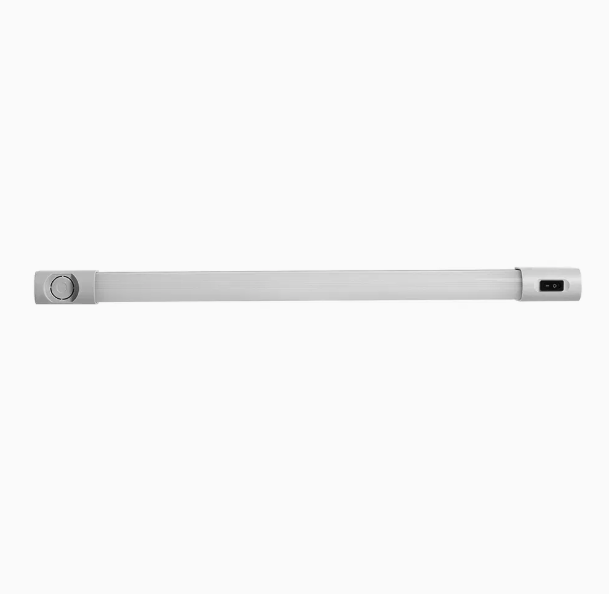
FAQs About Switchgear Light OEM
What Information Is Needed to Request an OEM Quote for Switchgear Lights?
Prepare the intended application, supply voltage, AC/DC requirements, power consumption, mounting dimensions, wiring configuration, and preferred switching method. Include technical drawings or product photographs when available. Estimated order quantity, target delivery date, packaging requirements, and any required certifications should also be specified. If an existing light is being replaced, provide its model number and dimensional information. A complete inquiry allows the manufacturer to assess compatibility and identify missing details before preparing a quotation. It also makes quotations from different suppliers easier to compare.