What Affects Lifespan Of High Voltage Cabinet Lighting?
High voltage cabinet lighting lifespan factors affect durability heat voltage stability and compliance in industrial lighting systems.
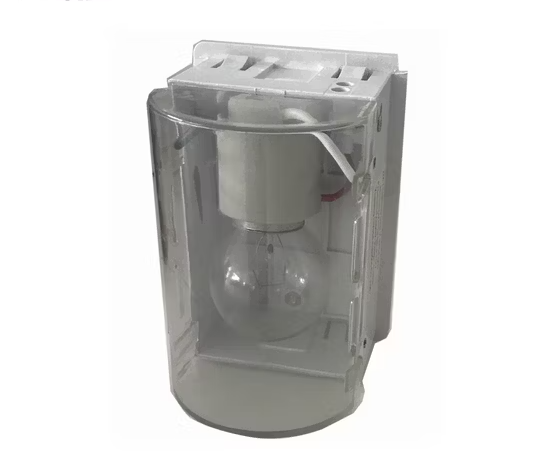
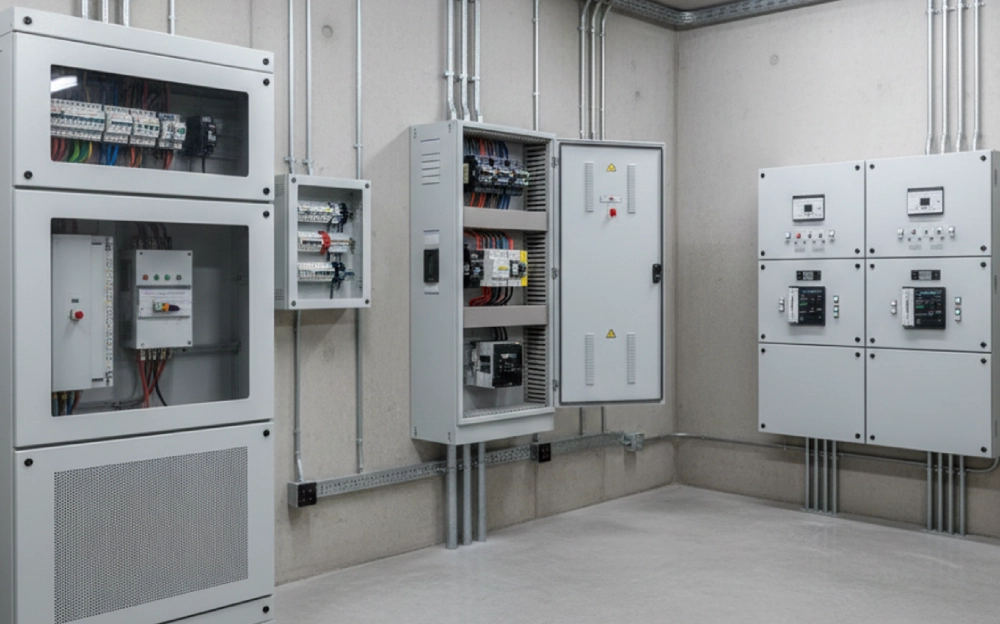
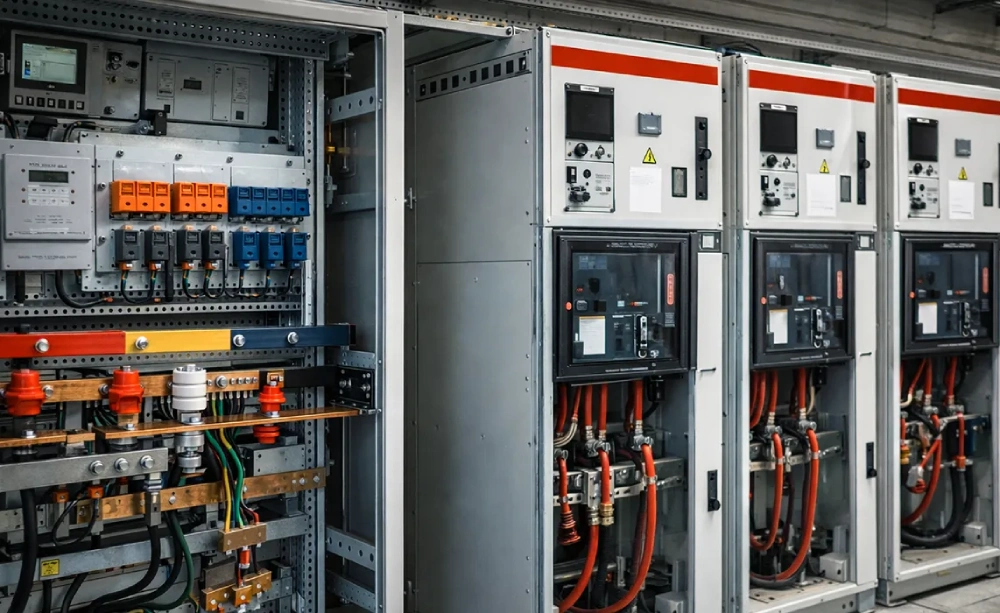
High voltage cabinet lighting systems operate inside industrial control enclosures. They support visibility for maintenance and monitoring tasks. These systems must handle continuous electrical stress in compact spaces. Service life depends on electrical stability, thermal control, and material durability. Industrial environments often expose lighting units to vibration and dust. Heat buildup inside sealed cabinets increases aging speed of electronic parts. Engineers evaluate performance under long duty cycles. Typical operating voltage ranges from low industrial control levels up to several hundred volts. Stable illumination ensures safe inspection of wiring and components. Reliability becomes a key requirement in automation systems. Environmental conditions strongly influence degradation speed. Proper design selection improves operational continuity in industrial facilities.
High voltage cabinet lighting lifespan factors in Electrical Load and Voltage Stability
Electrical conditions strongly influence performance stability and long-term durability. Unstable voltage introduces stress into LED drivers and rectifier circuits. Current spikes shorten component life through repeated overload cycles. Industrial machines often create fluctuating power demand across shared circuits. These variations affect illumination consistency inside cabinets. Surge protection systems reduce sudden electrical damage risks. Stable transformers help maintain regulated input conditions. Poor voltage quality increases flickering and uneven brightness output. Engineers design circuits with tolerance margins for industrial environments. Continuous monitoring of electrical behavior improves system reliability.
High voltage cabinet lighting lifespan factors are closely linked to power quality control. Stable input conditions reduce internal stress accumulation. Voltage regulation systems extend operational consistency under heavy load environments. Proper electrical design ensures longer functional service life.
Thermal Management and Environmental Stress Impact
Heat accumulation is one of the most critical degradation factors. High internal temperatures accelerate LED phosphor wear and driver aging. Enclosed cabinets often trap heat due to limited airflow. Thermal cycling causes repeated expansion stress on solder joints. Humidity and dust further increase corrosion risk. Cooling strategies improve long-term stability significantly. Heat sinks and ventilation paths reduce internal temperature buildup. Industrial systems require continuous thermal balance for reliable operation. Sensor-based monitoring helps detect abnormal temperature rise early.
High voltage cabinet lighting lifespan factors become more severe under poor thermal control. Excess heat shortens semiconductor efficiency and structural durability. Proper enclosure design reduces energy loss and improves operational stability. Thermal management directly determines long-term lighting performance.
Material Selection and Component Engineering Standards
Material quality directly affects resistance to aging and mechanical stress. Aluminum housings improve heat dissipation efficiency significantly. Polycarbonate covers provide optical clarity and impact resistance. Steel enclosures enhance structural protection in harsh environments. Internal insulation materials prevent electrical leakage risks. LED chip quality determines brightness retention over time. Driver circuits require stable current regulation for durability. Protective coatings reduce corrosion in humid or chemical environments.
The table below summarizes key material performance characteristics:
| Material Type | Main Advantage | Industrial Benefit |
|---|---|---|
| Aluminum | High thermal conductivity | Reduces overheating risk |
| Polycarbonate | High impact resistance | Protects optical output |
| Steel | Structural strength | Enhances durability |
| Silicone Insulation | Electrical safety | Prevents leakage faults |
Material selection directly influences system longevity. Engineers evaluate environmental exposure before deployment. High-quality components reduce maintenance frequency and failure rates.
Installation Quality and Wiring Practices Affecting Durability
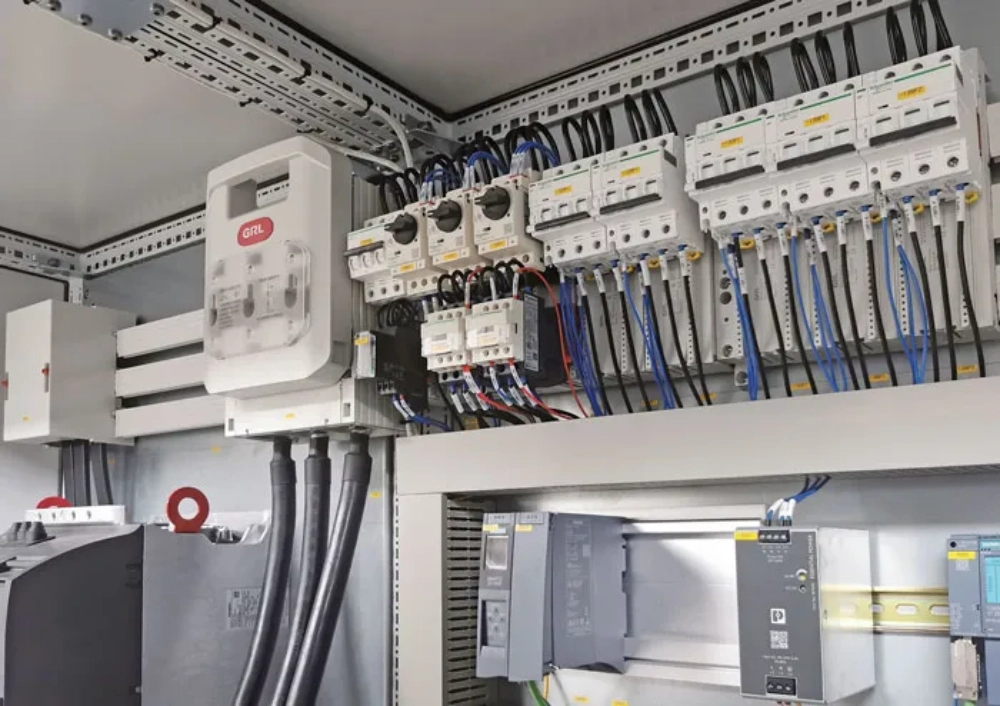
Installation accuracy determines long-term electrical stability. Poor wiring increases resistance and heat accumulation. Loose connections lead to intermittent power interruptions. Proper grounding ensures safety under high voltage conditions. Vibration from industrial machinery weakens mechanical fasteners. Cable routing must avoid sharp bends and pressure points. Incorrect installation reduces operational efficiency significantly. Technicians follow standardized wiring procedures for safety compliance. Secure mounting prevents mechanical stress on internal components.
List of critical installation practices:
- Maintain stable grounding connections
- Avoid tight cable bending points
- Secure all terminal joints firmly
- Separate signal and power lines
- Use vibration-resistant mounting supports
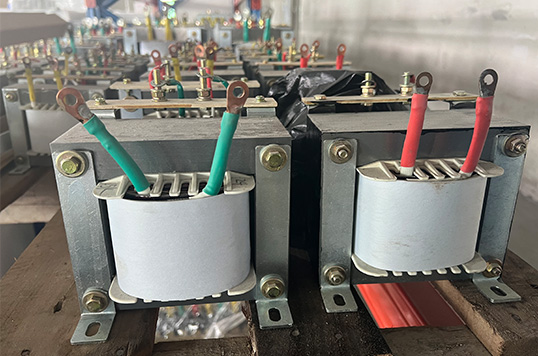
Proper installation improves reliability and reduces early failure risks. Electrical stability depends heavily on mechanical assembly quality. Correct wiring extends operational lifespan significantly.
Maintenance Strategies to Extend Service Life
Regular maintenance ensures stable performance over long operational cycles. Dust accumulation reduces optical efficiency and heat dissipation. Cleaning schedules maintain consistent light output quality. Electrical inspections identify early signs of degradation. Thermal interface materials require periodic replacement. Predictive maintenance systems track performance trends continuously. Maintenance intervals depend on environmental conditions and workload intensity.
High voltage cabinet lighting lifespan factors are strongly influenced by maintenance quality. Preventive servicing reduces unexpected downtime risks. Monitoring systems improve long-term reliability through early fault detection. Proper maintenance planning increases operational efficiency and reduces replacement cost.
Compliance Standards and Reliability Requirements
Industrial compliance ensures safety and performance consistency. IEC standards such as IEC 60598 and IEC 60204-1 regulate lighting and machine electrical safety. IEC 60529 defines ingress protection ratings for dust and moisture resistance. ISO 9001 defines manufacturing quality management requirements. ISO 14001 governs environmental management in production processes. Testing procedures simulate overload and thermal stress conditions. Certification confirms system reliability under industrial workloads. Standardized validation ensures uniform performance across production batches and improves trust in engineering applications.
High voltage cabinet lighting lifespan factors depend on compliance with strict industrial standards. Certified systems demonstrate higher durability under continuous operation. Proper certification improves safety and extends service life significantly.
Cost Efficiency and Lifecycle Optimization
Cost efficiency depends on balancing installation price and long-term maintenance cost. Low-cost systems often require frequent replacement cycles. High-quality systems provide stable performance over extended periods. Lifecycle analysis evaluates total ownership cost. Downtime in industrial environments leads to production losses. Energy efficiency also affects operational expenses significantly. Predictive maintenance reduces unexpected repair costs.
FAQ
How does voltage fluctuation influence cabinet lighting lifespan?
Voltage fluctuation creates unstable electrical input conditions for lighting systems. Sudden spikes increase stress on driver circuits and LED chips. Repeated variation accelerates degradation of insulation and semiconductor layers. Flickering often indicates unstable electrical supply conditions.