
What Are The Benefits Of A Voltage Presence Indicating System?
Voltage Presence Indicating System enhances electrical safety, monitoring accuracy, and operational reliability in industrial power systems.
A Voltage Presence Indicating System improves electrical safety and operational control in modern power distribution networks. It provides real-time detection of energized conductors inside switchgear assemblies. Engineers rely on this technology to reduce accidental contact risks during maintenance. Industrial environments benefit from clearer circuit status awareness. The system strengthens decision-making under high voltage conditions. It also supports structured inspection workflows in complex installations. By delivering immediate visual feedback, it reduces uncertainty in electrical operations. This makes it a critical component in industrial safety architecture. Its application continues to expand across energy, manufacturing, and infrastructure sectors.
Introduction to Voltage Presence Indicating System
The system plays a key role in monitoring energized circuits inside electrical panels. It identifies live phases and provides clear visual signals. Operators use it to confirm safe isolation before intervention. This reduces operational ambiguity in switchgear environments. It also enhances coordination between field technicians and control centers. Modern installations integrate compact sensing modules for improved reliability. Visual indicators ensure fast recognition of circuit status. This supports safer and more structured maintenance procedures. The technology is widely adopted in both low and medium voltage systems.
Enhancing Electrical Safety with Voltage Presence Indicating System
Electrical safety improves significantly when integrated into switchgear systems. It reduces reliance on manual voltage testing methods. Technicians gain clear visibility of energized circuits before contact.
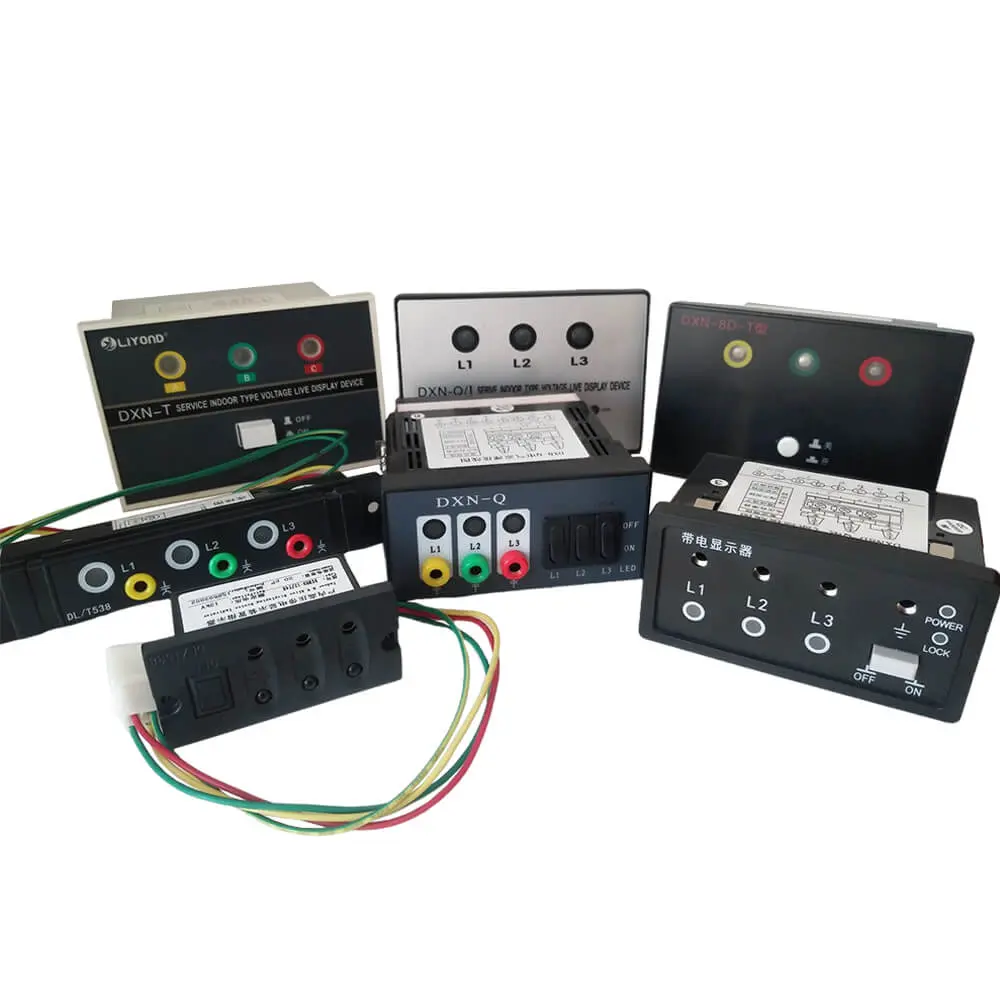
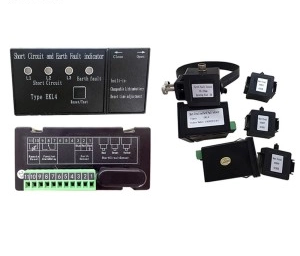
This lowers arc flash exposure risks in high energy environments. Safety interlocks often complement indication functions. Together, they form a layered protection strategy. Maintenance teams benefit from reduced operational uncertainty. Lockout procedures become more effective and traceable. Overall, risk exposure is minimized across industrial operations.
How Maintenance Efficiency Improves with VDIS
Maintenance workflows become faster and more structured using real-time voltage feedback. Technicians can quickly identify active and inactive circuits. This reduces repetitive testing across panel systems. Inspection time is significantly shortened in large installations. Fault isolation becomes more direct and efficient. Planning maintenance tasks becomes more predictable. Teams can prioritize work based on system status. This reduces unnecessary equipment handling. Coordination between teams improves noticeably. Productivity increases in both scheduled and emergency operations.
Cost Optimization Benefits
Industrial operators achieve measurable cost reduction through improved system visibility. Equipment damage caused by incorrect switching is reduced. Maintenance labor hours decrease significantly. Downtime-related losses are also minimized. Fewer manual tests reduce tool wear and usage costs. Safer operations reduce accident-related financial impact. Equipment lifespan improves under controlled handling conditions. Operational efficiency increases across power systems. Long-term investment returns become more stable. Overall, Voltage Presence Indicating System supports long-term cost efficiency across industrial operations.
Reducing Operational Downtime
Fast identification of energized circuits helps reduce unexpected shutdowns. Operators isolate faults more efficiently. This minimizes disruption in production environments.Recovery time is shortened significantly. Maintenance response becomes more precise. Electrical faults are located faster in multi-panel systems. Continuous production cycles are better maintained. This improves overall plant reliability. System stability is enhanced under dynamic load conditions.
Key Components of a Voltage Monitoring System
The architecture includes sensors, indicators, and interface modules. Sensors detect phase presence across conductors. Indicators provide clear LED or lamp-based signals. Interface modules ensure safe electrical isolation. Insulation materials protect against high voltage stress. Each component contributes to system accuracy. Modular design supports flexible installation. Calibration ensures consistent performance. Durable construction allows operation in harsh environments. These elements work together for reliable monitoring.
Q22S-JK Interlock VDIS for Passive Electromagnetic Lock
Q22S-JK Interlock VDIS for Passive Electromagnetic Lock integrates voltage detection with mechanical interlocking. It prevents access when circuits remain energized. Door systems stay locked under unsafe conditions. This improves personnel protection in switchgear environments. It supports controlled access during maintenance activities. Electrical and mechanical coordination is tightly integrated. It is commonly used in high reliability installations. Safety layers are reinforced through interlock logic.
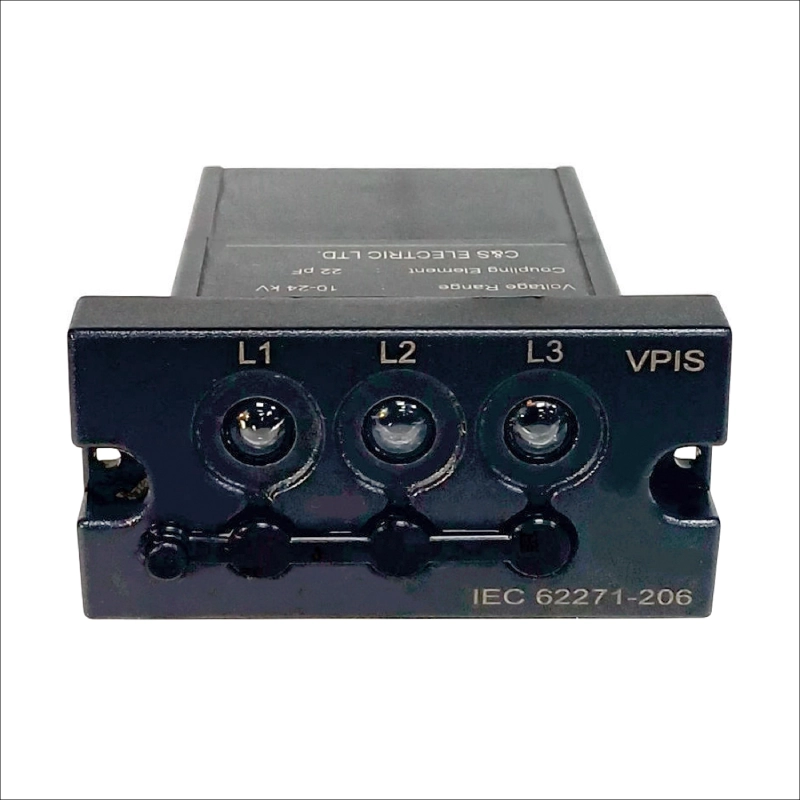
Integral Lamp Plug-in VDIS for Switchgear
Integral Lamp Plug-in VDIS for Switchgear provides modular voltage indication through plug-in lamp units. It allows fast installation in standardized panels. Visual signals remain clear under varying lighting conditions. Replacement and maintenance are simplified. Panel layout remains organized and compact. Signal stability ensures reliable phase identification. It supports efficient monitoring in industrial systems. Integration into modern switchgear is straightforward.
Integration with Industrial Switchgear
The system integrates directly into switchgear assemblies through insulated interfaces. It supports both retrofit and new installations. Wiring standards improve compatibility across systems. Engineers benefit from simplified deployment. Signal reliability remains stable under load variation. Centralized monitoring becomes easier to implement. This improves coordination across electrical networks. System transparency is significantly enhanced. Industrial safety architecture becomes more unified. Voltage Presence Indicating System integration further strengthens operational visibility across facilities.
Comparing Passive and Active Technologies
Two main configurations exist in voltage monitoring systems. Passive designs rely on induced energy detection. Active designs use powered sensing circuits. Passive systems require no external supply. Active systems provide higher sensitivity levels. Selection depends on application complexity. Passive units offer simplicity and durability. Active systems support advanced diagnostics. Both improve electrical visibility in different environments.
| Feature | Passive System | Active System |
|---|---|---|
| Power Requirement | None | External supply required |
| Detection Accuracy | Moderate | High |
| Maintenance Needs | Low | Medium |
| Application Scope | Standard panels | Advanced systems |
Passive systems are widely used in conventional installations. Active systems suit precision monitoring environments. Choice depends on operational requirements.
Industrial Applications
The system is widely used in power generation facilities. Substations rely on it for safe switching operations. Manufacturing plants use it for equipment protection. Renewable energy systems integrate it for monitoring stability. Transportation infrastructure depends on voltage visibility. Data centers apply it for continuous verification. Mining operations use it in high-risk environments. Utility networks rely on it for grid control. Its adaptability supports multiple industries.
Standards and Compliance
Electrical monitoring systems must meet international safety standards. IEC defines insulation and performance criteria. ISO ensures manufacturing quality consistency. IEEE provides operational reliability benchmarks. Certification confirms system performance integrity. Testing validates detection accuracy. Compliance supports global deployment. Documentation ensures traceability. Standards reduce operational risk in high voltage systems. They improve long-term reliability.
| Standard | Focus | Requirement |
|---|---|---|
| IEC 62271 | Switchgear safety | Insulation performance |
| ISO 9001 | Quality systems | Process control |
| IEEE C37 | Electrical reliability | Operational safety |
Compliance ensures predictable system behavior. It strengthens safety assurance in industrial deployment.
FAQ
How does it function in real-time?
A Voltage Presence Indicating System operates by continuously sensing electrical potential across conductors. When phase voltage is present, the system activates visual indicators immediately, providing clear feedback to operators. Capacitive or resistive sensing methods ensure accurate detection across voltage ranges. Signals are transmitted safely to display units without exposure risk. This real-time monitoring allows technicians to confirm energized circuits instantly. The system supports fast decision-making and prevents unsafe handling of live components. Response time is nearly instantaneous, improving operational safety. It significantly reduces the risk of accidental contact and ensures efficient maintenance workflows.
Can it prevent electrical accidents?
A Voltage Presence Indicating System reduces the likelihood of electrical accidents by clearly identifying energized circuits. Operators receive immediate visual confirmation before performing any intervention. This reduces reliance on manual voltage checks and prevents direct contact with live conductors. When combined with lockout and interlock procedures, it forms a robust safety layer. Human error is minimized, though proper training remains essential. The system enhances situational awareness and supports adherence to industrial safety protocols. It is especially effective in high-voltage switchgear environments, providing a dependable tool to prevent accidental energization and improve overall workplace safety for maintenance personnel.
What should be considered when selecting it?
When selecting a Voltage Presence Indicating System, several factors must be considered. First, the voltage range and system compatibility should match the intended application. Environmental conditions, such as temperature and humidity, affect system performance. Panel layout and installation space influence component choice. Accuracy and detection sensitivity are critical for reliable operation. Operators must decide between passive or active technologies based on monitoring requirements. Compliance with international safety standards ensures regulatory acceptance. Maintenance accessibility, durability, and integration with existing switchgear are also essential. Considering these factors ensures long-term reliability, operational efficiency, and consistent voltage monitoring across industrial installations.