What Are The Benefits Of Using A Line Earth Fault Indicator?
Deploy a line earth fault indicator to reduce grid outage duration, enhance worker safety, and optimize system efficiency.
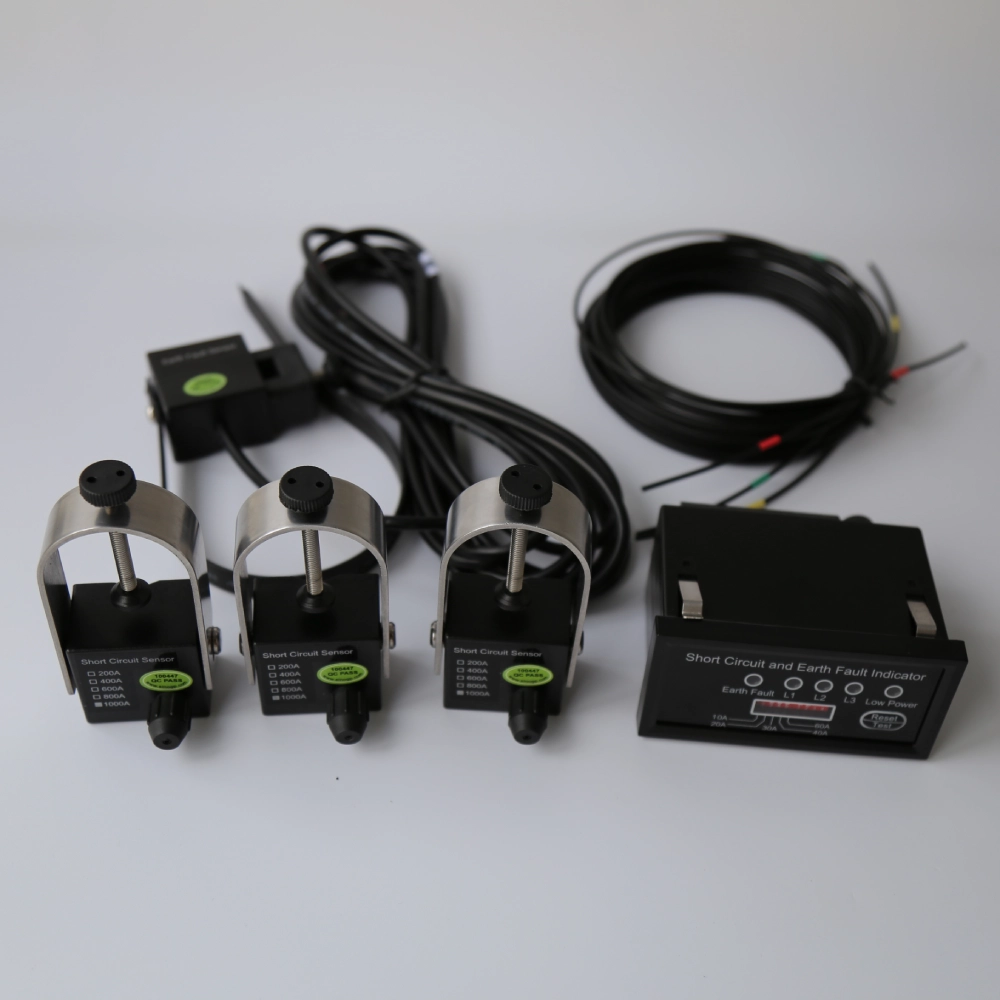
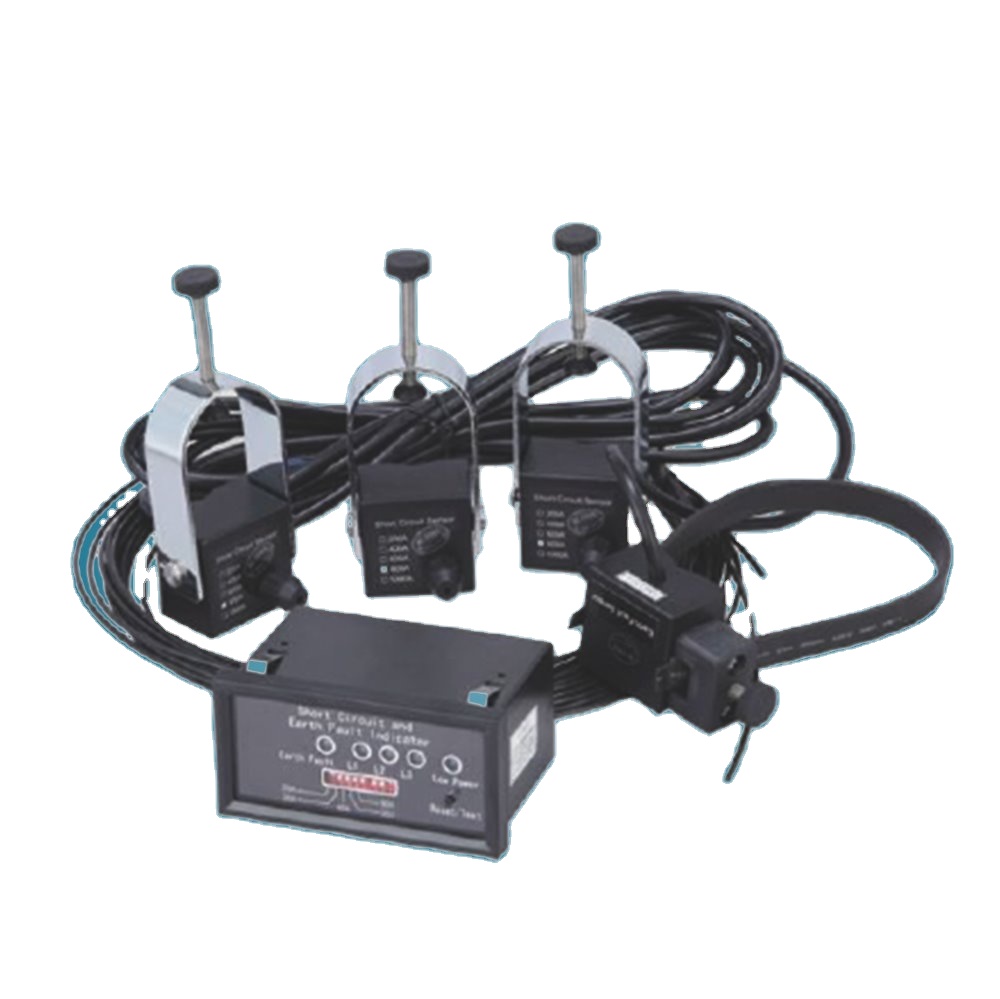
Elevating Grid Reliability with a Line Earth Fault Indicator
Modern electrical distribution grids face constant challenges from environmental factors and equipment aging. Grid operators must maintain high uptime to satisfy demanding industrial consumers. A line earth fault indicator provides the necessary visibility to monitor overhead networks continuously. This specialized hardware detects abnormal current flows during ground faults. Sensors transmit real-time data to help operators make informed decisions quickly. Utility personnel receive immediate alerts when phase currents exceed pre-set thresholds. Such rapid notification prevents minor issues from escalating into major blackouts. Engineering teams can deploy field crews directly to the exact location of the anomaly. Consequently, companies minimize revenue losses and ensure stable electricity delivery across regional networks. Proactive monitoring significantly enhances overall grid resilience and customer satisfaction.
Technical Operations and Sensor Mechanics
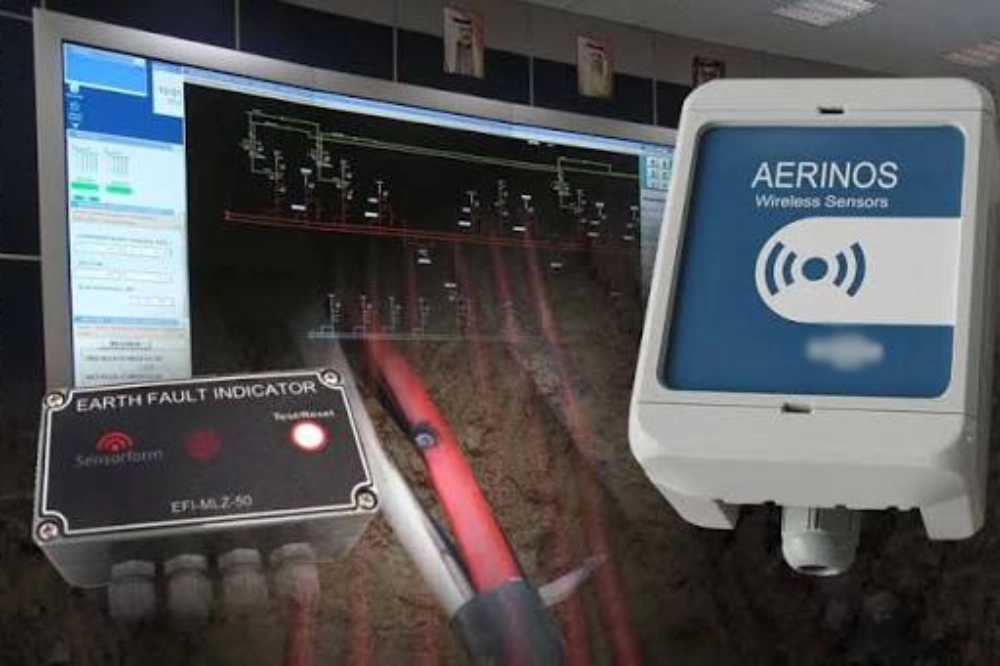
Detection devices rely on advanced physical principles to identify circuit abnormalities. Current transformers continuously measure the electromagnetic fields around medium voltage conductors. When a ground fault occurs, the zero-sequence current spikes dramatically. The Integrated Indicator for Voltage Presence Grounding Fault measures this vector sum with high precision. Embedded microprocessors analyze the waveform to distinguish between temporary surges and permanent faults. Reliable algorithms filter out harmless switching transients to prevent expensive false alarms. Optical sensors or ultra-bright LEDs then signal the fault state to passing maintenance crews. Some models utilize wireless transmitters to relay this data to a central database. This combination of local and remote signaling ensures rapid field response. Field technicians locate the damaged line segment without testing energized cables manually. Modern hardware designs withstand harsh outdoor weather conditions for decades.
Mitigating Wildfires and Safety Risks
Uncontrolled electrical discharges represent a significant safety hazard for dry regions. Fallen live conductors often ignite dry vegetation and trigger devastating bushfires. Distribution utilities must implement sensitive monitoring systems to prevent these catastrophic events. The EKL4 W Current Temperature and Fault Online Monitor tracks conductor temperatures alongside fault currents. This continuous thermal tracking helps identify overloaded lines before physical damage occurs. Fast isolation of grounded lines stops energetic arcing on dry forest floors. Furthermore, utility operators comply with strict regional safety standards by using these monitors. Maintenance crews avoid high-voltage hazards through accurate remote diagnostics. Automated systems shut down affected zones within milliseconds to protect nearby human populations. Ultimately, smart grid safety technologies save lives and preserve valuable forestry assets.
Minimizing Outage Duration with a Line Earth Fault Indicator
Power interruptions harm businesses and cause major financial losses for modern cities. Grid engineers measure these interruptions using SAIDI and SAIFI performance indices. Minimizing patrol times remains the fastest way to improve these critical utility metrics. Traditionally, line patrols required driving along miles of muddy roads to locate damaged cables. Today, automated sensors provide instant location data to dispatch centers directly. Maintenance teams travel straight to the fault spot without wasting valuable daylight hours. Quick restoration of electricity keeps manufacturing facilities operating without costly downtime. Local businesses maintain their schedules, and residential areas experience minimal disruptions. Therefore, investing in advanced grid monitoring creates immediate economic benefits for the entire community. High-performance detection systems pay for themselves by reducing expensive outages.
Smart Grid Integration and Communication Protocols
Modern grid automation requires seamless data flow between field hardware and control rooms. Intelligent electronic devices collect physical measurements and pack them into standardized digital formats. Communication systems transmit these data packets via cellular networks or optical fibers. Operators monitor the grid status using advanced protocols like DNP3 and IEC 60870. Real-time visualization programs display active alerts on interactive geographical maps instantly. Control room staff dispatch maintenance crews before consumers even notice a voltage drop. Automated isolation switches receive commands to reroute power around the damaged section. This dynamic self-healing capability defines the modern smart grid paradigm. Distribution networks achieve unprecedented efficiency through this digital transformation process. Investing in communication-enabled hardware remains essential for future utility expansion projects.
Comparative Analysis of Overhead and Underground Sensors
| Feature | Overhead Line Variant | Underground Cable Variant |
|---|---|---|
| Mounting Location | Directly on conductors | Inside RMU or cable joints |
| Power Supply | Solar panel with battery backup | Long-life lithium battery |
| Visual Indication | Ultra-bright flashing LEDs | LCD screen or indicator box |
| IP Protection | IP67 weather resistance | IP68 submersible design |
Explaining Physical Differences in Sensor Designs
Physical environment dictates the mechanical design of each line earth fault indicator. Overhead line sensors endure extreme temperatures, heavy winds, and solar radiation daily. Consequently, these devices utilize robust solar harvesters and UV-resistant enclosures. Underground cable networks require different packaging to withstand flooded manholes and tight spaces. Manufacturers design underground sensors with high IP68 ratings to prevent water ingress. These compact units connect to ring main units using shielded cables. Technicians install them easily without cutting or altering existing cable joints. Both configurations play vital roles in protecting the wider distribution network. Selecting the correct enclosure type ensures continuous operation under diverse weather challenges. Reliable performance reduces maintenance overheads and prevents premature equipment degradation. Engineers must analyze local environmental factors before ordering specific monitoring equipment.
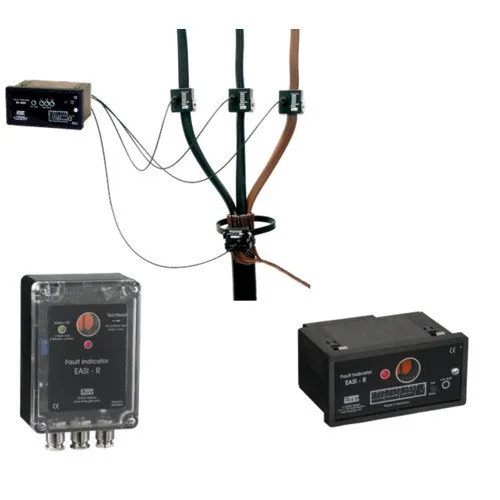
Crucial Selection Criteria for Grid Operators
- Trip Current Thresholds: Adjustable settings allow coordination with existing protection relays.
- Reset Mechanisms: Time-delay or automatic power restoration resets prevent manual intervention.
- Communication Options: Standard interfaces connect smoothly to global cellular networks.
- Battery Operational Life: High-capacity lithium cells provide over ten years of service.
Evaluating Technical Parameters for System Compatibility
Grid planners must evaluate several key parameters during the hardware selection phase. Matching the trip current threshold with protective relays prevents coordination errors. If the threshold is too low, normal load surges trigger unwanted alarms. Automatic reset functions eliminate the need for manual maintenance visits after transient faults. Selecting devices with long battery lives reduces overall lifecycle costs significantly. Field technicians avoid frequent battery replacements in remote or hard-to-reach locations. Furthermore, cellular communication options ensure that data reaches the control room instantly. These factors combine to create a highly efficient distribution monitoring solution. Proper planning guarantees seamless integration with existing utility infrastructure and operations. Reliable network components minimize risk and protect capital investments for many years. Experienced operators prioritize reliable hardware to maintain high power quality standards.
Comparative Cost-Benefit Analysis of Sensor Deployment
| Parameter | Without Sensor Deployment | With Sensor Deployment |
|---|---|---|
| Average Patrol Time | Several hours per fault | Under thirty minutes |
| Locational Accuracy | Manual estimation | Precise GPS coordinates |
| Operational Costs | High vehicle mileage costs | Minimized crew dispatch fees |
| Grid Downtime Metrics | Poor SAIDI scores | Optimal reliability ratings |
Analyzing the Financial Returns on Sensor Investment
Deploying smart sensors changes the economic landscape of electrical distribution maintenance. Companies notice dramatic reductions in vehicle mileage and crew labor costs immediately. Accurate GPS coordinates replace manual estimation and eliminate lengthy patrol procedures. Consequently, field technicians solve issues rapidly without searching vast rural areas. This streamlined workflow reduces the financial impact of power outages significantly. Utilities improve their regulatory compliance and protect their market reputation easily. Furthermore, commercial customers appreciate the stable power supply and experience fewer operational stoppages. The long-term savings quickly offset the initial purchase cost of the hardware. Modern distribution companies find that digital monitoring is a highly profitable investment. Reliable data collection drives better asset management and long-term planning decisions. Power companies achieve superior efficiency and customer satisfaction through these smart upgrades.
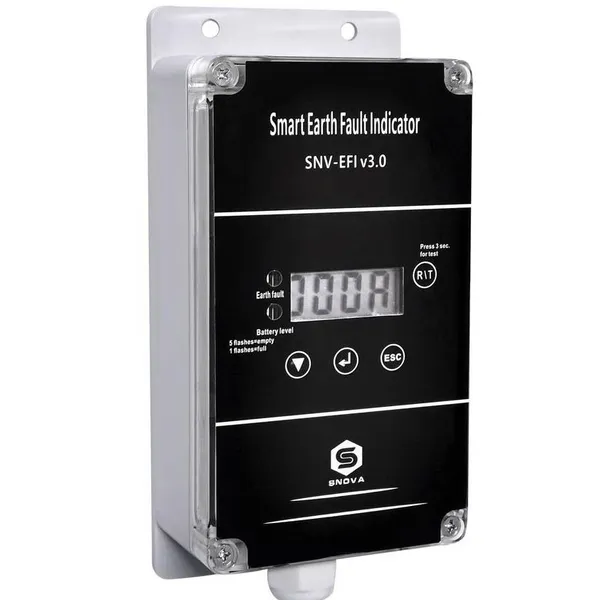
Future Trends in Substation and Line Monitoring
The rapid evolution of smart grid technology drives the development of next-generation sensors. Edge computing capabilities allow individual devices to analyze complex waveforms locally. Consequently, sensors identify subtle patterns that indicate insulation breakdown before actual faults occur. This predictive capability shifts maintenance strategies from reactive to proactive models. Utility managers schedule repairs during planned outages rather than responding to emergency blackouts. Furthermore, integration with artificial intelligence platforms optimizes grid routing dynamically. High-voltage networks become more resilient against severe weather events and mechanical failures. Investing in advanced monitoring equipment ensures long-term operational viability for power companies globally. Digitalized networks represent the future of stable global energy distribution systems. Global energy markets demand continuous innovation to meet rising consumer expectations. Grid operators must adopt these modern solutions to remain competitive and reliable.