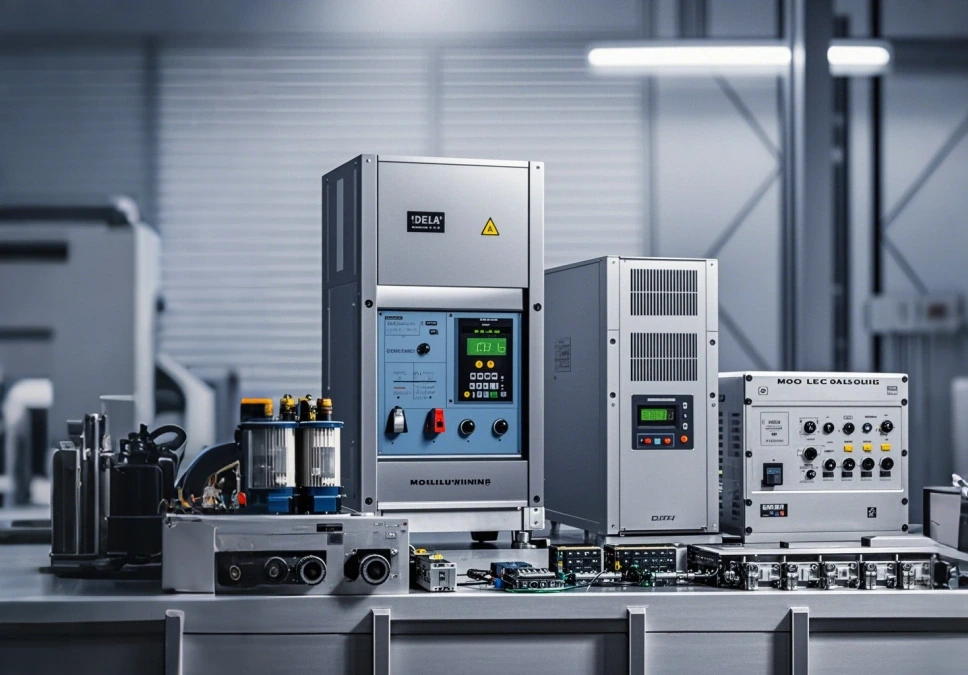
What Features Do Temperature Controllers Need For Industry?
Industrial temperature controller features improve stability through precise control, sensor compatibility, alarms, outputs, and durability.
Why Industrial Temperature Control Needs More Than Basic Regulation
Industrial temperature control demands stable measurement, fast response, and predictable output under changing loads. The right industrial temperature controller features directly affect process quality, equipment protection, and operating efficiency. Manufacturing systems often face heat transfer delays, fluctuating ambient conditions, and variable electrical loads. A basic thermostat may struggle when these factors interact. Modern controllers therefore combine accurate sensing, configurable control logic, alarms, and multiple output options. Operators also need clear displays and simple parameter adjustment during production. Process engineers should evaluate the complete control loop rather than one specification alone. That loop includes the sensor, controller, power device, heating element, and controlled process. Matching each component reduces temperature swings and unnecessary energy consumption. Proper selection also supports repeatable production across different operating cycles.
What Defines Effective Industrial Temperature Controller Features
Control accuracy depends on more than the number shown on a controller display. Measurement accuracy determines how closely the displayed value represents actual process temperature. Control stability determines how closely the process remains near its target value. Response time also matters when equipment experiences sudden thermal changes. PID control usually provides better regulation than simple ON/OFF switching. Proportional action responds to the current temperature error. Integral action corrects accumulated error over time. Derivative action anticipates changes by evaluating the rate of temperature movement. Engineers should tune these functions according to thermal inertia and heating capacity. Excessive integral action can create overshoot and long recovery periods. Weak proportional action can produce slow correction and persistent temperature deviation.
How PID Control Improves Temperature Stability
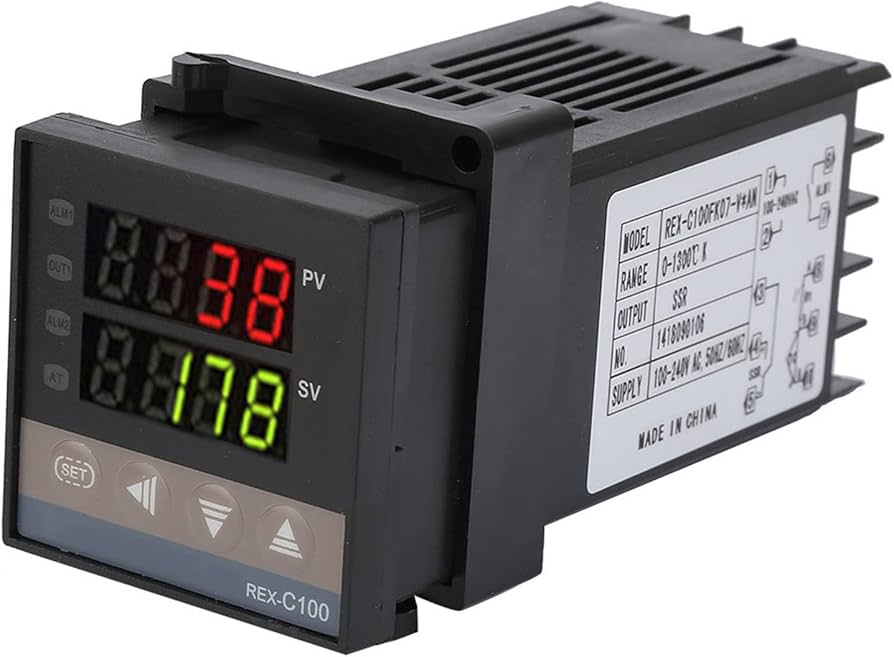
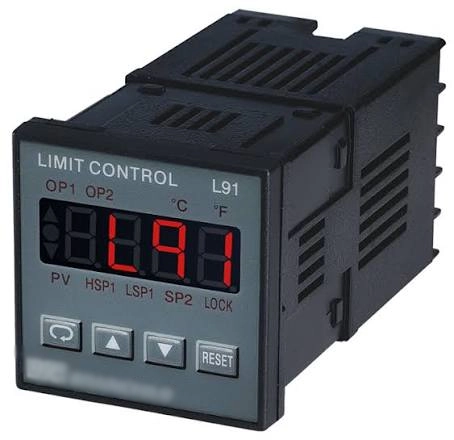
PID control becomes valuable when a process requires consistent temperatures over extended operating periods. A controller continuously compares the process value with the target setting. Proportional action increases output when the temperature moves away from the target. Integral action compensates for steady deviations that proportional control cannot eliminate. Derivative action can reduce overshoot during rapid temperature changes. Thermal systems with heavy loads often require slower tuning than small heating chambers. Fast heaters may require shorter control cycles and careful output adjustment. Automatic tuning can provide a useful starting point for parameter selection. Engineers should still verify tuning under actual production conditions. Material load, airflow, insulation, and heater placement can change thermal behavior significantly. Good tuning reduces oscillation while maintaining responsive correction. The result is tighter temperature control and more predictable process performance.
Why Sensor Compatibility Matters For Industrial Applications
Sensor selection determines the quality of the temperature signal entering the controller. Common industrial options include thermocouples and resistance temperature detectors. Type K thermocouples suit many general high-temperature applications. Type J thermocouples work well across several moderate-temperature processes. Pt100 RTDs provide strong accuracy and repeatability at lower temperature ranges. Engineers must also check sensor wiring requirements and allowable measurement ranges. Three-wire RTDs can compensate for lead resistance more effectively than two-wire connections. Four-wire RTDs can provide even higher measurement accuracy in demanding applications. Thermocouple systems require suitable extension or compensation cables. Incorrect sensor matching can create measurement errors that PID tuning cannot correct. Industrial temperature controller features should therefore include suitable input compatibility for the selected sensor. Input isolation can also reduce interference between measurement circuits and other electrical equipment.
Which Inputs And Outputs Support Industrial Integration
Industrial controllers need suitable interfaces for both measurement and load control. Input options can include thermocouples, RTDs, analog voltage, and analog current signals. Output selection depends heavily on the controlled electrical load. Relay outputs suit simple switching duties with relatively low switching frequency. SSR outputs support faster cycling for resistive heating applications. Analog outputs can control compatible power regulators or other modulating devices. Engineers should check voltage, current, switching frequency, and load characteristics before selection. Output capacity must match the connected device without exceeding electrical limits. A controller with flexible interfaces can support different production configurations. Communication ports can further connect the controller with supervisory equipment. RS-485 commonly supports industrial communication over practical cable distances. Modbus RTU can transfer process values, settings, alarms, and operating status.
| Control Function | Common Option | Primary Purpose | Selection Point |
|---|---|---|---|
| Temperature Input | Type K, Type J, Pt100 | Process measurement | Sensor range and accuracy |
| Control Mode | ON/OFF, PID | Temperature regulation | Thermal inertia |
| Output | Relay, SSR, Analog | Load control | Load type and switching rate |
| Alarm | High, Low, Deviation | Abnormal condition warning | Process risk |
| Communication | RS-485, Modbus RTU | Remote monitoring | System compatibility |
How Alarm Functions Protect Industrial Processes
Temperature alarms provide an important layer of operational protection. High-limit alarms can warn operators when temperatures exceed defined boundaries. Low-limit alarms can identify insufficient heating or unexpected cooling. Deviation alarms compare actual temperature against a configured target range. Sensor fault alarms can identify broken wires or abnormal input signals. Alarm hysteresis prevents repeated switching when temperature remains near a threshold. Adjustable delay functions can reduce nuisance alarms during normal startup conditions. Some systems use relay outputs to trigger external indicators or safety circuits. Operators should define alarm values according to the actual process limits. Critical applications may also require independent over-temperature protection. A controller alarm should not replace a dedicated safety device when regulations demand independent protection. Industrial temperature controller features become more valuable when alarm functions integrate clearly with the wider protection strategy.
What Display And Interface Functions Improve Operation
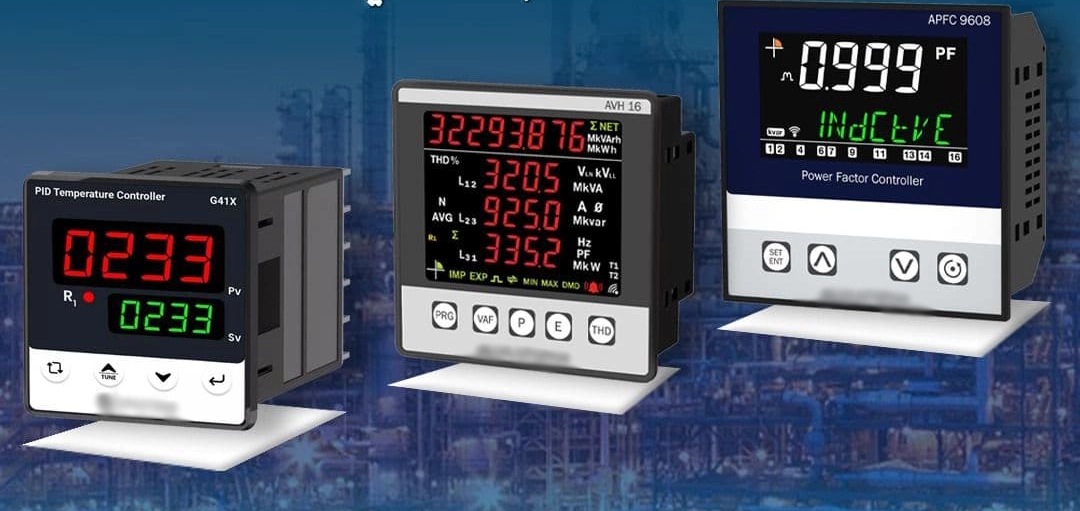
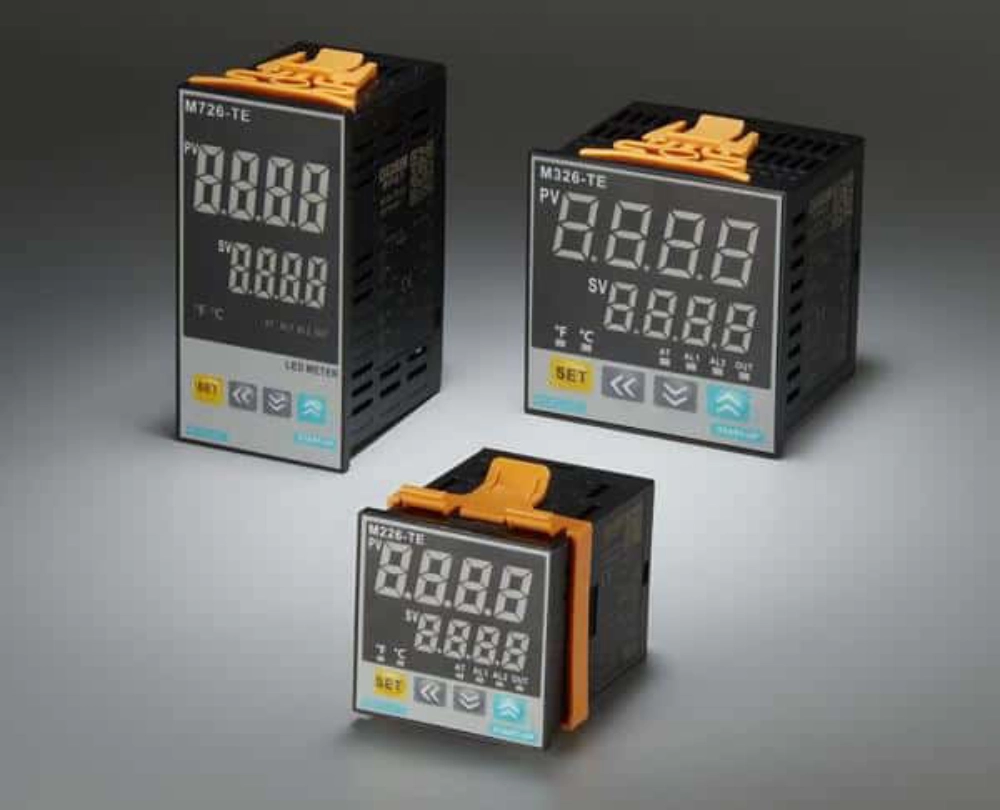
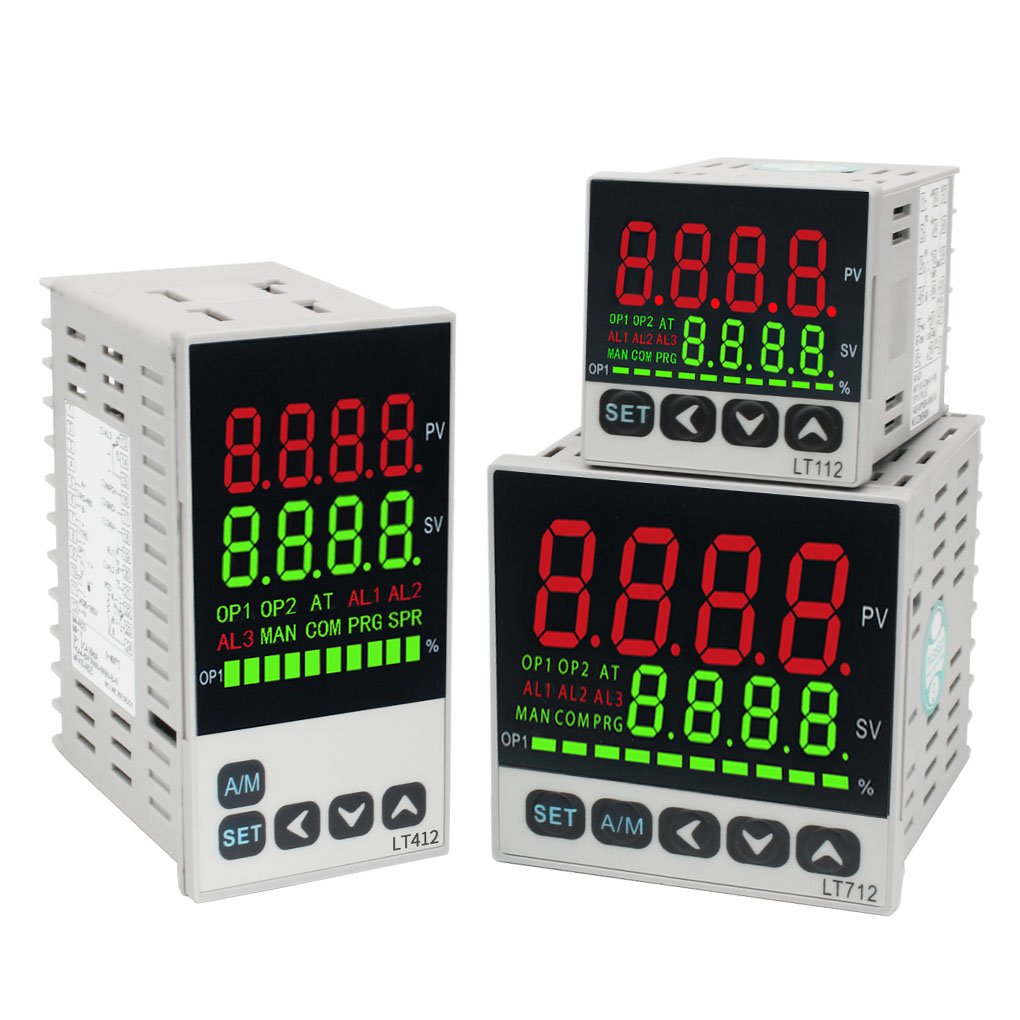
A clear interface helps operators make accurate adjustments during busy production cycles. Most industrial controllers display both the process value and target value. Additional indicators can show output activity, alarm status, and operating mode. Bright digital displays improve visibility around machinery and production equipment. Simple parameter structures reduce the chance of accidental setting changes. Key-lock functions can prevent unauthorized adjustments to critical parameters. Some controllers provide separate displays for measured temperature and target temperature. Operators can then compare both values without switching screens. Menu structures should also provide clear access to tuning and alarm settings. Industrial temperature controller features should support quick verification without creating unnecessary configuration steps. A practical interface reduces operator errors and speeds up routine checks. These benefits become especially important when several controllers operate within the same production area.
How Environmental Conditions Affect Controller Selection
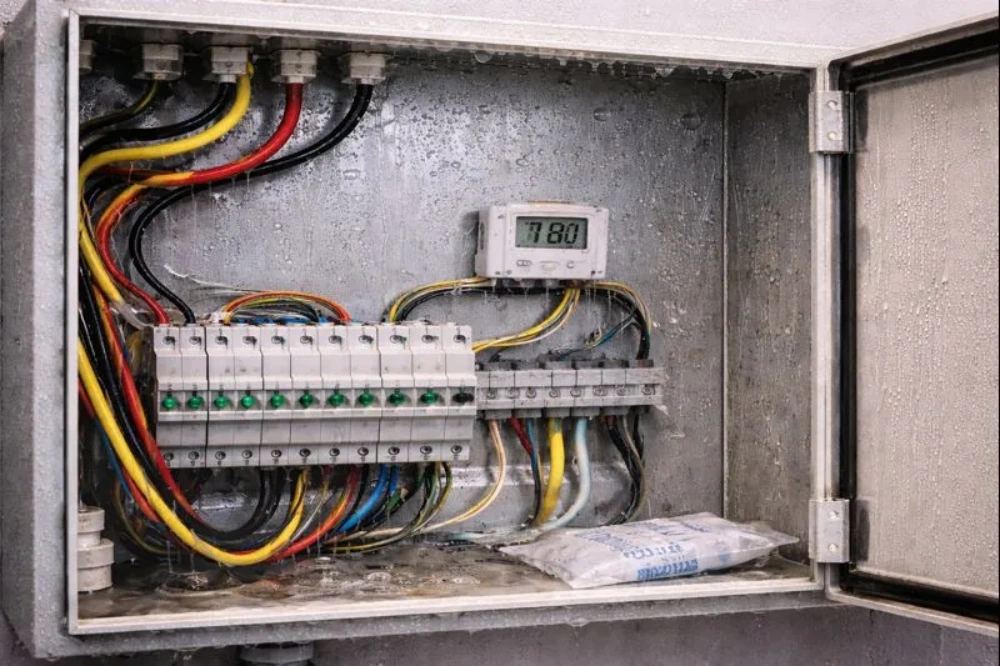
Industrial environments can expose electronic controllers to heat, humidity, dust, vibration, and electrical interference. Control cabinets may experience elevated internal temperatures during continuous operation. Excessive heat can shorten component life and affect measurement stability. Proper cabinet ventilation or thermal management can help maintain suitable operating conditions. Humidity can also create problems when condensation reaches sensitive electronic components. Dust accumulation may reduce cooling efficiency and increase contamination risks. Electrical noise from motors, contactors, and switching equipment can disturb low-level sensor signals. Shielded cables and appropriate grounding practices can reduce unwanted interference. A Temperature Controller for Dry type Transformer may require stable sensing and dependable operation around electrical equipment. Engineers should evaluate the controller's operating temperature and installation requirements before deployment. Mounting depth, terminal clearance, and enclosure design also affect practical installation. Environmental compatibility should therefore form part of the initial specification process.
Which Communication Functions Support Centralized Monitoring
Communication functions become important when temperature control forms part of a larger automation system. RS-485 provides a common physical interface for connecting multiple industrial devices. Modbus RTU can allow a supervisory system to read process temperatures and target settings. Operators may also monitor alarms, output states, and selected configuration values. Centralized monitoring reduces the need for frequent local checks. It can also help identify abnormal temperature trends before they create larger process problems. Communication settings typically include device addresses, baud rates, parity, and communication timing. Incorrect settings can prevent reliable data exchange even when the hardware matches. Engineers should confirm protocol support on both the controller and host system. An HK Temperature and Humidity Controller for Cabinets can also suit applications requiring environmental monitoring inside electrical enclosures. Communication planning should consider cable routing, network topology, and electromagnetic interference.
| Application Requirement | Recommended Function | Operational Value |
|---|---|---|
| Stable heating | PID control | Reduced temperature fluctuation |
| Fast load changes | Adjustable PID tuning | Faster recovery |
| Abnormal temperature | Configurable alarms | Earlier operator response |
| Remote supervision | RS-485 and Modbus RTU | Centralized data access |
| Electrical cabinet use | Suitable environmental protection | More reliable operation |
How Installation And Wiring Affect Control Performance
Installation quality can directly influence temperature measurement and control stability. Sensor cables should remain separated from high-power wiring whenever practical. Motors, contactors, and switching devices can generate electromagnetic interference near measurement circuits. Shielded sensor cables can help reduce noise in suitable installations. Engineers should follow the sensor manufacturer's wiring requirements for each input type. Thermocouple systems require correct polarity and compatible extension wiring. RTD installations need appropriate lead configurations to reduce resistance-related errors. Power wiring should also match the controller's specified supply requirements. Output terminals require suitable conductors and secure connections for the connected load. Poor terminal connections can create heat, intermittent operation, or unexpected shutdowns. Grounding practices should follow the electrical design of the complete control cabinet. Careful wiring allows the controller to receive cleaner signals and deliver more predictable control output.
How To Match Controller Specifications With The Process
Selecting a controller should begin with the process rather than the product catalog. Engineers should define the required temperature range and target accuracy first. Next, they should identify the sensor type and required measurement resolution. Heating equipment determines the appropriate output method and switching requirements. Thermal inertia affects the preferred control strategy and PID tuning approach. Alarm requirements should reflect actual process risks and operating boundaries. Communication needs depend on whether the controller operates independently or within an automation network. Installation conditions also determine enclosure requirements, power supply options, and mounting arrangements. A useful selection checklist includes:
- Confirm the temperature range and target accuracy.
- Match the controller input with the selected sensor.
- Select an output that suits the heating load.
- Check alarm requirements and safety functions.
- Verify communication protocol compatibility.
- Confirm cabinet space and electrical supply requirements.
These checks help prevent mismatched specifications during equipment selection. They also create a clearer basis for comparing different controller models. A technically suitable controller should provide stable performance throughout the intended operating cycle. Cost should remain important, but it should follow functional suitability rather than replace it.
Which Specifications Matter Most During Final Selection
The most suitable controller balances measurement accuracy, control performance, interfaces, safety functions, and environmental compatibility. Buyers should avoid selecting equipment from temperature range alone. Two controllers may share the same range while offering very different control capabilities. Sensor compatibility can determine whether the controller produces reliable process measurements. Output design can determine whether the connected heater receives suitable switching control. Alarm functions can affect both production continuity and equipment protection. Communication capability becomes important when several control points require centralized supervision. Installation dimensions can also matter when existing cabinets provide limited mounting space. Industrial temperature controller features should therefore be evaluated as an integrated specification set.
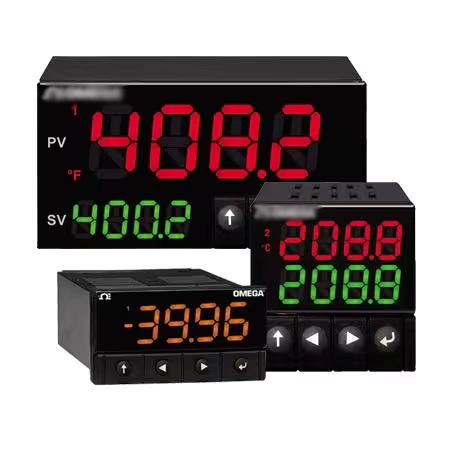
A controller that fits the process can reduce tuning work and operating instability. Careful comparison also makes future maintenance and system expansion easier. The final choice should reflect current requirements while leaving reasonable room for process changes.
FAQ
How Do You Choose the Right Temperature Controller Supplier?
Choosing the right temperature controller supplier requires more than comparing product prices. Evaluate manufacturing experience, product specifications, quality control, customization capability, and production consistency. A reliable supplier should provide clear information about sensor inputs, control accuracy, output options, alarms, communication protocols, and operating conditions. Certification and quality management practices can also indicate stronger production discipline. Ask whether the supplier supports OEM or ODM requirements when customized controllers are needed. Sample testing can verify temperature accuracy, response behavior, wiring compatibility, and interface performance before larger orders. Production capacity also matters when stable supply is essential for ongoing projects. Finally, assess technical support, communication efficiency, lead times, packaging, and after-sales service. A supplier that combines technical capability with dependable delivery can reduce sourcing risks and support long-term purchasing needs.
Can One Temperature Controller Support Different Sensor Types?
Many industrial controllers support multiple sensor types through configurable inputs. Common choices include Type K, Type J, other thermocouples, and Pt100 RTDs. However, compatibility depends on the specific controller hardware and firmware. Users should verify the supported sensor list before installation. Input range also matters because every sensor has practical measurement limits. RTD wiring requirements can differ from thermocouple connections. Three-wire and four-wire RTD configurations can provide better compensation than simple two-wire connections. Thermocouples may require compatible compensation wiring for accurate measurements. Some controllers allow operators to select the sensor type through configuration menus. Others use dedicated input versions for specific sensors. Checking these details before purchase can prevent inaccurate readings and unnecessary replacement work.
How Should Businesses Choose The Right Temperature Controller?
Selection should start with the actual process requirements and operating environment. First, define the temperature range, target accuracy, and acceptable fluctuation. Next, identify the required sensor and confirm compatible input specifications. Then evaluate the heating load and choose an appropriate output type. PID tuning capability matters when the process has significant thermal inertia or strict stability requirements. Alarm functions should match potential temperature-related risks. Communication features become important when the controller connects with PLC, HMI, or supervisory systems. Installation dimensions and environmental conditions should also receive attention. Buyers should compare the complete specification rather than focusing on one attractive feature. A balanced selection can provide stable operation, easier maintenance, and better long-term process consistency.