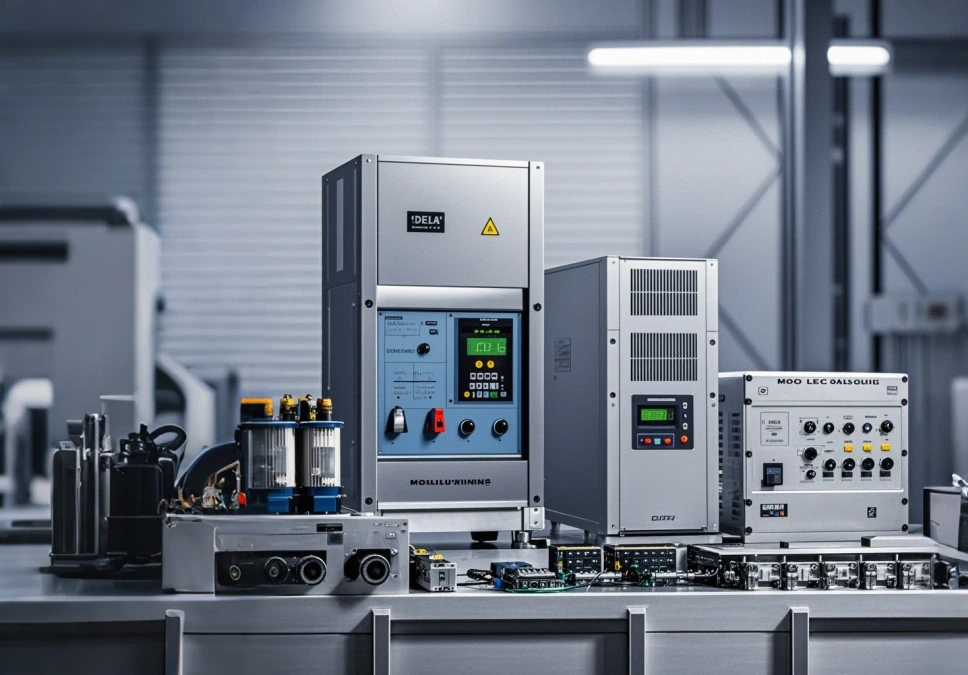
What Features Matter In An Electrical Enclosure Dehumidifier?
Electrical enclosure dehumidifier features include humidity control, heating, sensor accuracy, capacity, and reliable moisture protection.
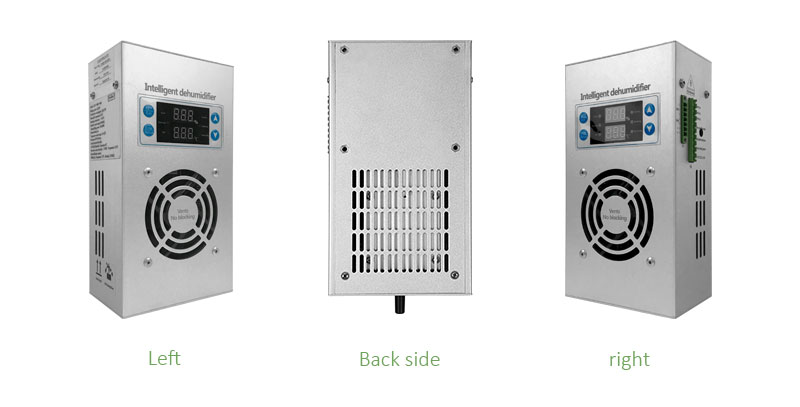
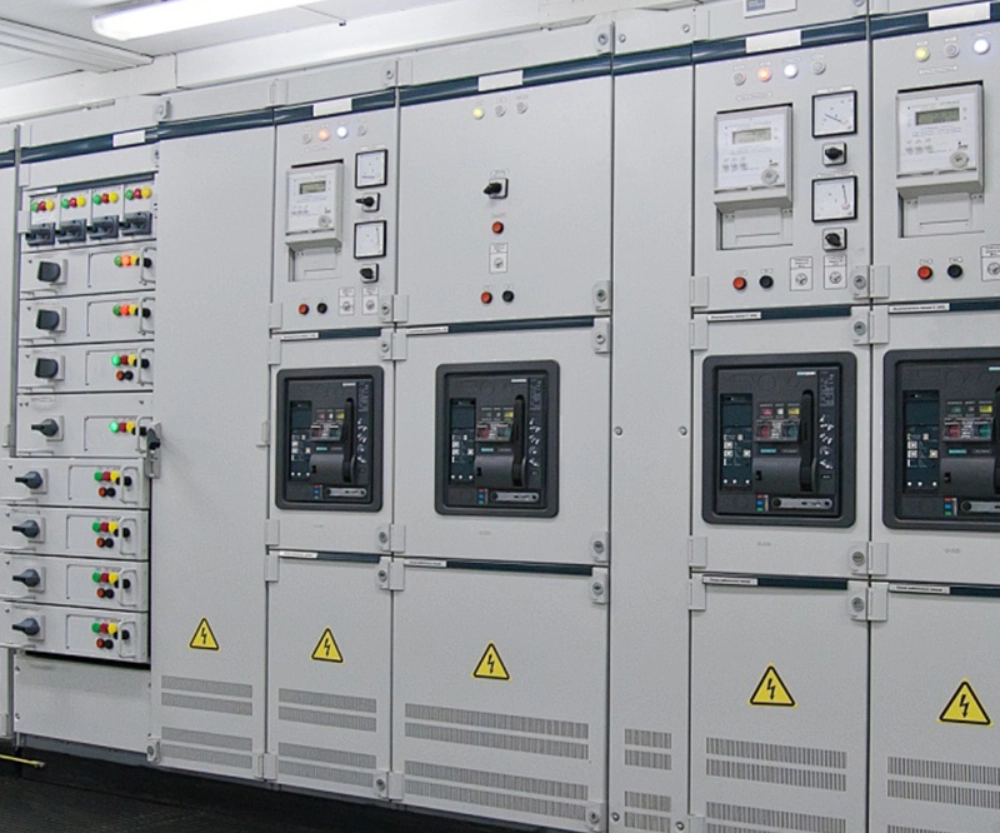
Moisture control inside electrical cabinets directly affects insulation, terminals, relays, and electronic modules. An electrical enclosure dehumidifier can reduce condensation when cabinet surfaces fall below the dew point. Industrial cabinets often face sharp temperature changes during shutdowns and restarts. Outdoor switchgear faces additional moisture from rain, fog, and humid air. Indoor control panels can also collect water when cold rooms meet warm equipment. Engineers should therefore assess moisture control as part of cabinet protection. The correct solution depends on cabinet volume, sealing, temperature range, and moisture load. Poor sizing may leave cold surfaces vulnerable during critical periods. Excessive capacity can also increase energy use without improving protection. Procurement teams should evaluate the complete moisture-control system rather than one specification alone.
Why Moisture Control Matters Inside An Electrical Enclosure Dehumidifier
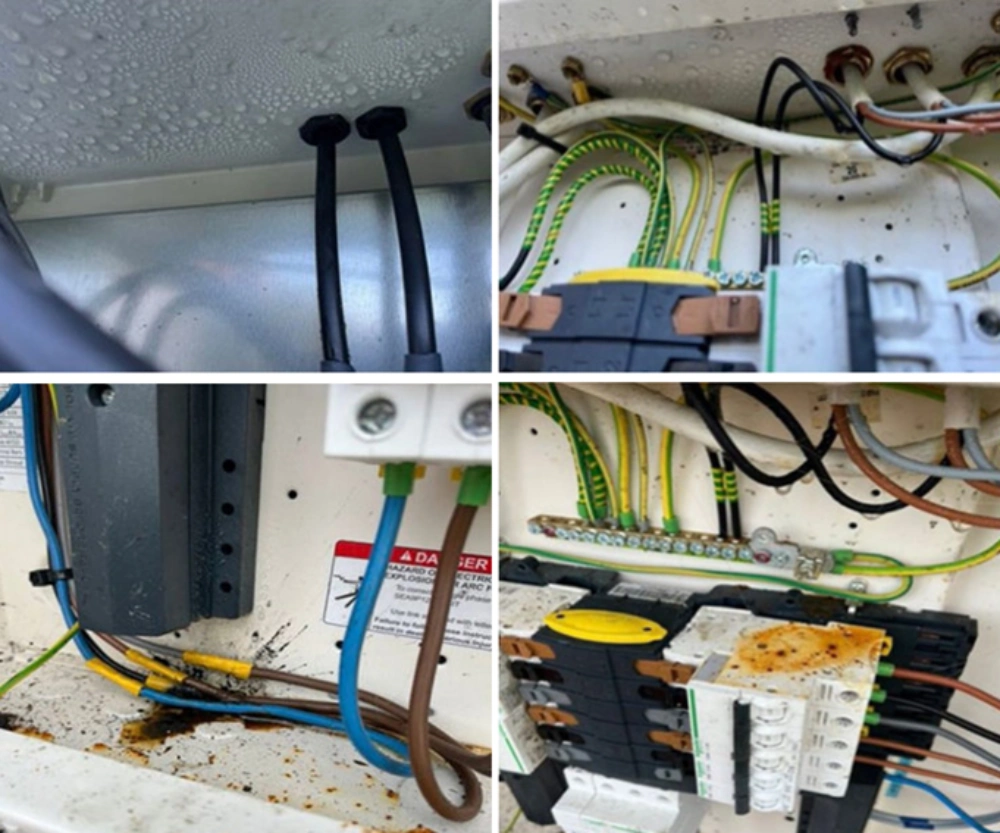
Condensation creates risks that extend beyond visible water droplets. Moisture can lower surface insulation resistance across terminals and conductive parts. Corrosion can also increase contact resistance at copper and plated connection points. Over time, oxidation may weaken electrical connections and create localized heating. Printed circuit boards face additional risks when moisture combines with dust or chemical contaminants. Outdoor cabinets experience these conditions more frequently because temperature changes occur throughout the day. Nighttime cooling can push metal surfaces below the surrounding air's dew point. Morning warming then produces repeated thermal cycles inside the same enclosure. A moisture-control system should interrupt this cycle before droplets accumulate. Engineers should also inspect cable glands, door seals, and ventilation openings. These entry points often determine how much moisture reaches sensitive components.
How Does An Electrical Enclosure Dehumidifier Prevent Condensation?
Condensation begins when a surface temperature falls below the surrounding air's dew point. Relative humidity alone cannot predict this event accurately. For example, air at high humidity may remain clear while cabinet surfaces stay warm. After shutdown, internal metal parts can cool rapidly and reach the dew point. Water then forms on busbars, terminals, mounting plates, and insulation supports. A properly selected electrical enclosure dehumidifier helps control moisture before this stage. Some systems remove moisture directly from cabinet air. Other designs combine humidity sensing with controlled heating. Heating raises surface temperature and reduces the chance of condensation. The controller can then limit operation when conditions remain safe. Engineers should evaluate dew-point behavior during both normal operation and shutdown periods. This approach provides stronger protection than selecting equipment from humidity percentage alone.
What Dehumidification Capacity Should Buyers Specify?
Capacity selection should start with cabinet dimensions and environmental exposure. A small sealed control box has a different moisture load from outdoor switchgear. Cabinet volume determines how much air the device must condition. Sealing quality determines how quickly humid air enters after treatment. Frequent door opening can also introduce substantial moisture during maintenance work. Cable entries create another path when glands do not seal correctly. Temperature differences increase condensation risk even when average humidity appears moderate. Buyers should therefore provide suppliers with cabinet size and operating conditions. They should also specify minimum and maximum ambient temperatures. Continuous operation may require different control settings than intermittent operation. Engineers should compare rated performance under realistic conditions rather than laboratory assumptions. Correct capacity should maintain stable conditions without unnecessary energy consumption or excessive cycling.
Which Temperature And Humidity Controls Improve Reliability?
Control quality strongly affects the performance of cabinet moisture protection. A humidity sensor measures moisture conditions inside the enclosure. A temperature sensor provides additional information for evaluating condensation risk. Advanced controllers can use both measurements to manage heating or dehumidification. This approach prevents unnecessary operation during already safe conditions. Sensor placement also matters because temperature varies inside larger cabinets. Sensors placed beside heaters may record misleadingly high temperatures. Sensors positioned near cabinet doors may also miss conditions around colder internal components. A reliable system should therefore monitor a representative location. Control settings should account for equipment heat, ambient temperature, and expected shutdown cycles. Stable control reduces rapid switching between heating and moisture removal. For industrial procurement, sensor accuracy and controller response should receive the same attention as rated power.
How Should Buyers Evaluate Heating And Anti-Condensation Functions?
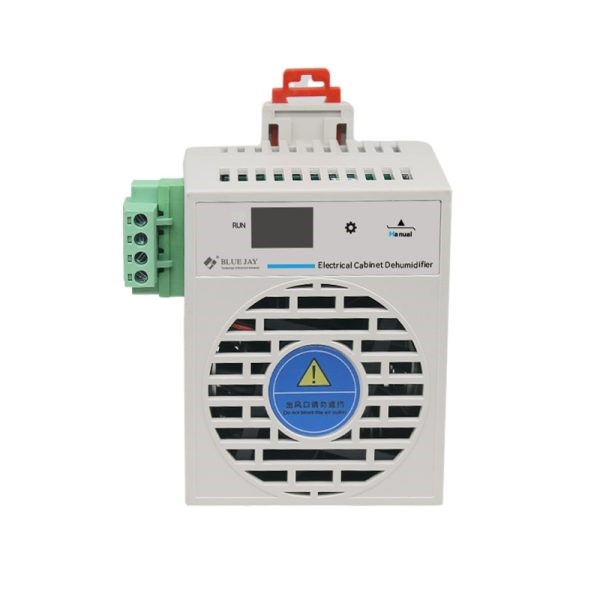
Heating provides an important secondary defense when metal surfaces cool quickly. A heater does not remove moisture from cabinet air. Instead, it raises internal surface temperatures above the condensation threshold. This distinction matters when engineers evaluate complete moisture-control systems. A well-designed system can combine heating with humidity-based control. During cold shutdowns, controlled heating may prevent water from forming on conductive parts. Excessive heating, however, can increase component stress and energy consumption. Uneven heat distribution can also create hot spots near sensitive electronics. Aluminum housings can distribute heat effectively when the design supports suitable thermal transfer. The selected heater should match cabinet volume and expected temperature conditions. Installation clearance must also prevent contact with insulation or heat-sensitive materials. Procurement teams should review both heating output and control strategy before approving a solution.
What Enclosure Conditions Affect Dehumidifier Performance?
Cabinet construction can significantly change moisture behavior. Higher ingress protection usually reduces uncontrolled moisture entry through doors and cable openings. However, a sealed cabinet can still contain trapped humid air after assembly or maintenance. Poor door gaskets may allow repeated air exchange during pressure changes. Unsealed cable glands create another persistent moisture pathway. Ventilation systems can introduce humid air when they operate without suitable environmental control. Internal heat sources can create temperature gradients between upper and lower cabinet areas. These gradients may produce localized condensation on colder metal surfaces. An electrical enclosure dehumidifier works best when engineers address these structural factors first. The system should support the cabinet rather than compensate for major sealing defects. Field inspections should include gasket compression, gland tightness, drainage paths, and mounting conditions. Such checks often reveal problems that specifications alone cannot identify.
Which Installation Details Matter Inside A Control Cabinet?
Installation position influences air movement, sensor accuracy, and maintenance access. The device should have sufficient clearance around air intake and outlet areas. Restricted airflow can reduce performance and create unnecessary operating cycles. Large cabinets may require placement near areas with greater moisture exposure. Sensors should remain away from direct heater airflow. This prevents false readings caused by localized temperature increases. Wiring should also follow the manufacturer's electrical requirements and cabinet routing practices. Engineers should keep service access clear around terminals and control components. The installation should not interfere with circuit breakers, busbars, or cable ducts. In compact cabinets, component arrangement becomes especially important. A crowded layout can create stagnant air zones behind equipment. These zones may remain cooler than the surrounding cabinet atmosphere. Practical installation planning therefore supports consistent moisture control across the entire enclosure.
What Does A Real Switchgear Moisture Case Reveal?
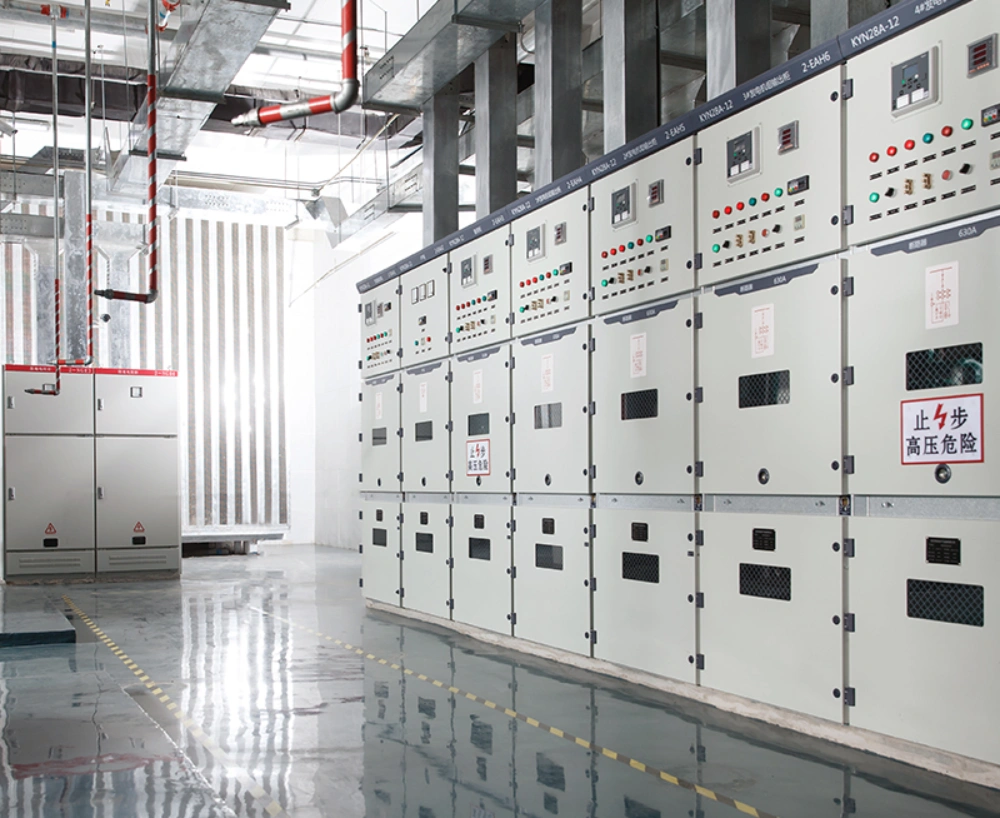
A practical switchgear case shows why condensation control requires more than basic sealing. One industrial installation experienced moisture marks inside medium-voltage switchgear during early morning inspections. The equipment operated normally during warmer daytime periods. Overnight cooling lowered internal metal temperatures after the electrical load decreased. Technicians found condensation near mounting hardware and terminal areas. Inspection also identified cable-entry points that allowed humid air to enter. The team improved sealing and installed controlled moisture protection. They then monitored temperature and humidity during overnight shutdowns. Measurements showed that the critical period occurred before morning startup. The moisture-control system reduced the conditions that produced surface condensation. Follow-up inspections showed fewer moisture traces around internal metalwork. This case demonstrates a common field pattern. The root problem involved temperature cycling, moisture entry, and cold surfaces rather than humidity alone.
How Can Buyers Compare Electrical Enclosure Dehumidifier Specifications?
Technical specifications become more useful when buyers compare them against actual cabinet conditions. The following table highlights parameters that commonly influence industrial selection.
| Parameter | What To Check | Why It Matters |
|---|---|---|
| Cabinet Volume | Internal dimensions | Determines required treatment capacity |
| Humidity Range | Expected operating humidity | Defines moisture-control demand |
| Temperature Range | Minimum and maximum conditions | Indicates condensation exposure |
| Control Method | Humidity, temperature, or combined control | Influences operating stability |
| Heating Output | Rated thermal power | Supports anti-condensation protection |
| Installation Type | Internal mounting requirements | Affects space and airflow |
What Features Should A Procurement Checklist Include?
A procurement checklist helps engineering and purchasing teams evaluate the same requirements. The most useful checks include:
- Cabinet volume and internal layout
- Minimum and maximum ambient temperature
- Expected relative humidity
- Dew-point exposure during shutdown
- Required heating or moisture-removal capacity
- Sensor accuracy and control range
- Electrical voltage and power consumption
- Mounting dimensions and clearance
- Cable entry and sealing conditions
- Maintenance access and replacement requirements
- Factory inspection and testing records
Each item can influence actual field performance. Cabinet dimensions determine the available internal space and treatment requirement. Temperature data reveals when condensation risk becomes highest. Humidity data helps suppliers estimate the moisture load. Electrical information prevents mismatched power requirements. Installation details reduce interference with existing components. Maintenance information affects long-term operating costs. Buyers should also request sample testing when the application has unusual environmental conditions. A short evaluation can reveal airflow, control, and mounting issues before mass procurement. This process gives engineering teams measurable criteria for supplier comparison. It also reduces the chance of selecting equipment from price alone.
How Do Material And Component Choices Affect Service Life?
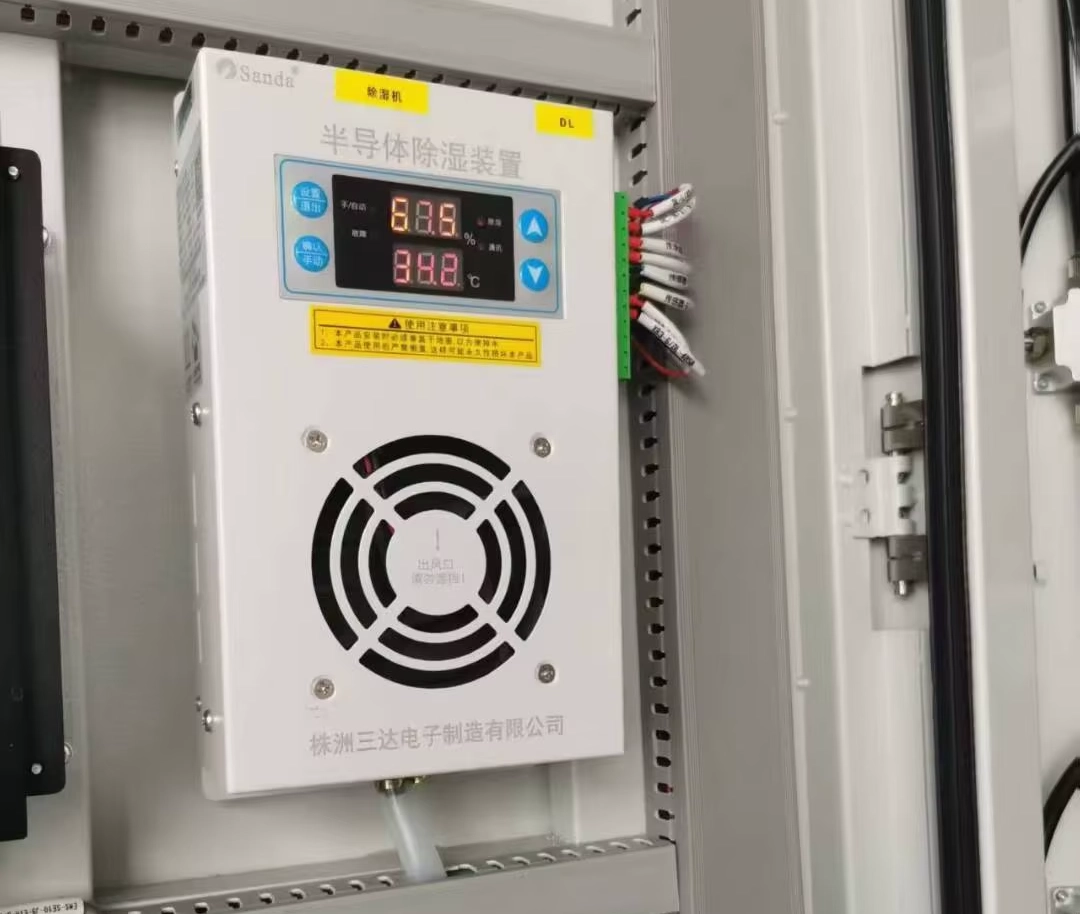
Material selection directly affects durability in humid electrical environments. Aluminum alloy housings can provide useful mechanical strength with relatively low weight. They also support effective heat transfer around internal thermal components. Sensors require stable performance because inaccurate readings can trigger poor control decisions. Terminals need suitable insulation and corrosion resistance for long-term cabinet exposure. Heating elements must tolerate repeated thermal cycling without unstable output. Internal wiring should also withstand the expected temperature range and operating environment. One industrial option is the Aluminum Alloy Housing Electrical Cabinet Dehumidifier.
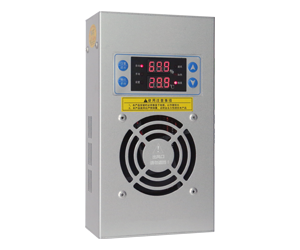
Its housing material can support robust cabinet integration when dimensions and thermal requirements match.Engineers should still evaluate the complete assembly rather than housing material alone. Component quality, wiring design, insulation, and thermal management all influence service life. Procurement teams should request material information and inspection records for critical production batches.
How Should B2B Buyers Verify Supplier Quality Before Ordering?
Supplier verification should focus on repeatability rather than attractive samples alone. Buyers should request drawings, electrical specifications, installation dimensions, and control parameters. Production samples should match the approved specifications before bulk manufacturing begins. Quality teams can verify dimensions, wiring, power consumption, and operating response. Environmental testing becomes useful when cabinets face high humidity or large temperature swings. A CSL 7100S Electrical Cabinet Dehumidifier can serve as a reference product during specification comparisons. Buyers should confirm whether supplier documentation covers the exact production configuration. Factory capability also matters when large projects require consistent batch performance. Inspection records should identify critical tests and acceptance criteria. Suppliers should explain how they control component changes during production. OEM projects require additional approval because design changes can affect thermal and electrical performance. A reliable procurement process therefore combines technical review, sample approval, production inspection, and traceability.
Why Is Long-Term Moisture Control Important For Electrical Cabinets?
Long-term moisture protection supports electrical reliability, maintenance efficiency, and equipment service life. Condensation can gradually damage connections even when no immediate failure occurs. Repeated corrosion may increase resistance and create unstable electrical behavior. Moisture can also degrade insulation surfaces and sensitive electronic assemblies.Effective cabinet protection should therefore address both moisture entry and internal condensation. An electrical enclosure dehumidifier becomes more valuable when paired with proper sealing and temperature control.Engineers should evaluate real operating cycles instead of relying only on average climate data.Shutdown periods deserve particular attention because internal temperatures can change quickly. Maintenance teams should inspect moisture indicators, seals, wiring, and mounting conditions periodically. Procurement teams should also retain approved specifications for future replacement orders. Consistent documentation helps prevent unsuitable substitutions during equipment maintenance. The strongest solution combines suitable capacity, accurate control, appropriate materials, and practical installation. This approach supports dependable cabinet operation across demanding industrial environments.
FAQ
How Does An Enclosure Dehumidifier Work?
A cabinet dehumidification system controls moisture inside an electrical enclosure. Depending on its design, it can remove moisture or reduce condensation risk through controlled heating. Sensors monitor humidity, temperature, or both conditions. The controller then activates the required function according to preset thresholds. Condensation occurs when a cold cabinet surface reaches the air's dew point. Moisture control aims to prevent that surface condition. Proper installation also matters because airflow affects internal temperature distribution. Sealing problems can introduce new humid air continuously. Engineers should therefore treat moisture control as part of the complete enclosure design. Cabinet volume, ambient temperature, humidity, and shutdown behavior should guide equipment selection.
Where Should A Cabinet Dehumidifier Be Installed?
Installation should provide adequate airflow and convenient service access. The device should not sit directly beside temperature-sensitive electronic components. Sensors should monitor representative cabinet conditions rather than localized hot or cold zones. Direct heater airflow can distort sensor readings and cause incorrect control decisions. Larger cabinets may require placement near areas with greater condensation exposure. Engineers should also consider cable ducts, breakers, busbars, and mounting rails. These components should not block the unit's airflow path. Wiring must follow the specified voltage and protection requirements. Maintenance personnel should have enough space to inspect terminals and replace components. Before final installation, teams should review cabinet drawings and internal heat sources. Proper placement improves control stability and helps prevent localized moisture problems.
How Do You Choose The Right Dehumidifier Capacity?
Capacity selection should consider cabinet volume, humidity, temperature range, sealing quality, and moisture entry. Larger cabinets generally require greater treatment capacity than compact control boxes. However, volume alone does not determine the correct specification. Outdoor exposure can create a much higher moisture load than a sealed indoor cabinet. Frequent door opening can also introduce humid air during maintenance. Temperature cycling creates another important factor because cold surfaces can reach the dew point quickly. Buyers should provide suppliers with realistic environmental data. Shutdown conditions deserve particular attention because equipment heat disappears after power-off. Engineers should compare rated performance with the actual application conditions. A correctly selected system should maintain stable conditions without excessive energy use. Supplier testing data can help confirm whether the proposed capacity fits the installation.