What Features Should A Disconnect Switch Lock Have?
Key design, material, locking, safety, and installation factors make a disconnect switch lock reliable for secure electrical isolation.
Why Does A Disconnect Switch Lock Need Secure Mechanical Design?
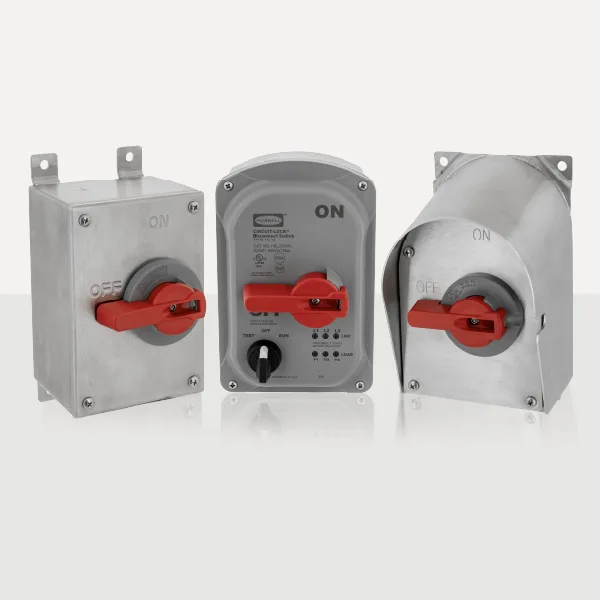
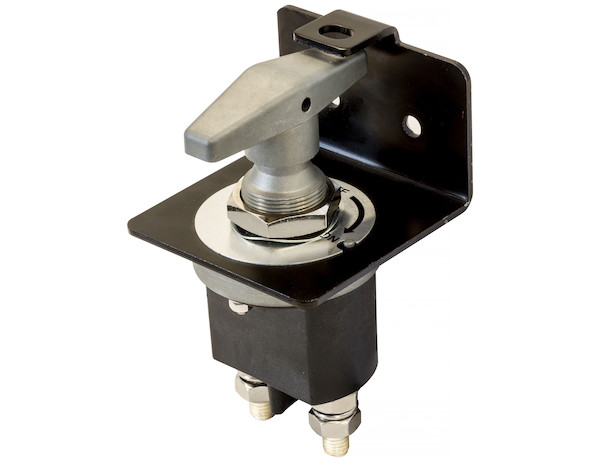
A disconnect switch lock needs a mechanically stable structure because isolation depends on keeping the switch in its intended position. A weak locking point can shift when operators handle nearby equipment. Strong components should resist bending, twisting, and repeated loading during routine maintenance. The locking interface also needs accurate dimensions for consistent engagement with the switch handle. Poor alignment can create partial engagement, making the device easier to disturb. A reliable design keeps the locked position stable without excessive operator force. Smooth movement also helps reduce damage during repeated use. Manufacturers should consider wear at pivot points, retaining pins, and contact surfaces. These details determine whether the lock continues to perform after many operating cycles. Mechanical stability therefore forms the foundation for dependable isolation during industrial maintenance.
How Does Material Selection Affect Long-Term Durability?
Material selection directly affects mechanical strength, corrosion resistance, temperature performance, and service life. Stainless steel offers strong resistance to moisture and many industrial contaminants. Reinforced engineering polymers can reduce weight while providing useful electrical insulation around exposed areas. Material choice should match the installation environment rather than rely on appearance alone. Outdoor equipment may face rain, condensation, ultraviolet exposure, and temperature cycling. Indoor industrial cabinets may introduce dust, oils, cleaning chemicals, or process vapors. Surface treatments can further improve resistance to corrosion and abrasion. However, coatings cannot compensate for an unsuitable base material. Buyers should review the material specification, operating temperature range, and environmental exposure before selection. A suitable combination of material and finish helps maintain reliable mechanical movement throughout repeated maintenance operations.
Which Locking Mechanism Provides Reliable Position Control?
A reliable locking mechanism should hold the switch handle firmly in the required position. The mechanism needs enough mechanical engagement to resist accidental movement from vibration or contact. Locking holes, clamps, brackets, or dedicated handle interfaces can provide different approaches. Each method has advantages depending on switch geometry and available clearance. A rigid interface usually provides better positional stability than a loose attachment. Operators should also confirm that the mechanism cannot disengage during normal equipment handling. Multiple locking points can support shared maintenance procedures when several authorized workers need individual locks. The mechanism should remain intuitive, so operators can confirm proper engagement without excessive manipulation. Consistent engagement reduces the chance of incomplete isolation caused by installation errors or incompatible hardware. Proper mechanical positioning therefore supports safer and more repeatable maintenance operations.
What Dimensions Determine Equipment Compatibility?
Compatibility depends on more than the overall size of the locking device. Operators should measure handle thickness, locking-hole diameter, hole spacing, mounting geometry, and available clearance. The switch body may also restrict access around the handle. Some handles require a clamp-style interface, while others provide dedicated holes for mechanical locking. Accurate measurements prevent interference with adjacent terminals, enclosure doors, and operating mechanisms. Designers should also consider the lock position when the switch reaches its fully isolated state. Excessive movement can place stress on the attachment point. Insufficient clearance can make installation difficult with gloves or maintenance tools. Product drawings and dimensional specifications provide useful verification before procurement. Compatibility testing on the actual switch remains valuable when equipment geometry varies between manufacturers or product families.
| Compatibility Factor | What to Check | Why It Matters |
|---|---|---|
| Handle thickness | Maximum and minimum supported thickness | Prevents loose or excessive clamping |
| Locking-hole diameter | Hole diameter and lock shackle size | Ensures secure engagement |
| Hole spacing | Center-to-center distance | Supports accurate alignment |
| Operating clearance | Space around the handle | Prevents interference during installation |
| Switch geometry | Handle shape and mounting structure | Confirms physical compatibility |
Why Should Installation Clearance Be Verified Before Selection?
Installation clearance determines whether operators can attach, remove, and inspect the lock without obstruction. Tight cabinet layouts can create problems around handles, cable entries, covers, and adjacent controls. A locking mechanism that fits physically may still prove impractical if workers cannot access it comfortably. Adequate clearance also helps prevent accidental contact with nearby components during maintenance. The required space should account for gloves, padlocks, tags, and normal hand movement. Designers should inspect the switch in both its operating and isolated positions. Door movement deserves attention when the device sits inside an electrical enclosure. A projecting lock can interfere with enclosure closure or create pressure against the door. Careful clearance checks therefore support safer operation and reduce mechanical stress during routine isolation procedures.
How Should Environmental Resistance Influence The Design?
Environmental resistance becomes important when electrical equipment operates outside clean, controlled spaces. Moisture can promote corrosion around metal components and moving joints. Dust may accumulate around interfaces and increase friction during repeated operation. Industrial chemicals can attack certain polymers, coatings, or elastomers. Temperature changes can also alter material dimensions and mechanical behavior. Outdoor installations may add ultraviolet exposure and rain to these stresses. A suitable disconnect switch lock should therefore match the expected environmental conditions. Stainless materials can suit many corrosive locations, while selected polymers may perform well where electrical insulation and low weight matter. Sealed or protected interfaces can reduce contamination around moving areas. Environmental requirements should be defined before purchasing rather than treated as an afterthought after installation. Proper material selection can preserve mechanical performance across demanding service conditions.
Which Safety Features Improve Lockout Reliability?
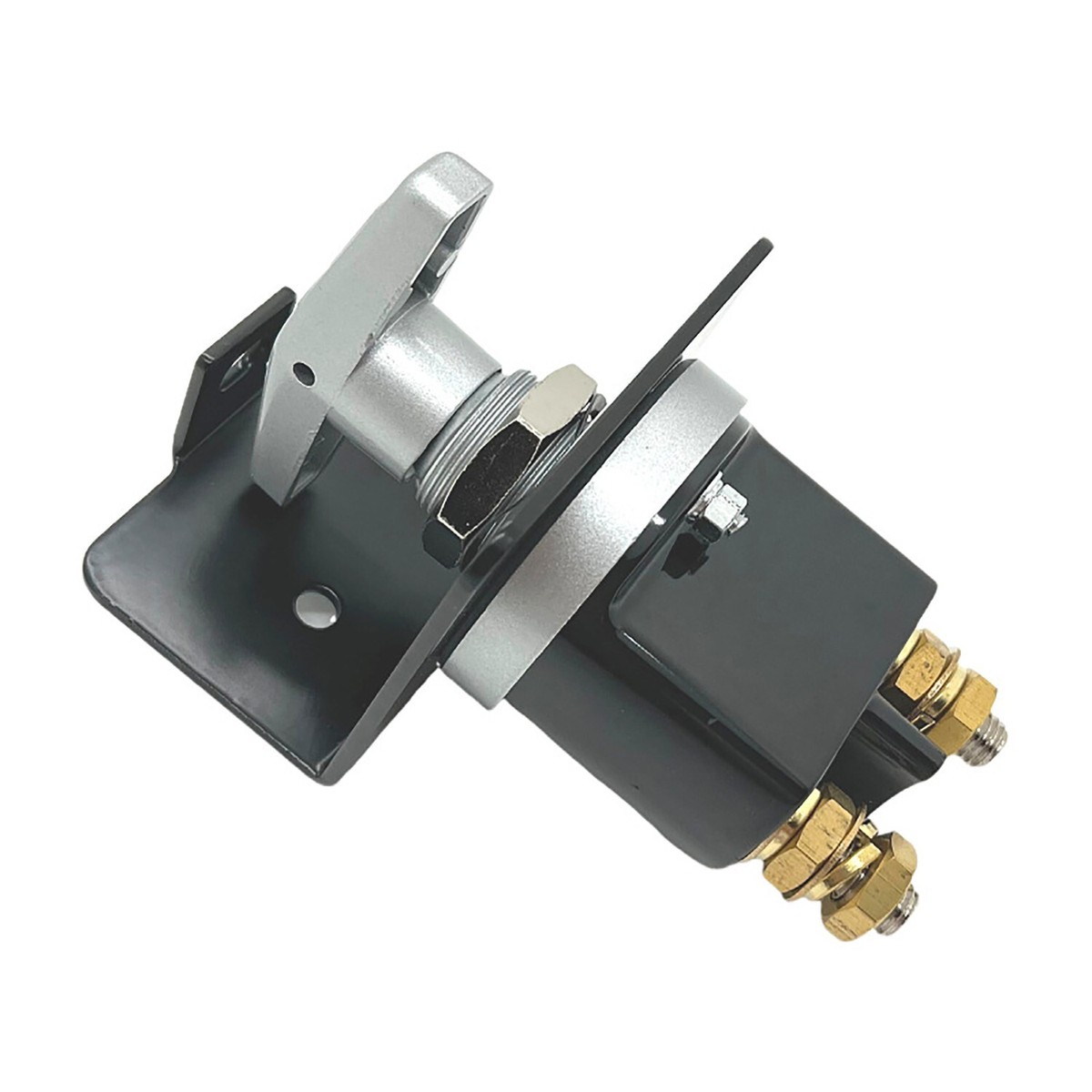
Safety-oriented features should make the locked condition stable, visible, and difficult to disturb accidentally. A clear mechanical position helps operators identify whether the switch remains secured. Durable surfaces can keep identification marks readable after repeated handling. A lockable interface should also accept the intended padlock or accessory without forcing unusual positioning. When multiple workers participate in maintenance, individual locking capability can support controlled access to isolated equipment. The hardware should not encourage bypassing because of difficult installation or removal. A Disconnector Lock can serve specific isolation arrangements when its dimensions match the switch mechanism. Regardless of hardware type, workers still need to follow the site's electrical safety procedure. Mechanical locking supports isolation but does not replace verification of the absence of hazardous energy. These features combine physical control with clearer maintenance practices.
What Should Operators Check Before Installation?
Operators can reduce compatibility problems by checking several practical factors before fitting any locking hardware.
- Switch manufacturer and model
- Handle dimensions and locking points
- Required locked position
- Available cabinet clearance
- Environmental exposure
- Padlock and tag dimensions
- Frequency of operation
- Inspection and replacement requirements
These checks connect the physical design with the actual maintenance environment. Operators should verify the switch model before assuming familiar hardware will fit. Measurements should come from the installed equipment, especially when replacement switches may have different handle dimensions. The locked position also needs confirmation because some switches use different mechanical travel ranges. Environmental exposure determines whether corrosion-resistant materials or protective finishes are necessary. Padlock dimensions matter because a large shackle can interfere with adjacent hardware. Frequent operation may justify smoother movement and stronger wear resistance. A complete pre-installation review reduces rework and helps maintain consistent isolation practices across maintenance activities.
How Does A Disconnect Switch Lock Support Maintenance Procedures?
Maintenance teams need predictable mechanical isolation during servicing, inspection, cleaning, and repair. The locking hardware helps keep the disconnect mechanism in the selected safe position after the operator moves it. Workers should then follow the site's established process for identifying the energy source and verifying isolation. The lock should remain stable while personnel perform authorized work. Its design should also make unauthorized repositioning difficult without removing the assigned lock. Clear physical positioning helps teams distinguish a secured switch from one that merely appears open. Maintenance planners should consider how the device interacts with tags, padlocks, enclosure doors, and nearby controls. These details become especially important during repeated service work. A well-matched locking arrangement supports consistent procedures and reduces opportunities for mechanical interference. Reliable positioning also helps maintenance teams maintain clear control over isolated equipment.
What Design Features Matter During Repeated Industrial Use?
Repeated industrial use exposes locking hardware to cycles of installation, removal, handling, vibration, and environmental stress. Mechanical joints should tolerate these cycles without excessive looseness. Contact surfaces should resist deformation where the lock engages the switch. Fasteners need secure retention so vibration does not gradually reduce clamping force. Operators also benefit from smooth actuation that avoids unnecessary force. A robust design should maintain alignment after repeated cycles rather than require frequent adjustment. Inspection access can improve maintenance because workers can quickly identify cracks, corrosion, deformation, or worn interfaces. The design should also avoid sharp edges that complicate handling with protective gloves. These features influence reliability more than appearance alone. Consistent performance comes from matching structural design, materials, dimensions, and operating conditions to the actual installation. Long-term reliability depends on how these elements work together during daily use.
| Design Feature | Primary Benefit | Recommended Evaluation |
|---|---|---|
| Rigid locking interface | Stable position control | Check movement under normal handling |
| Corrosion-resistant material | Longer service life | Compare material with site exposure |
| Visible lock position | Faster status recognition | Inspect from the normal working angle |
| Secure fasteners | Reduced loosening risk | Check retention after repeated cycles |
| Accessible mechanism | Easier maintenance | Test with normal protective equipment |
How Can Buyers Compare Mechanical Locking Designs?
Buyers should compare locking designs against the actual switch, environment, and maintenance routine. A compact model may suit a crowded cabinet but offer limited compatibility with thick handles. A larger design may provide stronger engagement but require additional operating clearance. Material specifications should match moisture, temperature, chemical exposure, and expected service duration. Buyers should also examine dimensional drawings rather than rely on general product descriptions. Testing should confirm that the lock remains attached during normal handling and vibration. The locking process should be simple enough for authorized workers to perform consistently. Replacement parts and inspection requirements can also affect long-term operating cost. When several switch types exist across a facility, standardization can simplify training and maintenance. However, standardization should follow compatibility verification rather than replace it. A practical comparison should therefore consider performance, usability, durability, and installation requirements together.
How Do Environmental And Mechanical Factors Work Together?
Environmental and mechanical factors often interact during long-term operation. Corrosion can reduce material thickness around an interface and weaken mechanical engagement. Dust can increase friction, while moisture can accelerate corrosion at damaged surfaces. Temperature cycling may create repeated expansion and contraction in different materials. Vibration can then amplify movement at already weakened joints or fasteners. This interaction means environmental ratings should not stand separately from mechanical design. A strong material may still fail if its geometry cannot tolerate repeated movement. Conversely, a precise mechanism may lose reliability when corrosion changes its contact surfaces. Site conditions should therefore inform material selection, dimensional checks, and inspection frequency. Combining these factors gives buyers a more realistic basis for evaluating service life and operational consistency. This approach also helps identify risks before equipment enters demanding maintenance environments.
What Maintenance Practices Preserve Locking Performance?
Routine inspection helps identify problems before they affect isolation reliability. Workers should check the interface for cracks, bending, corrosion, loose fasteners, and abnormal movement. Cleaning may remove dust or residues that interfere with proper engagement. Lubrication should follow the manufacturer's instructions because unsuitable products can damage polymers or attract contamination. Any damaged component should receive evaluation before the equipment returns to normal service. Inspection intervals can depend on operating frequency and environmental exposure. Outdoor equipment may require closer attention than equipment in clean indoor cabinets. Maintenance teams should also verify that padlocks and tags remain compatible with the locking arrangement. Records can help identify recurring wear patterns across similar equipment. Consistent inspection supports predictable operation and helps organizations replace degraded hardware before mechanical performance becomes uncertain. Regular checks also provide useful evidence for maintenance planning and equipment replacement decisions.