
What IP Rating Is Suitable For Switchgear Lights?
Select the right switchgear light IP rating for cabinet conditions, dust exposure, moisture risks, and electrical safety requirements.
What Does an IP Rating Mean for Switchgear Lights?
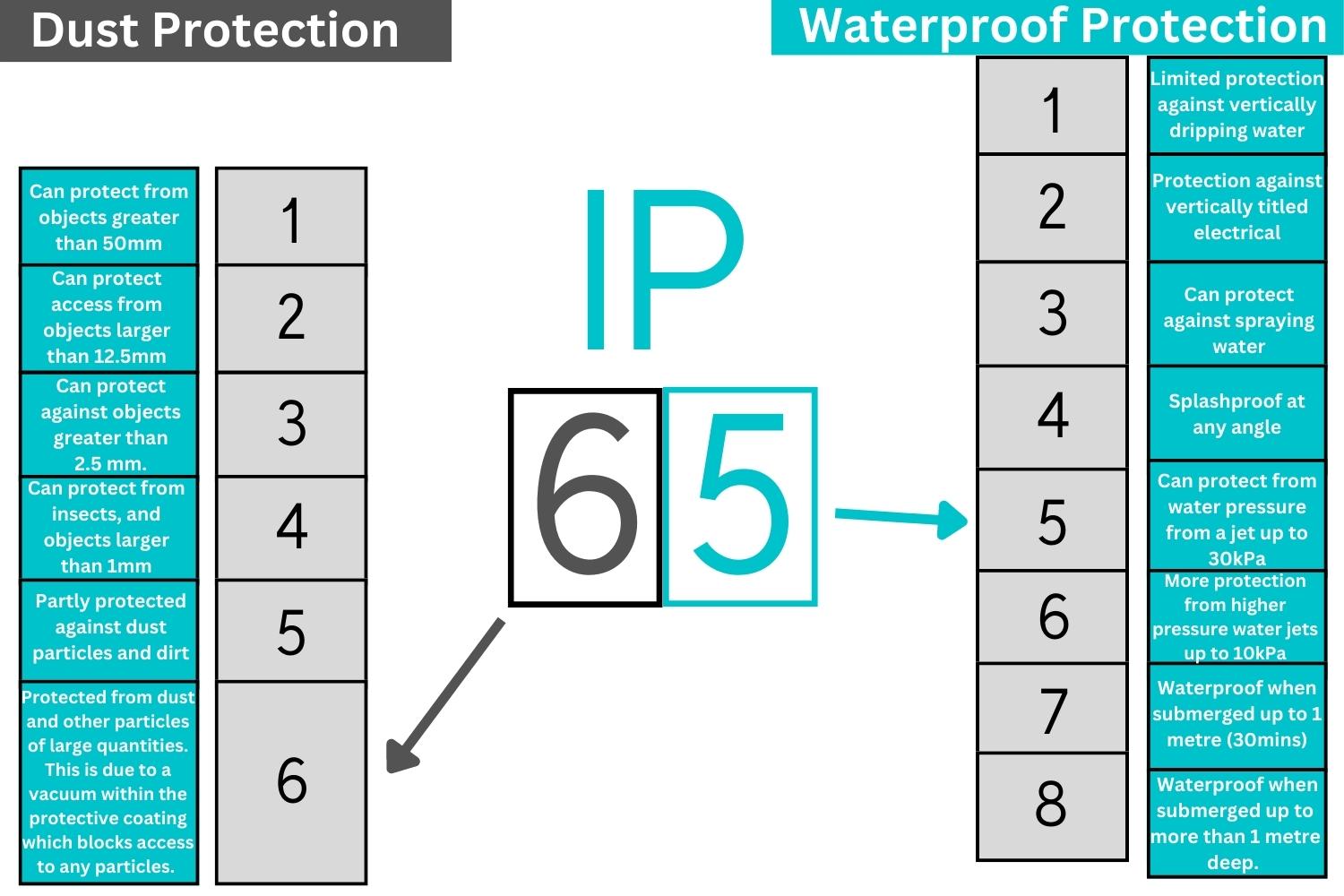
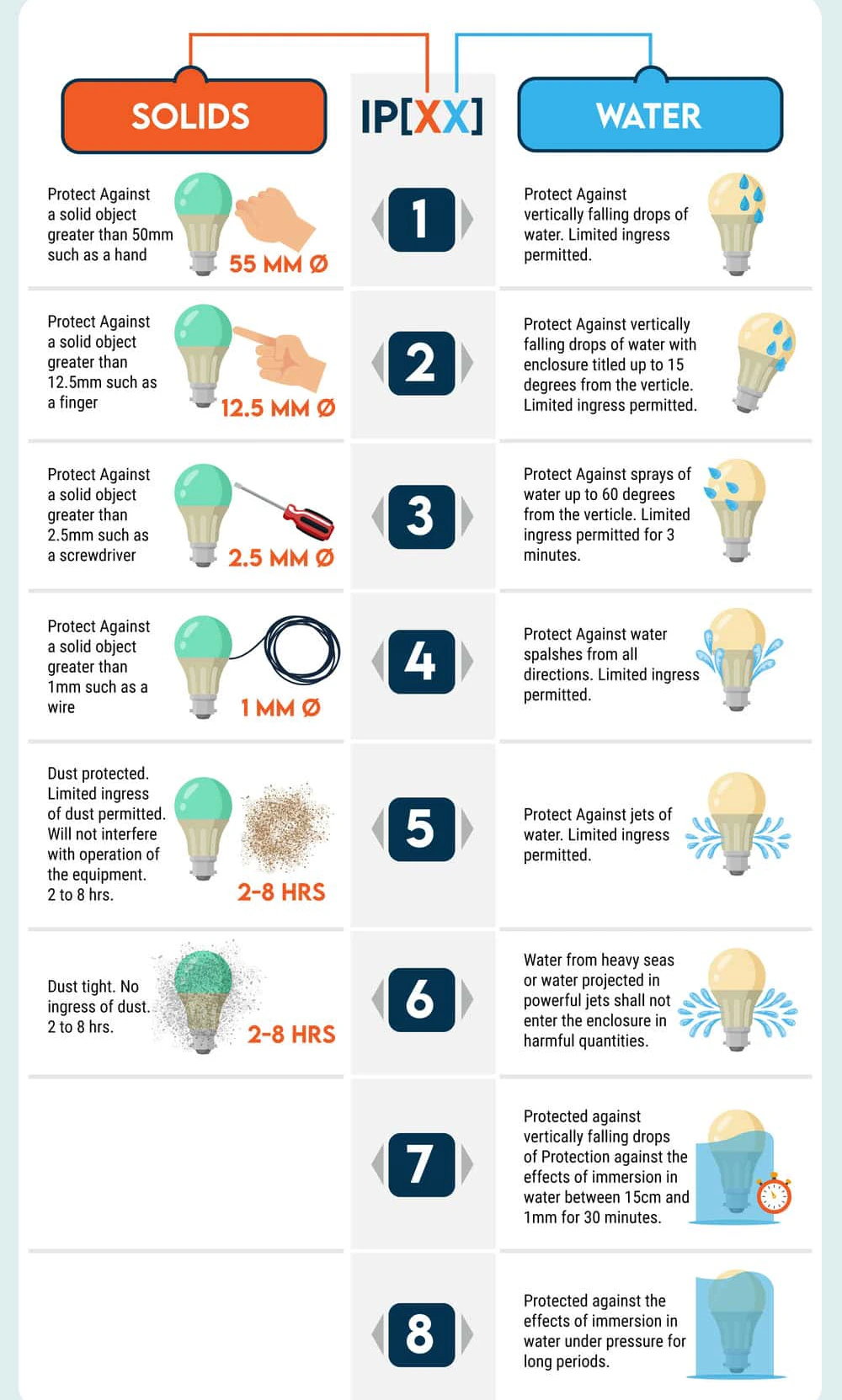
The switchgear light IP rating indicates how effectively a lamp enclosure resists solid objects and water. Manufacturers specify this protection using the Ingress Protection code defined by IEC 60529. The code contains two characteristic digits, each representing a different type of protection. The first digit addresses access to hazardous parts and the ingress of solid foreign objects. The second digit describes resistance to water under specified test conditions. Neither digit directly measures corrosion resistance, heat tolerance, or electrical insulation quality. Buyers should therefore evaluate the complete product specification rather than relying on one rating. For example, a cabinet installed in a clean electrical room faces different risks from equipment operating near industrial grinding machinery. Condensation also creates challenges that ordinary splash resistance cannot fully resolve. Selecting suitable protection starts with identifying actual exposure conditions and the lamp's mounting position.
How Does the Switchgear Light IP Rating Affect Protection?
An appropriate switchgear light IP rating helps buyers match enclosure protection to environmental hazards. IP20 generally provides basic protection against finger access and solid objects measuring at least 12.5 mm. However, it offers no specific protection against water ingress. IP40 protects against solid objects measuring at least 1 mm, but it does not provide water protection. IP54 offers dust protection against harmful deposits and protection against water splashes from any direction. IP65 provides dust-tight construction and protection against water jets under specified test conditions. These descriptions do not mean every product performs equally within the same rating. Housing joints, cable entries, gaskets, and assembly quality affect the finished enclosure. Buyers should also check the manufacturer's installation instructions and operating temperature limits. A higher rating may suit demanding environments, but unnecessary protection can increase costs or complicate thermal management.
Which IP Ratings Suit Different Electrical Cabinet Environments?
The correct protection level depends on the cabinet's surroundings, installation location, and maintenance practices. A clean, dry indoor distribution cabinet may need only basic protection when the lamp remains inside a suitable enclosure. Industrial workshops introduce additional risks, including conductive dust, metal particles, and airborne contaminants. Humid locations require particular attention because temperature changes can produce condensation inside electrical cabinets. Outdoor installations may experience wind-driven rain, dust, and sudden temperature fluctuations. However, the cabinet's own enclosure and the lighting fixture have separate protection characteristics. A protected cabinet does not automatically make every internal component suitable for direct water exposure. Likewise, an outdoor-rated cabinet lamp does not eliminate the need for proper cable routing and sealing. Buyers should assess the complete installation instead of selecting a lamp solely by location. The final choice should reflect documented environmental conditions and the manufacturer's verified specifications.
How Do Dust and Moisture Affect Cabinet Lighting?
Dust accumulation can reduce light output by covering the lens and restricting heat transfer from the lamp housing. Conductive particles may also create additional risks around exposed terminals or damaged insulation. Moisture can corrode contacts, degrade electrical connections, and accelerate deterioration of unsuitable materials. Condensation occurs when a surface falls below the surrounding air's dew point. This process can affect internal components even when the cabinet does not experience direct splashing. Repeated humidity cycles may also stress seals and promote corrosion at electrical interfaces. Consider a factory distribution cabinet located beside a metal-cutting workstation. Fine particles settle on equipment during production, while overnight temperature changes create moisture risks. A basic lamp may require frequent cleaning and inspection under these conditions. A suitably sealed fixture can reduce ingress risks, but it cannot correct poor cabinet ventilation or persistent condensation. Effective protection combines an appropriate switchgear light IP rating with sound environmental control.
What Do IP20, IP40, IP54, and IP65 Ratings Indicate?
The following table compares common protection levels for electrical cabinet lighting. Actual suitability depends on the test conditions and the manufacturer's product documentation.
| IP rating | Solid-object protection | Water protection | Typical consideration |
|---|---|---|---|
| IP20 | Objects at least 12.5 mm | None specified | Clean, dry indoor cabinets |
| IP40 | Objects at least 1 mm | None specified | Indoor areas requiring finer particle protection |
| IP54 | Limited dust ingress; no harmful deposits | Water splashes from any direction | Dusty or occasionally splashed environments |
| IP65 | Dust-tight | Water jets from any direction | Locations requiring stronger dust and jet protection |
These ratings represent defined protection tests rather than universal guarantees of field performance. IP54 does not mean completely dust-tight, while IP65 does not automatically permit immersion. Water-jet resistance also differs from resistance to hot water, high-pressure cleaning, or prolonged exposure. Buyers should confirm whether the reported rating applies to the complete lamp assembly. A rating established for the housing alone may not cover modified cable entries or alternative connectors. Installation orientation and gasket compression can also influence actual performance. For example, drilling an additional mounting hole may compromise a previously tested enclosure. Therefore, use the table to shortlist products, then verify the manufacturer's test documentation. Consider dust type, water exposure, temperature, and maintenance practices before making the final selection.
How Should You Select an IP Rating for Switchgear Lights?
Start by documenting the cabinet's environmental conditions and the lighting task. Determine whether dust, moisture, cleaning water, or condensation could reach the fixture. Next, identify whether the lamp sits inside the cabinet or faces the surrounding environment. Check the expected ambient temperature and available space around the housing. Then compare suitable protection levels with the manufacturer's installation requirements. A practical selection checklist includes the following items:
- Record the cabinet location, operating environment, and expected contaminants.
- Identify possible water exposure, condensation, and cleaning procedures.
- Confirm the lamp's rated voltage, power consumption, and temperature limits.
- Check gasket materials, cable entries, connectors, and mounting arrangements.
- Request documentation supporting the specified IP rating.
- Verify that installation and maintenance procedures preserve the tested protection.
This checklist helps purchasing teams compare products using consistent technical criteria. It also reduces the risk of choosing a lamp based on marketing descriptions alone. For demanding environments, request clarification about the tested assembly and permitted accessories. Confirm whether field wiring requires additional glands or sealing components. If the cabinet contains sensitive equipment, assess the lighting arrangement alongside the overall enclosure design. A documented selection process provides a clearer basis for procurement approval and future maintenance.
How Do Gaskets and Cable Entries Affect IP Protection?
Sealing components often determine whether an installed lamp retains its intended protection. A gasket forms a barrier between mating surfaces and limits the paths available for dust or water. Material selection matters because temperature, chemicals, compression, and aging affect gasket performance. Excessive compression may damage a seal, while insufficient compression can leave gaps. Cable entries create another potential ingress path, especially when installers use incompatible glands or incorrect cable diameters. Unused openings also require suitable plugs that match the enclosure's protection requirements. Fasteners must maintain the specified joint pressure without distorting the housing. During installation, follow the manufacturer's torque values and assembly sequence. Inspect seals for cuts, deformation, contamination, or hardening before closing the enclosure. Avoid drilling or modifying a sealed lamp unless the manufacturer explicitly permits the change. These measures help preserve the protection established during product testing and reduce avoidable maintenance problems.
How Does IP Protection Relate to Heat Dissipation?
A sealed enclosure can restrict airflow, making thermal design an important part of lamp selection. LEDs generate heat at their semiconductor junctions, while drivers also produce heat during operation. Manufacturers commonly transfer this energy through circuit boards, thermal interfaces, and housing surfaces. Excessive operating temperatures can accelerate LED degradation and shorten driver service life. Dust accumulation may further reduce heat transfer from external surfaces. Buyers should therefore review the switchgear light IP rating and the permitted operating temperature range. Check whether the manufacturer specifies installation clearances or mounting restrictions. A compact lamp mounted close to other equipment may experience higher temperatures than an openly mounted unit. In that situation, selecting a stronger seal without reviewing thermal performance may create an avoidable problem. Compare rated power, housing construction, ambient temperature, and expected operating hours. A suitable design balances ingress protection with effective heat transfer and reliable operation.
What Can a Real Switchgear Lighting Case Teach Buyers?
Consider a representative engineering scenario involving a factory distribution cabinet beside a metal fabrication line. Fine metallic dust accumulates around the cabinet, and cleaning staff occasionally wipe its exterior with damp cloths. The cabinet remains indoors, but nearby machinery causes repeated temperature changes. An engineer first inspects the lamp location, dust deposits, cable routing, and signs of condensation. The team then compares IP54 and IP65 fixtures using manufacturer documentation. IP65 becomes a candidate when dust-tight construction is required, but water-jet protection alone does not settle the decision. The engineer also checks temperature limits, mounting clearances, and connector compatibility. After installation, technicians inspect the seals and verify that wiring entries match the approved configuration. They record the initial condition and establish periodic inspection intervals. This scenario illustrates a practical decision process rather than a documented customer installation or independently measured test result.
How Can Buyers Verify an IP Rating Before Ordering?
Purchasing teams should request a technical datasheet that identifies the exact product model and IP rating. Where available, obtain the relevant test report or declaration from the responsible manufacturer. Confirm that the documentation covers the complete assembly rather than an individual housing component. Check whether the tested configuration includes the supplied gaskets, cable entries, connectors, and mounting accessories. If a supplier proposes substitutions, ask whether those changes affect the claimed protection. Product photographs alone cannot establish compliance with an IP test. Buyers should also examine the permitted operating temperature, rated voltage, and installation instructions. For projects with formal acceptance requirements, agree on the required documentation before issuing a purchase order. Keep approved specifications and inspection records with the equipment documentation. This process makes technical comparisons more transparent and supports later verification. It also helps prevent confusion between a manufacturer's stated rating and an independently verified result.
Which Other Specifications Matter Besides IP Rating?
Ingress protection addresses only specific forms of solid-object and water ingress. Buyers must assess other electrical and mechanical characteristics separately. Rated voltage should match the cabinet's auxiliary power supply, whether AC or DC. Power consumption affects circuit loading and may influence the choice of protective devices. Light output, beam distribution, and color temperature determine how clearly technicians can inspect terminals and equipment labels. Housing materials influence corrosion resistance and mechanical durability. Electrical insulation, wiring protection, and electromagnetic compatibility may also matter, depending on the application. For hazardous locations, the required explosion protection must follow the applicable classification and certification requirements. An IP rating alone does not establish suitability for explosive atmospheres. For example, the CM-L3 Explosion-Proof Cabinet Light for Switchgear may be considered where the relevant product documentation supports the intended hazardous-area application. Verify its specific certification and installation conditions before specifying it. Review every critical parameter against the project requirements.
How Can You Maintain Switchgear Lights in Harsh Environments?
Routine inspection helps identify damage before it affects lighting performance or electrical reliability. Maintenance personnel should check for cracked lenses, loose fasteners, deteriorated gaskets, and damaged cable entries. They should also look for dust deposits, corrosion, discoloration, and signs of moisture. Unexpected condensation may indicate a broader cabinet humidity problem rather than a lamp defect. Cleaning methods must follow the manufacturer's instructions and suit the enclosure materials. Avoid directing water or compressed air into openings unless the equipment documentation permits that procedure. Before servicing, personnel must follow the applicable isolation, lockout, and electrical safety procedures. Replace damaged seals with compatible parts and restore the approved assembly configuration. Record recurring defects and investigate environmental causes rather than repeatedly replacing lamps. When selecting a replacement, the CM-1 Cabinet Light for Switchgear can be evaluated against the cabinet's supply voltage, dimensions, and protection requirements. Confirm the current specification before ordering. Document the selected switchgear light IP rating in the equipment maintenance records.
Frequently Asked Questions About Switchgear Light IP Ratings
Is IP20 Sufficient for Indoor Switchgear Lights?
IP20 can be sufficient for a lamp installed inside a clean, dry electrical cabinet. Its enclosure protects against finger access and solid objects measuring at least 12.5 mm. However, IP20 does not provide specified protection against water ingress. Fine dust can also enter the housing because the rating does not require dust protection. Buyers should inspect the cabinet environment, cleaning practices, and condensation risks before choosing this level. A closed cabinet may reduce exposure, but it does not guarantee dry internal conditions. Where dust or moisture presents a credible risk, compare higher-rated products. Always verify the lamp's operating limits and installation instructions. The appropriate choice depends on actual exposure rather than the assumption that every indoor cabinet has identical conditions.
Is IP65 Always Better for Switchgear Lighting?
IP65 provides dust-tight construction and protection against water jets under defined test conditions. Nevertheless, this does not make it the best choice for every cabinet. A clean indoor installation may not require that level of protection. More demanding sealing arrangements can affect thermal design, dimensions, maintenance access, and purchase costs. IP65 also does not establish resistance to immersion, every cleaning chemical, or explosive atmospheres. Buyers should compare the complete product specification with the expected operating environment. Check ambient temperature limits, housing materials, connector arrangements, and available mounting space. If dust-tight protection is essential, IP65 may be appropriate. If exposure remains limited, a lower rating could meet the requirements. The decision should follow documented environmental needs and verified product performance.
Can an IP-Rated Switchgear Light Prevent Condensation Damage?
An IP rating does not guarantee protection against condensation in every operating condition. Condensation develops when moisture in the air forms droplets on surfaces below the dew point. Temperature fluctuations inside a cabinet can trigger this process even without direct water exposure. A sealed lamp may reduce ingress through its enclosure, but trapped moisture or leakage elsewhere can still create problems. Buyers should examine cabinet humidity, ventilation, and temperature variation alongside the lamp specification. Depending on the application, a suitable enclosure heater, dehumidifier, or humidity controller may help manage moisture. Correct cable entry sealing and regular inspections also matter. Select any environmental control equipment according to the cabinet's design and operating conditions. IP protection should form one part of a broader moisture-management strategy.