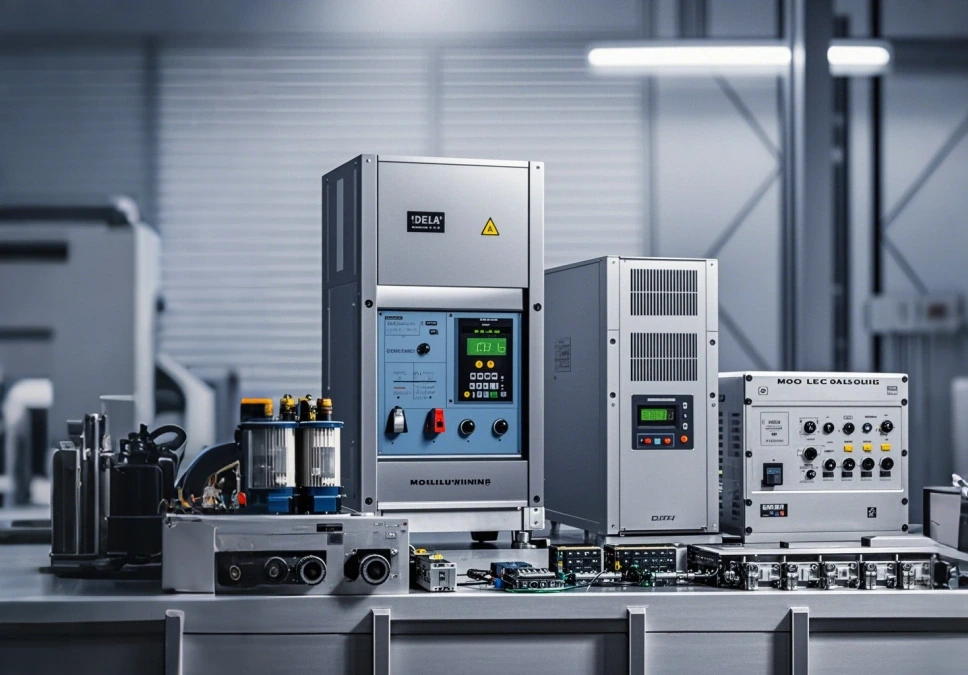
What Is A Temperature Controller And How It Works?
Temperature Controller ensures precise thermal regulation, boosts efficiency, and maintains stable industrial process performance.
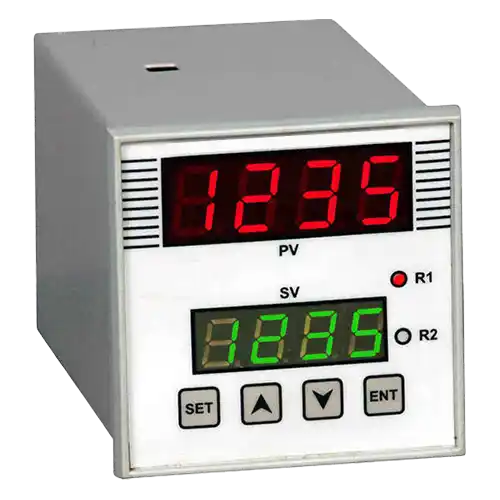
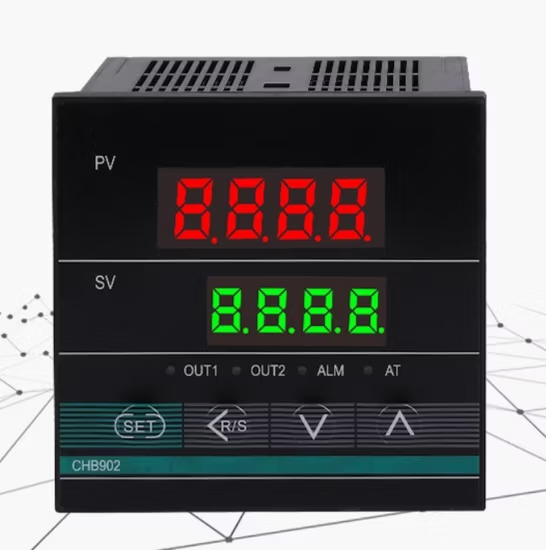
What Is A Temperature Controller And How It Works?
A Temperature Controller is essential in modern industrial automation, ensuring precise thermal regulation across various processes. It maintains stable operating conditions by comparing measured values with predefined targets and adjusting outputs accordingly. Consistent temperature control is critical for product quality, operational efficiency, and equipment protection.
Industrial systems depend on accurate thermal management to avoid defects and inefficiencies. Even small temperature variations can cause material inconsistencies or delays. Reliable control mechanisms support repeatable results and improve system stability. As industries demand higher precision, effective temperature regulation remains a key factor in maintaining competitive performance.
Core Components of a Temperature Controller System
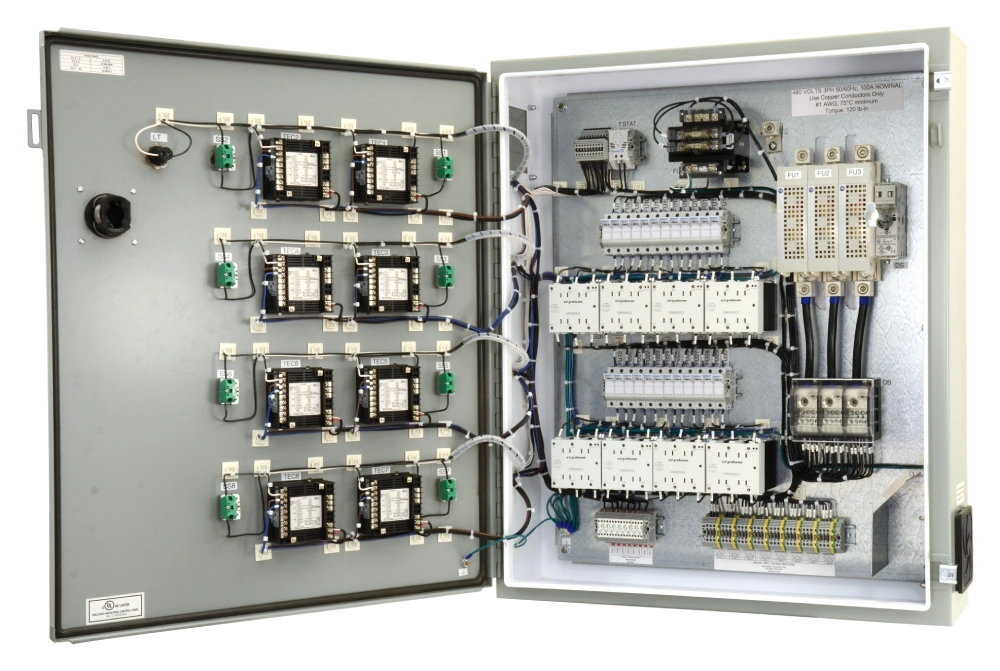
A complete control system includes several integrated components working together efficiently. Sensors detect temperature changes and convert them into electrical signals. Common types include thermocouples and resistance temperature detectors for varied environments. The controller unit processes these signals and compares them with a defined setpoint.
Output devices respond according to control logic and system requirements. These devices include relays, solid-state relays, and proportional outputs for heating or cooling. Power modules provide stable electrical supply, while interfaces allow parameter adjustments. Each component must perform reliably to maintain consistent temperature regulation.
How a Temperature Controller Works in Industrial Applications
The process begins with temperature measurement through a connected sensor. That signal is converted into an electrical value for processing. The controller compares the measured temperature with the target setpoint. When deviations occur, corrective actions are calculated immediately.
Depending on the control method, the system activates heating or cooling equipment. ON/OFF control switches outputs fully, while proportional control adjusts output gradually. Advanced systems apply PID logic for precise stability. Continuous feedback ensures real-time adjustment under varying operational loads.
Types of Temperature Controller Technologies
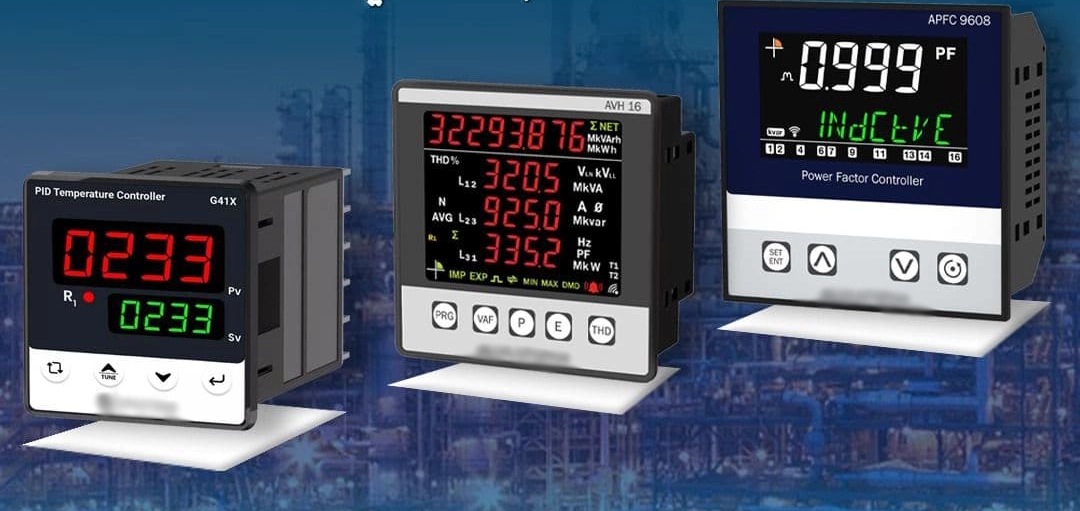
Different controller technologies address various industrial performance needs. ON/OFF controllers offer simple operation and cost efficiency for basic systems. PID controllers deliver higher precision by continuously adjusting output levels.
Digital controllers improve accuracy and allow programmable functions for complex processes. Smart controllers provide remote monitoring and integration capabilities. Programmable systems enable multi-stage temperature profiles for advanced operations. Each option serves a specific purpose based on application requirements.
Comparison of Temperature Controller Technologies
| Type | Accuracy | Cost Level | Application |
|---|---|---|---|
| ON/OFF | Low | Low | Basic heating systems |
| PID | High | Medium | Precision manufacturing |
| Digital | High | Medium | Automated processes |
| Smart | Very High | High | IoT systems |
Evaluating Controller Technologies for Industrial Efficiency
Each controller type provides distinct advantages based on system complexity. ON/OFF systems suit environments with wide tolerance ranges. PID controllers ensure precise stability for sensitive processes. Digital and smart options enhance monitoring and system integration.
Industrial buyers must evaluate performance needs, cost limits, and compatibility. Advanced controllers often deliver long-term efficiency benefits. Careful selection supports improved productivity and reduced downtime.
Key Benefits of Using Temperature Controllers in B2B Environments
Temperature control directly affects production quality and operational reliability. Stable regulation reduces variation and ensures consistent output. Energy consumption decreases as systems avoid unnecessary thermal cycling. Equipment lifespan improves due to reduced thermal stress.
Businesses gain lower maintenance costs and improved production consistency. Compliance with regulations becomes easier under controlled conditions. These advantages contribute to reduced risks and stronger operational performance. A Temperature Controller supports both efficiency and sustainability goals.
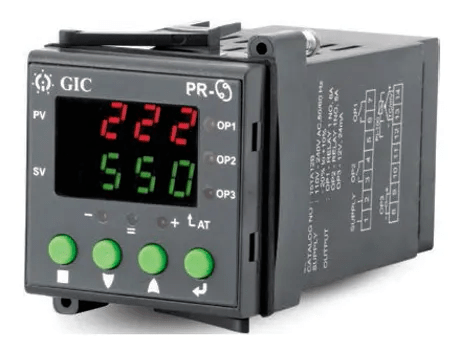
Selecting the Right Temperature Controller for Your Application
Selecting a suitable controller requires evaluating multiple technical factors. Load characteristics and environmental conditions influence system requirements. High-temperature processes demand durable sensors and stable controllers. Accuracy requirements vary depending on production specifications.Integration with existing systems is also essential for seamless operation. Response speed and control precision must align with process demands. Budget considerations should balance cost and performance benefits. A properly selected Temperature Controller enhances efficiency and reduces risks.
Application-Based Comparison of Temperature Control Requirements
| Industry | Temperature Range | Control Type | Key Requirement |
|---|---|---|---|
| Food Processing | Low to Medium | PID | Consistency |
| Pharmaceutical | Precise | Smart | Compliance |
| Manufacturing | Wide Range | PID/Digital | Stability |
| HVAC | Moderate | ON/OFF | Efficiency |
Industry-Specific Temperature Control Requirements
Different industries require tailored temperature control strategies. Food processing demands strict hygiene and consistent heating conditions. Pharmaceutical production relies on precise control to meet regulatory standards. Manufacturing environments often involve variable temperatures and complex workflows.
HVAC systems prioritize energy efficiency and stable climate control. Each application requires specific controller features to ensure optimal performance. Selecting the appropriate configuration improves operational efficiency and ensures compliance with industry requirements.
Practical Applications Across Industrial Sectors
Temperature control systems support a wide range of industrial operations. Manufacturing facilities use them for molding and material processing. Food production lines depend on stable heating and cooling conditions. Pharmaceutical companies require strict thermal control during chemical processing.
Energy sectors rely on monitoring to protect critical infrastructure components. HVAC systems maintain indoor comfort while optimizing energy use. A Temperature Controller ensures consistent performance across these applications. Its versatility makes it essential in modern industrial environments.
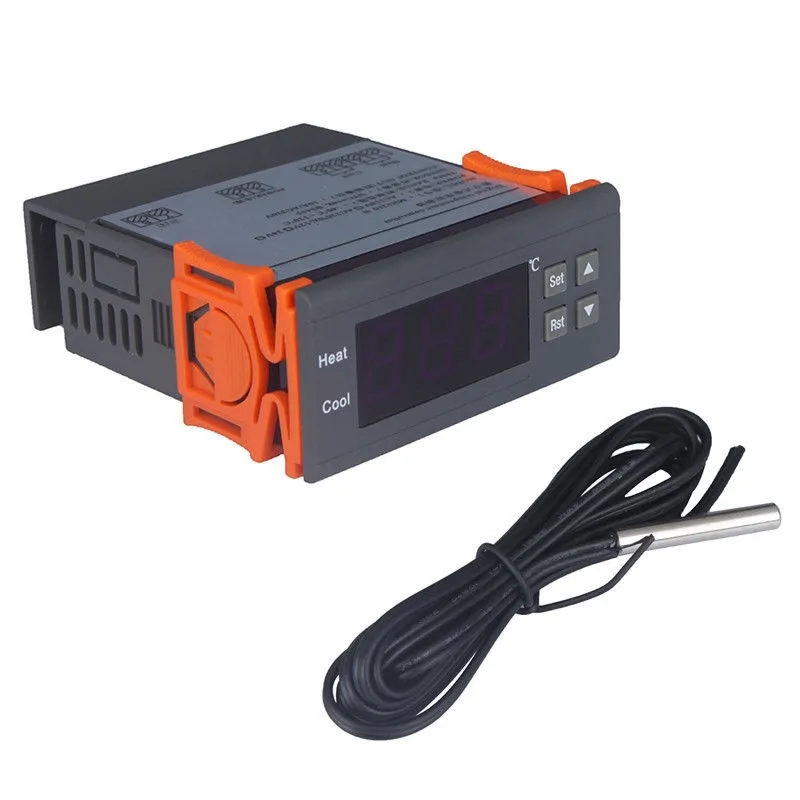
Is Temperature Humidity Control Needed For Switchgear?
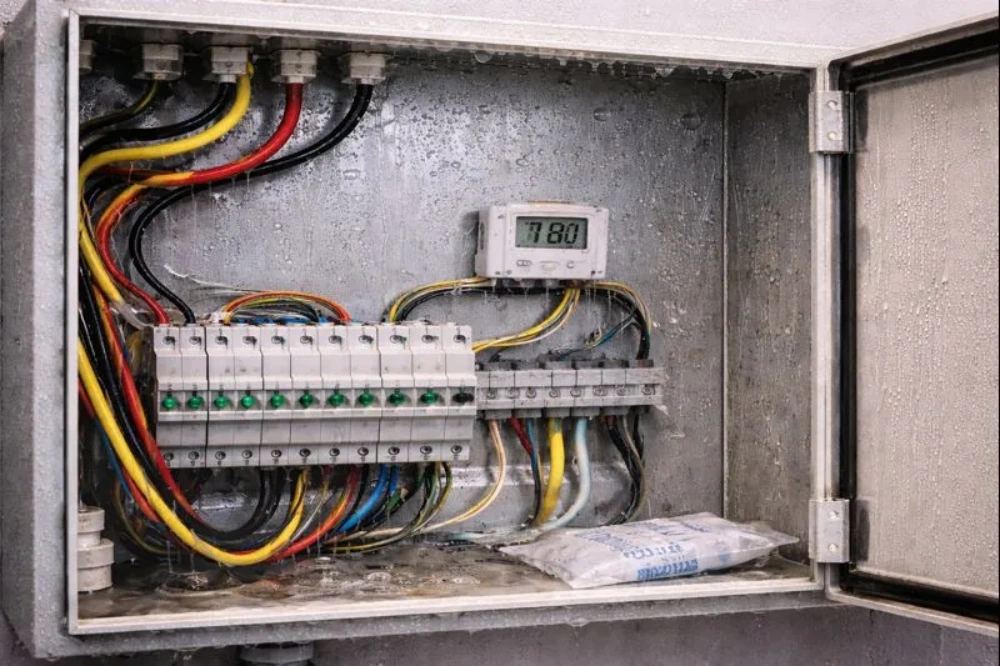
Temperature humidity control remains essential for reliable switchgear operation in many industrial environments. Electrical cabinets generate internal heat during continuous power distribution processes. Moisture often enters enclosures through ventilation openings, damaged seals, or rapid climate changes. Condensation can weaken insulation resistance and increase electrical tracking risks significantly. Stable environmental regulation protects busbars, relay modules, circuit breakers, and insulation barriers from corrosion damage. Outdoor substations and coastal facilities usually face stronger humidity exposure throughout operating cycles. Environmental controllers automatically activate heaters or ventilation systems after detecting unstable conditions. Proper climate management improves operational safety, reduces maintenance frequency, and extends switchgear service life within demanding industrial power distribution applications.
How to maintain long-term reliability of a temperature controller?
Long-term reliability depends on consistent maintenance and proper system operation. Regular calibration ensures accurate temperature readings over time. Cleaning and checking connections help prevent signal interference. Routine inspections should verify control outputs and system response.
Environmental factors such as dust and humidity must be managed carefully. Protective enclosures improve durability in harsh conditions. Software updates maintain optimal performance and compatibility. Operator training ensures correct usage and reduces human error. Proper maintenance extends lifespan and minimizes unexpected failures.
Best Practices for Installation and Maintenance
Proper installation ensures reliable and accurate system performance. Sensors must be placed correctly to reflect actual process conditions. Incorrect placement can result in inaccurate readings and unstable control. Calibration should be performed regularly to maintain precision.
Maintenance should include inspection of wiring, sensors, and output devices. Early fault detection prevents downtime and costly failures. Clear troubleshooting procedures improve response time during issues. Consistent maintenance extends system lifespan and improves reliability.
Future Trends in Temperature Control Technology
Technological advancements are transforming industrial temperature control systems. Smart controllers now integrate with networks for real-time monitoring. Remote access allows operators to adjust settings efficiently. Predictive maintenance helps detect issues before failures occur.
Artificial intelligence enhances control accuracy through adaptive optimization. Data analytics improves operational insights and performance decisions. As industries adopt digital solutions, temperature control systems continue evolving. These innovations support higher efficiency and long-term reliability.
FAQ
How does a PID temperature controller improve accuracy?
A PID controller improves accuracy by continuously adjusting output based on system feedback. It uses proportional, integral, and derivative functions to reduce temperature deviations. The proportional element responds to current errors, while the integral corrects accumulated differences. The derivative predicts future trends and stabilizes fluctuations.
This combination ensures smoother control compared to basic ON/OFF systems. Industrial operations benefit from reduced variation and higher consistency. Proper parameter tuning is necessary for optimal performance. When configured correctly, PID controllers significantly enhance process stability and efficiency.