What Is The Fungsi Earth Fault Indicator In Electrical Systems?
Fungsi earth fault indicator improves electrical safety with fast fault detection,reliable monitoring,and efficient maintenance.
Power distribution systems require accurate monitoring methods to prevent dangerous electrical failures. The fungsi earth fault indicator provides essential support by identifying abnormal current leakage and helping maintenance teams locate faults quickly. Industrial facilities, utility networks, and infrastructure projects rely on reliable protection devices to reduce operational risks. Electrical faults can damage equipment, interrupt production, and create safety hazards for workers. Modern monitoring solutions combine sensing technology with visual signals and communication functions. These features allow operators to respond faster and maintain stable power conditions. Effective fault identification also improves maintenance planning and reduces unnecessary inspection costs across complex electrical networks.
Fungsi Earth Fault Indicator Functions in Modern Electrical Protection Systems
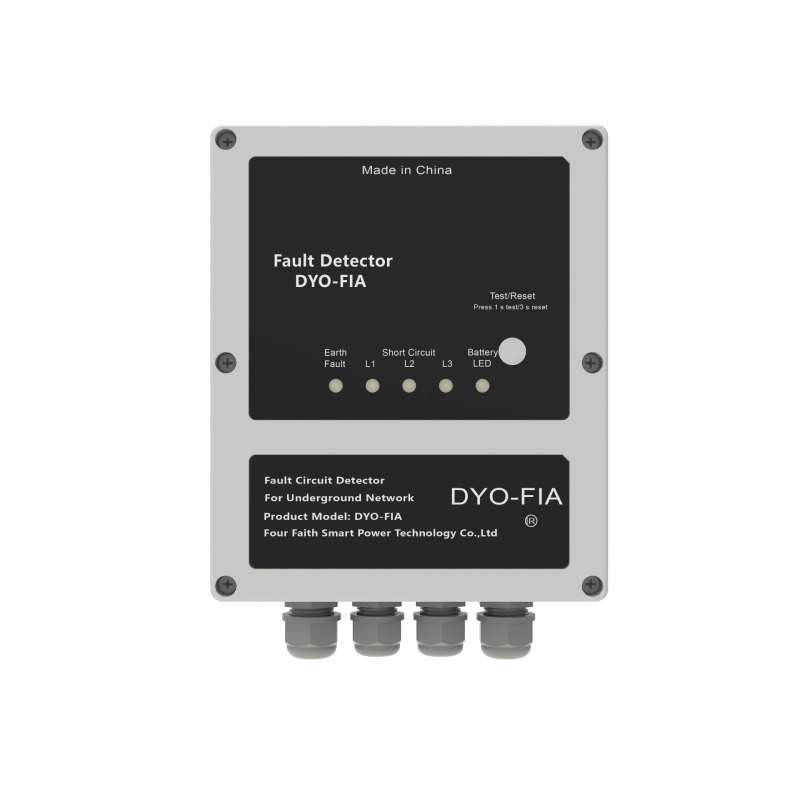
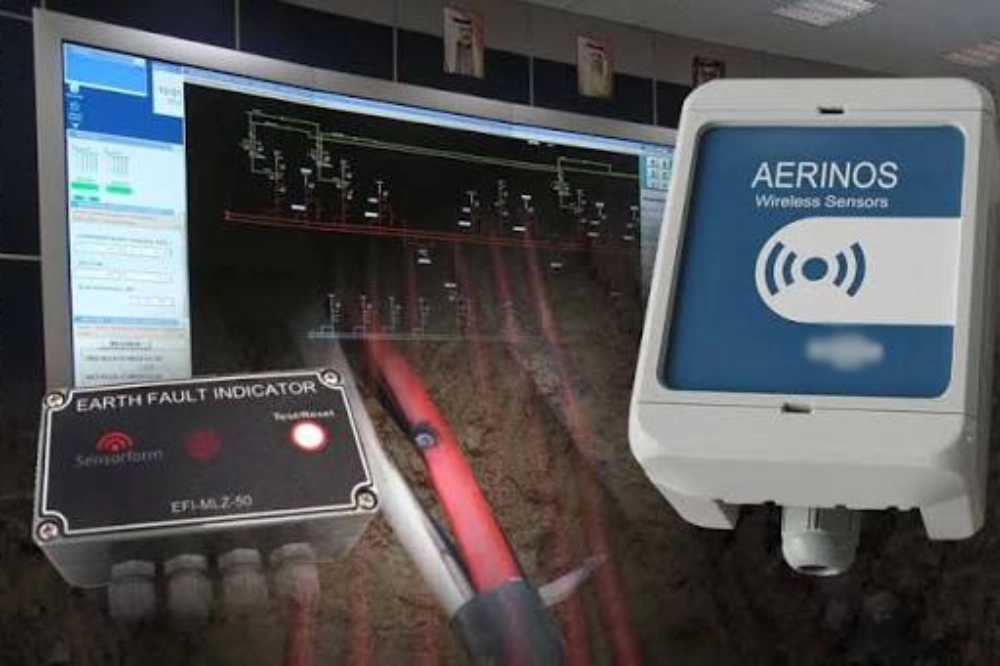
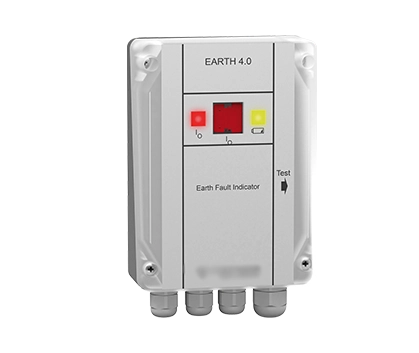
The primary role of a fungsi earth fault indicator is detecting unexpected current flow between electrical conductors and ground paths. The device monitors changes in electrical conditions through sensing components and identifies potential insulation failures. When a grounding problem occurs, the indicator sends a clear warning signal through lights, displays, or communication systems. Industrial buyers often select these devices because they simplify fault location processes. Traditional inspection methods require more time and manual testing procedures. Modern indicators shorten troubleshooting periods by providing immediate information about abnormal circuit conditions. This function supports safer maintenance activities and improves overall power distribution reliability.
Technical Components Behind Reliable Earth Fault Detection
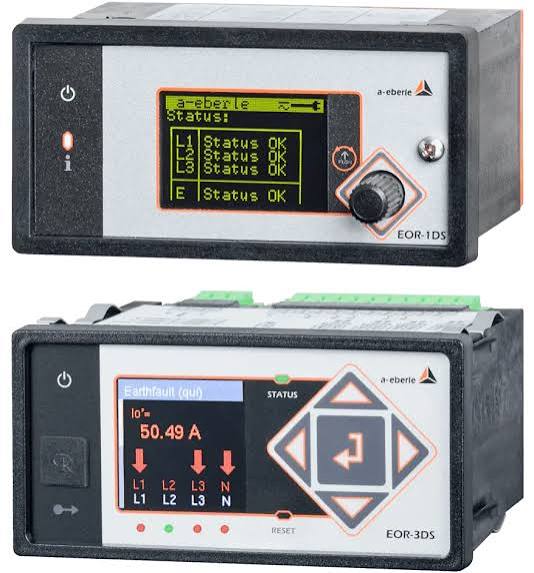
Advanced fault monitoring equipment depends on several integrated components that work together. A zero sequence current transformer measures imbalance between current phases and detects leakage conditions. The electronic detection module processes collected signals and compares them with preset operating values. LED indicators provide visible alerts, while communication interfaces allow connection with monitoring platforms. These technical structures improve response accuracy in demanding electrical environments. Manufacturers also optimize insulation materials, protective housing designs, and operating stability for long-term performance. Industrial users should evaluate component quality because each part influences detection reliability, maintenance efficiency, and system protection levels.
| Component | Main Function | Safety Contribution | Common Application |
|---|---|---|---|
| Zero Sequence Current Transformer | Measures abnormal current imbalance | Improves fault recognition accuracy | Switchgear and cable systems |
| Detection Circuit | Processes electrical signals | Provides rapid fault analysis | Industrial distribution equipment |
| LED Indication Module | Displays fault status visually | Allows quick operator response | Indoor and outdoor installations |
| Communication Interface | Transfers monitoring information | Supports remote supervision | Smart power networks |
How Does Fungsi Earth Fault Indicator Support Safer Maintenance Operations
Maintenance teams face significant challenges when electrical faults appear in large distribution networks. A fungsi earth fault indicator helps technicians identify abnormal sections without checking every circuit manually. Faster fault recognition reduces exposure time near potentially dangerous equipment. The system allows professionals to isolate affected areas and restore normal operations efficiently. Products such as EKL4 Short-Circuit Grounding Fault Indicator for Cables provide specialized monitoring support for cable applications.
These solutions assist operators by offering clear fault information during inspection processes. Better visibility improves decision-making and reduces downtime caused by complex troubleshooting procedures. Reliable monitoring technology creates safer working conditions for electrical maintenance teams.
Electrical Safety Benefits Across Industrial Power Distribution Applications
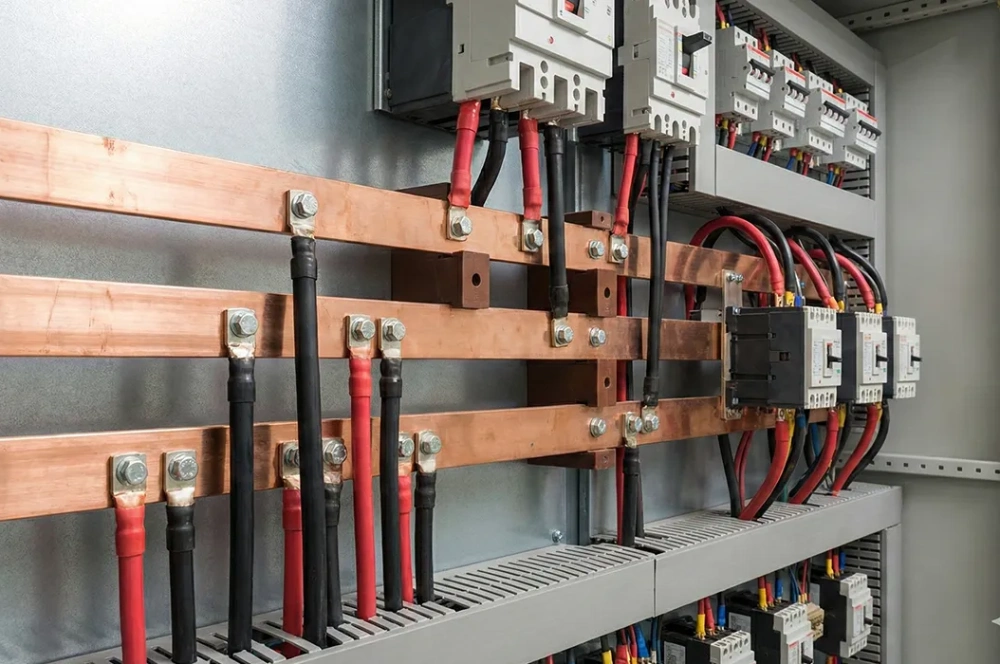
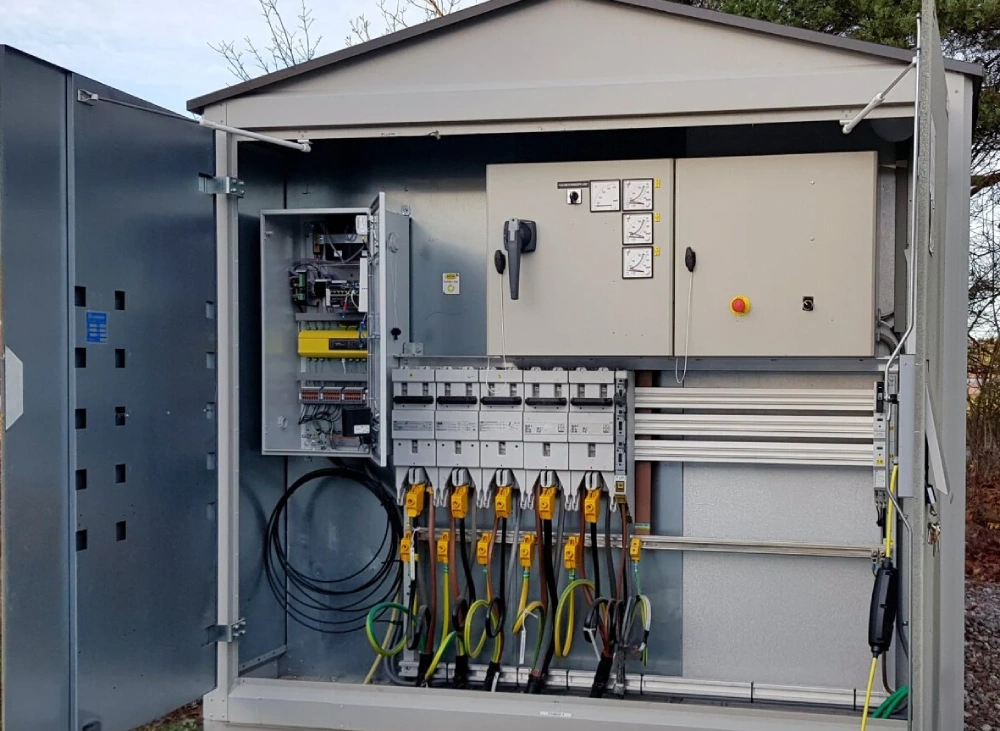
Industrial environments require stable electricity because production systems depend on continuous operation. Fault monitoring devices support different applications, including factories, substations, renewable energy facilities, and underground cable networks. These systems help prevent equipment damage caused by prolonged electrical abnormalities. Operators can receive warnings before minor issues develop into major failures. Reliable detection methods also support compliance with safety management requirements. Different industries may require specific protection levels based on voltage conditions, installation environments, and operational demands. Selecting suitable monitoring equipment ensures better compatibility with existing infrastructure and improves long-term electrical performance.
| Application Area | Primary Risk | Monitoring Requirement | Operational Benefit |
|---|---|---|---|
| Industrial Plants | Equipment damage from leakage faults | Continuous electrical monitoring | Reduced production interruptions |
| Underground Cable Networks | Hidden insulation failures | Accurate fault location | Faster repair response |
| Renewable Energy Systems | Unexpected power fluctuations | Real-time condition checking | Improved system stability |
| Utility Distribution Systems | Large-scale outage risks | Remote fault communication | Enhanced network management |
Performance Comparison of Different Fault Monitoring Approaches
Traditional electrical inspection methods usually depend on manual measurement and scheduled maintenance checks. Although these methods remain useful, they may delay fault discovery in complex systems. Automated monitoring equipment provides continuous status updates and faster response capabilities. The comparison above shows why industrial users increasingly prefer intelligent monitoring solutions. Devices with communication functions can transfer information directly to control centers. This reduces the need for repeated field inspections and improves maintenance efficiency. Equipment selection should consider detection speed, environmental conditions, and integration requirements. A balanced evaluation helps buyers choose solutions that match operational goals and safety expectations.
Important Selection Considerations for Industrial Buyers
Purchasing decisions require careful evaluation of technical specifications and practical operating conditions. Industrial buyers should review several important factors before selecting monitoring equipment:
- Check detection sensitivity and current measurement accuracy.
- Evaluate protection ratings for different environmental conditions.
- Review communication compatibility with existing systems.
- Confirm installation space and wiring requirements.
- Consider maintenance convenience and replacement procedures.
Each factor influences equipment performance throughout its service life. Buyers should compare supplier specifications, testing standards, and application experience before making decisions. Reliable product selection reduces future maintenance challenges and supports stable electrical management.
Installation Factors Affecting Earth Fault Monitoring Efficiency
Proper installation directly affects the performance of electrical monitoring systems. Technicians need to position sensors correctly and ensure accurate connection with monitored circuits. Environmental factors, including temperature, humidity, and vibration, can influence equipment durability. The EKL4-W Current Temperature Fault Online Monitor combines temperature monitoring with fault observation capabilities for applications requiring additional operational information. Such solutions provide broader visibility into equipment conditions and help maintenance teams identify developing problems earlier. Correct installation procedures also reduce false alarms and improve measurement consistency. Professional commissioning ensures that protection devices operate according to system requirements and provide dependable monitoring results.
Future Development Trends of Intelligent Fault Indication Technology
Electrical monitoring technology continues developing toward smarter and more connected solutions. Modern systems increasingly include digital communication, remote access, and predictive maintenance functions. These improvements allow operators to analyze equipment conditions without frequent physical inspections. Artificial intelligence and data analysis may further improve fault prediction accuracy in future power networks. Smart grid development also creates higher demand for advanced monitoring equipment. Suppliers continue improving sensor sensitivity, communication speed, and integration flexibility. Industrial users benefit from these innovations because they support safer operations and more efficient maintenance strategies. Future electrical systems will require stronger monitoring capabilities to manage increasing complexity.
FAQ
What Is the Main Function of an Earth Fault Indicator?
An earth fault indicator detects abnormal electrical conditions caused by current leakage between conductors and ground. The device helps operators identify possible insulation problems and locate affected sections quickly. It improves safety by reducing the time required for manual fault searching. Industrial applications use these systems to protect equipment, prevent extended outages, and support maintenance efficiency. Advanced models may include communication features that transfer fault information to monitoring platforms. This capability allows teams to respond faster and maintain more reliable power distribution networks.
How Does an Earth Fault Indicator Improve Electrical System Reliability?
An earth fault indicator improves reliability by providing continuous monitoring of electrical conditions. When abnormal current changes occur, the device generates alerts that help operators take corrective actions quickly. Faster response reduces equipment damage and minimizes service interruptions.These systems are especially valuable in large industrial networks where manual inspection requires significant time.Remote communication features also allow centralized supervision of multiple locations. By improving fault visibility and maintenance efficiency, monitoring technology supports safer electrical operations and better long-term system performance.