What Is The Main Function Of Wall Bushing In Power Systems?
Wall bushing in power systems ensures insulation, conductor safety and high-voltage equipment reliability in industrial networks.
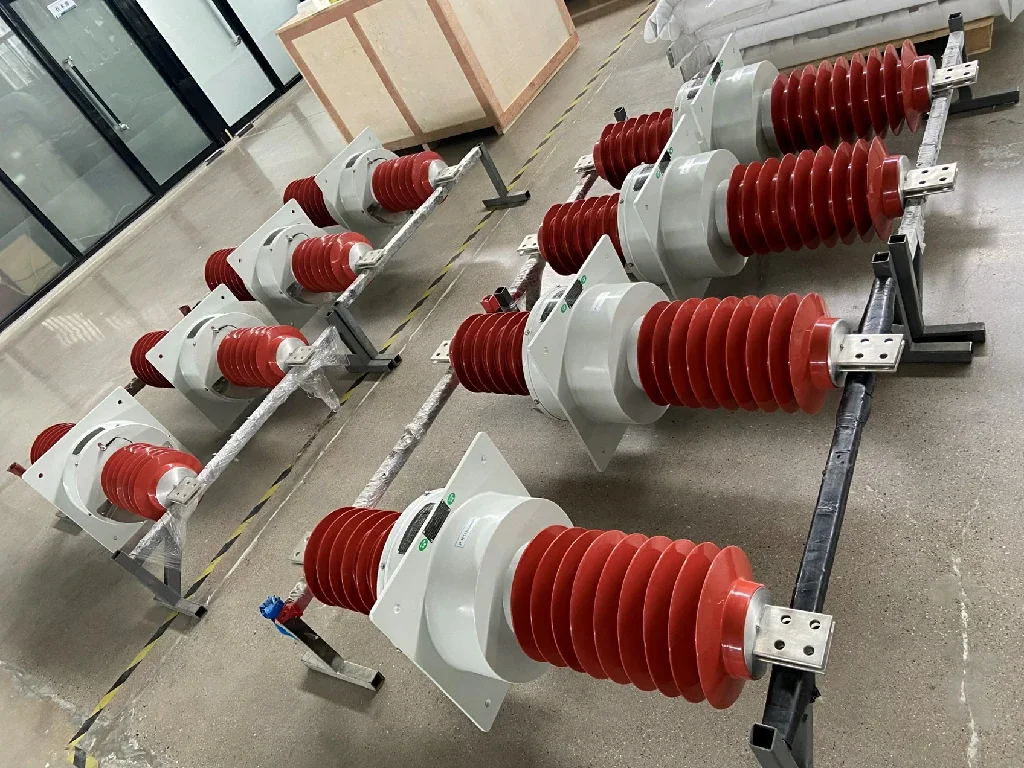
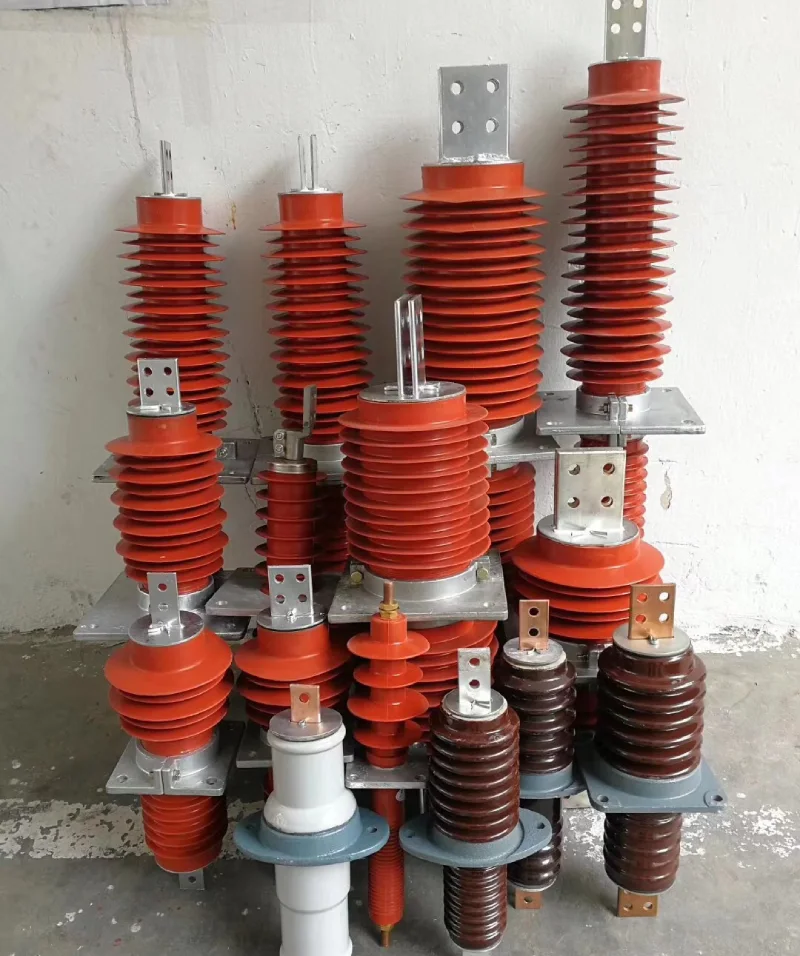
A wall bushing in power systems enables safe conductor passage through grounded barriers in high-voltage environments. It ensures electrical isolation between energized conductors and structural enclosures. This function supports stable energy transmission in substations and industrial facilities. Engineers rely on this component to reduce flashover risks and maintain insulation integrity. The device also helps manage electric field distribution across confined installations. High-voltage infrastructure depends on wall bushing in power systems for safe and continuous operation. Without proper insulation support, system instability and electrical faults may occur frequently. Its design directly influences overall grid reliability and operational safety.
The Main Function Of wall bushing in power systems
A high-voltage wall feedthrough serves as a protective interface for conductors passing through grounded structures. It prevents electrical discharge between live components and surrounding walls. This separation ensures safe energy transfer across enclosed electrical systems. Engineers design it to withstand extreme voltage stress without breakdown. It also stabilizes electric field distribution along the conductor path. Proper insulation reduces the chance of short circuits and arc faults. The component plays a key role in maintaining continuous power flow in substations. Its structural integrity directly impacts system reliability and long-term operational safety in power networks.
Electrical Insulation Role of wall bushing in power systems
The insulation structure provides essential dielectric separation between energized conductors and grounded infrastructure. This barrier prevents unintended current leakage through structural materials. High-quality insulating layers reduce partial discharge risks under heavy electrical load. Engineers optimize insulation thickness to handle voltage gradients efficiently. Moisture resistance also enhances long-term performance stability. The system minimizes electrical stress concentration around conductor interfaces. Environmental factors such as pollution and humidity can influence insulation performance. Proper material selection ensures reliable operation in demanding conditions. This insulation function is critical for preventing system failure in high-voltage electrical environments supported by wall bushing in power systems.
Electrical Insulation Mechanism of Wall Bushing in Power Systems Design
This insulation device uses layered architecture to control voltage stress distribution. Engineers integrate porcelain shells, epoxy resin, and conductive cores for balanced performance. Each layer reduces electrical field intensity across the structure. Stress grading techniques prevent localized discharge near conductor entry points. Thermal expansion tolerance ensures stable operation under temperature fluctuations. Mechanical strength supports installation in outdoor and indoor substations. Precision manufacturing improves dielectric reliability across high-voltage applications. The insulation design also reduces long-term degradation risks. These engineering features enhance durability and maintain stable electrical performance in complex power networks.
Structural Engineering of Wall Bushing in Power Systems Components
The device consists of multiple integrated parts working together for safe operation. The central conductor carries electrical current through the insulated body. Surrounding layers provide dielectric protection against breakdown. Porcelain housings offer mechanical durability and weather resistance. Epoxy resin structures deliver lightweight insulation solutions for modern installations. Metal flanges secure the unit to walls or transformer tanks. Sealing systems prevent moisture penetration and contamination.
Each component supports electrical and mechanical stability. Material compatibility ensures long-term operational performance. Engineers carefully select each element based on voltage rating and environmental conditions.
Working Mechanism of Wall Bushing in Power Systems Operation
This component operates by guiding high-voltage current through a controlled insulated passage. Electric fields are distributed evenly across multiple insulation layers. This reduces voltage stress at critical junctions. The conductor remains isolated from grounded surfaces during operation. External surfaces maintain grounding to prevent accidental discharge. Internal insulation supports continuous energy transmission without degradation. Field simulation techniques assist engineers in optimizing design efficiency. Proper alignment of components ensures stable electrical behavior. This controlled mechanism improves safety and reliability in transmission and distribution systems under varying load conditions.
Applications of Wall Bushing in Power Systems Across Industries
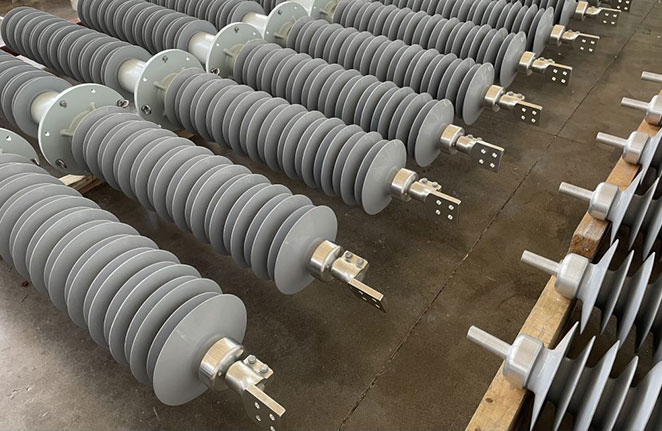
The insulated feedthrough is widely used in electrical infrastructure and industrial environments. Substations depend on it for transformer and transmission line connections. Industrial plants use wall bushing in power systems in high-load distribution systems. Renewable energy facilities integrate it into solar and wind power networks. Railway electrification systems rely on it for traction power delivery. Oil and gas industries install it in hazardous environments. Mining operations require it for heavy-duty electrical equipment. Each application demands high insulation reliability and mechanical strength. This versatility makes it essential in modern power infrastructure systems worldwide.
Types of Wall Bushing in Power Systems and Their Characteristics
This equipment comes in several technical configurations. Oil-filled designs use dielectric fluid for cooling and insulation. Dry-type versions rely on solid epoxy insulation materials. Capacitor-graded structures manage electric field distribution using layered conductive foils. Polymer versions offer lightweight and pollution-resistant performance. Each type serves different voltage and environmental requirements. Selection depends on installation conditions and system specifications. Engineers evaluate thermal resistance, dielectric strength, and mechanical durability before deployment. These variations improve flexibility in power system design and ensure stable long-term performance.
Standards and Compliance for Electrical Installations
This insulation interface must comply with internationally recognized standards governing high-voltage insulation equipment. IEC 60137 defines requirements for alternating current bushings, while IEC 60071 specifies insulation coordination and withstand voltage levels. IEEE C57.19.00 and C57.19.01 outline performance, testing, and rating criteria for bushings used in power transformers. NEMA TR 1 provides guidance on electrical equipment enclosure protection and environmental performance expectations. Engineers conduct standardized lightning impulse tests, power frequency withstand tests, and partial discharge measurements before approval. Proper grounding design ensures operational safety in high-voltage environments. Clearance distances reduce flashover risks in compact installations. Compliance with these standards ensures reliable and safe operation. It also guarantees compatibility across global electrical infrastructure systems.
Maintenance Strategy for Wall Bushing in Power Systems
Regular inspection is required to maintain performance stability. Technicians measure insulation resistance to detect early degradation. Thermal imaging identifies abnormal heat buildup during operation. Surface cleaning removes conductive dust and contamination. Partial discharge testing helps identify insulation weakness. Maintenance frequency depends on voltage level and environmental exposure. Moisture sealing checks prevent long-term performance issues. Predictive maintenance improves reliability and reduces failure risks. Proper handling procedures ensure technician safety during inspection activities. These practices extend equipment lifespan and maintain consistent electrical performance supported by wall bushing in power systems.
Performance Comparison Table of Wall Bushing in Power Systems
| Type | Insulation Material | Voltage Capacity | Application Area |
|---|---|---|---|
| Oil-filled | Insulating oil and paper | High to Extra High | Substations and transformers |
| Dry-type | Epoxy resin | Medium to High | Industrial switchgear |
| Capacitor-graded | Conductive foil layers | Extra High | Transmission networks |
Different designs vary significantly based on insulation technology. Oil-filled types deliver strong thermal stability for high-load systems. Dry-type models offer simplified maintenance in indoor environments. Capacitor-graded structures provide advanced field control for ultra-high voltage applications. Material selection influences performance efficiency and durability. Engineers choose configurations based on operational environment and voltage requirements. Proper selection ensures stable energy transmission and reduces electrical stress concentration across systems.
Key Performance Benefits of Wall Bushing in Power Systems
- Enhances electrical insulation safety
- Reduces risk of arc discharge
- Improves system operational reliability
- Supports compact equipment design
- Extends service lifespan of equipment
- Minimizes maintenance requirements
- Stabilizes electric field distribution
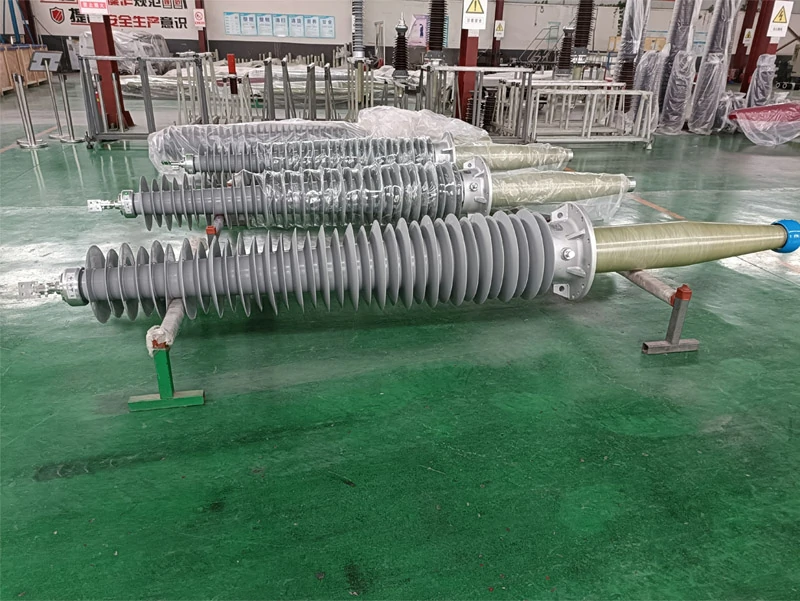
This electrical interface delivers essential operational advantages in electrical infrastructure. These benefits improve system stability and reduce failure risks.