What Is The Purpose Of High-Voltage Contact Box?
Contact box in high voltage systems improves insulation control, arc protection, and operational reliability in industrial power equipment.
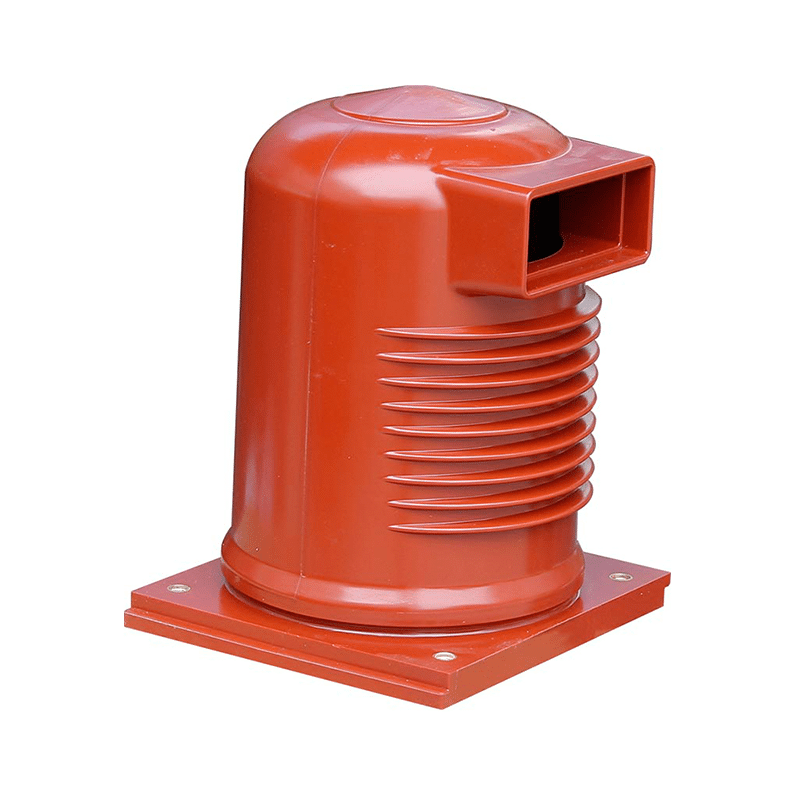
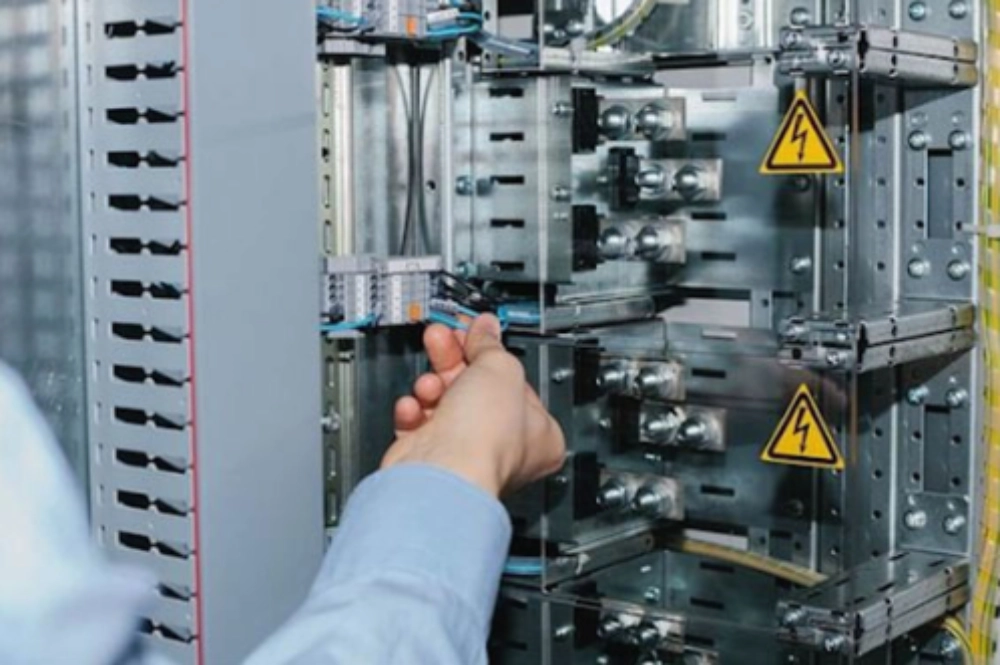
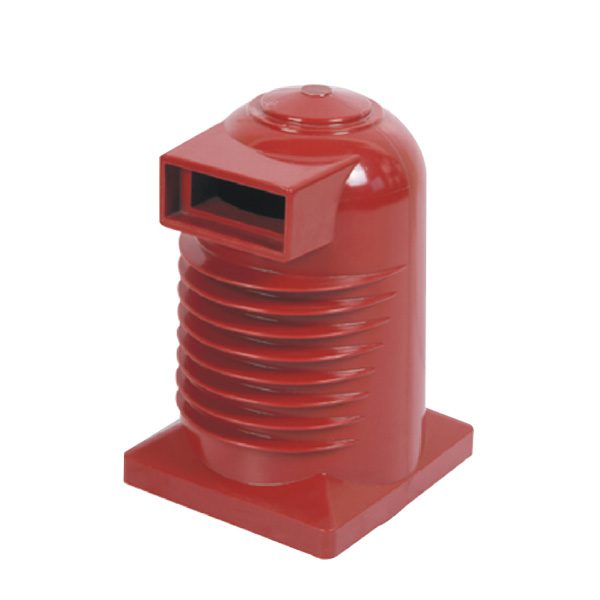
A contact box controls insulated electrical connections inside medium and high-voltage equipment assemblies. Engineers install this component inside switchgear cabinets, transformers, and power distribution panels. The structure separates conductive parts while maintaining stable current transmission during operation cycles. A contact box in high voltage systems also prevents insulation breakdown between energized conductors. Industrial facilities depend on stable insulation because voltage fluctuation damages sensitive electrical equipment quickly. Manufacturers normally use epoxy resin because the material offers strong dielectric performance and thermal stability. Modern production plants require precise electrical isolation across compact equipment layouts. Power engineers also design these units for mechanical durability under continuous operational stress. Reliable insulation systems reduce unexpected shutdowns and improve equipment service continuity across industrial distribution environments.
Internal Design Features Supporting Electrical Stability
Manufacturers build contact boxes with conductive inserts, insulation shells, and reinforced mounting structures. Copper conductors transfer electrical current through fixed connection points inside switchgear assemblies. Epoxy resin surrounds these conductors and creates insulated separation barriers against voltage leakage. Silicone coatings often improve moisture resistance in humid industrial environments. Production engineers also integrate shielding structures to reduce electric field concentration near energized surfaces. Rounded insulation edges lower partial discharge risks during high-voltage operation cycles. Thermal expansion control remains important because temperature variation affects dimensional stability significantly. Precision molding processes improve alignment accuracy between conductive terminals and insulating sections. High-density insulation materials additionally support strong dielectric performance under continuous electrical loading conditions. These structural features help industrial operators maintain reliable electrical distribution performance during long operational periods.
Electrical Risks Reduced By Stable Contact Performance
Electrical instability creates overheating, arc formation, and insulation failure across industrial power equipment systems. Stable contact pressure reduces resistance growth between conductive connection surfaces during operation. Low resistance minimizes heat accumulation and protects nearby insulation structures from thermal damage. Engineers also monitor vibration tolerance because industrial machinery generates continuous mechanical movement during production cycles. Weak conductive alignment increases wear rates and reduces electrical transmission efficiency gradually. Arc faults often develop when loose conductive surfaces create unstable electrical pathways. Proper insulation spacing reduces flashover probability inside compact high-voltage assemblies. Reliable contact structures also improve operational safety for technicians working near energized equipment. Many industrial plants prioritize long-cycle durability because downtime interrupts manufacturing productivity and increases maintenance costs significantly. Strong electrical stability therefore supports both operational safety and industrial profitability objectives.
Contact Box In High Voltage Systems And Arc Protection
Arc protection remains one of the most critical functions inside industrial power distribution equipment. A contact box in high voltage systems limits arc propagation through reinforced insulation geometry and controlled conductor spacing. Engineers calculate clearance distances carefully because insufficient spacing increases flashover probability dramatically. Partial discharge control also influences long-term insulation reliability across high-voltage installations. IEC standards define insulation coordination requirements for industrial switchgear and transformer assemblies. IEEE specifications additionally support electrical testing procedures for dielectric endurance verification. Manufacturers often perform impulse voltage testing before product installation in commercial facilities. Arc-resistant structures reduce equipment damage during unexpected electrical fault conditions. Industrial substations particularly require stable insulation systems because voltage fluctuations remain common during load transitions. Strong arc containment capabilities therefore improve operational safety and reduce equipment replacement expenses across critical power infrastructure.
Industrial Applications Across Power Distribution Sectors
Industrial operators install insulated contact assemblies across multiple high-voltage infrastructure environments. Different industries require unique operational characteristics depending on voltage load, environmental exposure, and maintenance schedules.
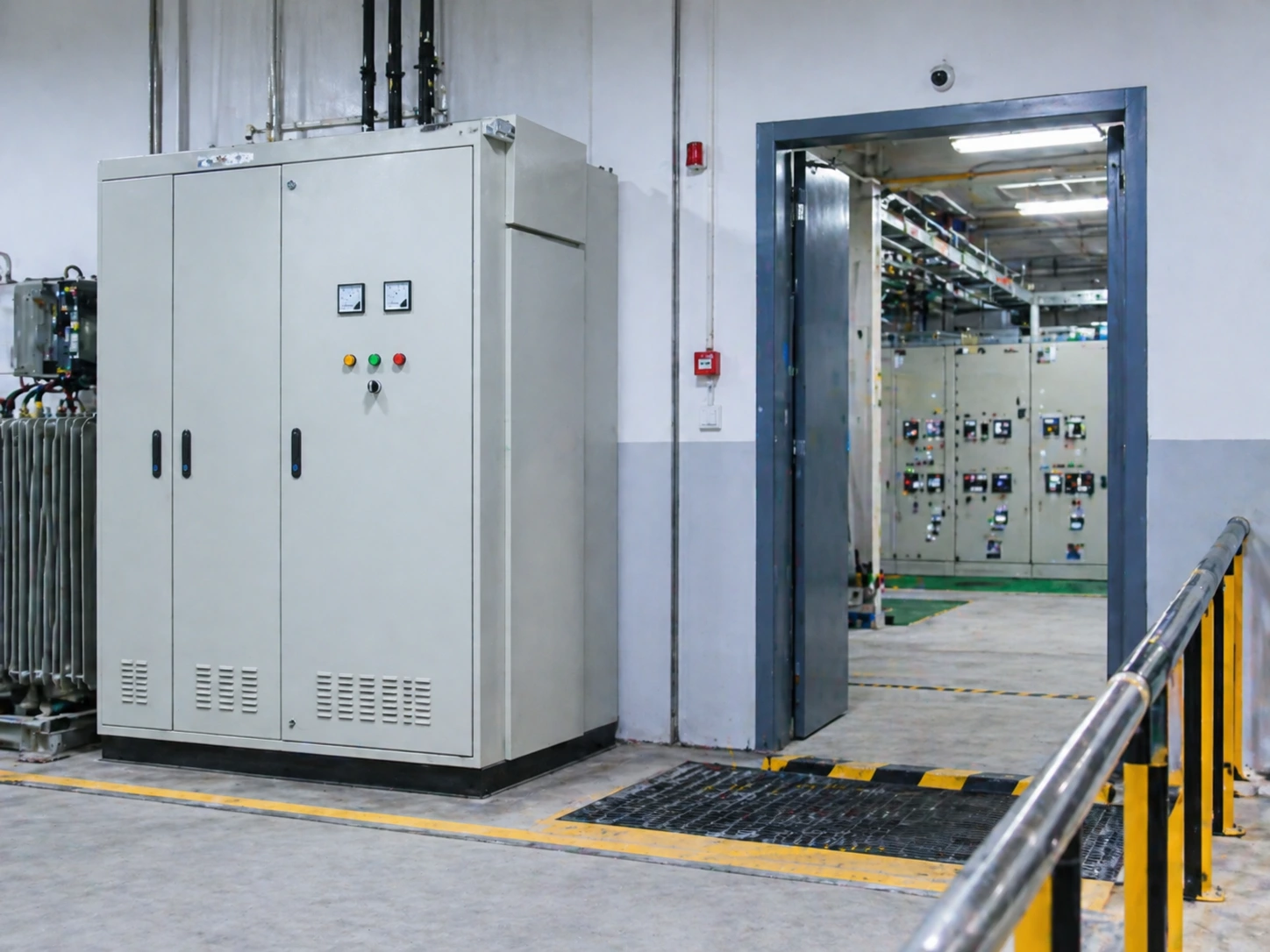
Switchgear cabinets inside manufacturing facilities
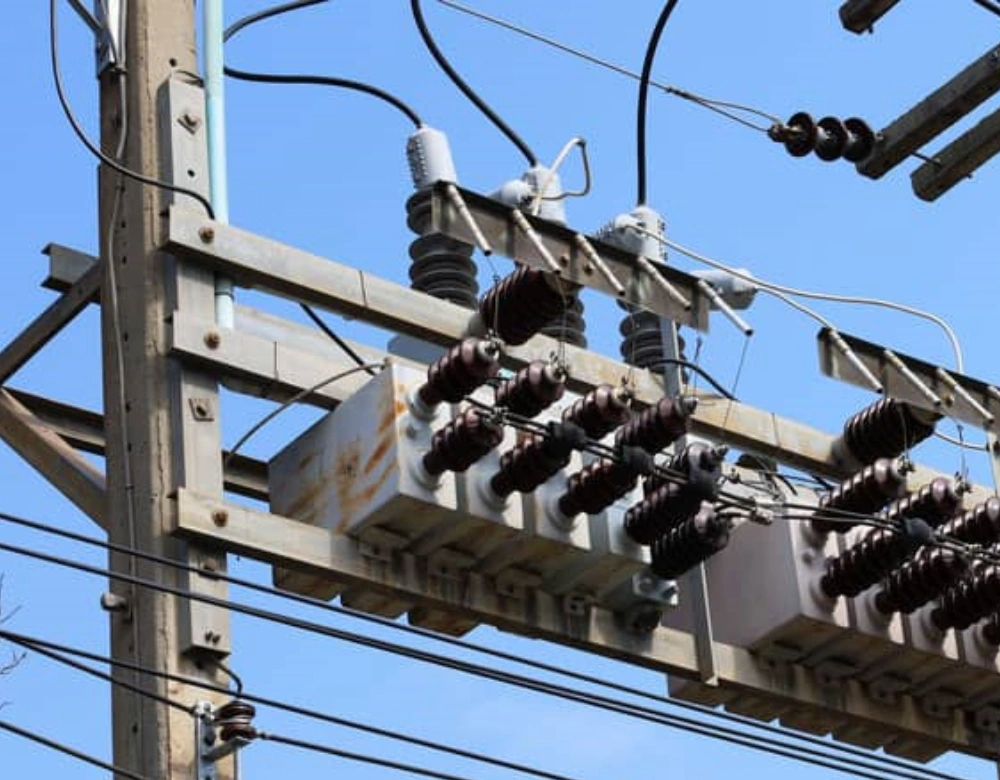
Electrical substations supporting utility transmission networks
Wind energy conversion systems and solar power stations
Rail transportation power distribution equipment
Heavy mining machinery electrical control systems
Petrochemical production facilities with hazardous environments
Large industrial facilities demand consistent insulation performance under demanding operational conditions. Renewable energy systems additionally require compact electrical assemblies because installation space remains limited. Transportation infrastructure also depends on stable voltage distribution during continuous operational cycles. Industrial power engineers therefore select insulated contact structures according to environmental stress levels, thermal exposure, and voltage capacity requirements.
| Application Sector | Voltage Requirement | Main Operational Challenge | Key Performance Focus |
|---|---|---|---|
| Manufacturing Plants | Medium To High Voltage | Continuous Equipment Loading | Thermal Stability |
| Renewable Energy | Variable Voltage Output | Outdoor Exposure | Moisture Resistance |
| Rail Systems | High Current Demand | Mechanical Vibration | Contact Durability |
| Mining Facilities | Heavy Equipment Power | Dust Contamination | Insulation Integrity |
Material Selection And Manufacturing Precision
Material selection directly affects insulation reliability, mechanical durability, and thermal resistance performance. Epoxy resin remains widely used because it combines strong dielectric strength with manufacturing flexibility. Ceramic insulation materials tolerate higher thermal exposure but increase overall production costs considerably. Composite insulation structures often improve impact resistance and dimensional stability during long operational cycles. CNC machining processes help manufacturers maintain precise conductor alignment inside molded insulation assemblies. Accurate molding tolerances reduce electric field concentration around energized conductive sections. Surface smoothness additionally influences partial discharge resistance across high-voltage equipment environments. Production engineers also evaluate flame resistance, thermal conductivity, and moisture absorption before selecting insulation materials. Industrial applications requiring harsh environmental resistance usually adopt reinforced composite insulation structures for extended operational reliability.
| Material Type | Dielectric Strength | Thermal Resistance | Industrial Advantage |
|---|---|---|---|
| Epoxy Resin | High | Strong | Cost Efficiency |
| Ceramic Insulation | Very High | Excellent | Extreme Heat Resistance |
| Composite Materials | High | Moderate | Impact Durability |
| Silicone Coating | Moderate | Strong | Moisture Protection |
Environmental Conditions Influencing Equipment Lifespan
Environmental stress significantly affects insulation aging and conductive stability inside industrial power systems. Humidity accelerates surface contamination and increases leakage current risks around energized components. Dust accumulation additionally reduces insulation efficiency during extended operational cycles. High ambient temperatures accelerate resin aging and reduce dielectric strength gradually. Mechanical vibration also weakens conductive alignment across heavily loaded industrial equipment installations. Corrosive chemical exposure creates additional degradation risks within petrochemical production environments. Maintenance engineers therefore inspect insulation surfaces regularly for cracks, discoloration, and contamination buildup. Ventilation systems help reduce internal temperature accumulation inside switchgear enclosures during continuous operation. Protective enclosure designs additionally minimize moisture penetration in outdoor electrical infrastructure installations. Stable environmental control strategies improve operational reliability and extend equipment service life significantly across industrial distribution networks.
Contact Box In High Voltage Systems And Maintenance Strategy
Maintenance planning improves operational reliability and reduces unexpected electrical equipment failure risks. A contact box in high voltage systems requires regular inspection because insulation degradation develops gradually over time. Infrared thermal imaging identifies abnormal temperature increases near conductive connection points efficiently. Engineers also perform insulation resistance testing to verify dielectric integrity across energized assemblies. Maintenance teams inspect conductive surfaces for corrosion, contamination, and mechanical wear during scheduled shutdown periods. Predictive maintenance programs reduce operational interruptions by identifying faults before major equipment failure occurs. Digital monitoring sensors additionally support real-time temperature and discharge tracking within critical installations. Industrial operators often integrate automated monitoring systems into smart substation infrastructure. Reliable inspection routines therefore support long-term operational continuity across power-intensive manufacturing and utility distribution environments.
Recommended maintenance procedures include:
Infrared thermal inspection every operational quarter
Insulation resistance testing during scheduled shutdown periods
Surface cleaning for dust and contamination removal
Torque verification across conductive mounting connections
Moisture inspection within outdoor electrical enclosures
Partial discharge monitoring for insulation aging detection
These maintenance activities improve equipment reliability and reduce unexpected operational interruptions significantly. Industrial facilities also benefit from reduced replacement costs because early inspection prevents severe electrical damage progression. Long-term maintenance planning therefore supports safer and more efficient industrial power distribution performance.
Economic Advantages Of Reliable Insulation Components
Industrial facilities prioritize operational continuity because electrical downtime creates major production losses rapidly. Reliable insulation systems reduce maintenance frequency and improve equipment operating efficiency over extended service periods. Stable conductive connections also lower electrical resistance and minimize unnecessary heat generation during operation. Reduced thermal loss improves overall energy efficiency inside industrial distribution systems. Manufacturers additionally benefit from fewer emergency repair requirements and reduced spare component inventory costs. Long-life insulation materials support stable operational performance across demanding industrial environments. Predictive maintenance systems further reduce labor expenses by improving fault detection accuracy before equipment failure occurs. Industrial utility operators therefore invest heavily in high-quality insulated electrical assemblies for long-term operational reliability. Efficient electrical infrastructure ultimately supports production stability, equipment safety, and overall manufacturing profitability across modern industrial sectors.
How Often Should High-Voltage Contact Box Be Maintained?
Utility transmission networks typically require scheduled inspections quarterly or biannually depending on load conditions and environmental exposure. Manufacturing facilities often implement monthly or quarterly maintenance because continuous production places constant stress on high-voltage systems. Railway transportation infrastructure generally follows semi-annual or seasonal maintenance cycles to ensure traction switching equipment remains reliable and safe. Renewable energy installations usually adopt semi-annual maintenance routines supported by remote monitoring to reduce downtime risks. Petrochemical plants require monthly or more frequent inspections due to hazardous operating environments and strict safety requirements. Mining facilities schedule frequent maintenance because harsh conditions and heavy-duty equipment accelerate component wear. Large data centers increasingly rely on predictive maintenance systems with real-time monitoring combined with periodic validation inspections to ensure uninterrupted power stability.
How often should industrial operators inspect contact boxes?
Industrial operators usually inspect insulated electrical assemblies every three to six months. Inspection frequency depends on environmental exposure, operational load, and voltage classification requirements. Facilities with heavy dust contamination or high humidity often require shorter maintenance intervals. Engineers commonly perform infrared thermal scanning during routine operational inspections to identify overheating risks quickly. Annual shutdown periods normally include insulation resistance testing and mechanical connection verification procedures. Renewable energy facilities additionally monitor electrical performance continuously because environmental conditions change frequently outdoors. Industrial substations handling critical power distribution loads often integrate automated monitoring systems for real-time fault detection. Consistent inspection schedules improve operational reliability and reduce unexpected electrical shutdown risks significantly across industrial infrastructure systems.