
What Is The Purpose Of Voltage Detecting Indicating System?
Voltage Detecting Indicating System ensures safety and visibility of electrical voltages in industrial switchgear operations.
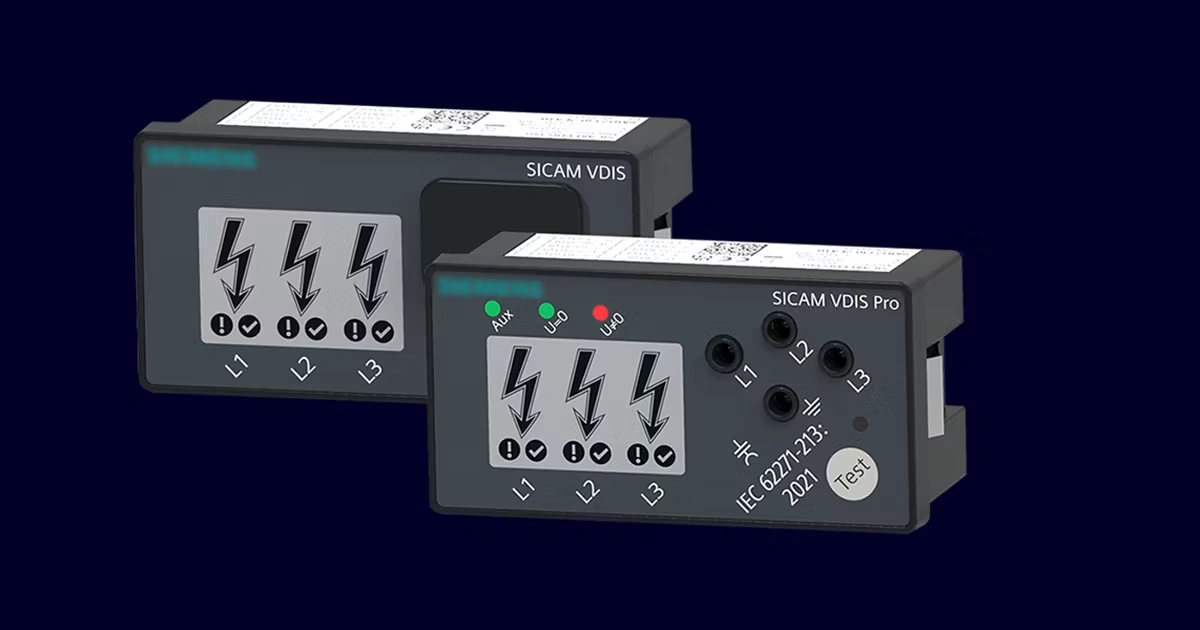
Voltage Detecting Indicating System provides real-time detection of electrical voltage in industrial environments. Operators can quickly identify whether a circuit is live or de-energized, reducing the risk of electric shock. This system integrates with switchgear and control panels to provide clear visual signals. In medium and high voltage applications, accurate detection is crucial for maintenance and inspection safety. Early fault detection helps prevent equipment damage and downtime. Many industrial facilities rely on these systems to comply with international electrical standards. Correct installation ensures that operators receive reliable voltage information instantly.
Core Functions in Industrial Applications
The main function of Voltage Detecting Indicating System is to detect the presence of voltage and indicate its status visually. It can identify individual phases, providing separate indicators for three-phase systems. The system includes sensors, signal processing units, and indicator lamps or LEDs. It ensures operators do not interact with live parts unknowingly. Integration with control systems allows automatic alarms and logging. Some designs include remote monitoring capabilities to enhance safety. The system reduces human error during maintenance. Q22S-JK Interlock VDIS for Passive Electromagnetic Lock exemplifies specialized applications where operator safety is prioritized.
Key Components Inside a Voltage Detecting Indicating System
Voltage sensing units often use capacitive or electromagnetic coupling methods to detect voltage. Signal conditioning modules amplify and filter sensor outputs. Indicators include LEDs, lamps, or digital displays that reflect voltage presence accurately. Insulation design ensures operators are protected from high voltage exposure. Auxiliary components like fuses and surge protectors enhance system reliability. Correct calibration of each component maintains accuracy under varying environmental conditions. Manufacturers often test components under IEC standards for dielectric strength and temperature resilience. System modularity allows replacement of parts without interrupting operations.
Technical Standards and Compliance Requirements
Voltage Detecting Indicating System must comply with IEC 60439 and ANSI C37 series standards for switchgear safety. Insulation coordination follows IEEE guidelines to avoid electrical breakdown. Testing involves dielectric tests, insulation resistance checks, and phase sequence verification. Regular calibration ensures measurements remain accurate. Compliance documentation supports audits and legal requirements. Some systems undergo additional EMC and environmental testing. High-voltage systems require strict adherence to clearance and creepage distances. Proper certification improves operational confidence for maintenance teams and engineers.
Installation Guidelines for Voltage Detecting Indicating System
Panel mounting requires careful positioning to avoid interference with other equipment. Wiring should maintain adequate clearance and follow recommended color codes for phase identification. Environmental factors such as humidity, dust, and vibration must be considered. Mounting brackets should provide mechanical stability and prevent accidental dislodgement.
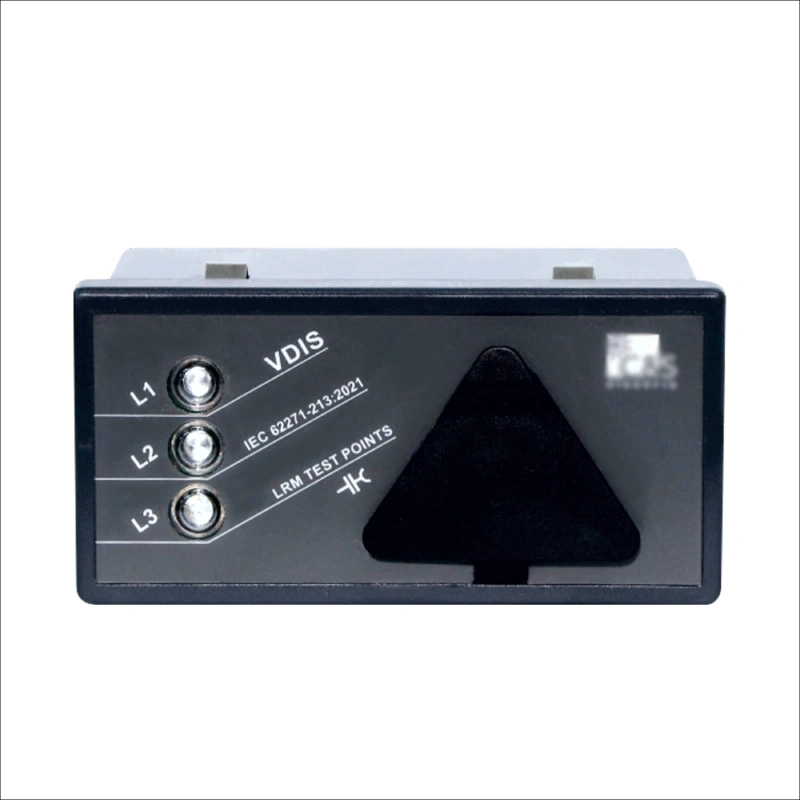
Routine inspection intervals help ensure indicators remain functional. Operators must be trained on the correct interpretation of signals.Some systems allow modular plug-in installation, as seen in Integral Lamp Plug-in VDIS for Switchgear, simplifying replacement. Documentation of installation ensures long-term safety and system reliability.
Advantages of Voltage Detecting Indicating System
1.Immediate voltage status recognition
2.Reduced maintenance risks
3.Enhanced operator safety
4.Compliance with international standards
5.Early fault detection and prevention
These advantages highlight why industrial facilities increasingly adopt such systems. Real-time monitoring minimizes human error and protects equipment. Safety compliance is improved without adding excessive operational complexity. Early detection of abnormal voltage reduces downtime costs. Operators gain confidence during high-risk maintenance tasks.
Comparison of Voltage Detection Methods
| Detection Method | Response Time | Accuracy |
|---|---|---|
| Electrostatic Capacitive | Milliseconds | High |
| Inductive Coupling | Sub-second | Medium |
| Direct Contact | Instant | High |
The table shows differences in response times and accuracy. Engineers select methods based on voltage level, environmental factors, and system integration requirements. Each detection type has specific advantages and limitations. Capacitive methods suit live-line monitoring. Inductive methods provide robust insulation. Direct contact offers precise measurements but requires additional safety precautions.
Operational Benefits in Modern Power Distribution Systems
Voltage Detecting Indicating System allows real-time monitoring in complex electrical networks. Operators can respond immediately to abnormal conditions. Predictive maintenance is enhanced with continuous voltage feedback. System reliability increases by preventing accidental energization. Maintenance scheduling becomes more efficient, reducing unplanned outages. Remote monitoring reduces the need for personnel near live panels. Data from the system supports energy efficiency optimization. It also improves coordination between different electrical subsystems. Integral visibility contributes to overall operational safety in industrial plants.
Maintenance and Reliability Metrics
| Parameter | Recommended Interval | Expected Lifetime |
|---|---|---|
| Indicator Lamps | 6 Months | 5 Years |
| Voltage Sensors | 12 Months | 10 Years |
| Signal Modules | 12 Months | 8 Years |
This table guides maintenance planning. Proper upkeep ensures continuous accuracy. Predictable replacement cycles prevent unexpected failures. Engineers can prioritize critical components. Metrics also support compliance documentation for audits.
Common Applications of Voltage Detecting Indicating System
These systems are widely used in switchgear cabinets, power substations, and industrial control rooms. Renewable energy installations use voltage detection to safeguard inverters. Transportation electrical systems benefit from early fault detection. Some systems are integrated with building management systems for centralized monitoring. Utilities rely on them to improve operator safety and reduce service interruptions. Q22S-JK Interlock VDIS demonstrates application in high-safety interlock scenarios. Integral Lamp Plug-in VDIS enhances flexibility in switchgear maintenance. Applications are expanding as safety regulations become stricter.
FAQ
What is the main purpose of a Voltage Detecting Indicating System?
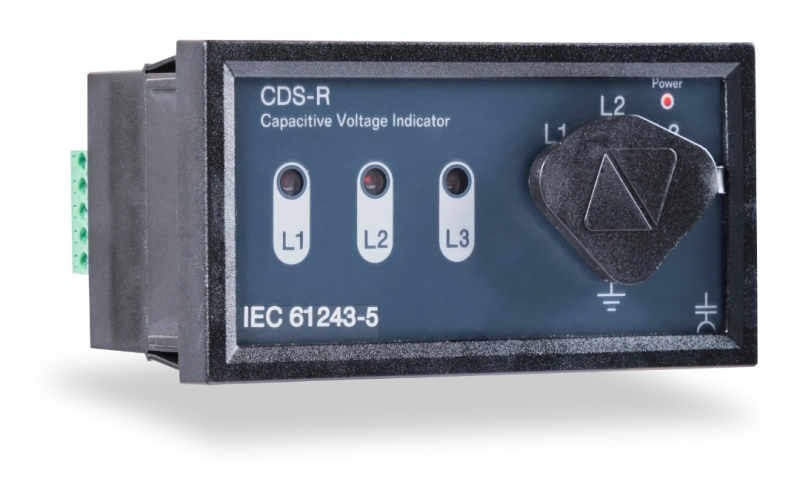
Voltage Detecting Indicating System ensures operators know the voltage status of circuits instantly. It provides clear visual signals for live, de-energized, or abnormal states. By detecting voltage in real time, it minimizes accidental contact with live parts. This system integrates into switchgear and panels, supporting safety procedures. It reduces maintenance risks and improves operational efficiency. In industrial settings, voltage indication prevents costly equipment damage. Specialized systems like interlock VDIS units further enhance protection. Overall, the system serves as a critical safety layer for high-voltage environments.