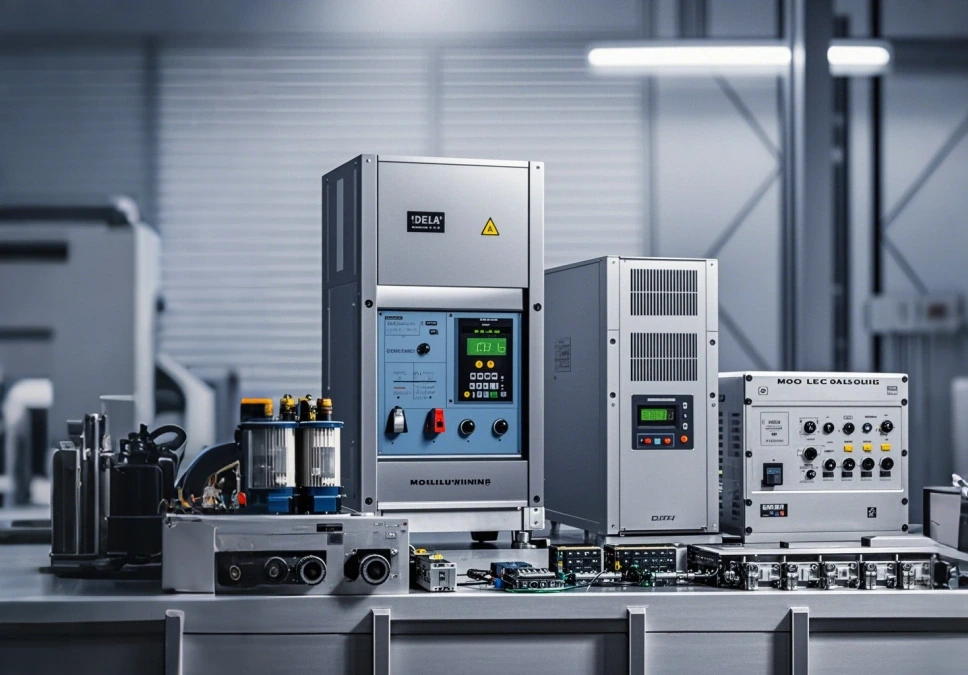
What Makes A High-Quality Power Distribution Cabinet Light?
Power Distribution Cabinet Light offering efficient, durable, and safe illumination for industrial and commercial electrical cabinets.
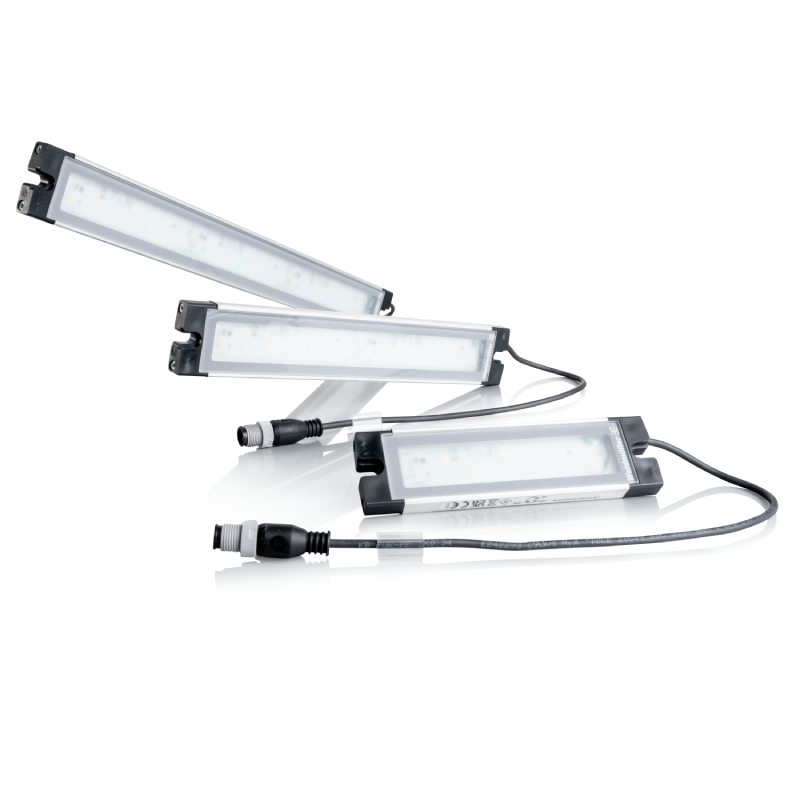
The Importance of a Reliable Power Distribution Cabinet Light
Power Distribution Cabinet Light ensures safe and efficient illumination within electrical cabinets. Proper lighting improves operational visibility and reduces inspection errors. Maintenance teams rely on clear illumination when checking terminals and wiring. Industrial environments often contain complex electrical assemblies. Reliable lighting helps technicians identify issues quickly. Quality lighting also reduces maintenance time and labor costs. Modern cabinet lights support energy-saving goals while maintaining consistent brightness. Many facilities upgrade older lighting systems to improve safety and performance. Selection should focus on durability, efficiency, and compliance. A dependable lighting solution supports long-term operational stability and enhances workplace safety throughout daily inspection and maintenance activities.
Key Components That Ensure Light Performance
Several components determine overall lighting performance. LED chips provide the primary light source and directly influence brightness consistency. Drivers regulate voltage and protect circuits from fluctuations. Diffusers distribute light evenly across cabinet interiors. Reflectors help maximize illumination efficiency without increasing power consumption. Mounting brackets support secure installation during equipment operation. Heat dissipation structures prevent excessive temperatures from damaging internal electronics. Wiring connectors influence reliability and simplify maintenance procedures. High-quality materials improve long-term stability under industrial conditions. Every component contributes to operational performance. Selecting products with proven component quality helps ensure dependable illumination and reduces unexpected failures during routine electrical inspections.
Energy Efficiency Standards and Compliance
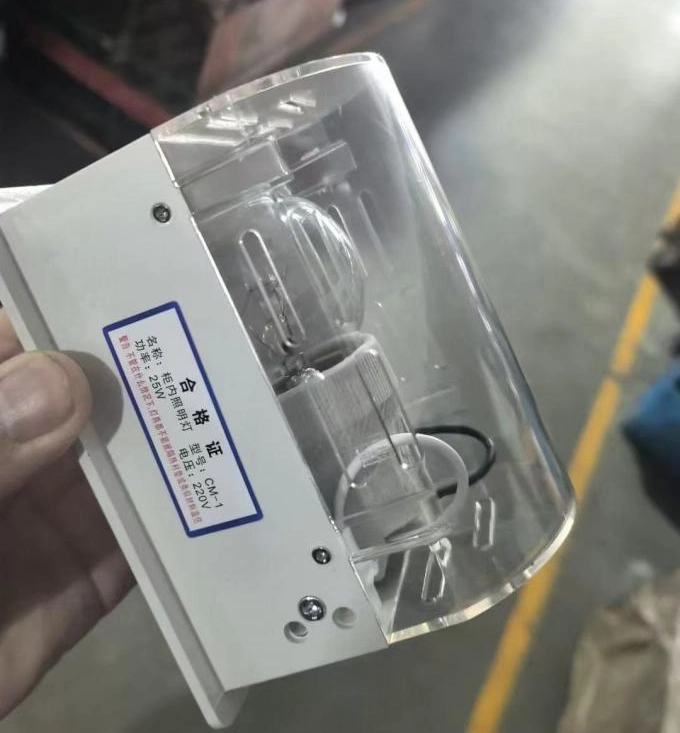
Energy efficiency remains an important consideration for industrial facilities. Modern LED cabinet lights consume significantly less electricity than fluorescent alternatives. Compliance with standards such as IEC 60598 helps verify safety and performance. Certified products often provide better reliability and lower operating costs. CM-1 Cabinet Light for Switchgear meets demanding industrial requirements while maintaining efficient power consumption. Reduced energy usage lowers operating expenses across large facilities. Efficient lighting also supports environmental sustainability initiatives. Many organizations include lighting upgrades within energy optimization programs. Compliance testing evaluates electrical safety, thermal performance, and durability. Choosing certified products helps facilities maintain operational reliability while meeting regulatory and corporate efficiency objectives.
Durability and Material Considerations
Material quality directly influences service life and maintenance requirements. Aluminum housings provide excellent strength and thermal conductivity. Polycarbonate materials offer impact resistance and electrical insulation benefits. Corrosion-resistant coatings protect surfaces in humid environments. Durable lens materials help maintain consistent light transmission over time. Industrial cabinets often experience vibration and temperature changes. Quality construction helps prevent structural degradation. Reliable seals reduce dust and moisture intrusion. Manufacturers commonly use reinforced mounting hardware to improve installation stability. Material selection should match environmental conditions and operational requirements. Strong construction reduces replacement frequency and supports long-term performance in demanding industrial applications.
Power Distribution Cabinet Light Features That Improve Reliability
Power Distribution Cabinet Light designs often include features that improve operational reliability. Surge protection helps prevent damage from voltage spikes. Stable drivers maintain consistent illumination during electrical fluctuations. High-quality LED modules deliver long service life and predictable performance. Advanced thermal management reduces component stress and extends lifespan. Some models include magnetic mounting systems for flexible installation. Others provide door-activated switching for convenience and energy savings. Protective housings shield sensitive components from environmental exposure. Reliable lighting minimizes maintenance interruptions and improves technician productivity. Facilities benefit from reduced downtime when dependable illumination remains available throughout daily operations and inspection procedures.
Installation and Maintenance Best Practices
Proper installation helps maximize lighting performance and longevity. Technicians should verify voltage compatibility before connecting electrical circuits. Mounting locations should provide full coverage across critical components. Secure wiring prevents accidental disconnections during operation. Routine inspections help identify wear before failures occur. Cleaning lenses improves illumination quality and maintains brightness levels. Maintenance records support effective asset management. Regular inspections also help verify safety compliance. Facilities often schedule lighting checks alongside electrical maintenance programs. Following structured installation and maintenance procedures improves reliability. Consistent upkeep reduces operating costs while supporting safe working conditions within industrial power distribution systems.
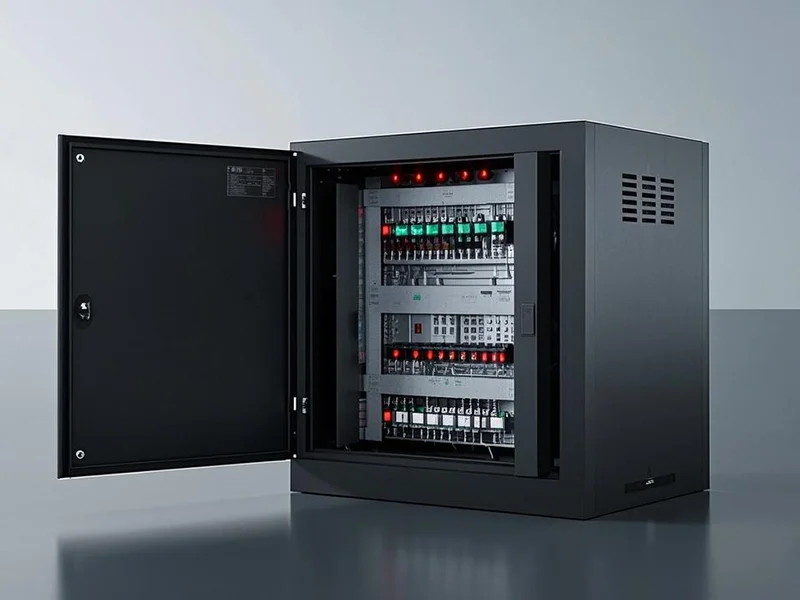
Safety Features and Electrical Protection
Safety remains a primary requirement for industrial cabinet lighting. Insulated housings reduce the risk of accidental electrical contact. Overcurrent protection helps prevent equipment damage during abnormal conditions.Fire-resistant materials improve safety in enclosed electrical spaces. Proper grounding supports stable operation and minimizes electrical hazards. Many products include certification marks that verify compliance with recognized standards. Emergency lighting functions may support maintenance during power interruptions. Low heat generation provides an additional safety advantage compared with older technologies. Comprehensive protection features help safeguard personnel and equipment. Effective safety design contributes to operational continuity and supports industrial risk management objectives.
Power Distribution Cabinet Light Selection Based on Brightness
Power Distribution Cabinet Light selection should include careful evaluation of brightness requirements. Cabinet size significantly influences the required lumen output. Smaller cabinets may require modest illumination levels. Larger assemblies often benefit from higher brightness and wider distribution patterns. Uniform illumination helps eliminate shadows around terminals and components. Flicker-free operation improves technician comfort during inspections. Adjustable lighting options provide flexibility across different applications. Energy efficiency should remain balanced with illumination performance. Facilities should evaluate operating conditions before selecting lumen output. Proper brightness improves maintenance accuracy and supports safer working conditions throughout electrical inspection and servicing activities.
Cost Versus Long-Term Value
Initial purchase price represents only one part of the total investment. Energy consumption influences operating expenses over many years. Durable construction reduces replacement frequency and maintenance costs. Reliable lighting minimizes downtime and improves workforce productivity. Warranty coverage often reflects manufacturer confidence in product quality. Higher-quality products frequently provide stronger long-term value despite higher initial costs. Organizations should evaluate lifecycle costs rather than purchase price alone. Efficient lighting systems support operational and financial objectives simultaneously. Strategic investment decisions help maximize return on investment. Long-term value analysis often identifies premium lighting solutions as the most economical choice for industrial applications.
Comparison of Common Cabinet Light Types
| Type | Lifespan (Hours) | Power Consumption | Typical Application |
|---|---|---|---|
| Fluorescent | 12,000 | High | Legacy Installations |
| Standard LED | 50,000 | Low | Industrial Cabinets |
| Integrated LED | 60,000 | Very Low | Modern Switchgear |
LED technology clearly offers advantages in lifespan and energy efficiency. Industrial users increasingly replace fluorescent systems with LED alternatives. Longer service life reduces maintenance frequency and labor requirements. Lower power consumption helps decrease operating expenses. Selection should also consider environmental conditions and installation requirements. Facilities often benefit from standardized lighting solutions across multiple cabinet types. Comparing technologies helps identify the most suitable option for specific operational needs. Careful evaluation supports better procurement decisions and improved long-term performance throughout industrial electrical systems.
Installation Checklist for Industrial Applications
- Verify voltage compatibility before installation.
- Confirm mounting space inside the cabinet.
- Check wiring integrity and insulation quality.
- Test illumination coverage before final commissioning.
- Inspect safety certifications and compliance markings.
- Schedule periodic cleaning and maintenance.
- Record installation details for future servicing.
A structured checklist helps technicians maintain installation quality and consistency. Verification procedures reduce the likelihood of operational issues. Proper documentation supports future troubleshooting and maintenance planning. Consistent installation standards improve reliability across multiple facilities. Organizations often integrate these procedures into broader maintenance programs. Following standardized practices enhances safety, efficiency, and equipment performance while supporting long-term operational objectives.
Detailed Performance Metrics
| Metric | Fluorescent | Standard LED | Advanced LED |
|---|---|---|---|
| Lumens | 900 | 1200 | 1250 |
| Power Factor | 0.85 | 0.95 | 0.97 |
| Temperature Range | -10°C to 40°C | -20°C to 50°C | -20°C to 60°C |
How Often Should Maintenance Be Performed on Cabinet Lights?
Maintenance frequency varies according to environmental conditions and operating schedules. Facilities with heavy dust exposure often require more frequent inspections. Many industrial operators perform lighting inspections every three to six months. Routine cleaning helps maintain consistent illumination levels. Technicians should inspect wiring, connectors, and mounting hardware during maintenance visits. Signs of flickering or reduced brightness may indicate component wear. Maintenance records help identify long-term performance trends and replacement requirements. Structured maintenance programs reduce unexpected failures and support operational reliability. Regular inspections help maintain safety standards while maximizing the service life of installed lighting systems.
Conclusion
A high-quality Power Distribution Cabinet Light combines durability, efficiency, safety, and reliable performance. Strong materials, efficient LED technology, and certified safety features contribute to long-term value. Proper installation and maintenance further enhance operational reliability. Technical evaluation should include brightness, protection ratings, energy consumption, and lifecycle costs. Industrial facilities benefit from dependable illumination that supports inspection accuracy and workplace safety. Careful product selection helps reduce downtime and maintenance expenses. Organizations that prioritize quality lighting solutions can improve operational efficiency while supporting the long-term performance of electrical distribution infrastructure.