What Makes A Professional Switchgear Interior Light Factory?
Switchgear Interior Light factory provides reliable cabinet lighting with quality control, custom options, and industrial performance.
Professional Manufacturing Standards Build Reliable Industrial Lighting
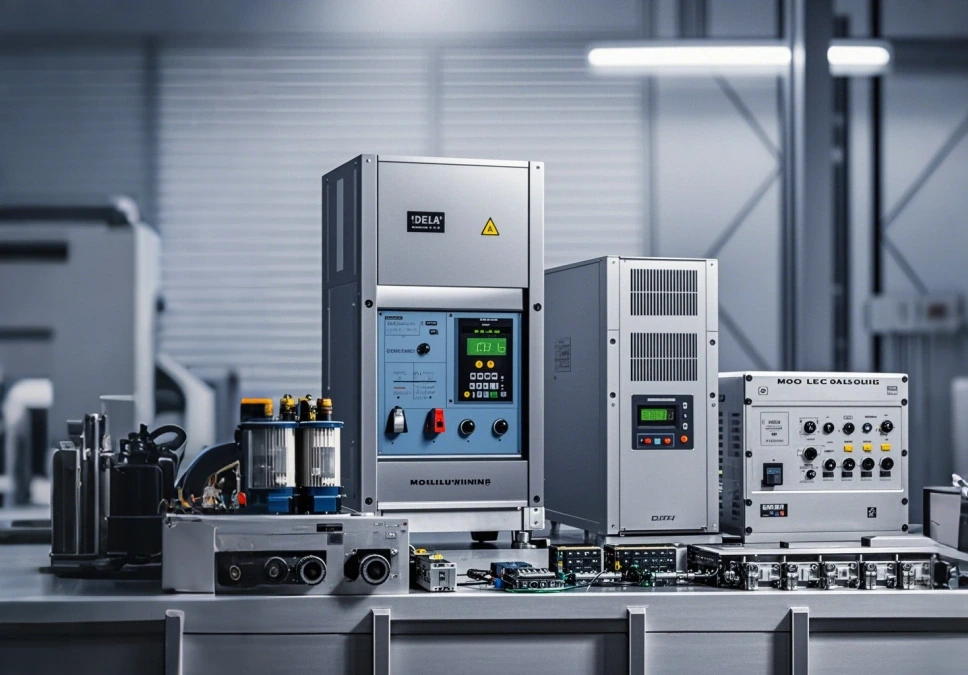
A professional Switchgear Interior Light factory focuses on stable production processes and strict quality control systems. Industrial cabinet lighting requires consistent performance because electrical equipment often operates continuously in demanding environments. Experienced manufacturers inspect raw materials before production begins. They check LED components, housing materials, circuit boards, and connection parts carefully. Production teams also monitor assembly accuracy during every stage. These methods reduce defects and improve product reliability. A strong factory combines engineering knowledge with manufacturing discipline. Buyers can evaluate production capability through quality records, testing procedures, and technical support. Reliable industrial lighting solutions depend on controlled processes rather than simple product assembly.
Advanced Production Equipment Enhances Switchgear Interior Light factory Performance
Modern production equipment plays an important role in improving industrial lighting quality. A professional Switchgear Interior Light factory uses precise machines for component assembly, electrical testing, and performance verification. Automated equipment helps maintain consistent product dimensions and reduces human errors. Production lines often include soldering systems, aging test machines, voltage inspection tools, and optical measurement devices. These systems support stable output for different cabinet applications. Skilled technicians manage equipment operation and review testing results. Advanced facilities also allow manufacturers to handle customized requirements more effectively. Efficient production management helps maintain delivery schedules while keeping product quality consistent across large orders.
Material Selection Determines Long-Term Cabinet Lighting Performance
Material quality directly affects the durability of electrical cabinet lighting systems. Manufacturers select materials based on temperature resistance, mechanical strength, and environmental protection requirements. Aluminum alloy housings provide excellent heat dissipation and structural stability. Engineering plastics offer electrical insulation and corrosion resistance. High-quality LED chips deliver stable brightness with lower energy consumption. Protective covers improve resistance against dust and accidental impact. A reliable production process considers every component, including screws, connectors, seals, and wiring terminals. These small parts influence operational safety and service life. Professional suppliers evaluate materials through laboratory testing and practical application feedback before large-scale manufacturing.
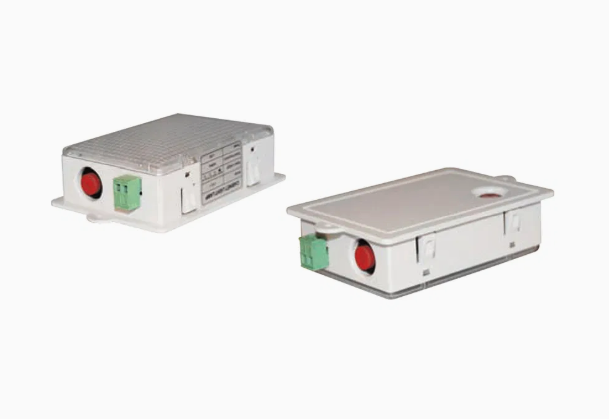
Different environments require different material combinations and protection designs. Industrial cabinets located in humid areas need stronger sealing solutions. Equipment used in chemical facilities requires corrosion-resistant materials. High-temperature locations need efficient thermal management systems. A detailed material strategy helps prevent failures during long-term operation. For example, CM-L3 Explosion-Proof Cabinet Light for Switchgear applies specialized structural protection for demanding industrial conditions. Such designs require careful component selection and strict production control. Material engineering creates a foundation for safer lighting performance in complex electrical installations.
Safety Standards Guide Professional Manufacturing Processes
Industrial lighting products must meet strict safety expectations before entering the market. Professional manufacturers follow international standards related to electrical protection, insulation performance, and environmental resistance. IEC 60529 defines IP protection ratings, such as IP54 for dust protection and limited water resistance, or IP65 for stronger protection against dust and water jets. IEC 60598 provides safety requirements for lighting equipment, including insulation, temperature control, and electrical construction. Manufacturers also consider IEC 61000 standards for electromagnetic compatibility to reduce interference risks. Electrical tests verify insulation strength, voltage stability, current performance, and operating temperature limits. These procedures reduce potential failures during field operation. Compliance with recognized standards helps buyers select reliable cabinet lighting solutions for different industrial environments.
| Testing Category | Purpose | Industrial Value |
|---|---|---|
| Voltage Testing | Checks electrical stability | Improves operational safety |
| Temperature Testing | Evaluates heat resistance | Supports long-term operation |
| IP Protection Testing | Measures dust and water resistance | Matches different environments |
| Lighting Performance Testing | Verifies brightness output | Ensures clear cabinet visibility |
Testing procedures create measurable quality assurance for industrial lighting products. Professional manufacturers record inspection results and analyze performance data before shipment. These records help identify production issues and improve future designs. Regular testing also supports continuous improvement during manufacturing. Buyers benefit from suppliers that maintain transparent inspection systems. Reliable testing methods demonstrate technical capability and strengthen confidence in long-term cooperation.
Manufacturing Processes Influence Product Reliability
Every production step affects the final performance of cabinet lighting equipment. Skilled workers complete PCB installation, LED positioning, wiring connections, and housing assembly with careful attention. Manufacturers inspect solder joints because weak connections may cause operational failures. Thermal management components receive special attention because excessive heat reduces LED lifespan. Sealing processes also require accuracy to maintain environmental protection. Quality teams review finished products through functional tests before packaging. These manufacturing details separate professional suppliers from basic production facilities. A strong process creates products that perform consistently under different electrical cabinet conditions.
Key Capabilities That Define Reliable Lighting Manufacturers
Professional suppliers usually provide several important advantages for industrial buyers:
- Strict incoming material inspection systems.
- Advanced production and testing equipment.
- Flexible customization services.
- Stable manufacturing capacity.
- Technical assistance for application requirements.
These capabilities reflect a complete manufacturing system rather than a single production stage. A reliable supplier combines engineering experience, quality management, and customer support. Buyers should review factory experience, testing methods, and product development ability before cooperation. Strong manufacturing capabilities help reduce project risks and provide better support for future applications. A complete service system creates additional value beyond product delivery.
Customization Services Support Diverse Cabinet Applications
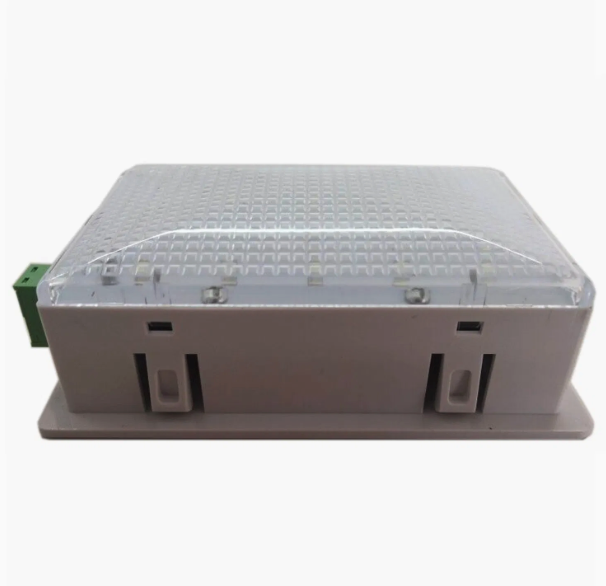
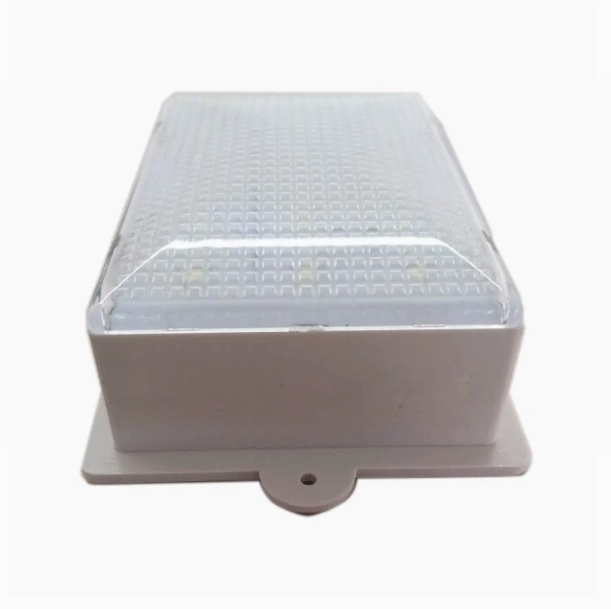
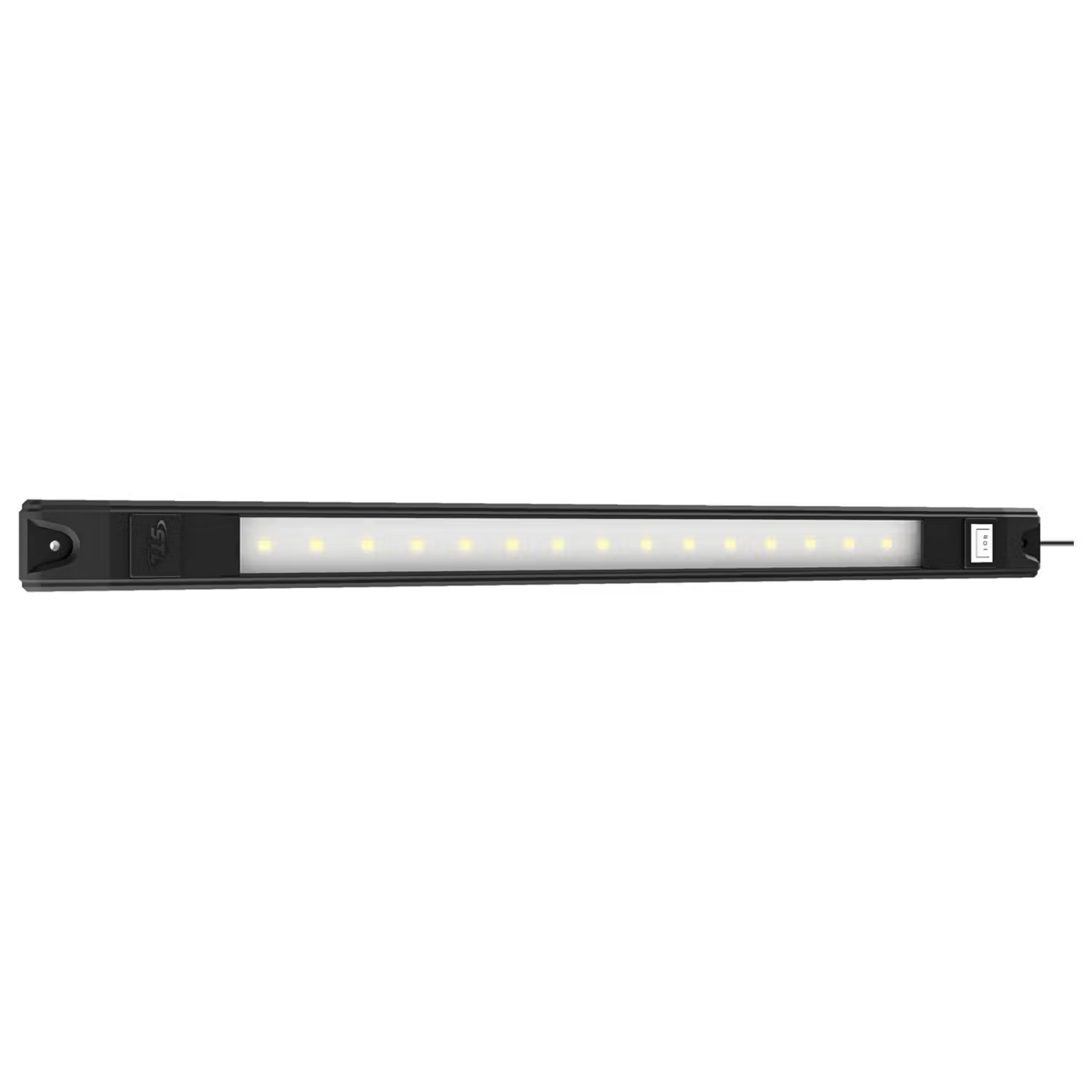
Different electrical cabinet projects require different lighting specifications. A professional manufacturer provides customization options for various installation environments. Engineers adjust product dimensions, voltage ranges, connection methods, and mounting structures according to application requirements. Some cabinets need compact lighting designs because internal space remains limited. Other systems require stronger protection features for outdoor or industrial locations. Custom solutions help users improve visibility while maintaining cabinet organization. The CM-L2 Cabinet LED Light for Switchgear represents a lighting option designed for efficient cabinet illumination with reliable LED performance. Flexible customization allows manufacturers to create practical solutions for different electrical equipment layouts.
Production Management Improves Delivery Stability
Efficient production management helps manufacturers maintain consistent product supply. A professional factory controls every stage from material purchasing to final shipment. Production planning ensures that components arrive on time and manufacturing schedules remain organized. Inventory management reduces delays caused by missing parts. Quality teams cooperate with production departments to solve potential issues quickly. Digital management systems also help track manufacturing progress and inspection records. These practices support stable delivery for large industrial projects. Reliable suppliers recognize that product availability and consistent quality are equally important for long-term customer relationships.
| Production Factor | Management Method | Customer Benefit |
|---|---|---|
| Material Supply | Supplier evaluation and inventory control | Reduces production delays |
| Assembly Process | Standardized operating procedures | Improves product consistency |
| Quality Inspection | Multiple testing checkpoints | Lowers failure risks |
| Delivery Management | Production scheduling systems | Supports reliable project timelines |
Manufacturing optimization creates stronger cooperation between suppliers and buyers. Production data helps teams identify weak points and improve efficiency. Standard procedures reduce unnecessary variation during assembly. Regular equipment maintenance also prevents unexpected interruptions. These methods allow manufacturers to handle different order volumes while maintaining stable quality. Buyers benefit from factories that combine technical ability with organized management practices. A professional production system creates confidence for repeated purchasing and long-term cooperation.
How Quality Inspection Protects Industrial Lighting Reliability
Quality inspection is a critical stage before industrial lighting products reach customers. Manufacturers evaluate electrical performance, brightness stability, mechanical structure, and environmental resistance. Aging tests simulate long operating periods to identify possible failures. Thermal inspections check whether heat dissipation systems work effectively. Electrical measurements confirm that products meet designed specifications. Visual inspections review housing surfaces, connection points, and assembly accuracy. These procedures help prevent defective products from entering industrial applications. Careful inspection demonstrates a manufacturer’s commitment to reliable performance and customer satisfaction.
Evaluating A Reliable Industrial Lighting Partner
Selecting the right supplier requires careful evaluation of technical and manufacturing capabilities. Buyers should review several important factors before making purchasing decisions. Factory experience demonstrates whether a supplier has sufficient knowledge of industrial application requirements. Production capacity indicates whether large orders can receive stable support. Certification records provide evidence of quality management. Engineering services demonstrate whether the supplier can solve customized challenges. Customer feedback also helps verify actual product performance. A professional manufacturing partner offers more than standard products. It provides technical confidence, stable communication, and continuous improvement support.
| Evaluation Item | Important Details | Selection Purpose |
|---|---|---|
| Factory Experience | Years of industrial lighting production | Confirms technical familiarity |
| Quality System | Inspection procedures and testing records | Verifies product reliability |
| Customization Ability | Design adjustment and engineering support | Meets project requirements |
| After-Sales Service | Technical communication and support | Improves cooperation efficiency |
A careful supplier evaluation process helps buyers avoid unnecessary risks. Professional manufacturers usually maintain transparent communication about materials, testing, and production schedules. They provide technical documents and detailed specifications for project planning. Strong cooperation depends on trust built through reliable performance and responsive service. Choosing an experienced partner supports better project results and reduces future maintenance concerns.
Professional Manufacturing Creates Better Switchgear Interior Light factory Solutions
A professional Switchgear Interior Light factory combines engineering knowledge, production technology, and quality management to deliver dependable cabinet lighting products. Successful manufacturers focus on every detail, from component selection to final inspection. They create solutions that support safety, efficiency, and long service life. Industrial lighting requires more than basic illumination because electrical cabinets need stable visibility during operation and maintenance. Strong manufacturing systems help products perform under different environmental conditions. Buyers who prioritize quality standards, customization capability, and technical experience can achieve better application results. Reliable production methods remain the foundation of effective cabinet lighting solutions.
FAQ
What certifications should a professional switchgear lighting manufacturer have?
Professional industrial lighting manufacturers should provide certifications related to electrical safety, product quality, and environmental protection. IEC standards often serve as important references for electrical equipment performance. IP protection ratings verify resistance against dust and moisture. Quality management certifications demonstrate controlled production processes. Manufacturers should also maintain testing records for voltage, temperature, and operational stability. These documents help buyers evaluate product reliability before cooperation. Certification information does not replace product testing, but it provides additional evidence of manufacturing capability. A supplier with complete technical documentation usually demonstrates stronger experience in industrial lighting applications.
How long can industrial cabinet lights usually operate?
The operating life of industrial cabinet lights depends on LED quality, thermal design, electrical stability, and working conditions. High-quality LED components can provide long service periods when manufacturers manage heat effectively. Aluminum housings improve heat dissipation and help maintain stable performance. Proper voltage control protects internal circuits from damage. Environmental factors such as humidity, dust, and temperature changes also influence service life. Professional manufacturers conduct aging tests to evaluate long-term reliability. Regular maintenance and correct installation further support consistent operation. A well-designed cabinet lighting system can provide dependable illumination for many years in suitable industrial environments.
Why is factory experience important when selecting interior cabinet lights?
Factory experience helps manufacturers develop stronger production methods and better technical solutions. Experienced teams have extensive knowledge of industrial cabinet structures, installation requirements, and application challenges. They can recommend suitable materials, protection levels, and lighting configurations for different projects. Long-term manufacturing experience also improves quality control because teams recognize potential production problems earlier. Skilled engineers can provide customization support when standard products cannot meet specific requirements. Buyers gain more confidence when suppliers have proven manufacturing records and professional service systems. A factory with extensive experience usually offers better reliability, communication, and technical support throughout the cooperation process.