
What Makes A Reliable Lighting Lamp For Switchgear Supplier?
Lighting Lamp for Switchgear supplier quality relies on voltage rating, thermal design, testing, customization, and production control.
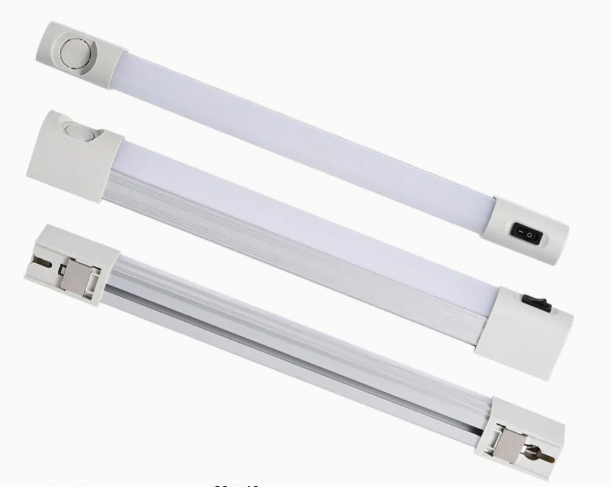
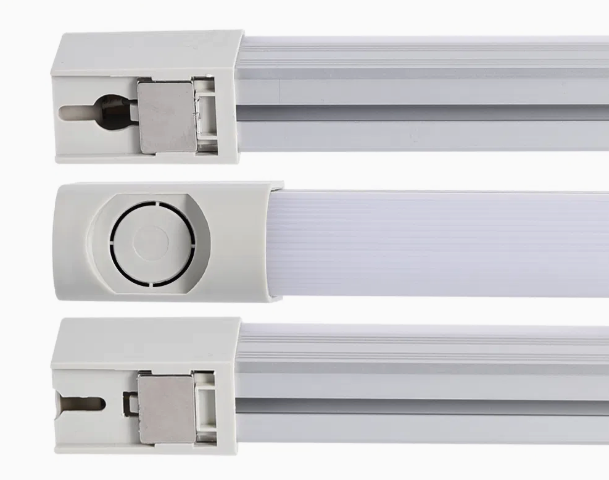
Lighting Lamp for Switchgear supplier selection requires more than checking brightness or unit price. Switchgear cabinets contain electrical devices within confined spaces. Internal lighting must therefore fit the enclosure without creating unnecessary thermal or electrical stress. Buyers should examine voltage compatibility, power consumption, housing materials, wiring, mounting, and testing. IEC 61439 covers construction, technical characteristics, service conditions, and verification requirements for low-voltage assemblies. Cabinet lighting does not replace these assembly requirements. Instead, it should integrate without compromising the cabinet design. A reliable sourcing process therefore begins with application details. Cabinet dimensions, auxiliary voltage, ambient temperature, mounting position, and operating conditions all affect the specification. These factors provide a stronger basis for supplier evaluation than product appearance alone.
Why Switchgear Lighting Requires Specialized Design
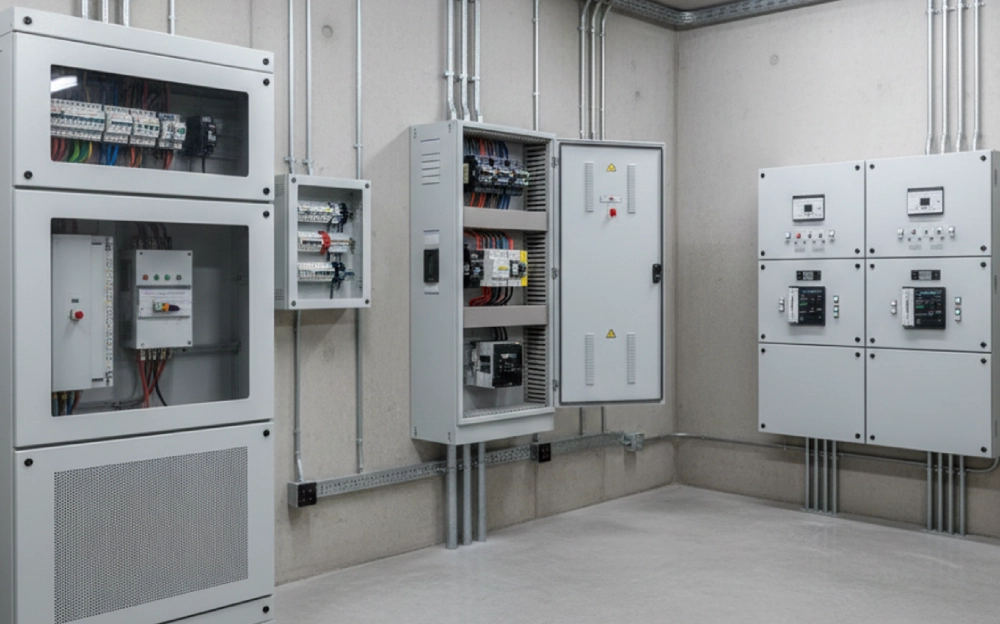
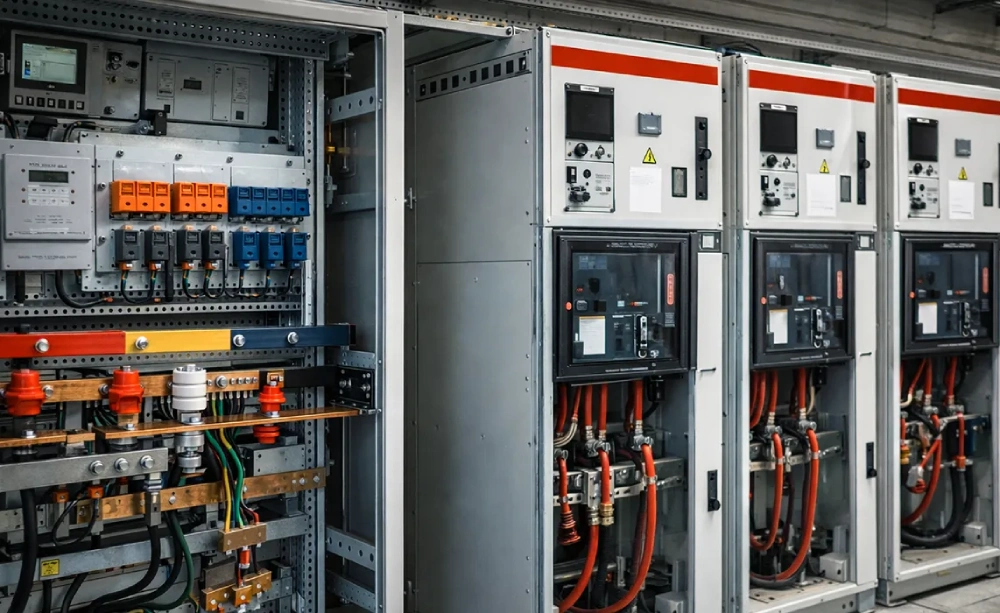
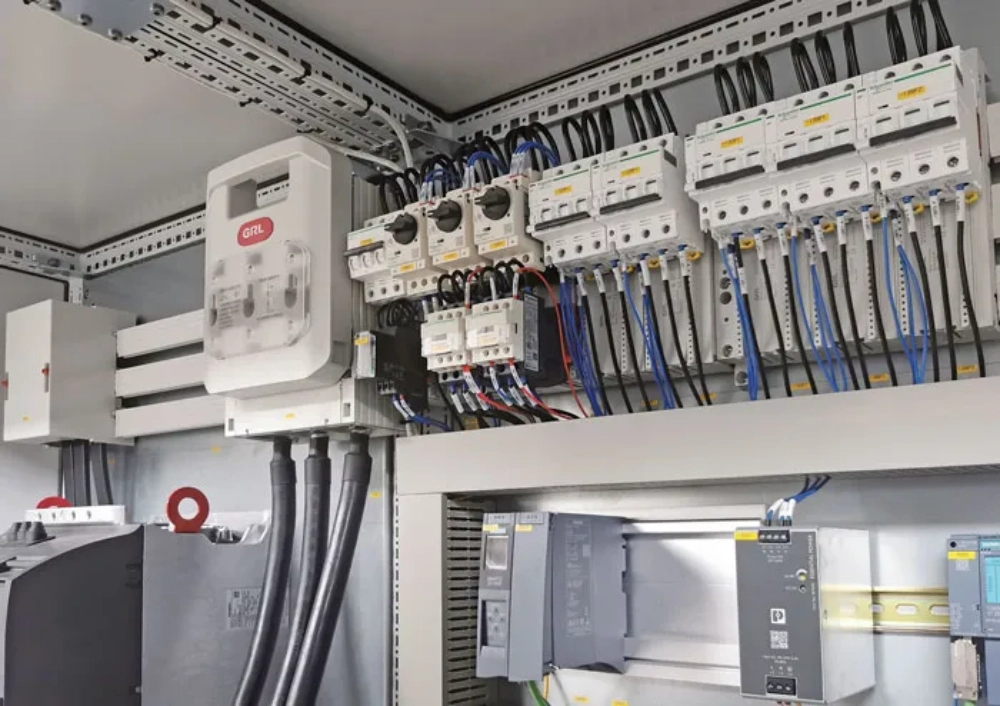
Switchgear cabinet lighting operates inside a different environment from general room lighting. The enclosure can contain breakers, busbars, terminals, relays, and control components. These devices can produce heat during continuous operation. Limited internal space also restricts natural airflow around the lamp. Therefore, compact construction becomes important for both installation and thermal control. Industrial LED lighting commonly emphasizes efficiency, service life, environmental resistance, and suitable power quality. Cabinet lamps also need stable mounting because vibration can occur during equipment operation or transport. Wiring must avoid interference with moving mechanisms and maintenance access. Optical performance matters as well. Light should illuminate terminals, labels, wiring, and inspection points without excessive glare. A specialized design balances illumination, dimensions, electrical compatibility, thermal behavior, and mechanical installation.
Which Electrical Parameters Should Buyers Verify?
Electrical specifications determine whether a lamp can operate correctly within a cabinet. Buyers should confirm the nominal voltage before approving samples. The supplier should clearly state whether the lamp supports AC, DC, or a defined voltage range. Power consumption also matters because every additional heat source affects the enclosure's thermal balance. Current draw should match the available auxiliary circuit capacity. Connection methods require equal attention. Terminal blocks, wires, connectors, and sensor connections must suit the cabinet layout. Insulation and dielectric performance should also receive documented verification where applicable. IEC 61439:2020 addresses verification requirements for low-voltage assemblies, including dielectric properties and temperature-related considerations. A suitable lamp specification should therefore include measurable electrical values rather than vague descriptions. Buyers should request these values before approving production samples.
| Parameter | What Buyers Should Check | Why It Matters |
|---|---|---|
| Rated voltage | AC/DC type and voltage range | Prevents electrical mismatch |
| Power | Rated wattage and consumption | Limits added cabinet heat |
| Current | Operating current | Supports circuit sizing |
| Connection | Wire, terminal, or connector | Ensures installation compatibility |
| Insulation | Applicable insulation performance | Supports electrical safety |
How Does Thermal Management Affect Lamp Service Life?
Thermal management strongly influences LED performance inside enclosed cabinets. LED chips generate heat through normal electrical operation. Drivers and other electronic components can also contribute to temperature rise. A metal housing can provide a thermal path from internal components toward the surrounding air. Aluminum is commonly used for this purpose because it can transfer heat efficiently. Industrial lighting applications often consider housing geometry and heat dissipation when evaluating LED service life. Cabinet design adds another consideration. Heat from breakers, power supplies, and conductors can raise internal temperature before the lamp operates. Consequently, buyers should request operating-temperature information instead of relying only on a nominal lifetime figure. A reliable specification should connect rated life with actual operating conditions, thermal design, and driver performance. This approach provides more useful evidence during technical procurement.
What Manufacturing Controls Should A Reliable Lighting Lamp for Switchgear supplier Use?
A reliable Lighting Lamp for Switchgear supplier should control quality from incoming materials through final inspection. Component verification should confirm LEDs, drivers, wires, connectors, housings, and fasteners against approved specifications. Assembly workers should follow controlled procedures for soldering, wiring, insulation, and mechanical fastening. Production records can connect finished units with material batches and inspection results. Such traceability helps manufacturers identify recurring problems during repeated orders. Sample approval also deserves formal control. The approved sample should define dimensions, electrical parameters, connector configuration, appearance, and mounting details. Later production should match those requirements rather than relying on informal visual comparison. Buyers can request inspection records for critical parameters before shipment. This approach becomes especially useful for large cabinet projects, where small component changes can create inconsistent electrical or mechanical performance across many units.
How Should Buyers Evaluate Electrical Safety and Testing?
Testing should cover the actual risks created by the lamp's electrical and mechanical design. Functional testing can confirm illumination, switching, sensor response, and current consumption. Polarity checks can verify correct DC connections where applicable. Insulation testing and dielectric withstand testing may also apply according to the product design. Temperature testing provides additional evidence when the lamp operates inside a confined enclosure. The test plan should identify equipment, test conditions, acceptance limits, and inspection frequency. Buyers should distinguish routine production tests from development validation. A factory may test every finished unit for basic function while testing thermal endurance on representative samples. IEC 61439 includes verification concepts for low-voltage assemblies, while the lamp may require separate product evaluation. Documentation makes these controls easier to audit. Clear records also help buyers compare suppliers using consistent technical criteria.
What Does A Real Switchgear Lighting Project Reveal?
A documented enclosure example shows why environmental conditions must influence component selection. Schneider Electric publishes reference operating conditions for certain switchboard systems based on IEC 61439. These conditions include an ambient range of -25°C to +40°C. The 24-hour average should not exceed +35°C for the referenced application. Some accessories specify wider operating ranges. This provides a practical procurement lesson. A cabinet lamp should not receive a generic temperature specification without considering its actual installation environment. For example, a project may place lighting near heat-producing switching devices and power electronics. Engineers can compare lamp temperature ratings with expected cabinet conditions. They can also check whether mounting position affects heat transfer. These limits do not represent every cabinet application. They show why project-specific environmental data should enter the purchasing specification before production begins.
How Important Are Housing Materials and Installation Methods?
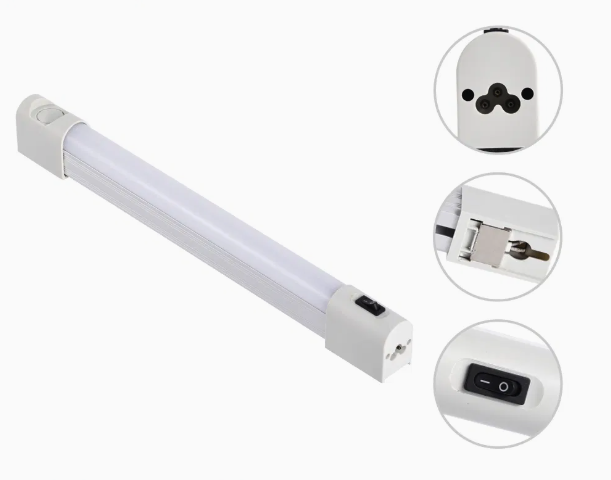
Housing construction affects thermal transfer, mechanical stability, and installation space. Aluminum housings can support heat dissipation when the design provides an effective thermal path. Engineered polymers can offer electrical insulation and reduced weight when their properties suit the application. Neither material should be selected solely because of appearance. Mounting also affects reliability. Magnetic mounting can simplify installation and relocation on suitable steel surfaces. Screw mounting can provide stronger fixed positioning when permanent installation is required. Clips may reduce installation time in some cabinet designs. Buyers should check whether the mounting method interferes with doors, wiring channels, or maintenance access. Industrial cabinet-lighting applications commonly position lamps near the upper internal area of the enclosure. The final choice should follow cabinet geometry and service requirements. Installation stability should also remain consistent after repeated cabinet access.
| Design Factor | Aluminum Housing | Polymer Housing |
|---|---|---|
| Heat transfer | Generally favorable | Usually lower |
| Electrical insulation | Requires suitable design | Naturally insulating |
| Mechanical rigidity | Generally high | Depends on polymer grade |
| Weight | Moderate | Usually lower |
| Typical consideration | Thermal path and corrosion | Temperature and durability |
What Customization Options Should A Lighting Lamp for Switchgear supplier Provide?
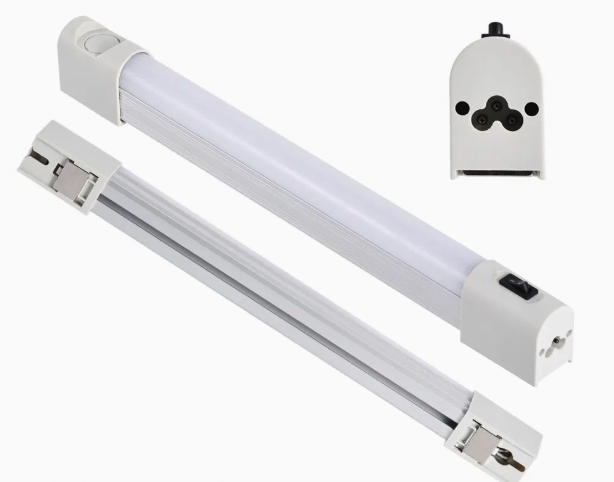
B2B switchgear projects often require variations between cabinet models. A suitable Lighting Lamp for Switchgear supplier should support controlled customization rather than forcing one fixed configuration. Common options include operating voltage, lamp length, power rating, cable length, connector type, mounting method, and switching control. Sensor integration may also suit cabinets where the lamp should activate after the door opens. Customization should begin with engineering information. Cabinet drawings, available auxiliary power, installation dimensions, and environmental conditions provide useful inputs. For example, CM-1 Cabinet Light for Switchgear can represent a defined cabinet-lighting configuration within a product portfolio. The key issue remains specification control. Every customized version should receive a clear drawing or technical specification before mass production. Changes should receive approval before manufacturing begins. This process reduces ambiguity between purchasing teams, electrical engineers, production staff, and final inspection personnel.
How Can Buyers Assess Batch Consistency Before Ordering?
Buyers can evaluate a supplier more effectively by inspecting measurable characteristics rather than relying on product photographs. A sample should represent the proposed production configuration. The inspection can cover several practical points:
- Verify voltage and current against the approved specification.
- Check dimensions, mounting points, wires, and connectors.
- Measure illumination under defined test conditions.
- Inspect solder joints, terminals, seals, and housing surfaces.
- Check switching or sensor functions when included.
- Compare multiple samples for visible manufacturing variation.
- Review available inspection and test records.
What Should A Final Lighting Lamp for Switchgear supplier Evaluation Include?
A final supplier evaluation should combine technical evidence, production capability, testing procedures, and communication quality. Buyers should first verify electrical compatibility and physical dimensions. Next, they should review thermal performance and environmental ratings for the intended cabinet. Production controls should demonstrate how the supplier maintains consistency between batches. Testing records should show which parameters receive routine inspection. Customization capability should be supported by drawings and approval procedures. Documentation should remain clear enough for engineers and purchasing teams to reference later. A Lighting Lamp for Switchgear supplier should also communicate changes before implementing them in production. For specialized applications, CM-L3 Explosion-Proof Cabinet Light for Switchgear may require additional application-specific verification. Explosion-protected equipment involves requirements beyond ordinary cabinet lighting. Therefore, buyers should confirm the intended hazardous-area classification and applicable certification requirements before ordering. A documented evaluation process reduces specification ambiguity and supports controlled procurement decisions.