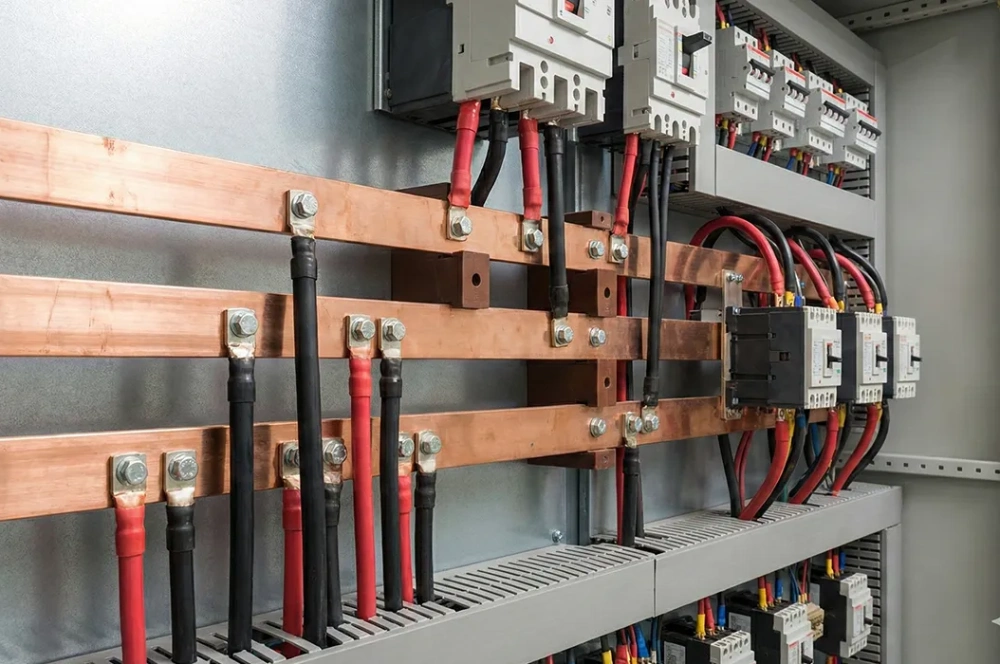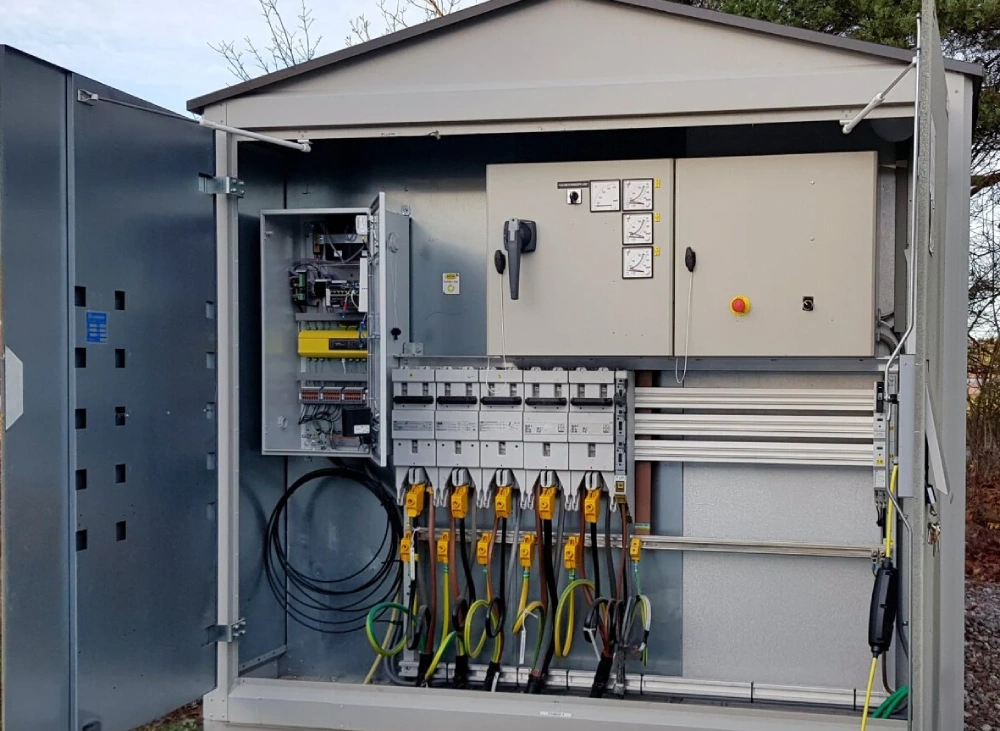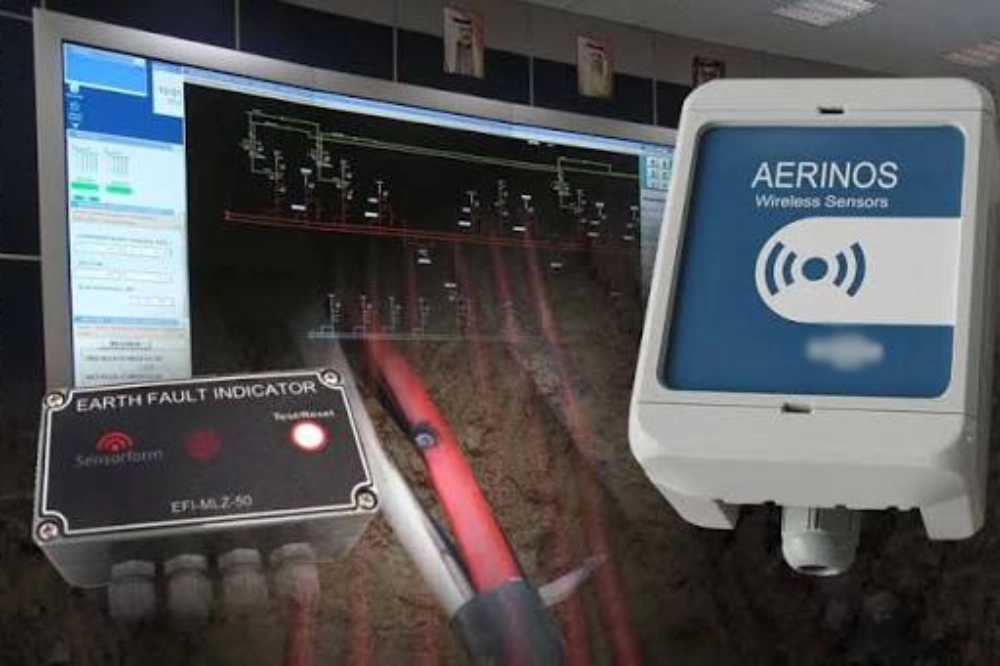

What Problems Can Earth Fault Indicators Prevent?
Shield critical medium voltage utility grids and prevent fires using the function of earth fault indicator systems for enhanced safety.
Utilizing the Primary Function of Earth Fault Indicator
Modern electrical grids face constant threats from insulation breakdown. Engineers deploy specialized monitoring equipment to mitigate these operational risks. The primary function of earth fault indicator units involves real-time current monitoring. They detect phase imbalances immediately when a single-phase ground fault occurs. This prompt response prevents minor insulation issues from escalating into major disasters. Distribution networks gain immense stability through these automated detection systems. Operators receive instant visual notifications regarding the precise location of the anomaly. Consequently, repair crews bypass tedious troubleshooting phases and begin repairs immediately. Grid safety increases significantly when municipalities invest in reliable detection hardware. These smart sensors protect expensive transformers from severe thermal overload conditions. Reliable monitoring ensures continuous power delivery to residential and industrial zones alike.
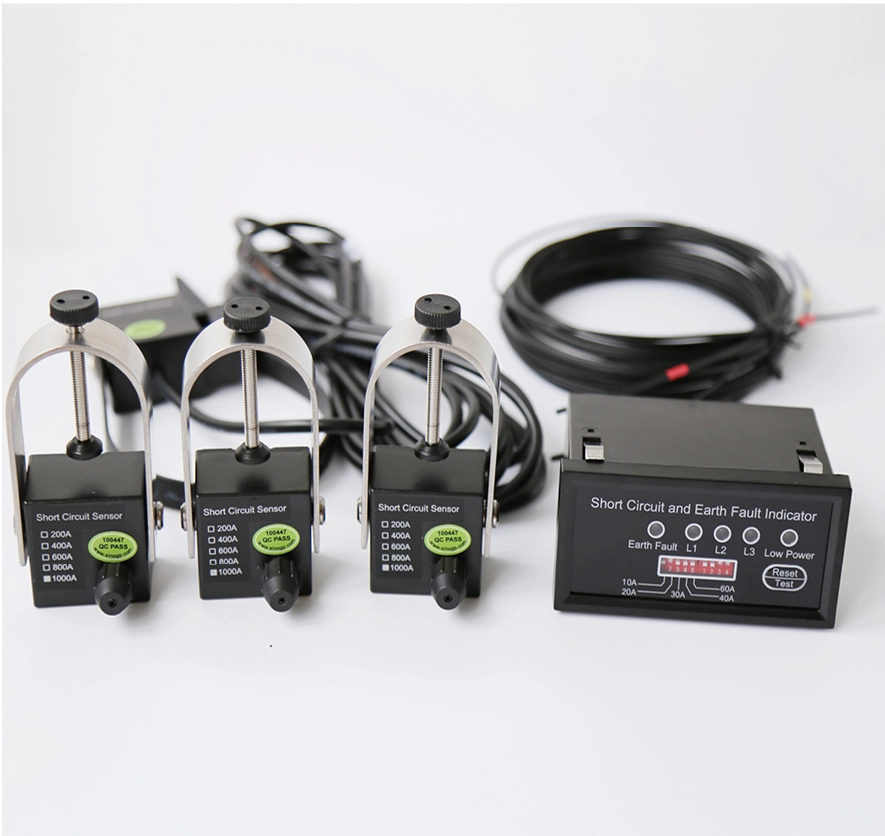
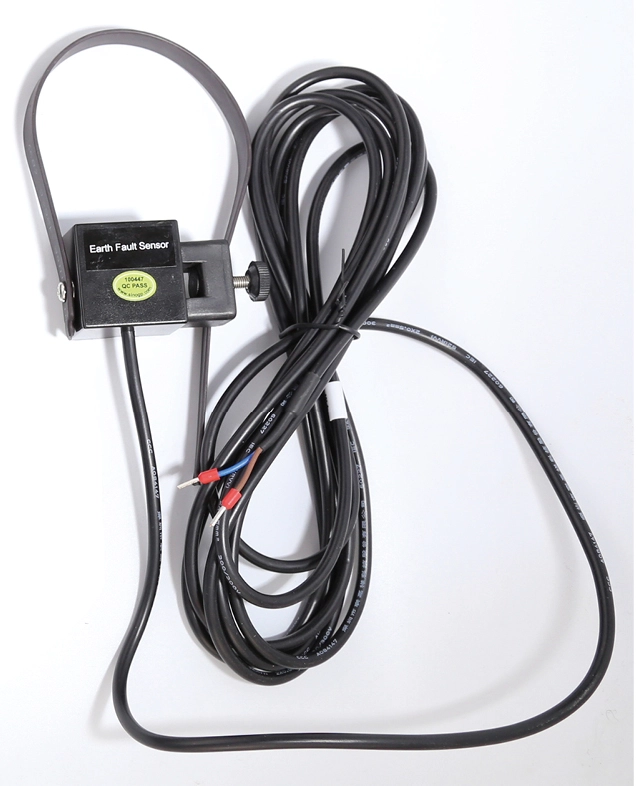
Minimizing Dangerous Substation Equipment Fires
Persistent grounding faults generate intense localized heat within underground power cables. Unchecked thermal energy quickly ignites surrounding materials inside high-voltage substations. Such fires destroy critical infrastructure and endanger nearby utility maintenance crews. Implementing automated detection devices successfully mitigates these severe fire hazards. These smart monitors identify low-current leaks before spark generation occurs. Operators quickly isolate the compromised feeder circuit to neutralize thermal risks. The Integrated Indicator for Voltage Presence Grounding Fault provides exceptional safety here. This specific technology combines voltage monitoring with immediate ground fault identification. Utilities dramatically reduce asset replacement costs by deploying these reliable safety systems. Preventive maintenance replaces reactive emergency repairs, saving time and valuable resources. Secure networks bolster public confidence in local power distribution capabilities.
Enhancing Industrial Operation Safety Standards
Ground faults create hazardous touch voltage on metal enclosures of heavy machinery. Unsuspecting factory technicians risk fatal electric shocks during daily operational checks. Strict industrial regulations require rapid isolation of faulty electrical distribution branches. Automatic monitoring devices immediately trigger circuit breakers during high-impedance grounding events. This action eliminates electrical hazards before staff members contact the energized metal. Manufacturing plants maintain strict compliance with international occupational safety mandates easily. Safety managers design robust emergency protocols around reliable real-time sensor data feeds. Production facilities minimize liability risks while ensuring a secure work environment. Continuous diagnostic processes prevent sudden factory shutdowns and costly machinery damage. Modern industrial operations rely on advanced sensory networks for seamless safety integration. Reliable detection systems safeguard human lives while preserving delicate assembly line processes.
| System Type | Fault Detection Time | Location Accuracy | Primary Benefit |
|---|---|---|---|
| Manual Patrol | 2 to 5 Hours | Low (Feeder Level) | Minimal initial setup cost |
| Traditional Relay | 1 to 3 Seconds | Medium (Substation Level) | High system isolation speed |
| Earth Fault Indicator | Under 100 Milliseconds | High (Node Level) | Instant pinpoint localization |
Analyzing System Efficiency Improvements with the Function of Earth Fault Indicator
The comparative data highlights significant differences in response times across detection systems. Manual line inspections require extensive field labor and prolong system recovery efforts. Traditional protective relays isolate substation circuits but fail to specify exact fault locations. Utilizing the modern function of earth fault indicator systems solves this spatial problem. These advanced devices identify ground faults in less than one hundred milliseconds. Maintenance personnel receive highly precise node coordinates for fast physical line intervention. Rapid localization reduces grid restoration times from several hours to mere minutes. Consequently, power distribution utilities achieve superior grid reliability and uptime ratings. Active fault localization protects sensitive downstream equipment from prolonged voltage stress. This systematic approach ensures optimal operational safety across high-voltage distribution networks. Operational expenses decrease dramatically as utility teams target exact maintenance points.
| Indicator Model | Communication Protocol | Reset Type | Power Source |
|---|---|---|---|
| Basic LED Series | None (Visual Only) | Manual or Timer | Internal Lithium Battery |
| Smart SCADA Series | Modbus RTU / IEC 104 | Automatic Remote Reset | Dual (CT Harvesting & Battery) |
| Wireless Sensor Node | LoRaWAN / NB-IoT | Remote and Current Restored | Solar Panel & Supercapacitor |
Evaluating Technical Specifications of Modern Indicators
Technical hardware options range from basic visual models to advanced telemetry devices. Simple visual indicators offer reliable local fault warnings using bright flashing LED modules. These units operate reliably in remote areas without complex communication grid networks. Smart SCADA indicators utilize modern communication protocols for real-time remote data transmission. Dispatch centers monitor line status instantly without sending physical patrols to sites. Dual power sources combine current harvesting technology with highly reliable lithium backup batteries. This combination guarantees uninterrupted sensor operation even during prolonged grid outage situations. Automated resetting mechanisms clear fault indications once normal system current levels return. Wireless options reduce installation complexity in dense urban distribution substations significantly. Engineering managers select specific models based on local communication availability and budget constraints. These flexible hardware configurations accommodate diverse electrical grid topologies around the world.
- Phase-to-Phase Fault Detection: Identifies short circuits between two distinct conducting lines.
- Single-Phase Ground Fault Detection: Spots current leakage returning through the earth path.
- Temperature Monitoring: Measures conductor thermal status to detect localized line degradation.
- Transient Surge Protection: Ignores brief inrush currents during transformer energization.
Explaining Core Diagnostic Capabilities in Power Grids
The listed diagnostic functions address specific failures that compromise electrical grid integrity. Phase-to-phase faults cause massive overcurrent surges that damage switchgear and cable terminations. Single-phase ground faults represent the most frequent disturbance in distribution networks worldwide. Integrating temperature tracking helps technicians identify loose connections before faults physically manifest. This proactive thermal monitoring prevents complete terminal breakdown in dense substation enclosures. Smart indicators filtering transient inrush currents prevent costly false tripping alarms on feeders. Reliable diagnostic data empowers utility managers to optimize system maintenance scheduling efficiently. Field crews handle actual line issues rather than responding to erroneous sensor triggers. Consequently, operational efficiency rises while unnecessary overhead maintenance costs decline rapidly. Implementing these intelligent diagnostics guarantees long-term health for high-voltage power lines. Utility operators maintain complete control over distribution grid performance through these specialized sensors.
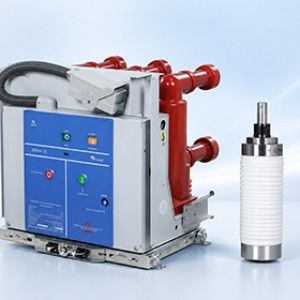
Improving Response Times During Severe Weather
Lightning strikes and heavy windstorms frequently sever overhead medium-voltage distribution lines. Locating these physical breaks in dense forests or mountainous terrain presents major challenges. The precise function of earth fault indicator networks shines during these critical storm events. Visual indicators flash brightly, assist search crews, and pinpoint the exact faulted section. Patrol teams avoid inspecting kilometers of undamaged lines during freezing winter storms. They navigate directly to the damaged pole and initiate immediate conductor repairs safely. This rapid response minimizes community exposure to dangerous downed live electrical cables. Utilities restore vital services to hospitals and heating facilities within record timeframes. Resilient cities count on these robust detection systems to withstand unpredictable weather patterns. Modern sensors endure extreme outdoor conditions, providing dependable safety signals year after year. Reliability increases municipal safety and keeps critical urban services running smoothly always.
Preventing Costly Phase-to-Phase Short Circuits
Unresolved single-phase ground faults often escalate into catastrophic phase-to-phase short circuits. This escalation occurs when the voltage on healthy phases rises beyond nominal insulation limits. High-voltage stress punctures insulation, causing massive current surges between adjacent conductors. These severe short circuits destroy nearby expensive transformers and substation distribution panels. Early detection of ground leakage allows systems to isolate issues before insulation fails. Modern grid setups deploy advanced monitoring devices to catch these minor anomalies early. Specifically, the EKL4 W Current Temperature and Fault Online Monitor delivers continuous phase observations. The system measures current changes and cable temperatures to warn against looming insulation failure. Operators receive early alerts, scheduling quick repairs before severe equipment damage occurs. Proactive intervention preserves expensive infrastructure and saves millions in emergency replacement fees. Industrial facilities avoid long power blackouts by keeping their distribution systems fully protected.
Optimizing Commercial Utility Asset Life Cycles
Electrical components deteriorate over time due to thermal fluctuations and environmental stressors. Continuous monitoring allows utility companies to implement predictive asset management strategies successfully. Sensor arrays track local heat generation and minor current leaks along distribution feeders. Engineers use this structured diagnostic data to replace failing components before actual breakdown. This approach extends the average operational lifespan of expensive substation assets significantly. Capital expenditure decreases as utilities maximize the utility of their existing electrical infrastructure. Customers enjoy stable energy prices because operational costs remain low and highly predictable. Investors see steady returns from grid assets that perform efficiently with minimal downtime. Digital monitoring platforms streamline reporting tasks, simplifying overall regulatory compliance for major utilities. Modern energy providers build reliable grids that easily adapt to changing municipal power demands. Intelligent planning ensures sustainable operations and long-term grid integrity for growing smart cities.
Promoting Renewable Energy Source Grid Integration
Renewable energy installations introduce unpredictable bi-directional currents into local distribution networks. Solar arrays and wind farms cause sudden current fluctuations that disrupt traditional protection setups. Modern distribution lines require sensitive fault indicators to manage these complex current flows safely. Incorporating the function of earth fault indicator technology stabilizes these dynamic green energy networks. These smart devices distinguish normal renewable power surges from actual hazardous ground faults. Wind power facilities prevent unnecessary shutdowns, maintaining a steady supply to the national grid. Clean energy producers avoid grid penalties by maintaining high safety and reliability standards. This tech-driven stability encourages more private investment in regional renewable power generation plants. Carbon reduction goals become highly achievable as green power grids grow more resilient daily. Advanced sensory equipment ensures safe, seamless transition from fossil fuels to clean electricity sources. Communities thrive with green, reliable power systems running without frequent interruptions.
FAQ
How does a ground fault locator identify electrical leaks?
Modern line monitors detect changes in electromagnetic fields surrounding active medium-voltage cables. Under normal conditions, the vector sum of three-phase currents remains close to zero. A grounding fault causes a significant current imbalance on the affected line. Sensors continuously measure this vector summation to spot sudden current changes immediately.