What Services Does A VDIS Indicator System Manufacturer Offer?
VDIS Indicator system manufacturer provides custom solutions, testing, OEM support, and technical services for reliable switchgear systems.
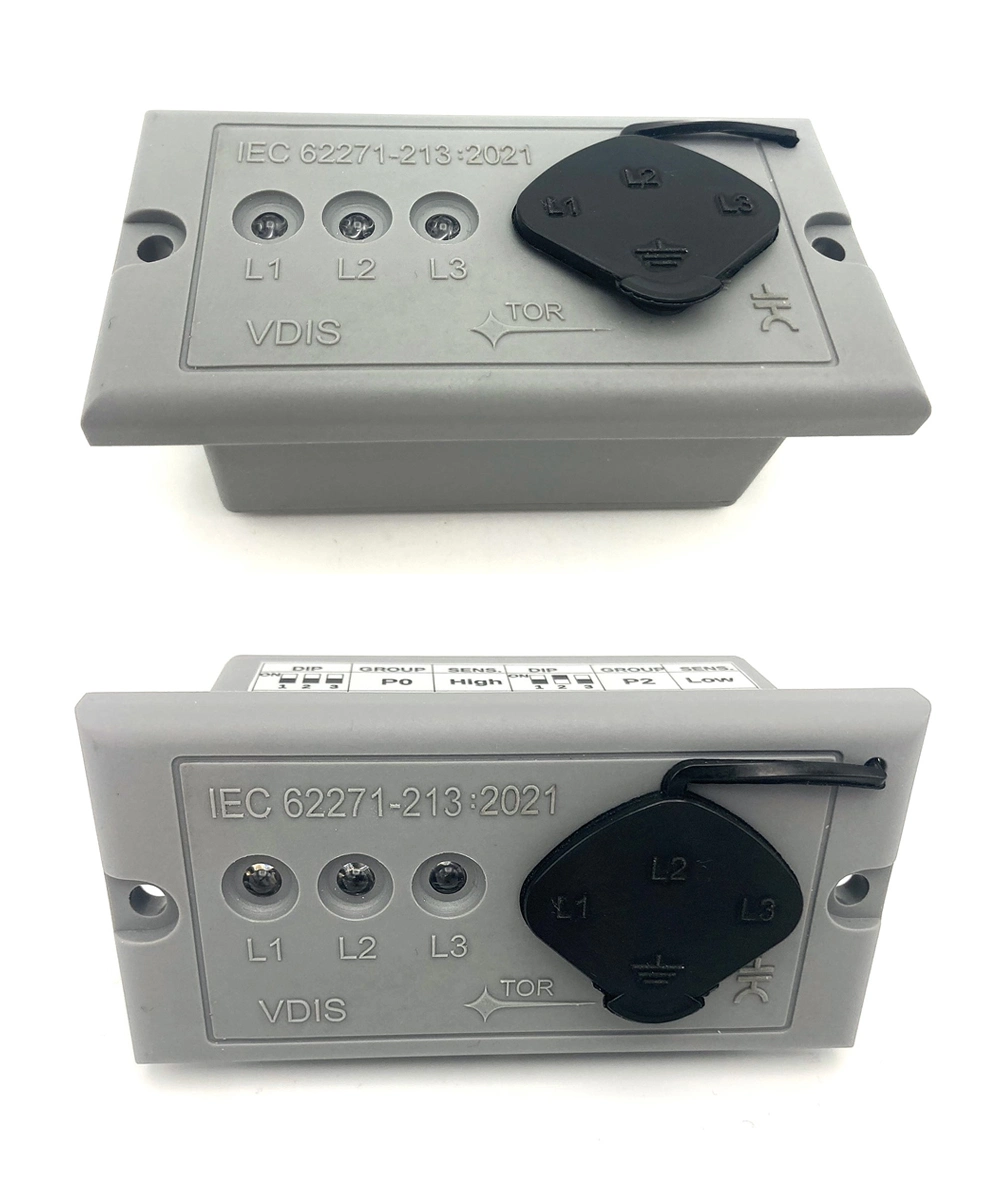
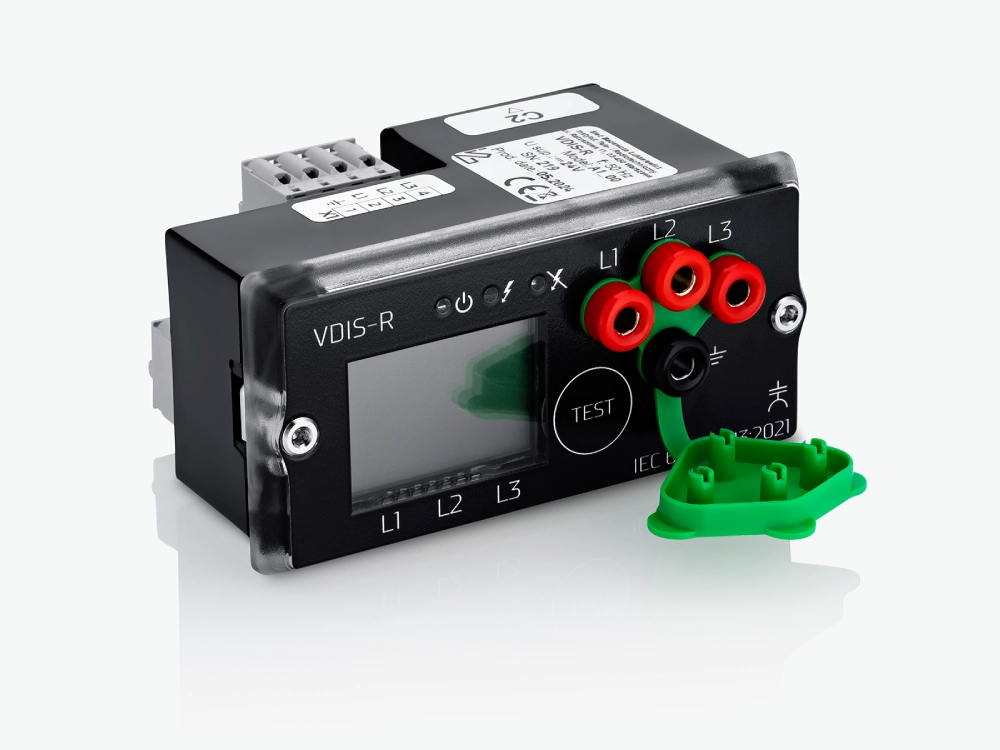
A VDIS Indicator system manufacturer provides customized solutions for electrical equipment applications that require accurate voltage presence detection. These systems are widely used in medium and high voltage switchgear because they improve operational safety and maintenance efficiency. Professional suppliers analyze customer requirements before production, including voltage ratings, installation structures, signal connections, and environmental conditions. Engineers consider factors such as cabinet space, insulation distance, and operating temperature when developing suitable designs. Customized solutions help users achieve better compatibility between indicator systems and different switchgear configurations. Reliable manufacturers also provide technical suggestions based on practical application experience, which reduces installation difficulties and improves long-term equipment performance.
How Does A VDIS Indicator System Manufacturer Ensure Product Quality
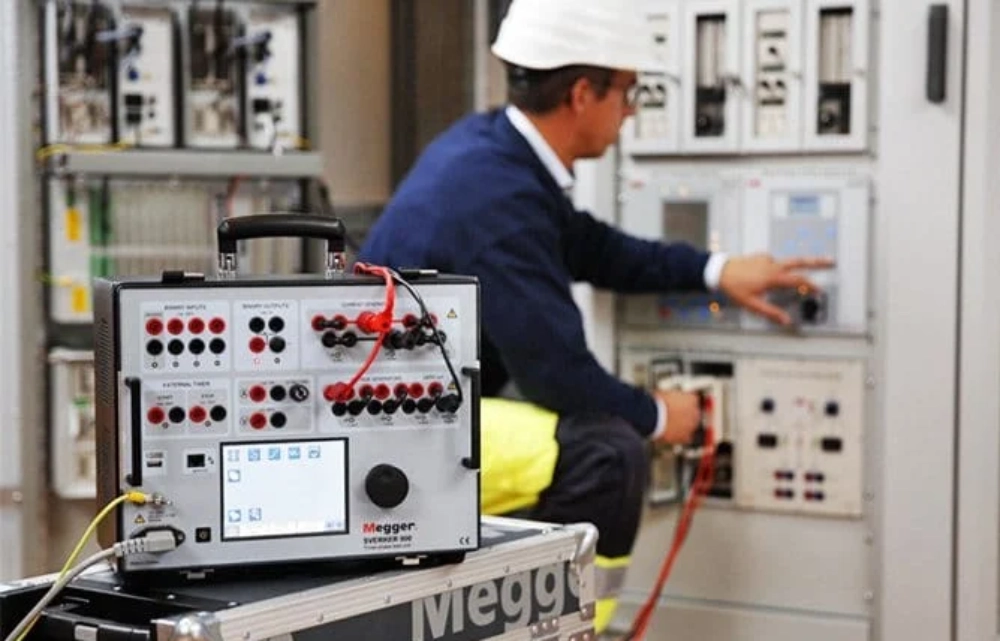
Quality control plays an important role in producing reliable voltage detection equipment. A professional supplier establishes strict inspection procedures from incoming materials to final delivery. Engineers test electrical components, insulation materials, and signal functions to ensure stable operation under different conditions. The production process usually includes appearance inspection, electrical performance testing, aging evaluation, and safety verification. Manufacturers also monitor assembly accuracy because small installation errors may affect detection results. Advanced testing equipment helps verify voltage sensing accuracy and signal transmission performance. These quality procedures allow customers to receive products with consistent performance and dependable service life in demanding switchgear environments.
Technical Support Services Improve Voltage Detection System Performance
Technical support is another important service provided by experienced electrical equipment suppliers. Professional teams assist customers with model selection, installation methods, and application solutions. Engineers review switchgear layouts and operating requirements before recommending suitable indicator specifications. They also provide installation instructions to prevent wiring mistakes and incorrect configurations. During project implementation, technical communication helps solve potential problems quickly and maintains efficient cooperation between suppliers and customers. After installation, service teams can offer operational suggestions to improve system reliability. Continuous technical support creates additional value because customers receive assistance throughout product selection, installation, and usage stages.
VDIS Indicator System Manufacturer Offers OEM And ODM Development
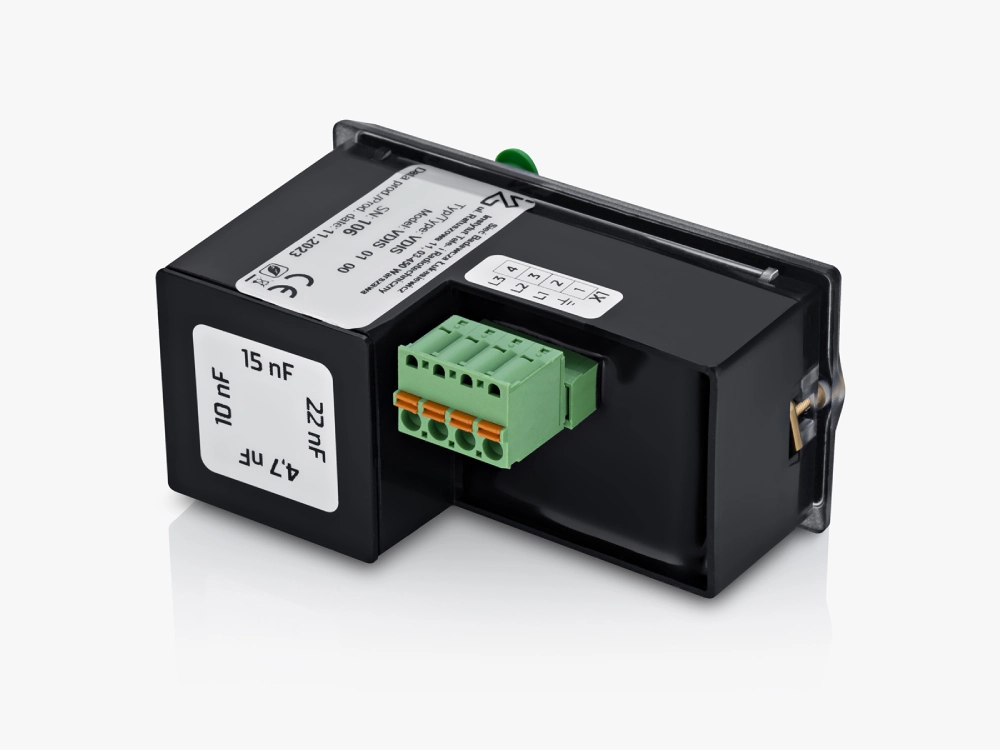
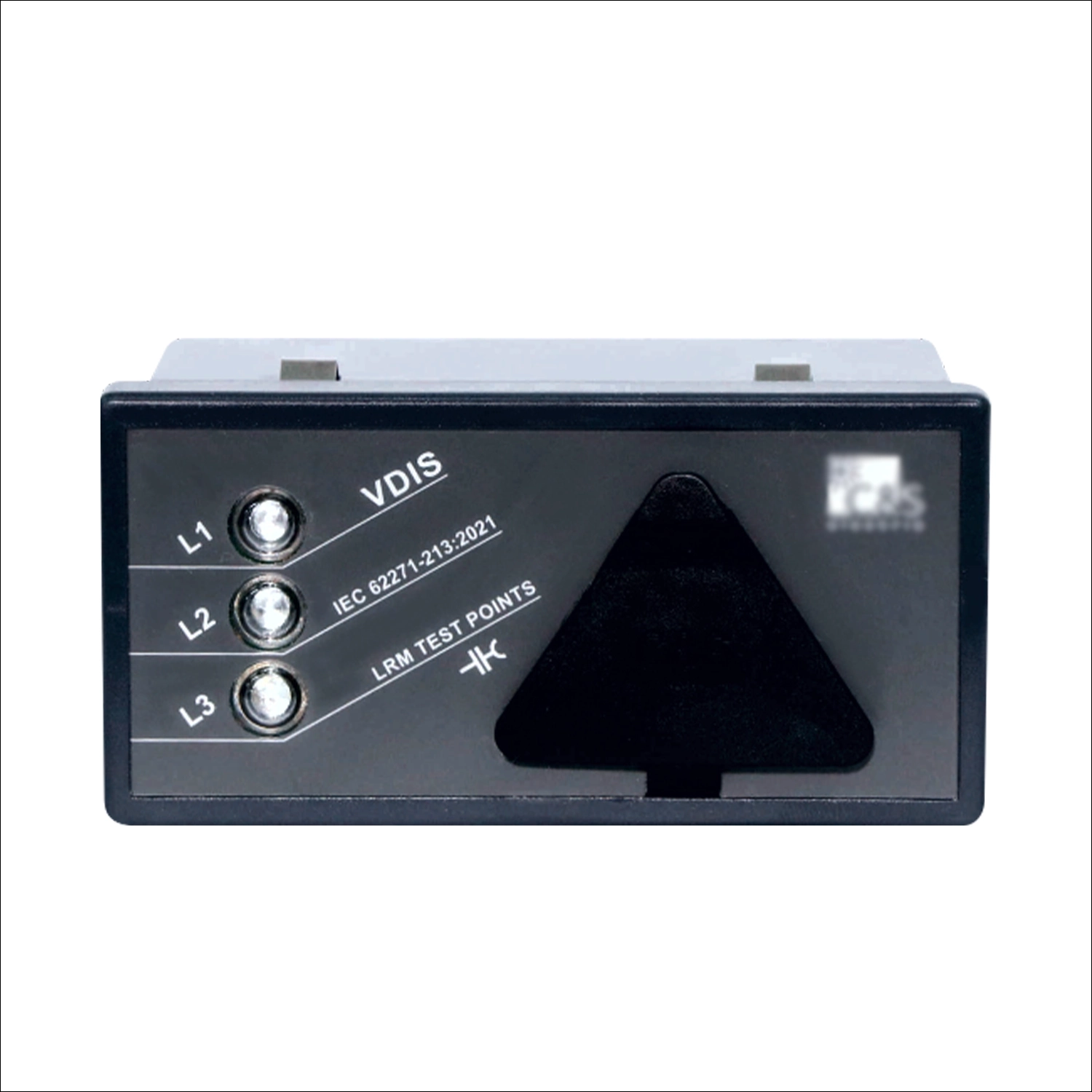
OEM and ODM development services allow customers to create products that match specific market requirements. A capable supplier can modify product dimensions, electrical interfaces, appearance designs, and identification labels according to project needs. Engineering teams evaluate technical feasibility before production to ensure customized solutions maintain safety and performance standards. For example, 88x28mm Switchgear Voltage Indicator Vpis OEM/ODM solutions can be developed for applications requiring compact installation structures and customized configurations. Manufacturing experience helps suppliers balance design flexibility, production efficiency, and quality consistency. These services are especially valuable for companies seeking differentiated products while maintaining reliable electrical performance.
Production Capabilities Support Reliable Electrical Equipment Supply
Stable production capability directly affects delivery reliability and product consistency. Professional manufacturers manage every stage, including material selection, component assembly, functional testing, and packaging inspection. High-quality production requires precise control of electronic parts, protective housings, and connection terminals. Suppliers with efficient manufacturing systems can handle different order quantities while maintaining stable standards. Production teams also evaluate supplier materials carefully because component quality influences product durability and safety. A structured manufacturing process reduces unexpected defects and improves delivery efficiency. Customers benefit from working with companies that combine technical expertise, production management, and strict inspection procedures throughout the entire manufacturing cycle.
Key Manufacturing Services And Quality Control Processes
A reliable VDIS Indicator system manufacturer combines engineering knowledge with organized production management to deliver consistent electrical products. The manufacturing process includes several important stages that directly affect performance and reliability. Material inspection ensures that plastic housings, electronic components, and connection parts meet required specifications. Assembly teams follow controlled procedures to maintain accurate component placement and stable electrical connections. Testing departments verify product functions before shipment through multiple inspection steps. The following table presents common services and quality control activities that support professional production standards.
| Service Category | Main Activities | Customer Benefits |
|---|---|---|
| Design Support | Voltage selection, structure adjustment, interface customization | Better compatibility with different switchgear systems |
| Production Management | Component control, assembly supervision, process monitoring | Stable product quality and delivery performance |
| Testing Service | Electrical inspection, insulation testing, aging evaluation | Improved safety and operational reliability |
| After-Sales Support | Technical consultation, maintenance assistance, feedback collection | Long-term application support |
Advanced Testing Methods Strengthen VDIS Product Reliability
Testing procedures determine whether voltage indicator systems can maintain accurate performance in practical environments. Professional suppliers use different methods to evaluate electrical stability, mechanical durability, and environmental resistance. Engineers perform voltage simulation tests to confirm detection accuracy under rated conditions. Insulation tests verify that protective materials can handle electrical stress during operation. Temperature and humidity evaluations check whether products remain stable in changing environments. Aging tests simulate long-term usage and identify possible performance issues before shipment. These procedures help ensure that every unit meets expected operational requirements. Important evaluation areas usually include:
- Voltage sensing accuracy verification
- Insulation resistance measurement
- Signal output function testing
- Environmental adaptability assessment
- Long-term operation simulation
Professional Testing Standards Create Reliable Electrical Solutions
Strict testing standards help manufacturers maintain dependable product performance across different applications. Electrical indicator systems must operate correctly because inaccurate voltage detection may create safety risks during maintenance operations. Production engineers compare test results with technical requirements and improve processes when necessary. A detailed quality system also records inspection data for future analysis and product optimization. Another important aspect involves protective design, including resistance against dust, moisture, vibration, and temperature changes. The table below shows typical evaluation areas used during product verification.
| Testing Item | Purpose | Application Value |
|---|---|---|
| Electrical Performance Test | Check voltage detection accuracy and signal response | Supports safe equipment operation |
| Insulation Test | Evaluate dielectric protection capability | Reduces electrical failure risks |
| Environmental Test | Verify operation under temperature and humidity changes | Improves field application reliability |
| Durability Test | Assess long-term operational stability | Extends product service lifespan |
Customized Product Development Meets Different Switchgear Requirements
Different switchgear projects require different indicator structures and installation methods. Experienced suppliers analyze application environments before creating customized solutions. Engineers consider cabinet dimensions, mounting positions, cable arrangements, and user operation habits during development. For projects requiring specific installation sizes, manufacturers can adjust designs while maintaining electrical functions. Another example includes 71x38mm Switchgear Voltage Indicator Vpis OEM/ODM solutions, which support customized requirements for particular switchgear layouts. Flexible development capabilities allow suppliers to respond to different market demands. Customers can receive products that match technical specifications while maintaining reliable performance and convenient installation features.
Reliable After-Sales Support Enhances Customer Experience
After-sales support provides continuous assistance after product delivery and installation. Professional suppliers offer technical responses, troubleshooting suggestions, and maintenance recommendations based on customer feedback. Service teams analyze application problems and provide practical solutions to improve product usage. Clear communication also helps customers optimize installation procedures and avoid repeated issues. Reliable support reflects a supplier’s commitment to long-term cooperation rather than simple product delivery. Customers often prefer partners that provide complete service systems because electrical equipment projects require stable technical assistance throughout operation. Effective after-sales management improves satisfaction and creates stronger cooperation opportunities between suppliers and users.
How To Select A Reliable Electrical Equipment Supplier
Selecting a suitable supplier requires careful evaluation of technical capability, production experience, and service quality. Buyers should review manufacturing processes, testing systems, customization abilities, and project support before making decisions. A supplier with strong engineering resources can provide better solutions for complex switchgear applications. Experience with different voltage systems and cabinet structures also helps reduce compatibility issues during installation. Customers should check whether the supplier can provide technical documents, inspection records, and application support. A complete service system usually indicates stronger reliability and professional capability. Important evaluation factors include:
- Manufacturing experience and technical expertise
- Product testing procedures and quality management
- Customization capability for different applications
- Production capacity and delivery stability
- Long-term technical support services
Professional Services Create Long-Term Electrical Project Value
A complete service approach helps customers achieve stable results throughout product selection, installation, and operation. Suppliers with strong technical teams can provide suggestions based on actual application conditions instead of offering standard products only. They analyze electrical requirements, installation environments, and operating expectations before recommending suitable solutions. Continuous improvement based on customer feedback also supports better product performance. Professional cooperation reduces communication problems and improves project efficiency. Reliable electrical equipment partners focus on quality consistency, technical response speed, and customized support. These advantages help customers manage different project requirements while maintaining safe and efficient switchgear operations.