When Do You Need A Dehumidifier For Enclosures?
Dehumidifier for enclosures prevents condensation, corrosion, and insulation damage with proper sizing, installation, and humidity control.
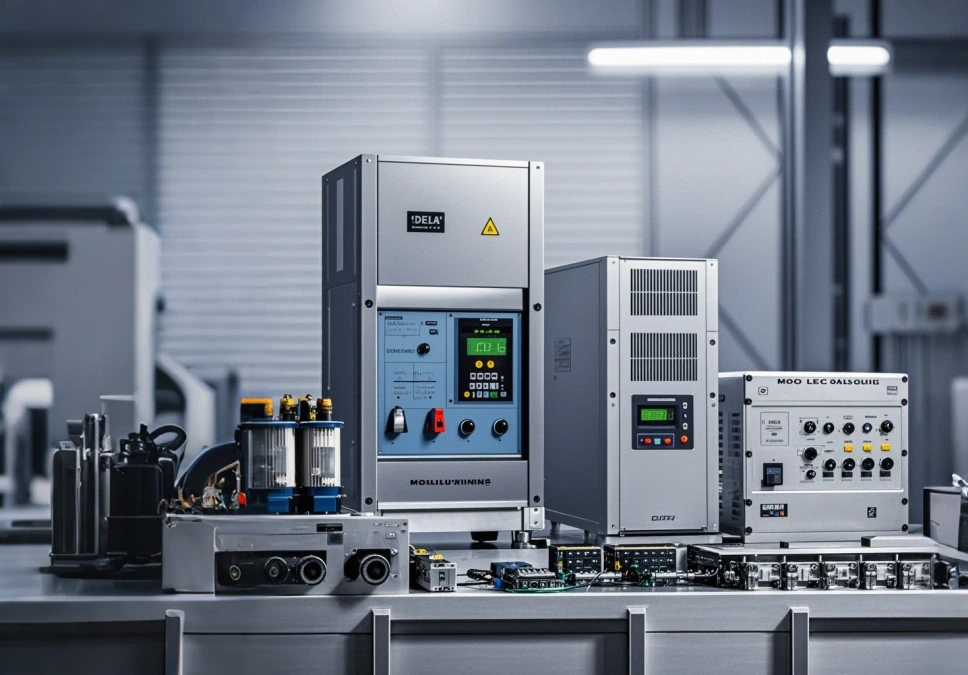
Electrical enclosures protect sensitive equipment from dust, impact, and environmental exposure. However, moisture can create serious problems inside sealed cabinets. A dehumidifier for enclosures helps control condensation when humidity and temperature changes exceed safe conditions. Moisture often enters through cable glands, door openings, ventilation paths, or imperfect seals. Temperature changes can then push internal surfaces below the surrounding air's dew point. Condensation may form on terminals, busbars, circuit breakers, relays, and control boards. Over time, moisture can accelerate corrosion and reduce insulation performance. Industrial sites near coasts, rivers, or unheated outdoor areas face greater exposure. Reliable moisture control therefore requires more than simply sealing the cabinet. Operators need to assess humidity, temperature variation, enclosure volume, and equipment sensitivity before selecting a suitable solution.
Why Enclosure Moisture Requires Immediate Control
Moisture inside an electrical cabinet rarely creates problems at the moment it appears. Repeated condensation cycles gradually affect metal surfaces and electrical connections. Copper terminals can develop oxidation when moisture remains on exposed surfaces. Steel mounting hardware may also corrode under persistent humid conditions. Corrosion increases electrical resistance and can weaken mechanical connections. Moisture can also reduce the surface resistance of insulating materials. This problem becomes more serious when dust accumulates inside the enclosure. Contaminated moisture creates a conductive path across electrical surfaces. Control boards face additional risks because small components have narrow electrical clearances. Operators may first notice intermittent alarms or unstable signals. Later, equipment may experience insulation faults, nuisance trips, or unexpected shutdowns. Preventive moisture control reduces these risks before visible damage becomes severe.
When Humidity Becomes A Serious Enclosure Risk
Relative humidity alone does not determine whether condensation will occur. Dew point provides a more useful reference for electrical cabinet protection. Condensation begins when a surface temperature falls below the surrounding air's dew point. For example, air at 30°C and 70% relative humidity has a dew point near 24°C. A metal cabinet surface below that temperature can collect water. Nighttime cooling can create this condition even when daytime humidity seems acceptable. Outdoor substations often experience rapid temperature changes after sunset. Internal components may also cool at different rates because metal conducts heat efficiently. A cabinet can therefore develop moisture without any obvious water leak. Monitoring temperature and relative humidity together gives maintenance teams better warning. Sites with repeated dew point crossings should consider active moisture prevention rather than relying on ventilation alone.
How A Dehumidifier For Enclosures Prevents Condensation
Industrial enclosure dehumidification systems commonly use controlled heating to keep internal surfaces above the condensation threshold. A heating element raises the cabinet's internal temperature by a limited amount. This approach reduces the chance that cold metal surfaces will reach the dew point. Some systems combine heating with thermostatic or humidity-based control. Proper control prevents unnecessary energy consumption during dry conditions. Air circulation also matters because stagnant areas can remain colder than the main cabinet volume. Installation should therefore support natural or forced internal air movement. The selected power rating must match the enclosure size and environmental conditions. Excessive heating can waste energy and raise component temperatures unnecessarily. Insufficient heating may fail during severe nighttime cooling. Engineers should evaluate the cabinet's heat loss, ambient temperature range, and moisture exposure before selecting the equipment.
Which Industrial Enclosures Need Dehumidification Most
Certain electrical installations face much higher condensation risks than indoor control rooms. Outdoor switchgear cabinets experience direct temperature swings throughout the day. Transformer control cabinets can also encounter humid air and rapid surface cooling. Railway signaling cabinets face moisture exposure because equipment often operates outdoors. Renewable energy installations create similar challenges because remote cabinets may remain unattended for long periods. Coastal substations deserve particular attention because salt-laden air can accelerate corrosion. Pump stations near rivers or wastewater facilities also face persistently humid conditions. Cabinets with frequent door openings can introduce additional moisture during maintenance. Poorly sealed cable entries create another pathway for humid air. A dehumidifier for enclosures becomes especially useful when sensitive electronics operate continuously inside relatively cool cabinets. The risk increases when equipment remains energized through repeated temperature cycles. A practical assessment should therefore consider location, enclosure construction, operating temperature, maintenance frequency, and equipment sensitivity together.
What Happened In A Coastal Electrical Cabinet Case
A coastal electrical facility experienced repeated corrosion around terminal connections inside outdoor control cabinets. Maintenance technicians initially suspected water ingress because corrosion appeared after humid nights. Inspection showed that the cabinet seals remained intact. Temperature records revealed a different pattern. Internal metal surfaces cooled rapidly after evening shutdowns while humid ambient air remained inside. Several surfaces repeatedly crossed the dew point during overnight periods. Technicians found light condensation near terminal blocks and lower mount
| Selection Factor | What To Check | Why It Matters |
|---|---|---|
| Cabinet volume | Internal dimensions and free air space | Determines required thermal coverage |
| Ambient temperature | Minimum and maximum operating temperatures | Influences heating requirements |
| Relative humidity | Typical and peak humidity levels | Indicates condensation risk |
| Supply voltage | Available AC or DC voltage | Ensures electrical compatibility |
| Installation position | Available mounting area and clearance | Affects heat distribution and maintenance |
| Control method | Thermostat, humidity control, or external controller | Supports efficient operation |
These factors should be evaluated together because one specification rarely determines performance. A large cabinet may still require modest heating under stable indoor conditions. Conversely, a smaller outdoor cabinet may need stronger protection because temperature changes happen quickly. Engineers should also check whether nearby components have strict temperature limits. Installation clearances must leave enough space for safe heat distribution. Control settings should reflect actual environmental conditions rather than arbitrary values. For critical installations, commissioning teams can record temperature and humidity data before finalizing the settings. This approach provides evidence for selecting practical operating thresholds. It also helps prevent excessive heating that could increase energy use without improving protection. Proper sizing ultimately supports stable cabinet conditions while reducing unnecessary maintenance interventions.
Why Installation Location Affects Moisture Control
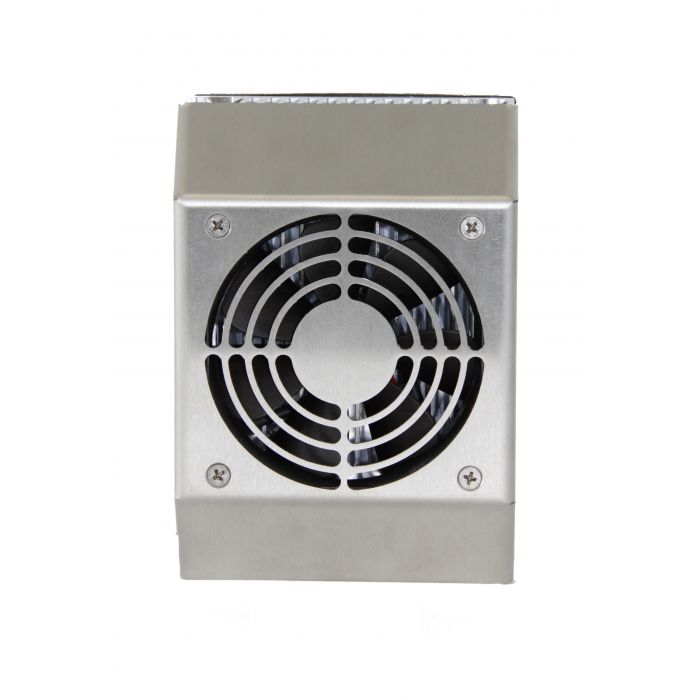
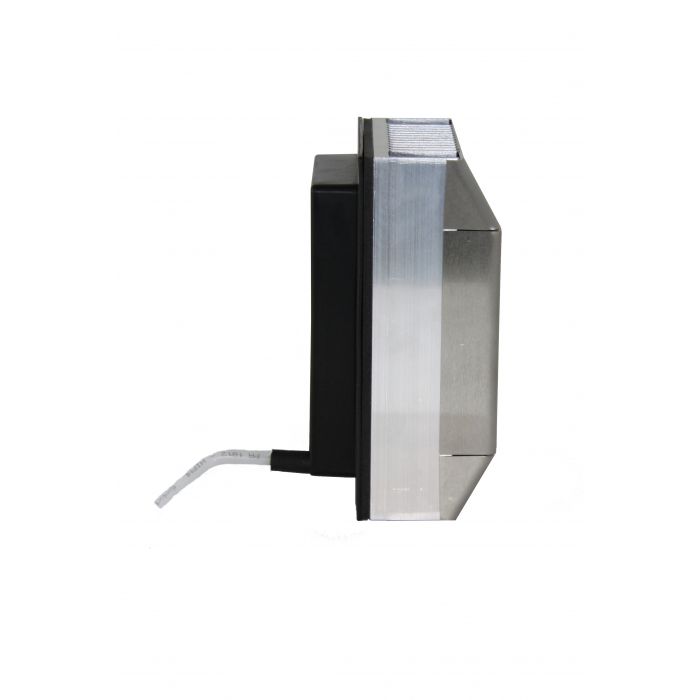
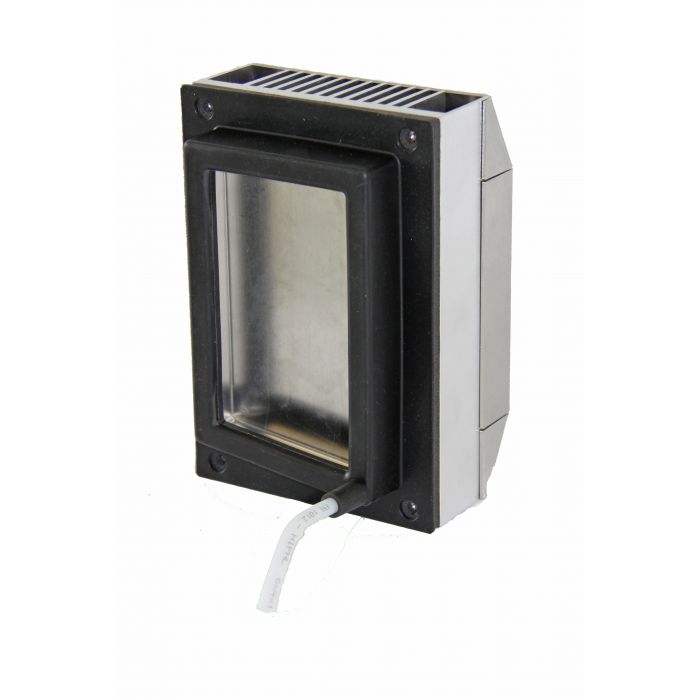
Installation position strongly influences how effectively heat reaches vulnerable cabinet surfaces. Mounting the unit near the lower section can support heat movement through natural convection. However, the exact position depends on cabinet geometry and internal components. Large barriers can interrupt airflow and create cooler zones. Sensitive terminals should not sit in stagnant areas behind dense equipment. The heating unit also needs adequate clearance from cables and heat-sensitive components. For example, an Aluminum Alloy Housing Electrical Cabinet Dehumidifier can suit applications requiring a durable enclosure around the heating assembly. Installation teams should verify mounting strength, wiring access, thermal clearance, and service accessibility. Cable routing should avoid creating unnecessary obstructions around the heat source. After installation, technicians should check several cabinet locations rather than measuring only near the heater. Temperature differences can reveal areas that still require improved air circulation. A dehumidifier for enclosures should therefore work with the cabinet's internal airflow rather than operate in isolation.
What Maintenance Teams Should Monitor Regularly
Routine inspections help confirm whether moisture control continues to perform under real operating conditions. Maintenance teams should track environmental indicators and physical evidence together.
- Internal temperature during normal operation and shutdown periods
- Relative humidity during humid weather and seasonal transitions
- Dew point compared with critical metal surface temperatures
- Visible condensation around terminals and mounting hardware
- Oxidation or discoloration on copper and steel components
- Heater operation and controller response
- Cable gland sealing and door gasket condition
- Airflow around the heating and control components
These checks provide practical evidence that supports preventive maintenance decisions. A sudden increase in internal humidity may indicate a damaged gasket or cable entry. Rising temperature differences may indicate airflow restrictions or changing ambient conditions. Corrosion marks deserve attention even when the cabinet appears dry during inspection. Some condensation events occur overnight and disappear before technicians arrive. Data logging therefore provides greater visibility than occasional visual checks. Maintenance teams can compare humidity records with outdoor weather and equipment operating schedules. Repeated dew point crossings should trigger a technical review. This approach helps identify developing moisture problems before they affect electrical performance or cause unplanned downtime.
How A Dehumidifier For Enclosures Supports Equipment Reliability
Moisture control contributes directly to electrical reliability because corrosion and condensation can affect multiple failure points. Terminal connections require stable contact surfaces to maintain predictable electrical resistance. Circuit breakers also depend on clean insulating surfaces and reliable mechanical movement. Relays and control boards can suffer from corrosion around small conductive paths. In severe cases, moisture can contribute to tracking across contaminated insulation. A dehumidifier for enclosures reduces the conditions that allow these problems to develop repeatedly. Controlled internal heating can keep vulnerable surfaces above the local dew point. The benefit becomes greater when the system operates automatically during high-risk periods. For critical infrastructure, preventing one moisture-related shutdown can justify the cost of preventive equipment. Reliability teams should therefore evaluate dehumidification as part of an overall environmental protection strategy. This strategy should also include proper sealing, inspection, drainage, and temperature monitoring.
How To Compare Dehumidification Solutions For Cabinets
Different moisture-control methods address different environmental problems. Ventilation can exchange humid air with outdoor air, but it may introduce additional moisture during wet weather. Sealing reduces moisture entry but cannot eliminate humidity already trapped inside a cabinet. Heating provides a practical method for preventing cold surfaces from reaching the dew point. Combined solutions can provide stronger protection in demanding outdoor installations.
| Solution | Main Function | Best Application | Key Limitation |
|---|---|---|---|
| Controlled heating | Keeps surfaces above dew point | Outdoor electrical cabinets | Requires suitable power and control |
| Ventilation | Exchanges internal air | Dry environments with stable conditions | May introduce humid air |
| Improved sealing | Limits external moisture entry | Cabinets with leakage paths | Does not remove existing humidity |
| Humidity-controlled heating | Activates protection during risk periods | Variable industrial environments | Requires appropriate sensing and settings |
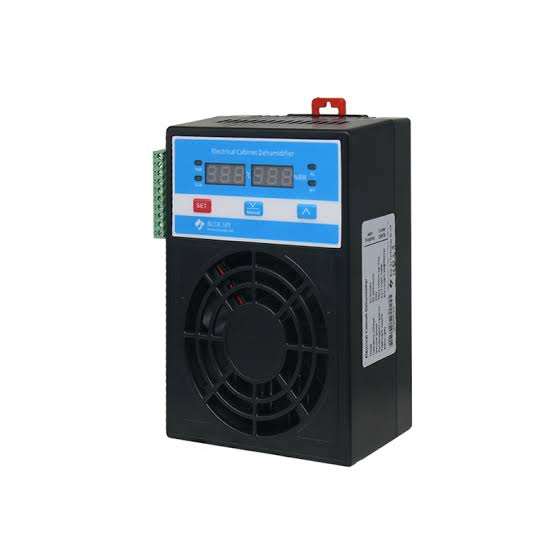
The comparison shows why no single method works equally well in every installation. Ventilation may perform adequately in a dry indoor environment with limited temperature variation. Outdoor cabinets often require stronger protection because humid air and cold surfaces interact repeatedly. Sealing remains essential because moisture control cannot compensate for major water ingress. Heating becomes particularly useful when condensation results from temperature cycling rather than direct leakage. For larger or critical cabinets, engineers may combine sealing improvements with controlled heating and environmental monitoring. A CSL 8200S 60W Electrical Cabinet Dehumidifier can serve applications where a defined heating capacity fits the cabinet's operating requirements. The final choice should follow measured conditions, equipment sensitivity, and available electrical infrastructure.
When Dehumidification Becomes A Preventive Investment
Dehumidification becomes increasingly valuable when cabinets operate outdoors or in persistently humid environments. Repeated condensation provides the clearest warning that passive protection is insufficient. Corrosion around terminals provides another practical indicator of environmental stress. Frequent insulation alarms can also justify a closer moisture assessment. Sites with large temperature swings should monitor conditions even when visible condensation has not appeared. Remote cabinets deserve special attention because failures may remain unnoticed for extended periods. Preventive equipment can reduce emergency maintenance and protect expensive electrical components. However, dehumidification should complement proper enclosure design rather than replace it. Seals, cable glands, drainage, thermal management, and routine inspections still matter. Engineers should compare installation costs with potential downtime, replacement expenses, and maintenance labor. When moisture repeatedly threatens electrical reliability, proactive control usually offers a more predictable operating strategy. A dehumidifier for enclosures can become a practical preventive investment when repeated condensation threatens critical equipment.
FAQ
How does humidity damage electrical enclosures?
Humidity can damage electrical enclosures through condensation, corrosion, and reduced insulation resistance. Moisture forms when internal surfaces fall below the surrounding air's dew point. Metal terminals may oxidize after repeated exposure to water films. Corrosion can increase contact resistance and weaken electrical connections. Moisture can also accumulate with dust and create conductive paths across insulation. Sensitive circuit boards face additional risks because their conductive tracks have small clearances. Repeated condensation may eventually cause intermittent signals, nuisance trips, or insulation failures. Outdoor cabinets experience greater exposure because temperature changes can occur rapidly. Regular humidity monitoring, proper sealing, and controlled heating can reduce these risks. Maintenance teams should inspect both environmental readings and physical signs of moisture damage.
Can enclosure heaters replace a dehumidifier?
Enclosure heaters can provide effective condensation prevention when temperature reduction creates the main moisture problem. Their primary function involves keeping internal surfaces above the dew point. However, heating does not remove moisture from the cabinet. If humid air enters continuously through damaged seals, heating alone may provide limited protection. Proper sealing therefore remains important for outdoor electrical installations. Humidity conditions also determine whether simple heating provides enough control. A controlled heating system can work efficiently when condensation occurs during predictable temperature changes. Humidity-based control can further reduce unnecessary energy consumption. Engineers should assess cabinet volume, ambient temperature, humidity, and component limits before selecting a solution. In many industrial applications, controlled heating offers a practical preventive approach when direct moisture extraction is unnecessary.
Where should an enclosure dehumidifier be installed?
Installation should promote effective heat distribution without obstructing cables or sensitive electrical components. Lower cabinet positions can support natural convection because warm air rises through the enclosure. However, cabinet geometry may require another mounting position. Large circuit breakers, transformers, or cable bundles can block internal airflow. Technicians should therefore consider the entire cabinet layout before choosing the mounting point. Adequate clearance around the heating element also protects nearby components from excessive temperatures. Wiring should remain secure and should not interfere with service access. After installation, technicians should measure temperatures at several cabinet locations. This check can reveal cold zones that remain vulnerable to condensation. Proper installation combines suitable airflow, safe electrical connections, adequate clearance, and convenient maintenance access.