Which Temperature Controller Is Best For Your System?
Choosing the Right Temperature Controllers for Systems
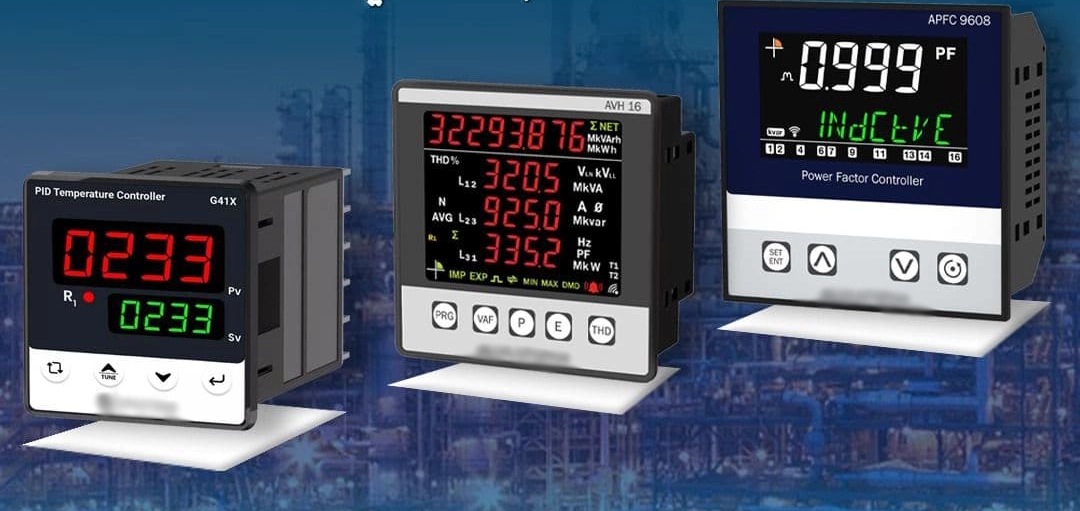
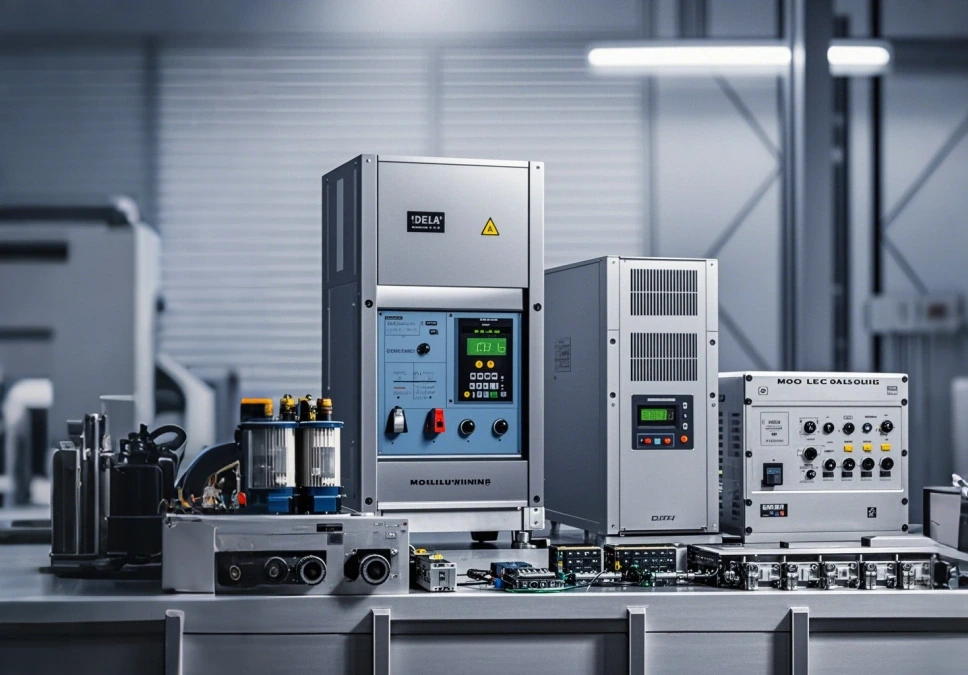
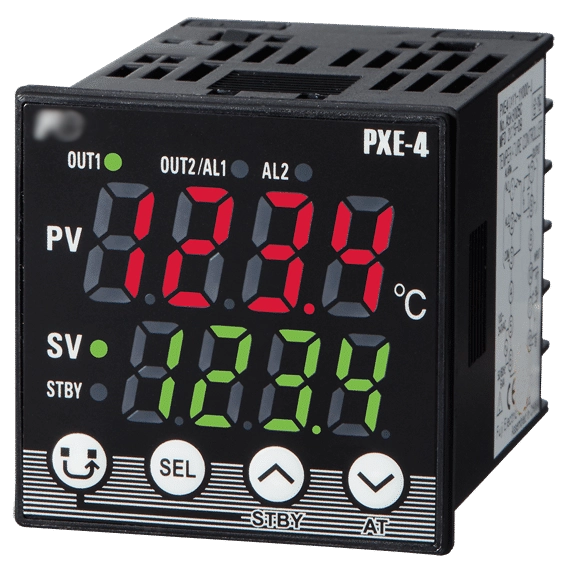
Industrial processing facilities require precise thermal management to protect valuable capital equipment. Engineers often deploy digital temperature controllers to regulate heat levels in real-time. These advanced devices process signal inputs from sensors and adjust power outputs accordingly. Selecting the correct control model prevents thermal runaway and ensures consistent output quality. Modern manufacturing plants rely on automated regulation to maintain safe operational conditions. Without accurate control, critical systems suffer from efficiency losses and premature component wear. Facility managers must evaluate several key performance factors before purchasing any control hardware. High-quality systems maintain precise setpoints despite variable environmental conditions. This initial evaluation helps operators avoid costly downtime and maximize overall production efficiency.
Essential Performance Metrics in Modern Processing
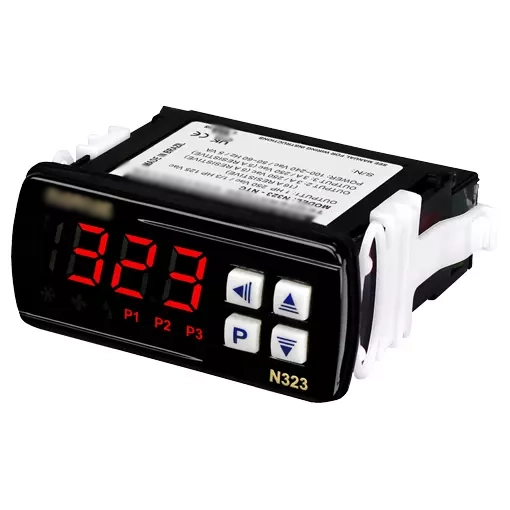
Heavy machinery often demands specific specialized regulators to maintain optimal winding temperatures. Operators frequently install a Temperature Controller for Dry type Transformer to monitor internal heat. This specific unit utilizes sensitive resistance temperature detectors to track core changes. The built-in alarms warn operators before critical thermal limits cause winding insulation failures. Industrial cast resin coils require constant surveillance under variable electrical loads. Reliable monitoring instruments prevent catastrophic transformer breakdowns during peak demand periods. Advanced systems transmit data directly to centralized control rooms for constant analysis. Technical personnel configure specific threshold values to trigger external ventilation fans immediately. Proper thermal control extends the operational lifespan of expensive distribution substation assets significantly.
| Controller Type | Control Algorithm | Optimal Application | Response Speed |
|---|---|---|---|
| On-Off Units | Simple Threshold Switch | Large Thermal Mass Systems | Slow |
| Proportional Models | Continuous Band Adjust | Constant Load Operations | Moderate |
| Full PID Controllers | Proportional-Integral-Derivative | Dynamic Precision Processes | Fast |
Selecting Industrial Temperature Controllers for Diverse Loads
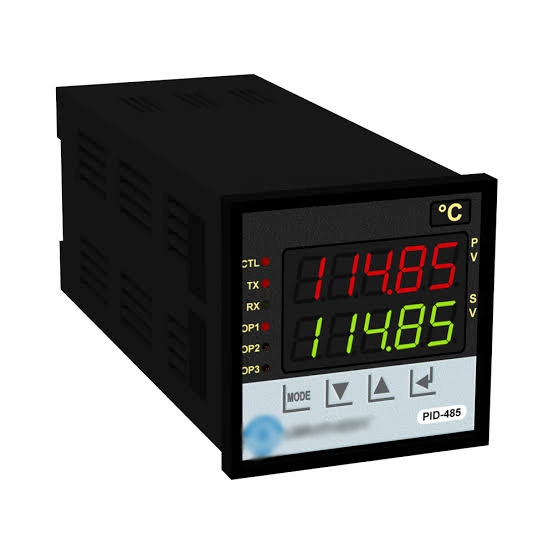
The preceding comparison table highlights three distinct hardware choices for plant engineers. Simple On-Off regulators function well in systems with large thermal capacities. These devices switch the heater power completely on or off to maintain bulk temperatures. However proportional models reduce thermal cycling by narrowing the energy output near the setpoint. Highly sensitive applications demand advanced PID options to eliminate offset errors entirely. Advanced controllers compute the rate of temperature change to adjust the heater power precisely. Selecting professional temperature controllers improves process consistency and reduces energy consumption. Operators should match the control algorithm to their specific process load characteristics. This careful alignment guarantees long-term system stability and prevents unwanted process deviation.
Sensor Integration for Thermal Signal Accuracy
Accurate regulation depends heavily on high-quality thermal sensor signals. Control hardware reads small voltage or resistance variations from industrial sensors. Resistance temperature detectors offer excellent accuracy within moderate thermal ranges. Platinum elements like Pt100 sensors provide stable readings over long operational cycles. In contrast heavy-duty thermocouples withstand much higher temperature limits in harsh environments. These rugged sensors generate a small voltage proportional to the junction temperature. Engineers must shield sensor wires to prevent electromagnetic interference from nearby motors. Proper shielding protects the integrity of the analog input signal. Safe operations require minimal signal drift to guarantee tight process temperature control. Industrial facilities regularly calibrate these active thermal sensors to maintain strict factory compliance. This routine maintenance avoids measurement errors and keeps processes running safely.
| Sensor Type | Temperature Range | Measurement Accuracy | Vibration Resistance |
|---|---|---|---|
| Type K Thermocouple | -200°C to 1250°C | Standard (±2.2°C) | High |
| Pt100 RTD | -200°C to 850°C | Excellent (±0.15°C) | Moderate |
| NTC Thermistor | -50°C to 150°C | Good (±0.2°C) | Very High |
Analyzing Thermal Sensor Performance Data
The second table displays critical operational metrics for common industrial temperature sensors. Each sensor style serves different manufacturing environments based on accuracy and temperature limits. For example the Type K thermocouple covers an extremely wide temperature spectrum. It handles extreme heat in industrial ovens but offers standard precision. Conversely the Pt100 RTD provides outstanding accuracy for delicate pharmaceutical chemical reactions. This resistance sensor requires careful handling due to its lower vibration resistance. Engineers choose NTC thermistors for compact spaces with narrow temperature spans. These thermistors respond quickly to minor heat variations in small medical instruments. Correct sensor pairing prevents control loop failures and optimizes industrial system stability. Operators must evaluate these limits to select the most cost-effective measurement solution.
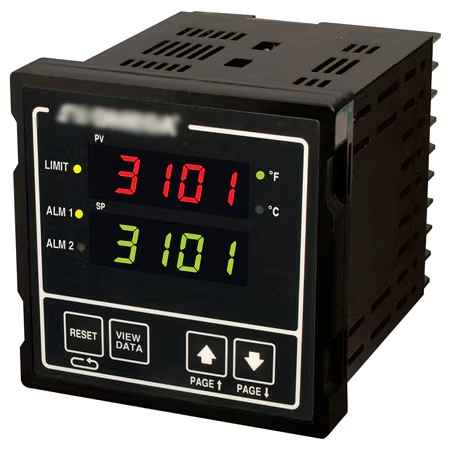
- Mount the hardware securely inside the electrical panel cutout.
- Connect the sensor wire to the designated input terminals.
- Wire the power supply according to the manufacturer wiring diagram.
- Configure the initial setpoint using the front panel keypad.
- Initiate the automatic loop tuning sequence to optimize parameters.
Implementation Steps for System Tuning
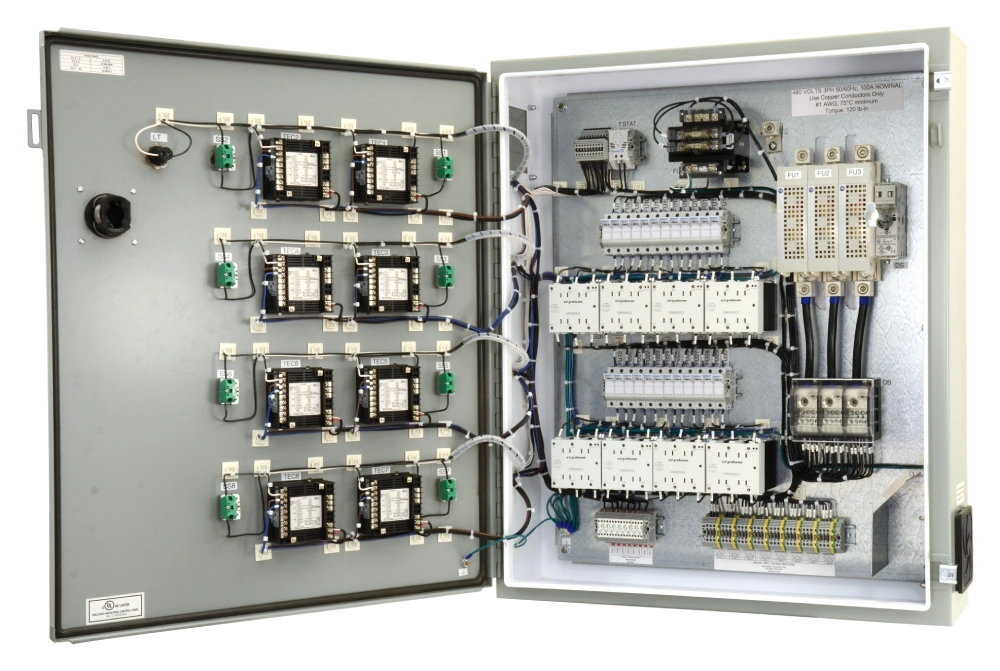
Following these manual steps ensures a reliable installation for most standard control panels. However specific industrial enclosure setups always need unique and extremely robust control hardware. For instance operators often choose a WK Dial-Type Temperature Controller for Cabinets to manage localized heat. This specialized mechanical device regulates cooling fans inside dense electrical enclosures efficiently. The dial interface allows technicians to adjust threshold limits without programming complex menus. Wiring this robust controller requires basic electrical tools and minimal setup time. Properly mounted units protect sensitive variable speed drives from extreme summer heatwaves. Regular inspection of terminal connections prevents sudden power losses during heavy operations. Technicians should verify the dial setting against an independent thermometer periodically.
Relay Types and Output Channel Selections
Output configurations dictate how control units communicate with physical heating elements. Most professional temperature controllers feature electromechanical relays or solid-state switches. Solid-state relays operate silently and withstand millions of rapid cycles without physical degradation. In contrast electromagnetic relays cost less but wear out faster under heavy loads. Analog outputs provide continuous power control by transmitting standard current loops to thyristors. This analog design allows smooth proportional heating in high-precision processing zones. Engineers must select output channels that match the specifications of the heating coils. Proper thermal insulation near the switches prevents heat buildup inside the control panel. Users must install appropriate external fuses to protect the output circuitry from high-current surges.
Maintenance Protocols for Control Instruments
Regular industrial maintenance procedures keep active thermal instruments operating within their certified parameters. Operators must calibrate temperature controllers annually to verify overall reading accuracy. This rigorous testing fulfills critical compliance requirements for ISO 9001 and AMS2750. Specifically, ISO 9001 establishes global guidelines for corporate quality management systems. Meanwhile, AMS2750 dictates pyrometry specifications for aerospace heat-treating furnace operations. Technicians utilize calibrated reference sources to inject known voltages into the input. They measure the resulting output response to detect any internal component drift. Replacing worn sensor cables prevents intermittent signal drops that disrupt automated operations. Dust accumulation inside the chassis reduces cooling efficiency and leads to premature device failures. Implementing these maintenance policies preserves high process safety and equipment lifespan.
FAQ
What are the primary differences between analog and digital temperature controllers?
Analog units use physical dials and simple electronic circuits to adjust heat levels. These devices provide basic on-off control without digital displays or communication interfaces. In contrast digital units process signals using microprocessors and show real-time values on bright screens. Digital models offer multiple input options and support precise PID calculations. Operators configure complex heating profiles and monitor parameters remotely via industrial networks. Modern instruments deliver superior accuracy and eliminate calibration drift over long operational periods. Most modern facilities prefer digital designs for critical manufacturing processes. This digital technology secures reliable production and reduces manual supervision requirements.