Why Use A Humidity Thermostat Controller In Cabinets?
A professional humidity thermostat controller prevents cabinet condensation, protects electronics, and ensures NEMA standards compliance.
Why Cabinets Need a Humidity Thermostat Controller
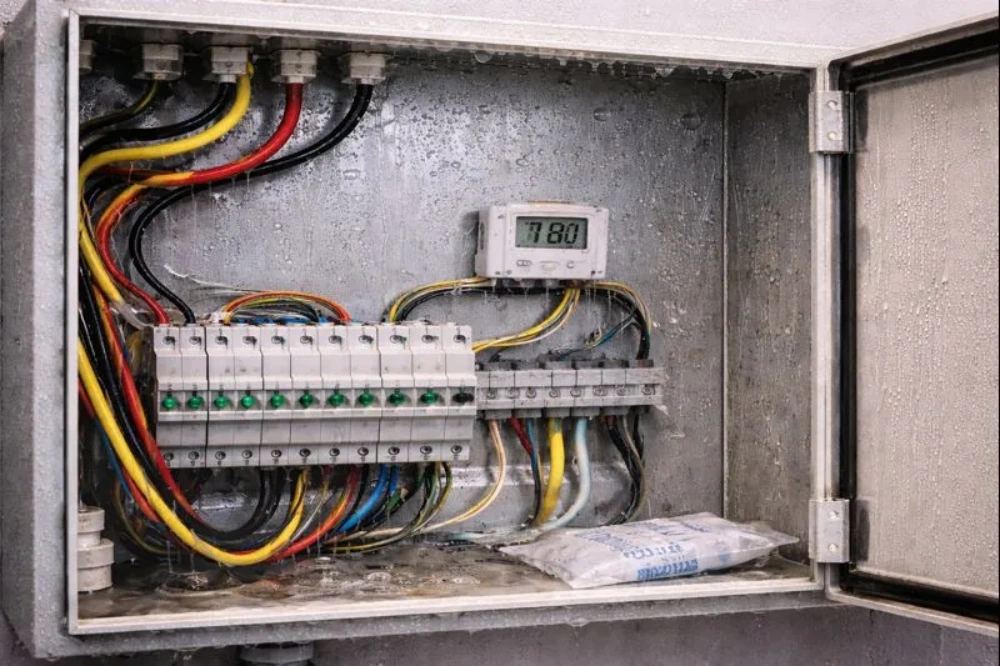
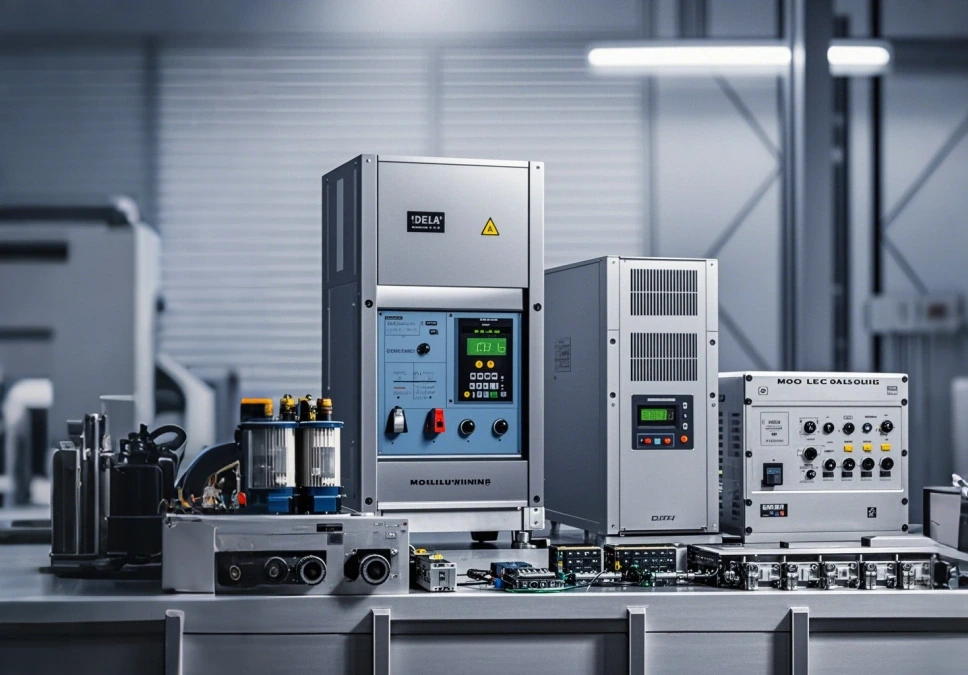
Moisture accumulation always poses a severe physical threat to industrial electrical enclosures. Fluctuating ambient temperatures cause rapid condensation on cold metal walls. Water droplets then drip directly onto sensitive circuit boards. This process leads to catastrophic short circuits and equipment downtime. Operators must maintain optimal climate conditions inside these sealed units. Installing a humidity thermostat controller offers the most effective solution. These devices actively regulate both internal moisture and thermal levels. They prevent dew point formation through continuous environmental monitoring. Reliable sensors detect minor shifts in relative humidity immediately. Then, the system activates internal heaters to stabilize the air. This robust protective mechanism easily ensures continuous operation in harsh, demanding industrial environments.
Critical Engineering Standards for Electrical Enclosure Protection
Industrial facilities must adhere to strict protection standards for electrical enclosures. The National Electrical Manufacturers Association defines these vital safety guidelines. Specifically, NEMA 4X ratings require complete protection against water ingress. International standards like IP66 also mandate dust-tight construction and water resistance. Unregulated interior humidity directly violates these critical engineering standards over time. Corrosive moisture degrades delicate copper contacts and aluminum chassis components. Eventually, localized electrochemical oxidation destroys expensive variable speed drives. Proper climate regulation prevents compliance failures during official safety inspections. Engineers install active heating devices to meet environmental testing criteria. These safety protocols guarantee long-term operational reliability in chemical plants. Adherence to these rules secures manufacturing equipment against unexpected outages.
Selecting Temperature and Moisture Regulators for Industrial Enclosures
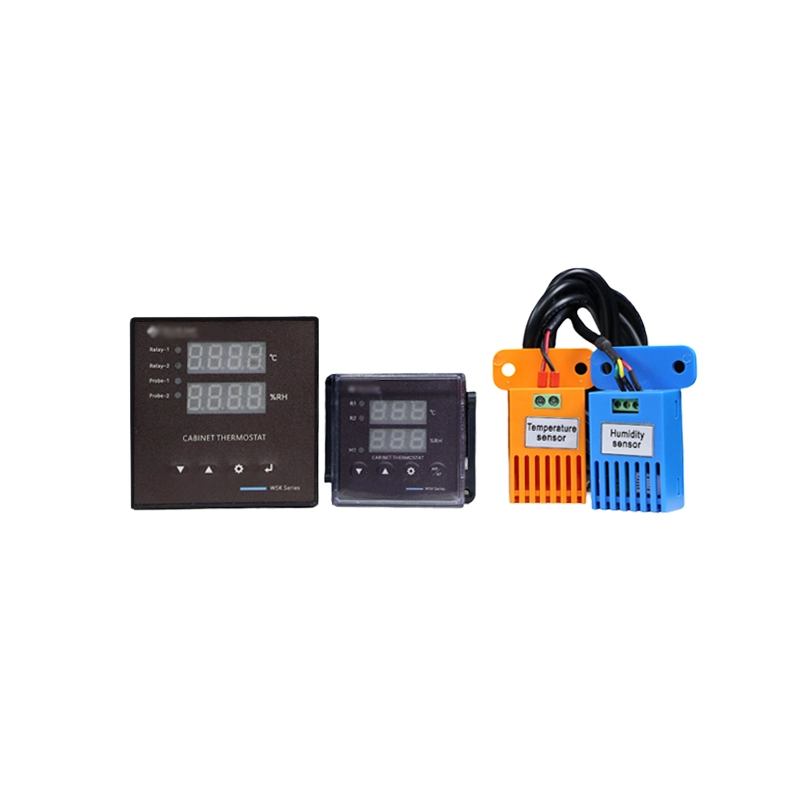
Designers choose specific internal climate components based on environmental severity. Thermal management systems typically utilize compact positive temperature coefficient heaters. These PTC heaters increase safety because they limit their maximum temperature. Engineers pair these heaters with solid-state silicon capacitive humidity sensors. Digital sensors offer superior accuracy compared to traditional mechanical hygrostats. Mechanical variants use synthetic hair that stretches with moisture changes. Unfortunately, mechanical devices experience significant calibration drift over time. Electronic microcontrollers process sensor data to make extremely precise decisions. They trigger heating elements before internal relative humidity reaches critical levels. Modern facilities rely on integrated control modules for optimal space utilization. Selecting premium climate components reduces maintenance costs and extends equipment life.
| Device Type | Sensor Mechanism | Accuracy Level | Calibration Lifespan |
|---|---|---|---|
| Mechanical Hygrostat | Synthetic Hair Band | +/- 5% RH | 12 to 18 Months |
| Digital Humidistat | Capacitive Polymer | +/- 2% RH | Over 5 Years |
| Combined Controller | Integrated Solid-State | +/- 1.5% RH | Over 8 Years |
Comparing Performance Parameters of Enclosure Humidity Temperature Regulators
The data reveals distinct operational differences between mechanical and electronic instruments. Mechanical hygrostats utilize physical bands that degrade rapidly in harsh chemical environments. This degradation causes severe calibration drift within just eighteen months of use. In contrast, digital humidistats feature capacitive polymer sensors that resist environmental contamination. These electronic devices maintain tight tolerances of two percent relative humidity consistently. Solid-state sensors eliminate mechanical friction to extend the active calibration lifespan. Combined controllers utilize high-grade integrated circuits to monitor both temperature and humidity. This advanced integration delivers the highest accuracy for extremely sensitive electronic panels. Choosing digital control options ensures long-term stability and reduces routine inspection costs. Industrial operations maximize system uptime by replacing legacy mechanical switches with electronic units. This upgrade protects critical infrastructure from sudden environmental fluctuations.
- Dielectric breakdown of terminal block insulation materials
- Rapid galvanic corrosion on exposed copper electrical busbars
- Premature software faults in high-density programmable logic controllers
- Uncontrolled thermal stress on internal solid-state power relays
- Accumulation of surface conductive dust on sensitive circuit traces
How Destructive Moisture Impacts Enclosure Safety Systems
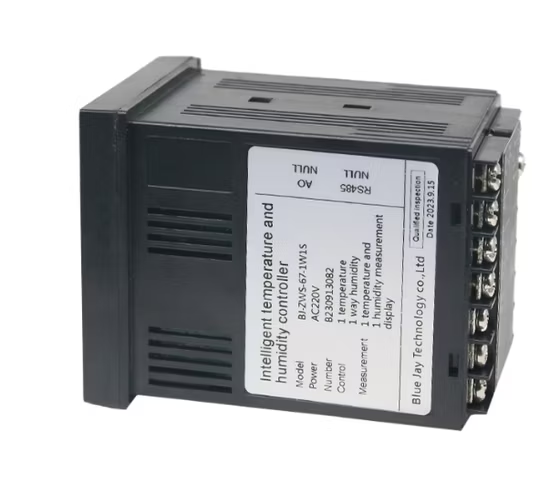
Uncontrolled moisture initiates several destructive physical processes inside sealed industrial enclosures. Dielectric breakdown occurs when humidity lowers the insulating resistance of polymer terminal blocks. This failure allows hazardous electrical current to arc between adjacent high-voltage conductors. Additionally, galvanic corrosion quickly degrades exposed copper busbars in damp environments. This corrosion increases electrical resistance and generates dangerous localized thermal hotspots. Sensitive devices like programmable logic controllers experience sudden software errors from moisture. To prevent these issues, operators install the S2K-Z Dual-Channel Digital Humidity Controller for Panels. This advanced instrument manages complex thermal profiles across two independent cabinet zones. It actively mitigates electrical tracking risks to keep critical automation systems online. Utilizing digital control shields expensive factory assets from permanent hardware damage. Reliable moisture regulation ultimately protects your facility from catastrophic electrical fire hazards.
Selecting a Reliable Humidity Thermostat Controller for Industrial Systems
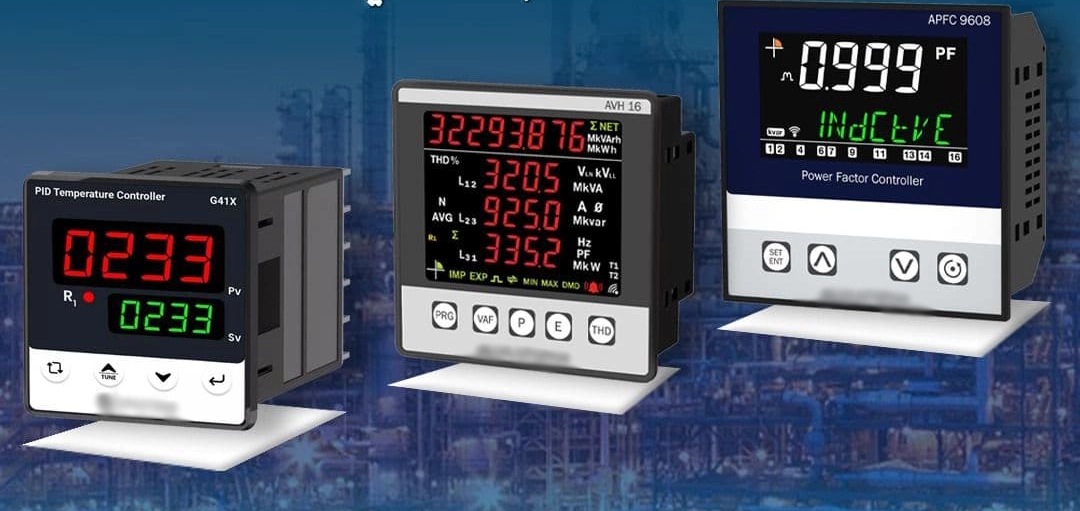
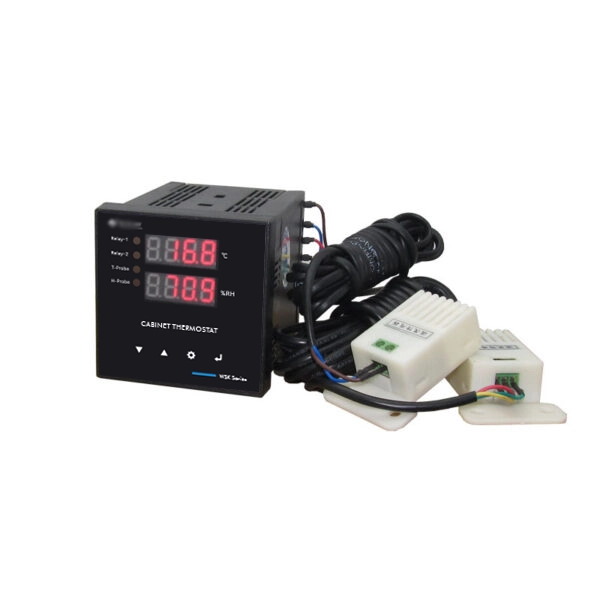
Heavy industry demands specialized climate instruments capable of surviving harsh daily operations. Engineers must choose rugged devices that feature robust electromagnetic compatibility ratings. For standard enclosures, the HK Temperature and Humidity Controller for Cabinets provides exceptional value.
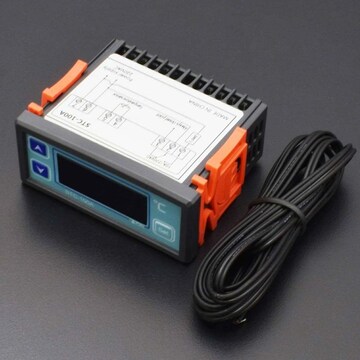
This precise unit monitors ambient air conditions to operate enclosure heaters efficiently.Its integrated sensors track microclimate changes without requiring frequent manual adjustments. Operators can configure the digital setpoints easily via the user-friendly interface. This feature eliminates the guesswork associated with traditional analog dial adjusters. The internal relay switches handle heavy electrical loads without experiencing contact wear. Proper installation of these controllers guarantees steady thermal stability year-round. Factory operations run smoothly when internal cabinet climates remain consistently dry. Investing in quality control hardware secures the longevity of your automation networks.
| Environment Type | Target Temperature | Target Humidity Range | Recommended Action |
|---|---|---|---|
| Outdoor Coastal | 20°C to 25°C | 45% to 55% RH | Activate Anti-Condensation PTC Heater |
| Indoor Factory Floor | 15°C to 30°C | 40% to 60% RH | Use Ventilation Filter Fans |
| Wastewater Plant | 18°C to 22°C | 50% to 55% RH | Deploy Sealed Peltier Cooling Units |
Explaining Environmental Target Values for Digital Climatic Controllers
The recommended environmental values highlight the necessity of adaptive climate control in diverse settings. Outdoor coastal environments experience high ambient salt spray and severe thermal swings. Consequently, operators must set a humidity thermostat controller to maintain relative humidity below fifty-five percent. This specific threshold prevents maritime salt air from crystallizing on sensitive terminal connections. On indoor factory floors, wider ranges of temperature and humidity exist safely. However, wastewater facilities demand tight limits because corrosive hydrogen sulfide gases accelerate copper oxidation. Deploying active cooling units stabilizes these critical parameters to arrest chemical corrosion. Managers must select control parameters based on these local ambient conditions. Using precise settings ensures that the anti-condensation heaters run only when necessary. This careful calibration saves energy while offering robust protection for plant assets.
Integrating Dual Environmental Regulators Into Main Distribution Boards
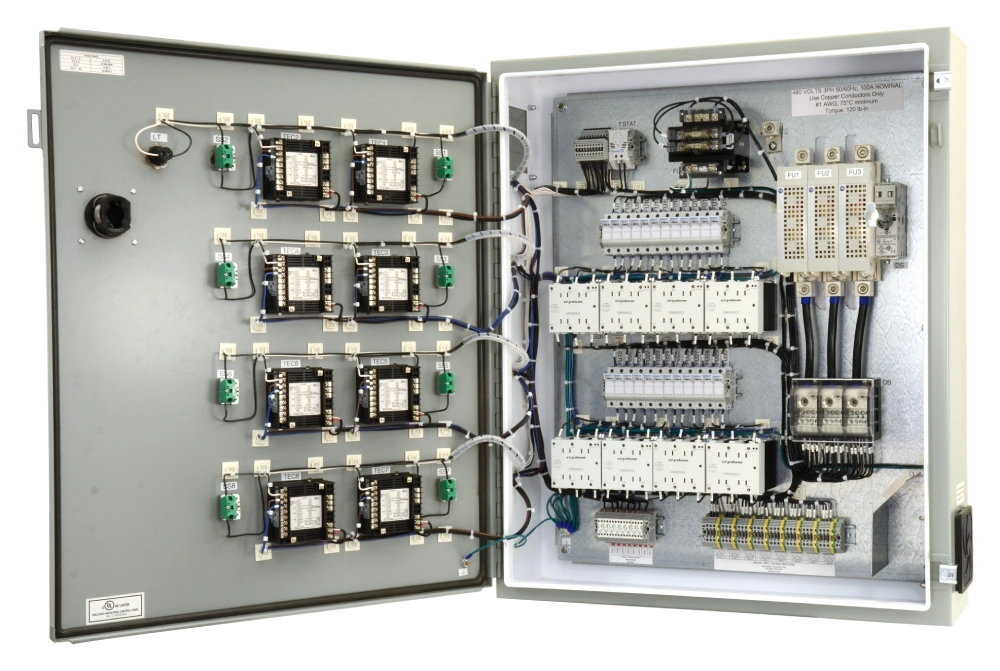
Industrial electricians mount climate control units directly onto standard DIN rails inside main boards. This standardized mounting method simplifies the physical integration process within crowded electrical panels. Wiring diagrams typically require dedicated circuit breakers to protect the sensor modules. These breakers isolate the control circuit during routine maintenance or scheduled plant shutdowns. Technicians connect the output relays to heating strips and ventilation fans using terminal blocks. This configuration allows the system to toggle heating and cooling cycles dynamically. Proper grounding protocols prevent electrical noise from disrupting the precise sensor measurements. Using shielded cables for remote sensors further improves signal integrity in noisy environments. Electricians verify the wiring connections before powering the main distribution system. Secure cabinet installations safeguard valuable electrical infrastructure from unexpected downtime.
FAQ
What is the ideal relative humidity level for an industrial electrical cabinet?
Maintaining the correct relative humidity inside electrical enclosures is critical for equipment longevity. Industrial experts recommend keeping the internal relative humidity between fifty and sixty percent. This specific range prevents static electricity buildup while actively stopping moisture condensation on sensitive surfaces. If the relative humidity drops too low, static discharges can damage sensitive microprocessor components. Conversely, high humidity levels promote galvanic corrosion and compromise insulation properties. A modern humidity thermostat controller stabilizes this environment by activating heaters when humidity rises. This precise climate control keeps your industrial automation systems running safely. Factory operators avoid costly repair shutdowns by maintaining these optimal environmental conditions daily. Regular monitoring ensures that your plant maintains peak operational efficiency. Proper environmental stewardship guarantees the safety of expensive factory automation machinery.
How do ambient temperature shifts trigger condensation inside outdoor enclosures?
Outdoor enclosures experience massive temperature changes between warm days and cold nights. When the outside temperature drops rapidly, the cabinet surface cools down immediately. Warm, moist air inside the enclosure then touches these cold metal walls. This physical contact cools the internal air below its specific dew point temperature. Consequently, gaseous moisture transitions into liquid water droplets on internal cabinet walls. These falling water droplets quickly short circuit delicate terminal blocks and power supplies. Installing an automatic humidity thermostat controller prevents this phase change from occurring. This device activates internal PTC heaters to maintain the air temperature above dew point. Consistent thermal regulation ensures complete safety against sudden outdoor environmental shifts. Protecting your electrical units from severe outdoor elements remains a top engineering priority.
What is the difference between mechanical hygrostats and electronic controllers?
Mechanical hygrostats utilize physical synthetic bands that stretch with changing moisture levels. This simple design requires no electrical power but suffers from poor measurement accuracy. Additionally, mechanical switches experience significant calibration drift within several months of operation. Electronic units use advanced capacitive polymer sensors to measure relative humidity with high precision. These digital microcontrollers process environmental variables to make instant thermal adjustments. Choosing an electronic humidity thermostat controller provides superior protection for high-value panels. Solid-state components eliminate physical wear and tear to deliver a long operating lifespan. This dependable performance makes digital instruments ideal for remote and critical infrastructure sites. Modern manufacturing facilities prefer these reliable digital devices for their main electrical cabinets. Upgrading your old mechanical systems today reduces long-term maintenance labor hours significantly.