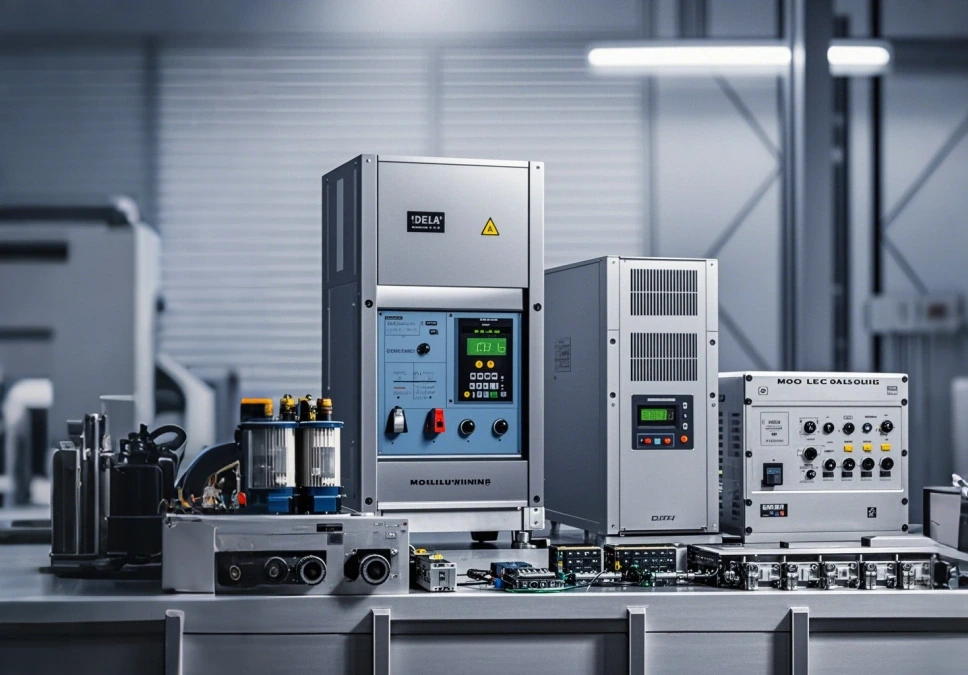
Why Temperature Monitoring Important In Electrical Cabinets?
Enhance panel safety with a reliable temperature control device to prevent costly switchgear thermal failures and unexpected downtime.
The Critical Role of Cabinet Climate Controllers in Modern Control Panels
Modern industrial facilities rely heavily on automated electrical switchgear. Enclosed panels generate significant heat during daily operations. Excessive internal thermal energy threatens sensitive control relays and microprocessors. Engineers must prevent localized heat spikes inside these steel enclosures. An efficient temperature control device regulates internal airflow to preserve sensitive electronics. This automated cooling process ensures continuous operation on production lines. Unchecked thermal accumulation causes unexpected component failures and costly downtime. Industrial operators prioritize active monitoring systems to detect early thermal issues. Consistent regulation prevents catastrophic failure and stabilizes grid connections. Proper management of cabinet heat ensures optimal performance for automated processes. These safety systems protect both expensive machinery and human operators. Active thermal cooling techniques mitigate severe risks in high-voltage environments.
Analyzing Heat Generation Mechanisms in Sealed Enclosures
Electrical currents flowing through conductors naturally produce resistance. This internal electrical resistance converts valuable power into thermal waste. Compact panel arrangements restrict natural heat dissipation through metal walls. Dust buildup on ventilation grills blocks crucial passive cooling pathways. Solar radiation also intensifies internal temperatures in outdoor installations. Heavy load cycles trigger rapid thermal spikes within copper busbars. Power supplies continuously radiate high levels of heat during production. Contractors often overlook cumulative thermal output during panel design phases. Overloaded circuits compound heat accumulation and stress terminal blocks. High ambient factory temperatures further limit natural heat release. System designers must calculate total thermal loads before selecting ventilation units. Adequate airflow modeling prevents dangerous heat pockets around delicate hardware.
Thermal Controller Integration and Component Degradation Dynamics
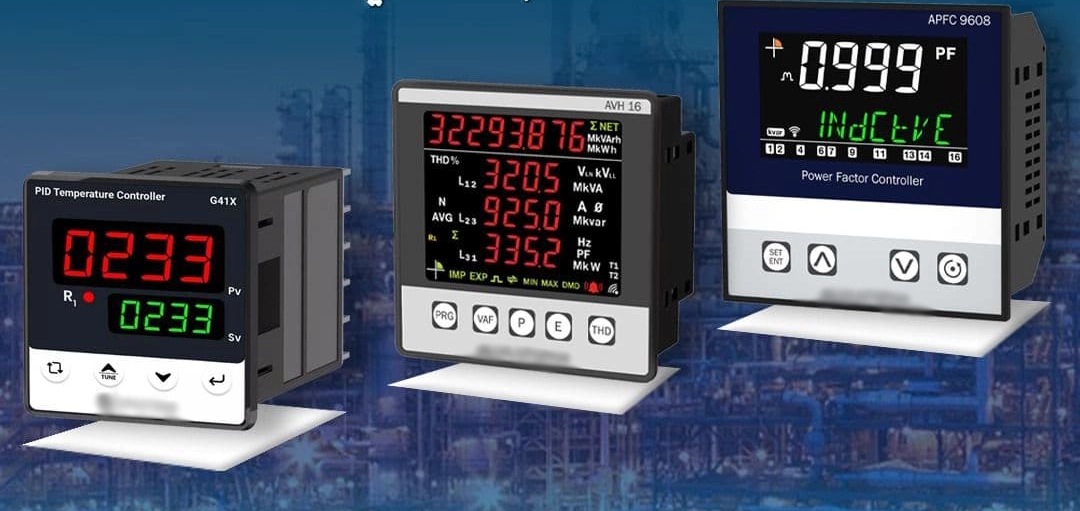
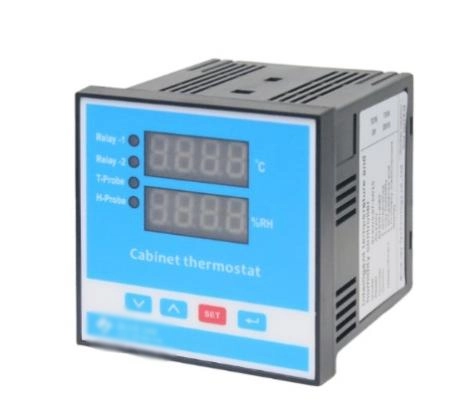
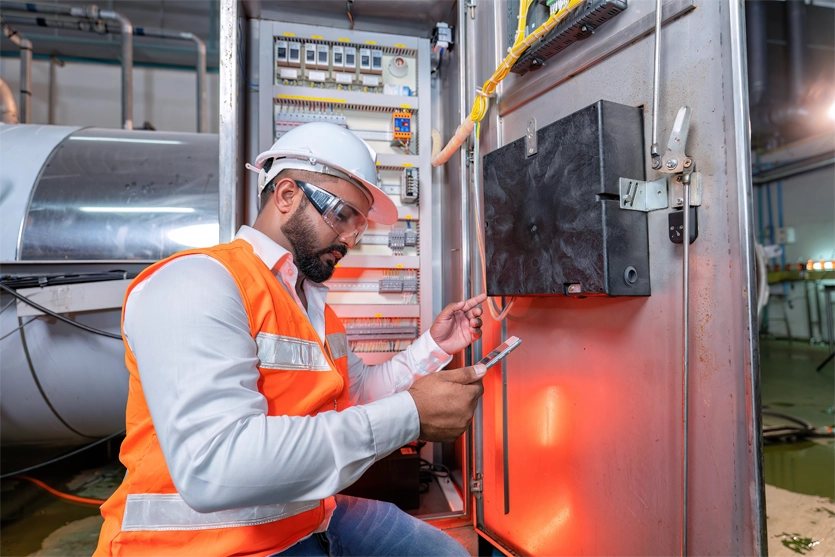
High operating temperatures severely degrade industrial electrical components. Electrolytic capacitors dry out quickly when internal heat exceeds forty degrees. This rapid drying process cuts the component lifespan in half. Silicon semiconductors experience thermal runaway under extreme operating conditions. Unstable voltage outputs threaten overall system control loop performance. Persistent internal heat cracks protective insulation on copper wiring. Exposed wires create dangerous short circuits and potential fire hazards. Relay contacts oxidize faster inside unventilated control boxes. Using the WK Digital Precision Temperature Controller for Cabinets solves these issues. Active monitoring instruments watch real-time changes to safeguard expensive assets. Smart thermal management keeps operating parameters within factory specifications. Reliable panel cooling preserves component integrity and minimizes replacement expenses.
International Compliance Codes for Thermal Enclosures
Global safety bodies enforce strict thermal limits for distribution boards. Standards like IEC 61439 mandate rigorous testing of temperature rises. Manufacturers must verify compliance before installing panels in factories. Similarly, UL 508A outlines clear thermal thresholds for industrial controllers. Non-compliance results in heavy fines and failed safety inspections. Inspectors check localized heat signatures using advanced infrared cameras. Excessive temperatures violate safety codes and invalidate equipment warranties. An approved temperature control device maintains legal operating boundaries. This equipment prevents dangerous heat buildup under maximum electric loads. Safety engineers require certified thermal systems for all factory upgrades. Adhering to these specifications guarantees secure workplaces and equipment. Proper thermal documentation simplifies the official industrial approval processes.
Comparative Operating Specifications for Critical Control Components
| Component Type | Max Temperature (°C) | Risk of Heat Exposure |
|---|---|---|
| Electrolytic Capacitors | 45 | Electrolyte dry-out and capacitance loss |
| Programmable Logic Controllers | 55 | Processor lockup and communication errors |
| Solid State Relays | 70 | Thermal runaway and continuous conduction |
| Copper Busbars | 90 | Surface oxidation and increased resistance |
Thermal Limits of Critical Industrial Components
The data reveals strict thermal limits for common control panel components. Electrolytic capacitors exhibit the highest sensitivity to ambient heat rises. Exceeding forty-five degrees Celsius reduces their operational efficiency quickly. Similarly, programmable logic controllers fail when ambient temperatures surpass fifty-five degrees. These processing units require stable conditions for executing precise commands. Solid-state relays handle higher thermal limits but risk catastrophic runaway. Copper busbars withstand significant heat but suffer from accelerated surface oxidation. Oxidized metal surfaces increase electrical resistance and generate more heat. Maintenance teams must monitor these thresholds to ensure complete panel safety. Continuous tracking of individual component temperatures prevents unforeseen system shutdowns. Applying localized cooling solutions helps maintain safe operating conditions easily.
Analysis of Cooling Methodology Efficiency and Environment Fit
| Cooling Method | Efficiency Level | Best Application Environment |
|---|---|---|
| Passive Louvers | Low | Clean, low-ambient temperature environments |
| Filter Fans | Medium | Dust-free environments with low ambient heat |
| Air Conditioners | High | Harsh, dusty, and high-ambient environments |
| Vortex Tubes | Extreme | Hazardous locations needing localized cooling |
Efficiency and Environment Fit of Modern Enclosure Cooling Systems
Different industrial environments demand specific cooling solutions for optimal safety. Passive louvers provide minimal cooling and work only in clean areas. Filter fans force ambient air through cabinets to lower thermal levels. However, fans fail to cool panels when ambient temperatures exceed safety limits. Enclosure air conditioners solve this issue by cooling internal air actively. Vortex tubes deliver extreme localized cooling for specific high-heat spots. Selecting the wrong option leads to component stress and efficiency losses. A modern temperature control device manages these cooling systems with high precision. This integration ensures that cooling activates only when internal sensors detect spikes. Operators save energy by avoiding continuous operation of heavy cooling units. Smart system design matches specific thermal challenges with appropriate hardware.
Preventative Maintenance Procedures for Long-Term Cabinet Safety
- Perform monthly visual inspections of cabinet seals and gaskets.
- Clean ventilation filters regularly to prevent dust accumulation.
- Measure individual terminal temperatures during peak load hours.
- Calibrate active thermal sensors once every six months.
- Record ambient temperature variations across different seasons.
Reviewing Systematic Preventive Maintenance and Thermal Auditing
Regular preventative maintenance preserves seal integrity and cabinet health. Degraded gaskets allow humid factory air to enter the steel enclosure. This moisture compounds thermal issues and triggers short circuit events. Clean filters ensure unimpeded airflow and maximize heat extraction rates. Technicians should inspect terminal blocks during peak operational shifts. Measuring thermal outputs under load highlights failing contacts early. Calibrating sensors regularly prevents false readings and incorrect fan activation. Documenting seasonal ambient changes helps engineers adjust cooling profiles. These proactive steps prevent sudden component failures and operational interruptions. Implementing systematic schedules ensures that equipment operates within safe parameters. Consistent maintenance habits prolong cabinet life and reduce emergency repair bills. Well-maintained panels operate reliably even during intense manufacturing cycles.
Integrating a temperature control device for Smart Cabinet Ventilation
Modern automated facilities require integrated sensory networks inside power enclosures. Digital sensors track local variations across multiple internal layout zones. These smart tools communicate direct thermal metrics to central computers. Operators receive real-time warnings before critical thresholds trigger automatic shutoffs. Linking cooling fans to physical sensors minimizes industrial electrical usage. Variable speed fans adjust ventilation rates depending on current system stress. This responsive approach prevents excessive wear on active moving parts. Engineers utilize network cards to monitor industrial cabinets from remote locations. Smart systems record continuous history data for detailed engineering reviews. Analyzing historic trends helps teams predict upcoming equipment wear cycles. Advanced sensory integration represents the future of secure power distribution.
Testing and Verification Protocols for Cabinets with Fixed Temperature Controllers
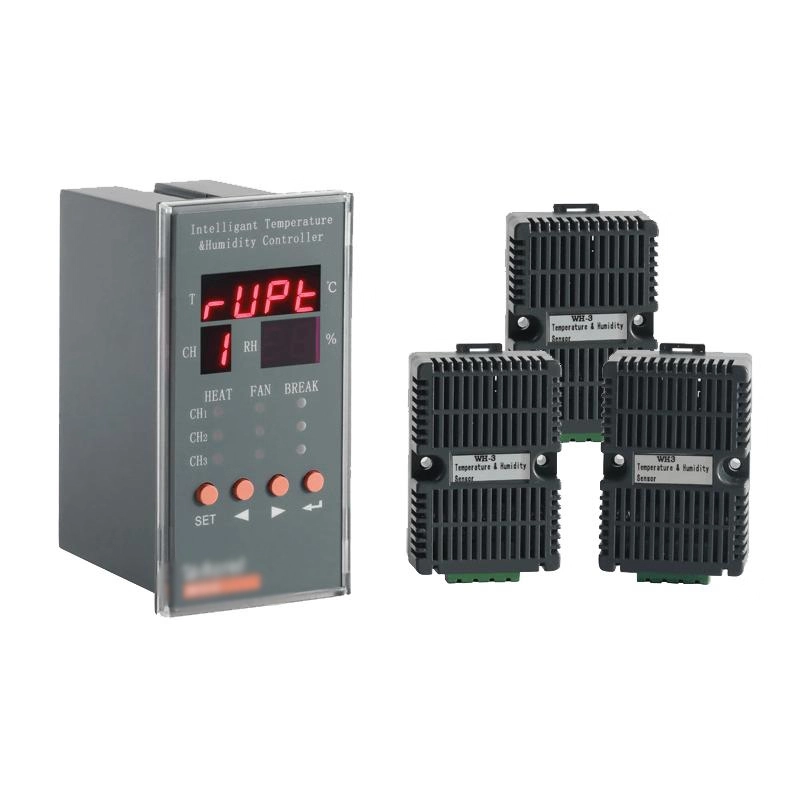
Commissioning teams must verify cabinet setups under actual load conditions. Thermal testing confirms that internal airflow reaches every critical component. Engineers apply physical heat loads to simulate peak summer factory operations. They monitor thermocouple sensors at critical internal choke points. Using the WK Fixed Temperature Controller for Cabinets stabilizes internal conditions. This hardware delivers reliable results during intensive continuous stress testing. Standardized tests verify that no dangerous hot zones exist around processors. Deploying a backup temperature control device ensures extra safety during testing. Such secondary safety mechanisms prevent damage if primary systems fail suddenly. Thorough validation proves that the final design complies with customer requirements. Properly tested setups survive harsh industrial factory environments for decades.
Choosing the Right temperature control device for Long-Term Panel Safety
Securing industrial operations requires careful planning of internal cabinet environments. Engineers must balance active cooling power against overall factory energy budgets. Selecting certified thermal equipment keeps maintenance costs low for factory operators.Reliable sensors prevent severe production line stoppages and expensive equipment losses. Modern facilities prioritize automatic safety overrides to protect expensive electronic hardware.
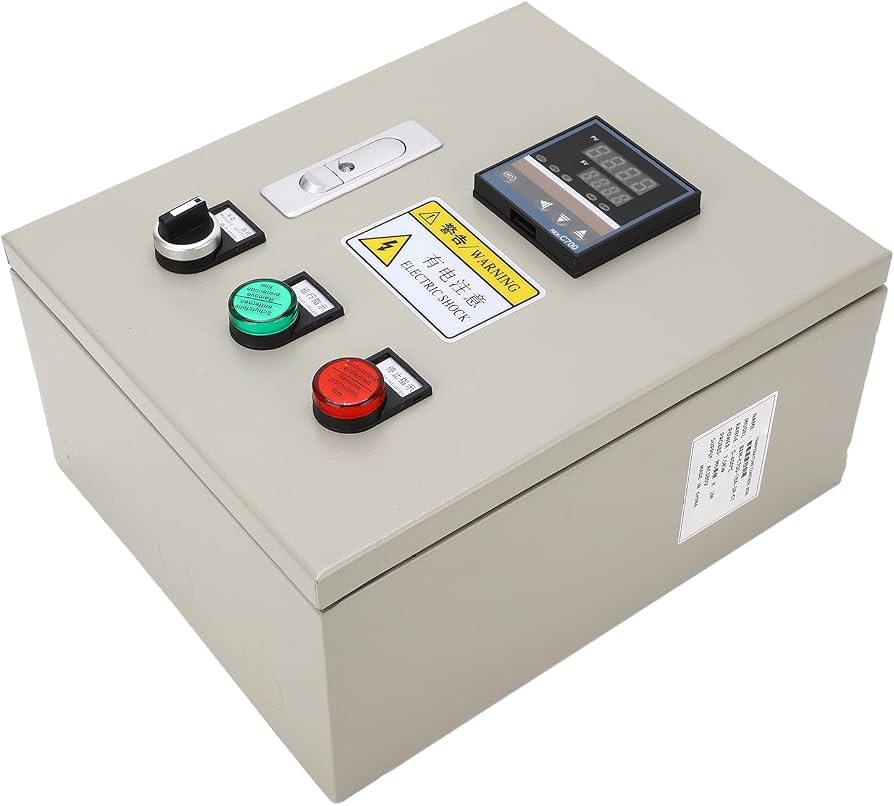
Implementing smart cooling setups represents an essential step in manufacturing development.These robust safety standards ensure secure working environments for plant technicians. System operators must invest in reliable thermal infrastructure today to prevent future hazards. Active monitoring guarantees that vital power systems perform reliably under high stress. Consistent thermal tracking delivers peace of mind for industrial plant managers.
FAQ
What is the optimal cabinet operating temperature?
Industrial guidelines suggest keeping internal cabinet temperatures below forty degrees Celsius. This thermal limit preserves the life of internal semiconductor switches. Operating above this threshold triggers rapid wear on microprocessors and relays. Engineers must balance external ambient factors with heat from active circuitry. Consistent thermal tracking prevents localized heat spikes inside metal boxes. Keeping temperatures low reduces overall energy use of cooling equipment. Technicians utilize automated sensors to measure real-time thermal fluctuations accurately. Proper temperature levels ensure steady voltage outputs across critical systems. Maintaining this balance remains essential for modern manufacturing facilities. Safe operations depend on continuous climate regulation.
How does humidity affect thermal performance?
High humidity increases the density of internal air within enclosures. Moist air transfers thermal energy differently than dry air does. This moisture compounds electrical issues by creating tiny conductive paths. Dust particles combine with humidity to form highly conductive surface films. These films cause dangerous electrical tracking and severe insulation failures. Condensation occurs when rapid temperature drops hit warm, damp cabinets. Water droplets damage sensitive printed circuit boards and active terminal connections. Operators use continuous heating elements to control internal relative humidity. Maintaining low humidity represents a key step in overall equipment safety. Dry environments protect modern switchgear components from premature failure.
Why is a manual thermal check insufficient?
Manual checks only capture temperature metrics at a single moment. Daily thermal loads shift constantly based on factory production schedules. Technicians risk missing dangerous heat spikes that occur during night shifts. In contrast, a continuous temperature control device tracks system fluctuations constantly. This automated tool operates 24/7 to provide complete equipment safety. Active monitoring triggers real-time cooling adjustments without human intervention. Periodic manual inspections also expose workers to dangerous high-voltage panel areas. Automated hardware increases safety while collecting valuable operational history data. Consistent digital data tracking replaces unreliable guesswork with physical evidence. Reliable tracking ensures long-term system stability and maximum factory uptime.