Why Buy Wholesale Remote Earth Fault Indicators?
Wholesale remote earth fault indicator delivers reliable detection, smart monitoring, durable design, and efficient network solutions.
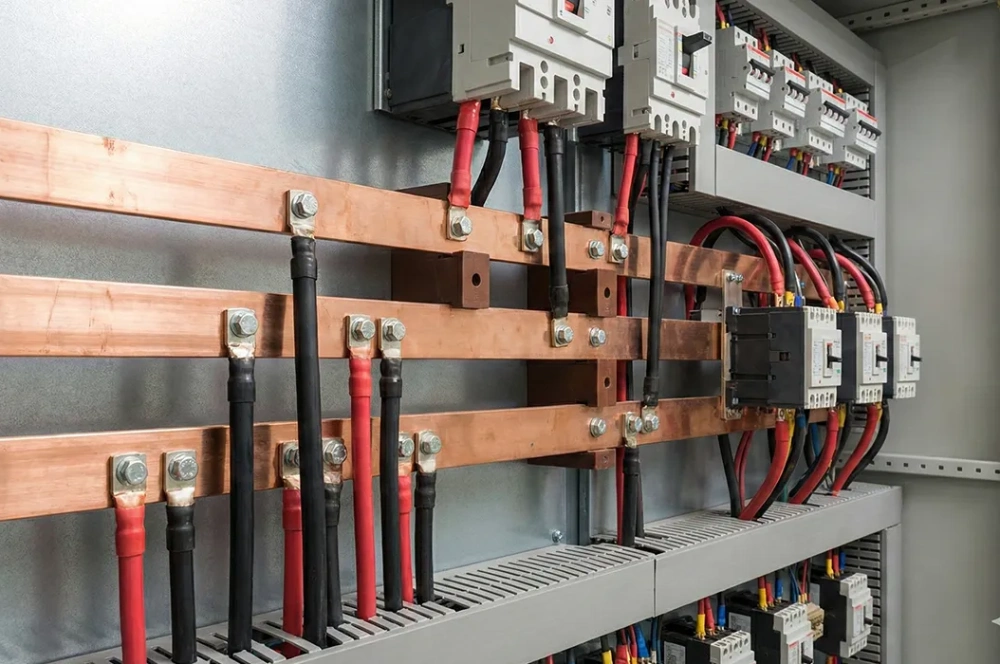
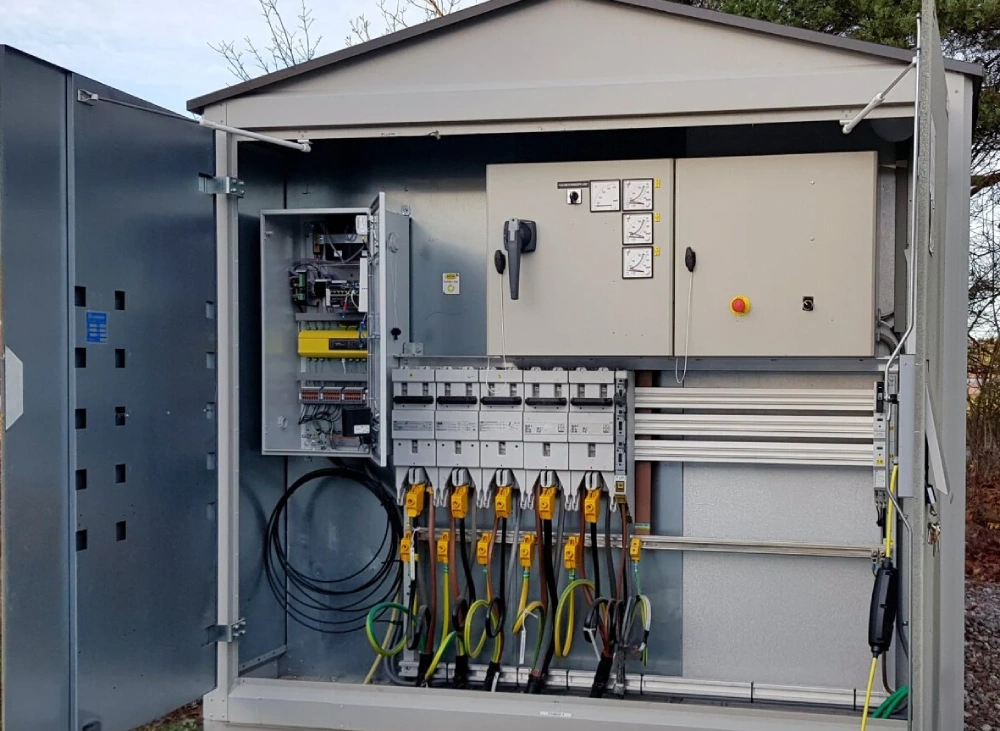
Modern power networks require fast fault identification and reliable monitoring equipment. The wholesale remote earth fault indicator provides utilities with efficient solutions for detecting abnormal current conditions. These devices help operators locate grounding issues without long inspection processes. Electrical distribution systems often face challenges from underground cables, complex circuits, and changing loads. Remote indicators reduce response time by offering visible fault signals at strategic locations. Professional buyers usually consider accuracy, durability, and communication performance before purchasing. Reliable suppliers also provide customized options for different voltage levels and installation environments. These factors help organizations maintain safer electrical operations while improving maintenance efficiency across multiple applications.
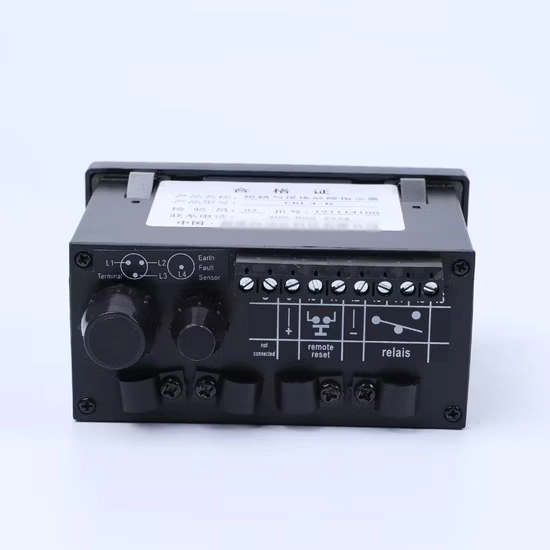
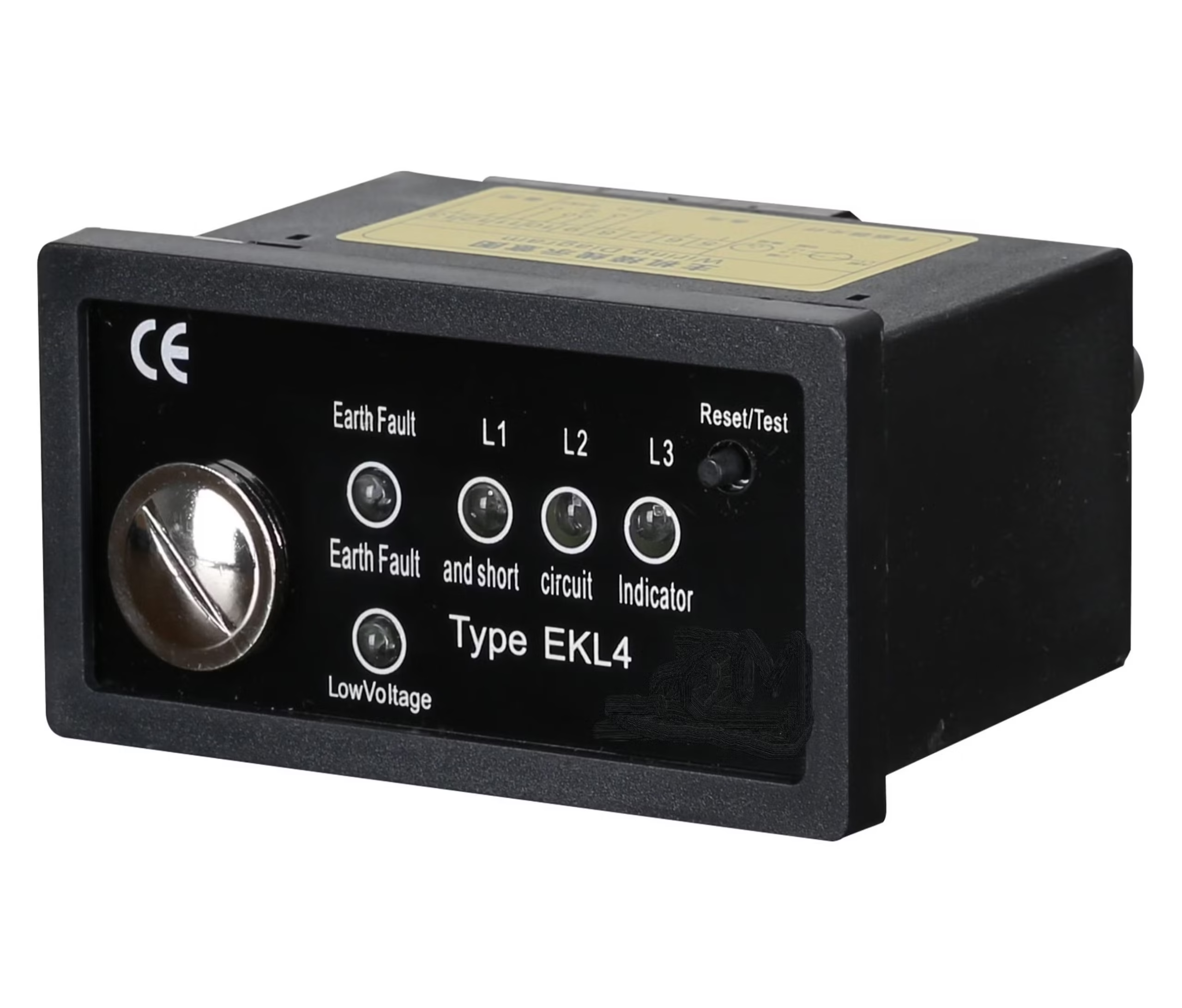
Key Functions That Make Remote Fault Indicators Valuable for Electrical Networks
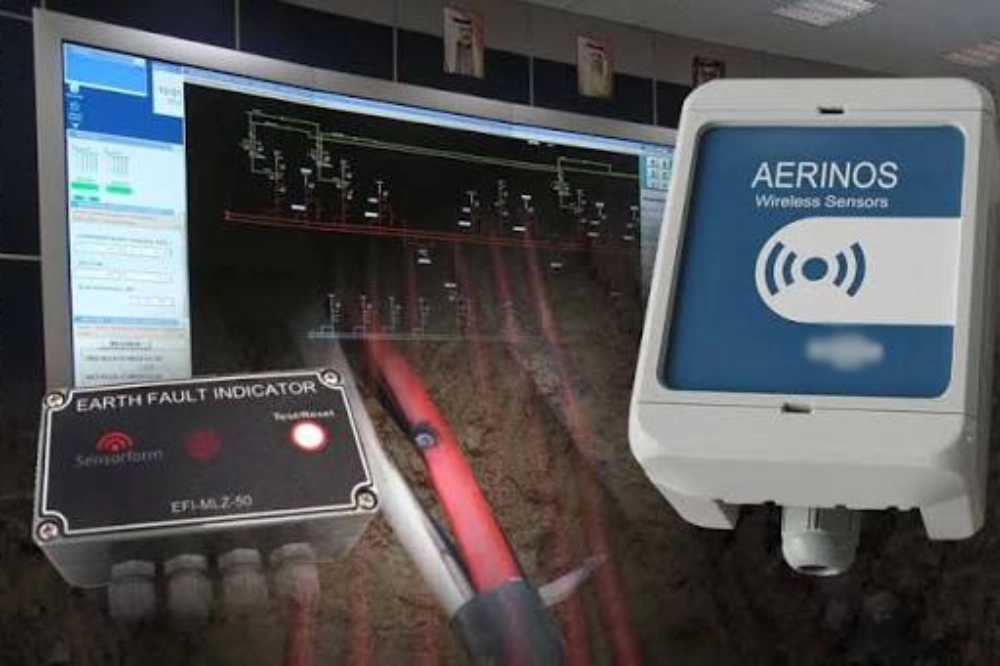
Remote earth fault indicators perform several important tasks inside modern distribution systems. The main function involves detecting earth leakage conditions caused by insulation damage or conductor problems. Advanced models analyze current changes and provide clear warning signals for maintenance teams. Many devices use sensors, electronic circuits, and communication modules to improve monitoring accuracy. The sensing unit measures abnormal current flow around cables or conductors. The processing module evaluates collected signals and activates visual or remote alarms. Manufacturers focus on stable components because environmental conditions can affect long-term performance. Temperature resistance, moisture protection, and mechanical strength become essential factors for outdoor installations.
Technical Components That Improve Detection Accuracy
A reliable indicator contains multiple components that work together to deliver accurate information. Sensors detect electrical changes, while control circuits process fault signals quickly. Housing materials protect internal parts from dust, humidity, and mechanical impact. Some models include LED displays or wireless communication systems for easier operation. Buyers often evaluate component quality because weak parts may reduce service life. The following table shows common technical elements and their functions.
| Component | Main Function | Performance Requirement |
|---|---|---|
| Current Sensor | Detects abnormal grounding current | High sensitivity and stable measurement |
| Control Circuit | Processes fault information | Fast response and reliable operation |
| Protective Housing | Shields internal components | Strong insulation and weather resistance |
| Communication Module | Transfers monitoring data | Stable signal transmission |
Component selection directly influences product reliability in demanding environments. Electrical equipment suppliers usually test each part before assembly. Quality sensors improve detection precision during complicated operating conditions. Strong housing materials prevent damage from outdoor exposure. Communication modules also support remote management systems in large networks. These technical improvements allow operators to receive fault information faster. Proper component design reduces maintenance pressure and increases operational confidence. Buyers should review internal structures rather than focusing only on product appearance. A detailed evaluation helps companies select equipment that matches their specific electrical requirements.
How Wholesale Remote Earth Fault Indicator Improves Fault Detection Efficiency
Large electrical projects need monitoring equipment that supports quick troubleshooting. The wholesale remote earth fault indicator allows maintenance teams to identify fault locations more efficiently. Traditional inspection methods often require extensive manual checking across distribution routes. Remote monitoring reduces unnecessary inspections and improves repair planning. Operators can receive warning signals before problems create larger system failures. Many industrial applications use these devices in switchgear systems, cable networks, and substations. Accurate detection helps reduce downtime and protects important electrical assets. Suppliers with manufacturing experience usually provide different configurations according to installation conditions. Customized solutions help buyers achieve better compatibility with existing infrastructure.
Important Purchasing Factors For Electrical Equipment Buyers
Selecting suitable fault monitoring equipment requires careful evaluation of several factors. Buyers should review product specifications, manufacturing capability, and quality control processes. A professional supplier usually provides technical documents and testing reports. The following list highlights important purchasing considerations:
- Detection sensitivity and fault response speed.
- Protection level against moisture and environmental damage.
- Compatibility with existing electrical systems.
- Communication options for remote monitoring.
- Supplier production capacity and customization ability.
These factors help purchasing teams compare different solutions more effectively. Product reliability depends on both technical design and manufacturing consistency. Companies should consider future maintenance needs before making decisions. Equipment with flexible communication functions can support system upgrades.
Strong supplier support also improves installation efficiency and long-term operation. A complete assessment reduces purchasing risks and helps organizations build safer power networks.
Quality Evaluation Standards For Reliable Remote Monitoring Devices
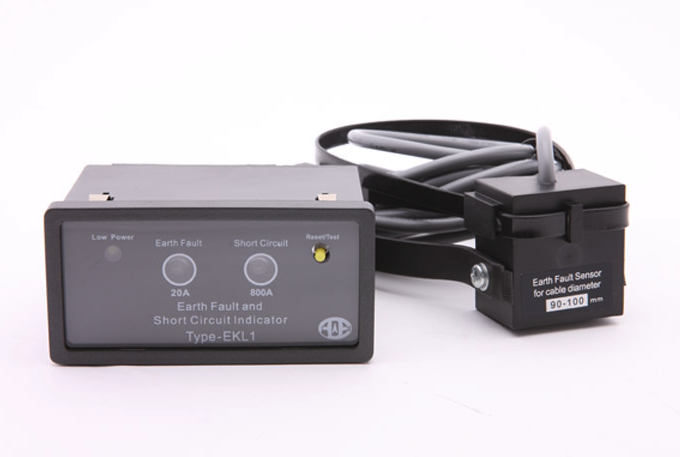
Electrical monitoring equipment requires strict quality evaluation before entering practical applications. Manufacturers normally check electrical performance, insulation strength, and environmental resistance. Testing procedures confirm whether devices can operate under different conditions. Buyers should examine whether suppliers follow recognized production standards. Another important aspect involves material selection and manufacturing precision. The table below presents common evaluation areas.
| Evaluation Area | Testing Focus | Buyer Benefit |
|---|---|---|
| Electrical Performance | Signal accuracy and response speed | Reliable fault identification |
| Mechanical Design | Structure strength and durability | Longer service lifespan |
| Environmental Protection | Resistance against dust and moisture | Stable outdoor operation |
| Production Control | Manufacturing consistency | Lower quality risks |
Professional quality evaluation creates stronger confidence for large-scale electrical projects. Suppliers should maintain consistent production procedures throughout manufacturing. Detailed inspection records help verify product performance before delivery. Buyers benefit from selecting manufacturers that prioritize testing and technical improvement. Reliable equipment reduces unexpected failures during operation. Proper quality management also supports safer electrical environments. Organizations should compare technical information carefully before selecting a supplier. A complete evaluation process ensures the chosen solution meets operational demands.
Application Areas Where Remote Earth Fault Indicators Deliver Better Performance
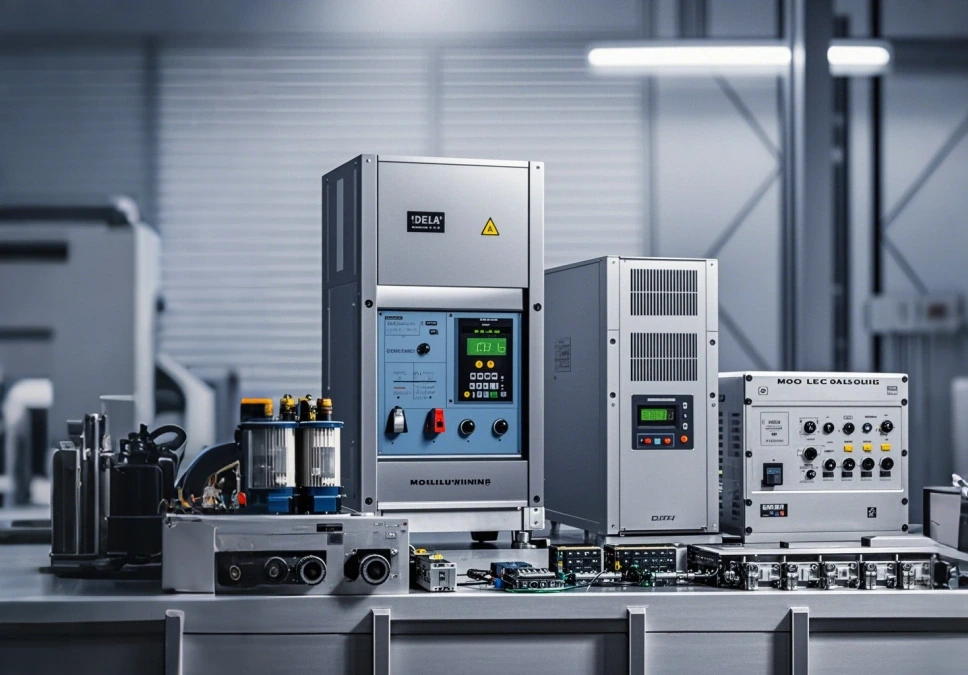
Electrical networks in different industries require accurate fault monitoring solutions. Remote indicators support applications in power distribution, industrial facilities, renewable energy systems, and transportation infrastructure. Substations use these devices to locate grounding problems quickly. Industrial plants depend on reliable monitoring because unexpected electrical failures can interrupt production. Renewable energy projects also require stable protection systems due to complex connection structures. A professional supplier may provide products such as Integrated Indicator for Voltage Presence Grounding Fault for specialized electrical monitoring demands. These solutions help engineers improve visibility and reduce troubleshooting time. Different environments require specific designs, including outdoor protection, communication functions, and installation flexibility. Proper equipment selection improves system stability across various operating conditions.
Material Quality and Manufacturing Standards Behind Reliable Indicators
Material selection directly affects the durability and safety of fault monitoring equipment. Manufacturers usually choose flame-resistant plastics, corrosion-resistant metals, and high-quality electronic components. Protective shells need strong insulation performance because devices often operate near high-voltage equipment. Internal circuits require stable materials to prevent signal errors during long-term use. Some industrial environments contain moisture, dust, or temperature changes. Therefore, manufacturers apply protective designs to maintain consistent performance. The Cable Type Short Circuit Grounding Flash Fault Indicator represents another specialized solution used for cable-related fault monitoring. Different product structures support different electrical applications. Buyers should review material specifications and manufacturing processes before purchasing. Reliable production methods help reduce maintenance frequency and improve operational reliability.
Supplier Selection Factors For Long-Term Electrical Equipment Procurement
Choosing a suitable supplier requires more than comparing prices. Buyers should evaluate technical experience, production capability, and service support. Experienced manufacturers usually have extensive knowledge of electrical system requirements and provide accurate product recommendations. They can offer customized solutions based on voltage conditions, installation locations, and communication needs. A dependable supplier maintains stable production processes and performs quality inspections before shipment. The following factors can help buyers select stronger partners:
- Manufacturing experience in electrical monitoring products.
- Ability to provide customized specifications.
- Complete quality inspection procedures.
- Technical support during installation.
- Stable delivery capacity for large projects.
Supplier evaluation helps organizations avoid product compatibility issues. Strong cooperation with manufacturers creates long-term advantages for electrical projects. Professional support also improves installation efficiency and reduces operation risks. Buyers should request technical documents and discuss application requirements before placing orders. Careful supplier assessment supports better purchasing decisions.
Installation Requirements and Maintenance Considerations
Proper installation directly influences equipment performance and service life. Technicians should follow electrical specifications and manufacturer recommendations during installation. Incorrect placement may reduce detection accuracy or create communication problems. Installation locations need suitable protection from external environmental factors. Regular maintenance also helps identify potential issues before failures occur. Operators should inspect connections, signal functions, and protective structures periodically. Cleaning procedures prevent dust accumulation around sensitive components. Maintenance teams should record operating conditions and fault history for future analysis. Effective management improves equipment availability and extends service periods. Remote monitoring systems become more valuable when combined with professional maintenance practices. A complete operational strategy ensures reliable performance throughout the equipment lifecycle.
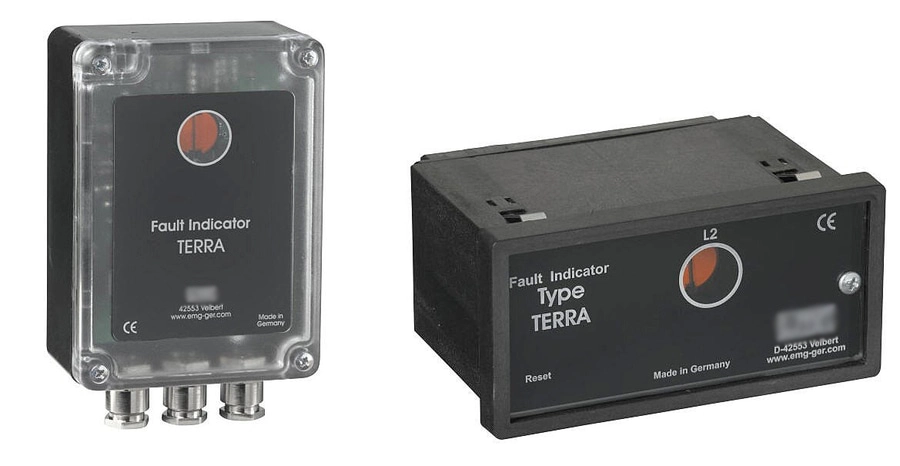
Future Trends Affecting Remote Fault Monitoring Technologies
Electrical systems continue developing toward smarter and more automated management. Modern fault indicators increasingly integrate digital communication and intelligent analysis functions. Wireless technologies allow operators to collect information from distant locations. Data analysis tools help predict possible failures before serious problems appear. Renewable energy expansion also increases demand for advanced monitoring solutions. Future products may focus on lower energy consumption, stronger connectivity, and improved accuracy. Manufacturers are investing in compact designs and multifunctional systems. These improvements help electrical networks achieve better safety and efficiency. Buyers should consider future expansion needs when selecting monitoring equipment. Flexible solutions provide stronger value because they can adapt to changing infrastructure requirements.