Why Choose A Professional Switchgear Interior Light Manufacturer
Switchgear interior light manufacturer delivers durable cabinet lighting, custom solutions, quality control, and stable supply.
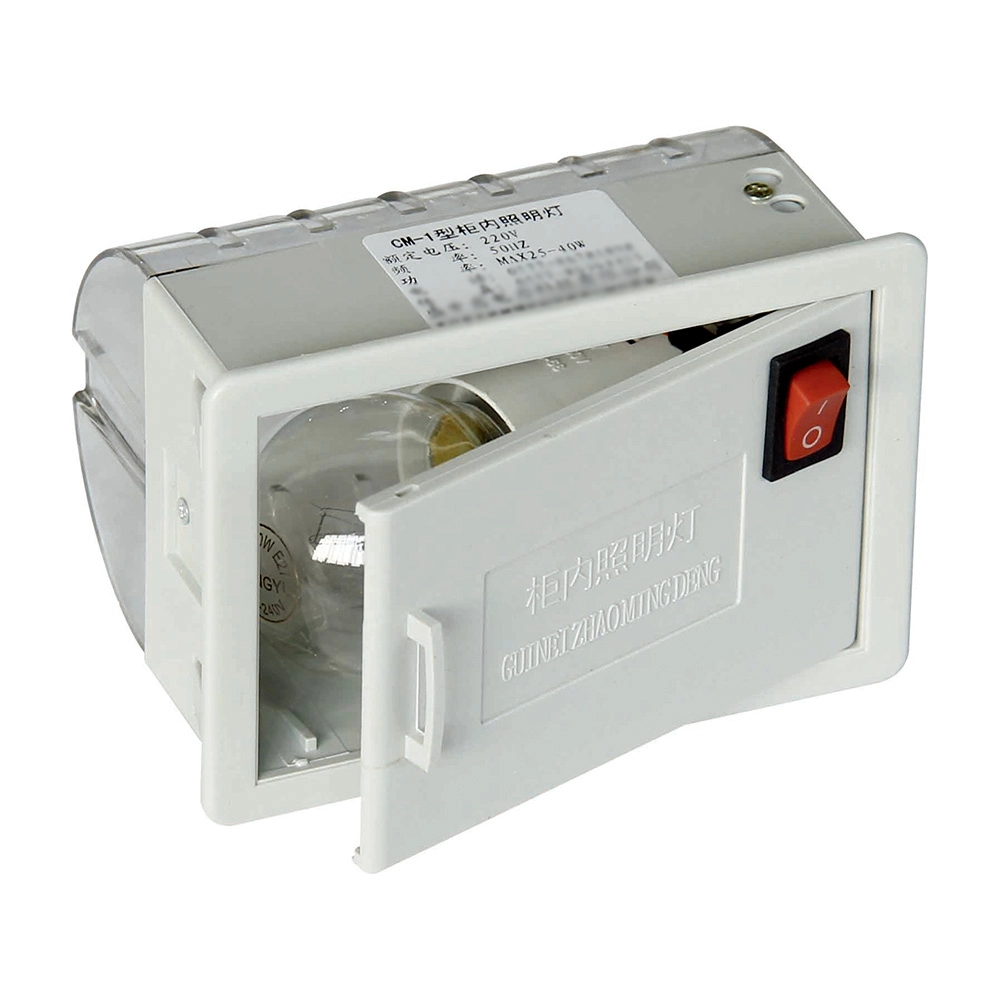
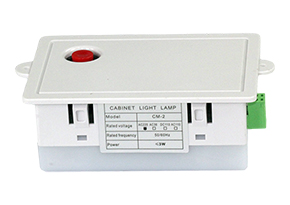
A professional switchgear interior light manufacturer plays an important role in modern electrical equipment supply chains. Industrial buyers require reliable lighting components that improve cabinet visibility and support safer maintenance operations. Interior lights inside switchgear cabinets must provide stable illumination under demanding environments. Professional suppliers focus on product durability, electrical compatibility, and consistent manufacturing quality. They evaluate application conditions before developing suitable lighting solutions. Factors such as cabinet size, operating temperature, voltage requirements, and installation space influence product selection. Experienced manufacturers also provide technical communication and customized services for different industrial projects. Choosing a capable supplier helps companies reduce equipment risks and maintain long-term operational efficiency.
Reliable Manufacturing Experience Improves Product Consistency
Manufacturing experience directly influences product reliability and production stability. Professional factories usually establish complete production systems that cover material inspection, component assembly, performance testing, and final quality checks. Skilled technicians manage each production stage with strict procedures. Advanced equipment improves assembly accuracy and reduces variation between product batches. Suppliers with extensive industry experience can handle different order volumes while maintaining consistent output. They also recognize common challenges in electrical cabinet applications. These challenges include limited installation space, vibration conditions, and continuous operation requirements. Strong manufacturing experience allows suppliers to optimize product structures and improve practical performance. Buyers should evaluate factory history, production capability, and technical resources before selecting a long-term partner.
Advanced Material Selection Ensures Long-Term Lighting Performance
Material selection affects the service life and performance of cabinet lighting products. High-quality interior lights often use flame-resistant housing materials, durable LED components, and reliable electrical connections. Polycarbonate and ABS materials provide good insulation properties and impact resistance. Aluminum structures can improve heat dissipation during continuous operation. LED chips require stable thermal management because excessive heat reduces lighting efficiency and lifespan. Professional suppliers analyze environmental conditions before choosing suitable materials. For example, industrial cabinets operating in humid areas require better protection against moisture and corrosion. Reliable designs also consider dust resistance and temperature changes. Material quality directly influences maintenance frequency, energy efficiency, and long-term operating costs for industrial users.
Switchgear Interior Light Manufacturer Quality Control Standards
A trusted switchgear interior light manufacturer applies strict quality control systems throughout production. Quality management begins with incoming material inspections. Suppliers check LED components, circuit boards, connectors, and housing materials before assembly. During production, technicians verify electrical parameters, installation accuracy, and mechanical strength. Finished products often receive aging tests to evaluate continuous operation performance. Electrical safety inspections confirm insulation quality and operating stability. Many industrial buyers also review supplier testing procedures before cooperation. A complete quality system reduces unexpected failures after installation. Professional manufacturers maintain detailed records for production tracking and improvement. These practices help customers receive stable products that meet industrial requirements and support reliable switchgear operation.
Precision Design Supports Switchgear Cabinet Applications
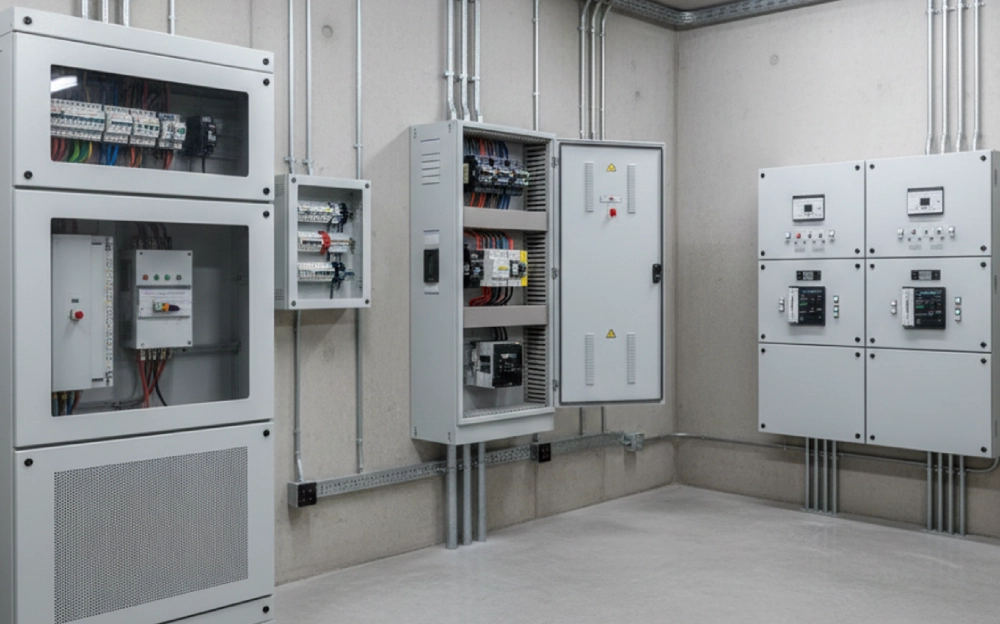
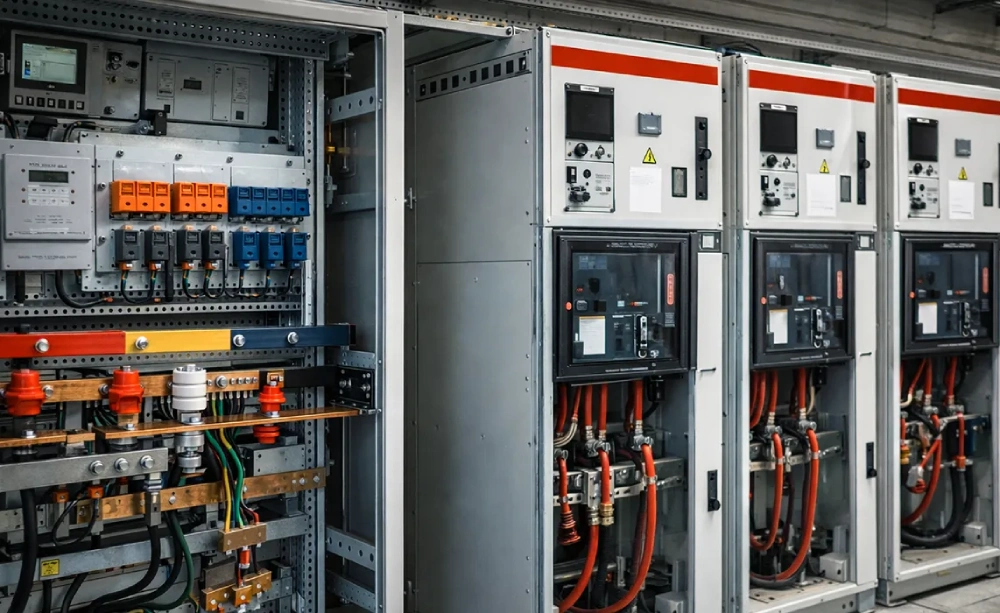
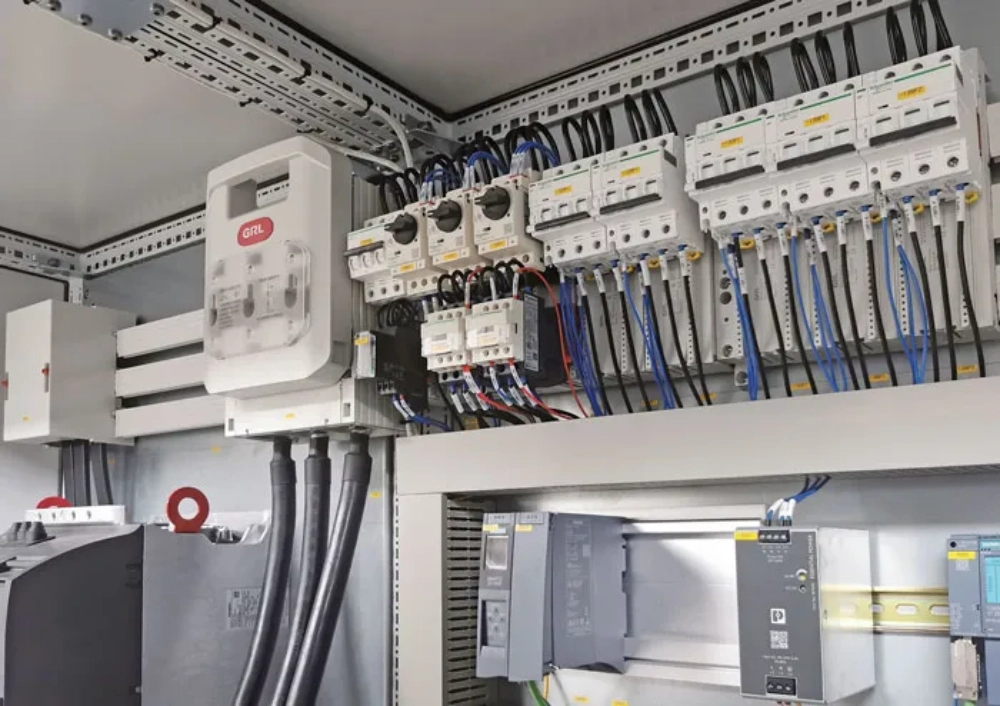
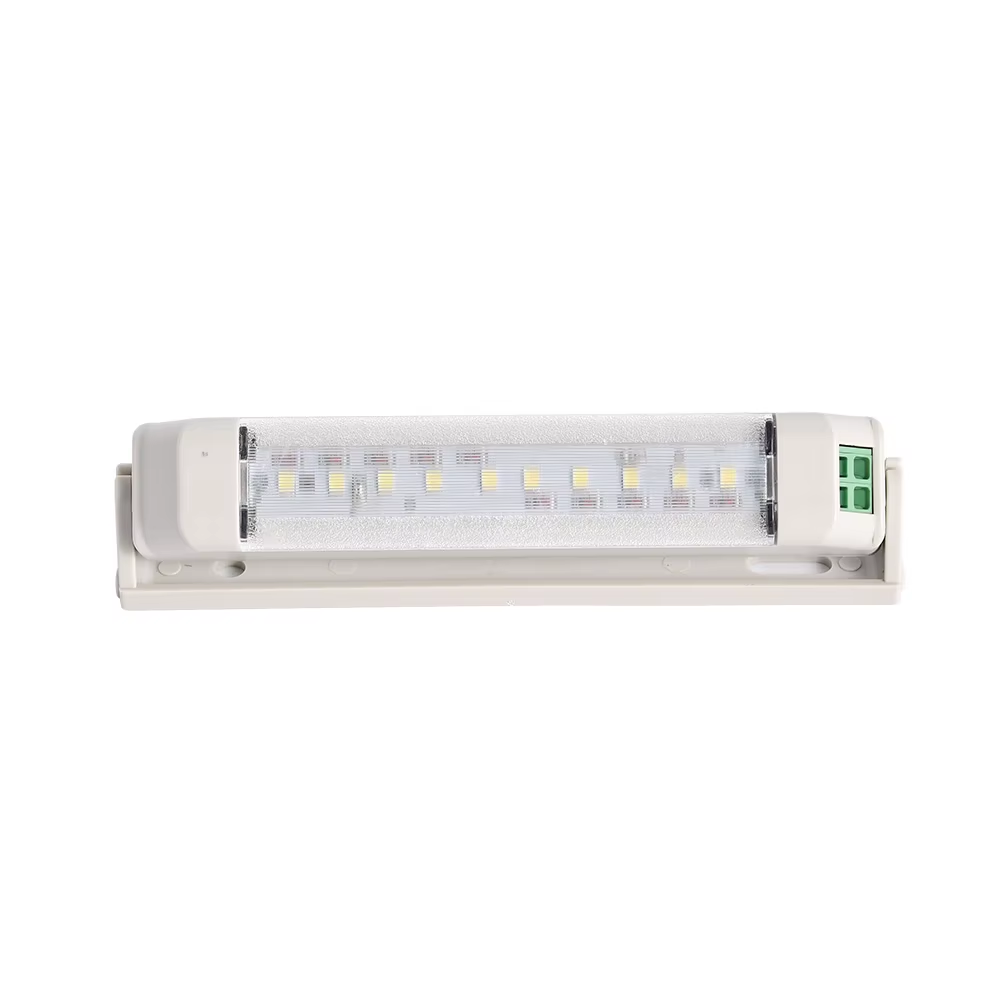
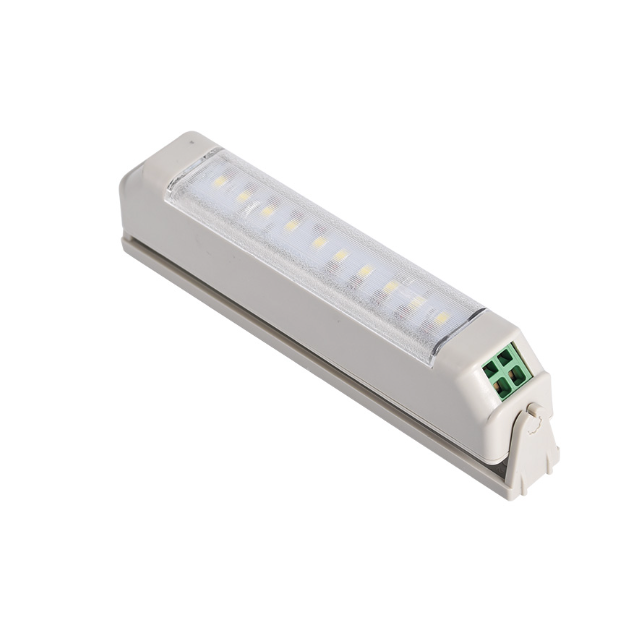
Switchgear cabinet environments require compact and practical lighting solutions. Interior lights must fit limited spaces while providing sufficient brightness for inspection and maintenance work. Engineers consider mounting positions, cable routing, connection methods, and operating conditions during product development. Proper optical design improves light distribution and reduces dark areas inside cabinets. Many products include magnetic installation, screw mounting, or integrated wiring options for flexible applications. The CM-L2 Cabinet LED Light for Switchgear represents a compact lighting solution designed for cabinet environments where efficient illumination and convenient installation are important.
Professional suppliers focus on practical details because small design improvements can significantly affect user experience. Accurate engineering helps industrial customers achieve safer maintenance processes and better equipment management.
Customization Capability Creates Better Industrial Solutions
Industrial projects often require different lighting specifications based on equipment structure and operating environments. A professional supplier can provide customized solutions involving voltage options, dimensions, connectors, switches, and installation methods. OEM and ODM services allow buyers to develop products according to specific application needs. Custom solutions are valuable for electrical manufacturers, system integrators, and large equipment suppliers. Technical teams evaluate project requirements and recommend suitable designs. Flexible production capability also helps companies manage different market demands. Customization reduces compatibility problems and improves installation efficiency. Reliable suppliers combine engineering knowledge with manufacturing resources to create products that match customer expectations. This capability becomes an important factor when companies compare potential partners for long-term cooperation.
Key Factors When Selecting A Professional Supplier
Selecting the right lighting supplier requires careful evaluation of technical and business capabilities. Industrial buyers should consider several important factors:
- Manufacturing capacity and production management ability
- Product testing procedures and quality certification
- Customization services for different cabinet designs
- Delivery performance and supply chain stability
- Technical communication and after-sales support
These factors help buyers identify suppliers that provide consistent value instead of only focusing on product prices. A strong supplier relationship depends on reliable communication, accurate production planning, and continuous technical support. Companies should review factory information, product samples, and previous application experience before making purchasing decisions. A complete evaluation process reduces supply risks and improves project success.
Technical Comparison Of Different Switchgear Interior Light Options
Different switchgear lighting products provide various performance advantages based on application requirements. Industrial buyers should compare product structures, power options, installation methods, and operating environments before selecting suitable solutions. LED technology has become a common choice because it offers high efficiency, stable brightness, and longer service life. However, different cabinet conditions require different product designs. Factors such as available space, temperature range, protection requirements, and maintenance frequency influence purchasing decisions. The following comparison shows typical differences between common switchgear interior lighting solutions. These details help buyers evaluate product characteristics and select suitable options for specific electrical equipment applications.
| Lighting Type | Power Range | Installation Method | Application Scenario | Main Advantages |
|---|---|---|---|---|
| Standard LED Cabinet Light | 3W-8W | Magnetic or screw mounting | General switchgear cabinets | Energy saving, compact structure, easy maintenance |
| High Brightness LED Light | 8W-15W | Fixed mounting with wiring connection | Large electrical cabinets | Strong illumination and wider coverage |
| Explosion-Proof Cabinet Light | 5W-12W | Special mounting structure | Industrial hazardous environments | Enhanced safety and environmental protection |
| Smart Sensor Cabinet Light | 3W-10W | Integrated sensor installation | Frequent inspection areas | Automatic control and reduced energy use |
Switchgear lighting selection depends on both technical specifications and operating conditions. Standard LED products usually meet daily inspection needs in common electrical cabinets. High brightness models support larger spaces where operators require clearer visibility. Explosion-proof designs focus on safety in demanding industrial locations. Sensor-based solutions improve energy efficiency by activating illumination only when required. Buyers should match product performance with cabinet design instead of selecting products only by price. A professional supplier can provide technical recommendations based on installation environment, voltage requirements, and expected service conditions. Proper product matching improves maintenance efficiency and reduces unnecessary replacement costs.
Stable Supply Chain Management Reduces Purchasing Risks
Stable supply chain management directly affects delivery reliability and project scheduling. Industrial buyers often require continuous product availability because electrical equipment production depends on accurate component supply. Experienced suppliers establish organized procurement systems for LED components, electronic parts, and housing materials. They monitor inventory levels and production planning to avoid unexpected delays. Effective supplier management also improves response speed during urgent orders or customized projects. A reliable production network includes qualified material partners, efficient manufacturing processes, and strict quality tracking. Companies working with professional lighting suppliers can reduce procurement uncertainty and maintain smoother project execution. Strong supply capabilities become especially important for international customers with regular purchasing requirements and different market schedules.
Professional Switchgear Interior Light Manufacturer Supports Global Industrial Buyers
A professional switchgear interior light manufacturer provides more than standard products. Global industrial buyers often need technical assistance, stable communication, and flexible production support. Reliable manufacturers recognize different electrical standards, market requirements, and application environments. They help customers select suitable lighting structures according to cabinet conditions and project specifications. Export experience also improves documentation management, packaging quality, and delivery coordination. The CM-L3 Explosion-Proof Cabinet Light for Switchgear demonstrates how specialized lighting solutions can support challenging industrial applications that require additional safety considerations. Professional suppliers combine engineering capability with manufacturing experience to create dependable partnerships. This approach helps buyers maintain product consistency across different projects and markets.
Future Trends In Switchgear Cabinet Lighting Technology
Switchgear lighting technology continues to develop with improvements in efficiency, safety, and intelligent control. LED components are becoming more efficient while providing stronger brightness with lower energy consumption. Modern designs focus on smaller structures, improved thermal management, and longer operational life. Smart sensors and automatic control functions are also becoming more common in industrial environments. These features reduce unnecessary energy usage and improve equipment monitoring efficiency. Protection improvements help lighting products operate under moisture, dust, and temperature variations. Future solutions may combine lighting functions with digital monitoring systems to support smarter electrical equipment management. Suppliers with strong research capabilities can respond faster to changing industrial requirements. Continuous innovation helps improve cabinet maintenance conditions and operational reliability.