Why Choose A Professional Voltage Detecting System Factory?
Choose Voltage Detecting Indicating System Factory solutions with quality, custom options, testing, and stable switchgear performance.
Reliable Manufacturing Expertise Behind Voltage Detecting Indicating System Factory
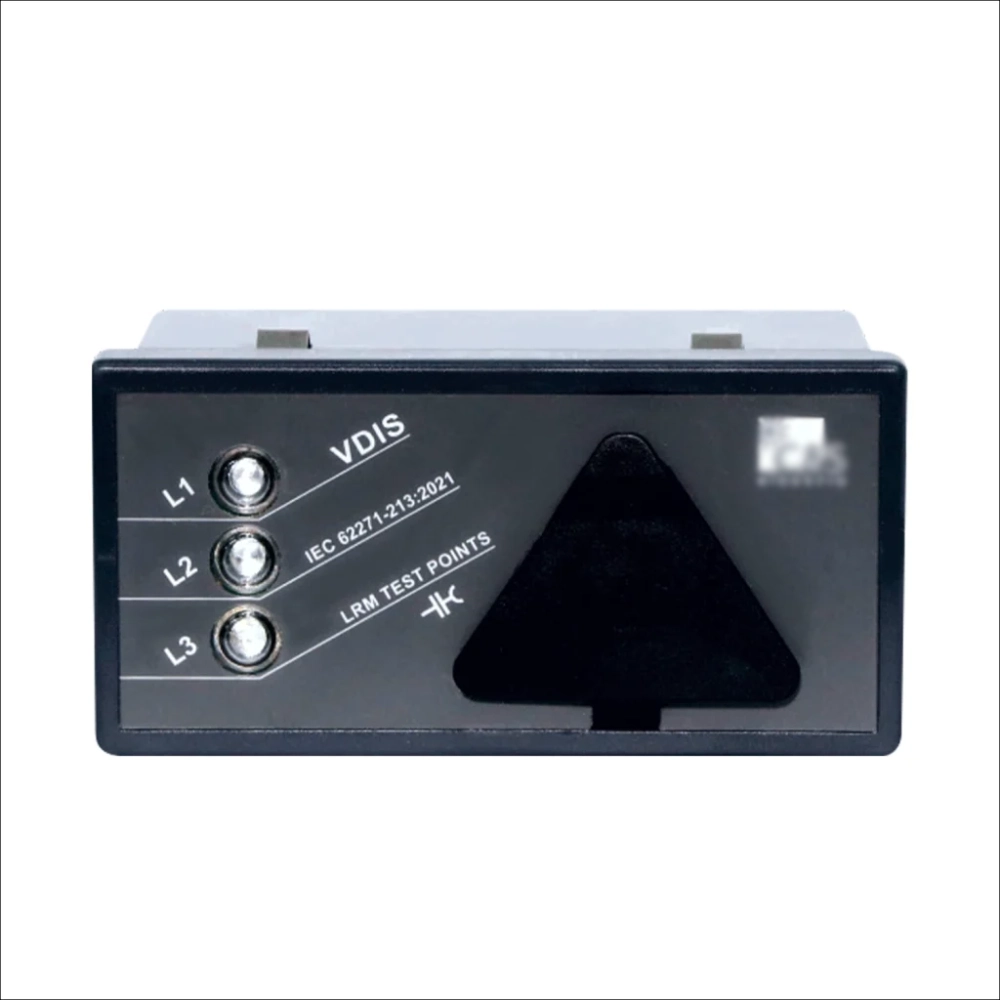
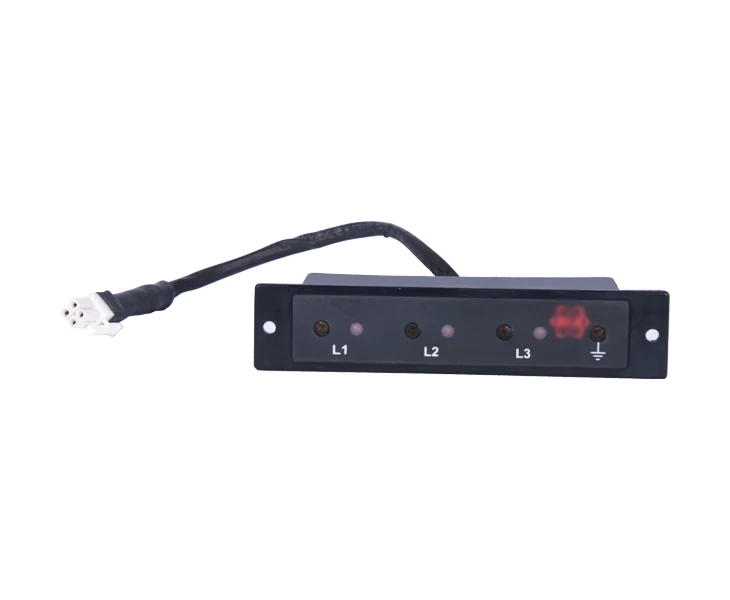
Electrical safety depends on accurate voltage monitoring and dependable indication devices. A professional Voltage Detecting Indicating System Factory provides advanced manufacturing capabilities, strict quality management, and technical expertise for industrial applications. These suppliers focus on producing stable voltage indication solutions for switchgear systems, power distribution equipment, and electrical cabinets. Experienced manufacturers combine engineering knowledge with production control to maintain consistent product performance. They evaluate electrical requirements, environmental conditions, and installation structures before production. This approach helps buyers receive suitable products with reliable operation. Professional factories also maintain efficient production processes, allowing large orders to achieve stable delivery schedules and consistent quality standards.
Engineering Capabilities Support Advanced Voltage Detection Solutions
Modern voltage indication products require precise engineering designs and reliable electrical performance. Professional manufacturers invest in research, testing equipment, and technical teams to improve product structures. Engineers analyze voltage levels, insulation requirements, and signal transmission methods during development. They select suitable materials for different operating environments. High-quality designs usually include optimized sensing components, durable insulation layers, and clear visual indication modules. These features help operators identify voltage presence quickly during maintenance activities. Manufacturers with strong engineering capabilities can also provide customized solutions based on cabinet dimensions, installation positions, and customer specifications. Technical cooperation between buyers and suppliers improves product compatibility and reduces application risks in complex electrical systems.
Core Components Define High Performance Voltage Indicating Systems
Voltage indication systems rely on several important components working together. The sensing element detects electrical signals from the primary circuit and transfers information through internal circuits. The display module provides visual confirmation of voltage presence through indicators or LED systems. Insulation materials protect internal structures from electrical stress and environmental impact. Connection terminals ensure stable installation and signal transmission between components. A professional Voltage Detecting Indicating System Factory carefully selects each component according to safety requirements and application conditions. Manufacturing precision directly affects product reliability, service life, and maintenance efficiency. Component quality inspection also prevents performance problems caused by material defects or inaccurate assembly processes.
| Component | Function | Quality Requirement |
|---|---|---|
| Sensing Element | Detects voltage signals from electrical circuits | High sensitivity and stable detection performance |
| Display Module | Shows voltage presence status visually | Clear indication and long operating life |
| Insulation Structure | Protects internal electrical components | Strong dielectric strength and durability |
| Connection System | Provides secure electrical connection | Reliable contact performance |
Quality Control Processes Improve Product Reliability
Strict quality control separates professional manufacturers from ordinary suppliers. Production teams inspect raw materials before manufacturing begins. They verify electrical components, housing materials, and insulation parts according to technical specifications. During assembly, workers follow controlled procedures to maintain product consistency. Electrical testing evaluates voltage detection accuracy, insulation performance, and operational stability. Final inspections confirm product appearance, labeling, and functional requirements before shipment. A professional Voltage Detecting Indicating System Factory normally establishes complete quality systems covering production, testing, and delivery stages. These processes reduce potential failures and help customers maintain safer electrical operations. Reliable inspection methods also support long-term cooperation between manufacturers and industrial buyers.
Custom Manufacturing Services Meet Different Application Requirements
Industrial electrical systems often require different voltage detection solutions based on equipment structures. Professional manufacturers provide customization services for various switchgear designs and installation environments. They adjust product dimensions, connection methods, indicator layouts, and technical parameters according to project requirements. Custom solutions help customers integrate voltage indication devices into existing electrical systems without major modifications. Engineering teams review application conditions before recommending suitable configurations. For example, compact switchgear may require smaller indicators, while outdoor equipment may need enhanced protection features. A manufacturer with flexible production ability can support different order volumes and special requirements. This capability creates more efficient solutions for distributors, contractors, and equipment manufacturers.
Practical Applications Increase Switchgear Safety Performance
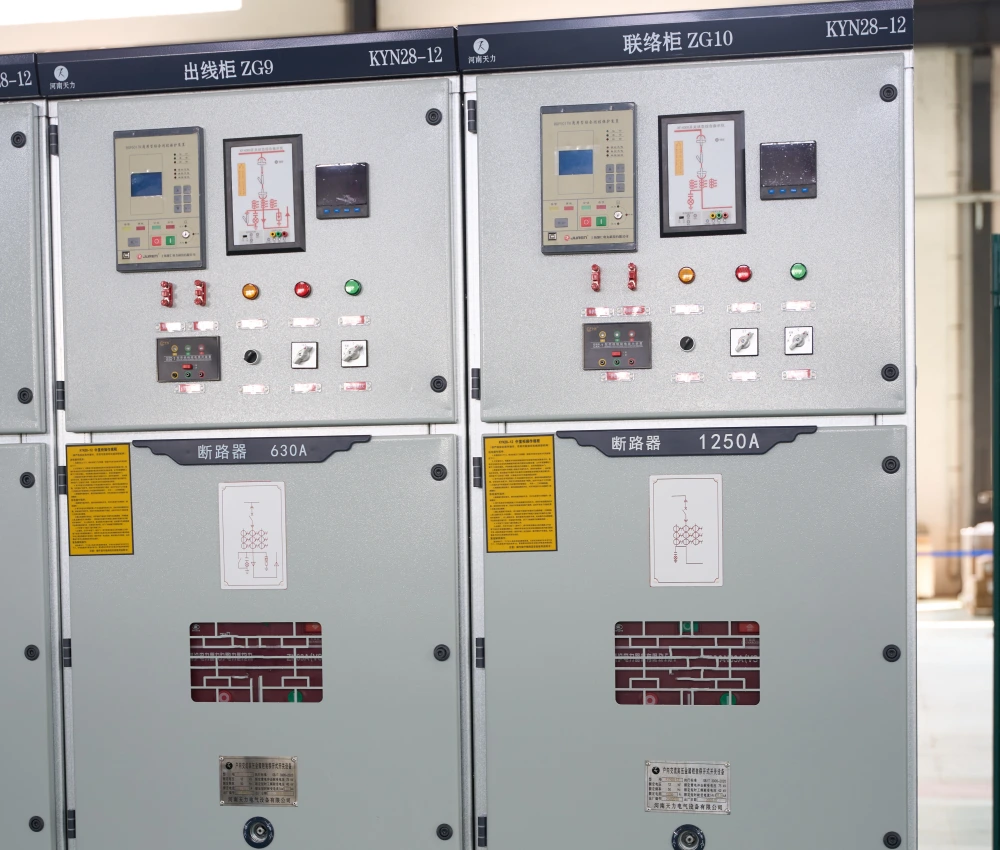
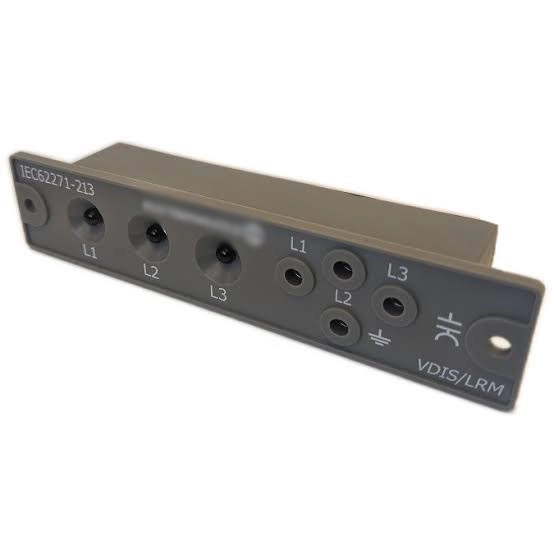
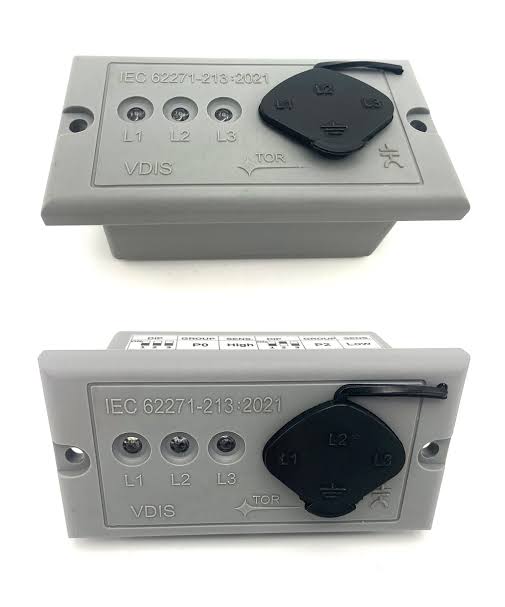
Voltage indication systems play an important role in electrical safety management. Operators need clear information before performing maintenance or inspection tasks. Reliable indicators reduce the possibility of incorrect operations caused by unknown voltage conditions. These devices are widely applied in medium voltage switchgear, distribution cabinets, and power control systems. A professional manufacturer considers application environments during product development. Factors such as temperature changes, humidity exposure, vibration, and installation space influence product design choices. For specialized projects, suppliers may provide customized models with different connection methods and protection levels. For instance, 88x28mm Switchgear Voltage Indicator Vpis OEM/ODM solutions can support specific cabinet designs while maintaining clear voltage status indication.
Material Selection Determines Long Term Product Stability
Material selection directly influences the service life and reliability of electrical indication products. Professional manufacturers carefully choose flame-resistant plastics, insulating materials, and corrosion-resistant components for different working conditions. Housing materials need strong mechanical strength and resistance against environmental factors. Insulation materials must maintain stable performance under voltage stress and temperature changes. High-quality terminals require excellent conductivity and oxidation resistance to avoid connection problems. A professional Voltage Detecting Indicating System Factory evaluates material characteristics before mass production. Engineers consider operating temperature, humidity, vibration, and installation environments when selecting materials. This process improves product durability and supports stable performance in demanding electrical applications.
Professional Production Management Creates Competitive Advantages
Manufacturing management determines whether products can maintain consistent quality during large-scale production. Experienced suppliers establish detailed procedures for purchasing, assembly, testing, and packaging. Production teams monitor every stage to prevent errors caused by inconsistent processes. Advanced manufacturing equipment improves assembly precision and production efficiency. Quality departments conduct inspections based on technical specifications and customer requirements. A reliable supplier also records production data to support continuous improvement. These practices help buyers receive stable products for different electrical projects. Professional production management creates advantages in delivery reliability, product consistency, and technical cooperation. Strong internal systems allow manufacturers to respond quickly to market changes and customized requirements.
| Selection Factor | Professional Manufacturing Approach | Buyer Benefit |
|---|---|---|
| Material Performance | Uses tested insulation and durable housing materials | Improved product lifespan and stability |
| Electrical Testing | Checks voltage detection accuracy and safety performance | Reduced operational risks |
| Production Management | Controls assembly processes and inspection procedures | Consistent product quality |
| Customization Ability | Adjusts structures according to equipment requirements | Better system compatibility |
Comparison Between Professional Manufacturers And General Suppliers
Selecting the right supplier requires evaluation of technical capability, quality systems, and service support. Different suppliers may offer similar products, but manufacturing strength creates significant differences in long-term performance. Professional factories usually provide deeper technical support, stronger production control, and better customization services. General suppliers may focus mainly on product availability without offering detailed engineering assistance. Buyers should evaluate supplier capabilities before placing large orders. The following comparison highlights important differences between professional manufacturers and basic sources.
| Evaluation Category | Professional Manufacturer | General Supplier |
|---|---|---|
| Engineering Support | Provides technical recommendations and customized solutions | Offers limited product information |
| Quality Control | Uses complete inspection and testing procedures | May rely on external quality checks |
| Production Capacity | Supports stable bulk production | May have limited manufacturing control |
| After Sales Service | Provides technical communication and product support | Usually focuses on transactions |
Buyer Evaluation Factors For Selecting Reliable Suppliers
Industrial buyers should evaluate several factors before choosing a voltage indication supplier. A complete assessment helps reduce purchasing risks and improves project results. Important factors include:
- Manufacturing experience with electrical indication products
- Quality testing procedures and production certifications
- Customization capability for different switchgear designs
- Technical communication efficiency during projects
- Stable delivery performance for long-term cooperation
These factors help buyers compare suppliers beyond product pricing. A manufacturer with professional capabilities can provide better value through reliable performance and technical support. Careful supplier evaluation also improves project planning because customers can predict product quality and delivery conditions more accurately.
Technical Support Strengthens Long Term Cooperation
Technical support remains important after product delivery because electrical systems may require application adjustments. Professional suppliers provide installation suggestions, parameter confirmation, and troubleshooting assistance. Engineers can communicate with customers about cabinet structures, voltage requirements, and operating conditions. This cooperation helps prevent incorrect installation and improves system performance. Products such as DXN8D 12 Voltage Presence Indicating System require proper application matching to achieve accurate voltage status indication. Suppliers with technical experience can provide detailed support during product selection and integration. Continuous communication also helps manufacturers improve future designs according to market feedback. Strong service capability builds stable partnerships between suppliers and industrial customers.
Future Development Trends In Voltage Detection Technology
Electrical industries continue moving toward safer, smarter, and more efficient monitoring solutions. Voltage indication products are developing with improved accuracy, compact structures, and stronger environmental resistance. Manufacturers are focusing on better sensor technologies and optimized electronic designs. Smart monitoring functions may provide additional information for modern power systems. Compact designs help equipment manufacturers save installation space while maintaining reliable performance. A professional Voltage Detecting Indicating System Factory follows industry trends and improves production technologies continuously. Future products will likely combine advanced detection methods with stronger communication capabilities. These developments support safer maintenance operations and more efficient power management systems.