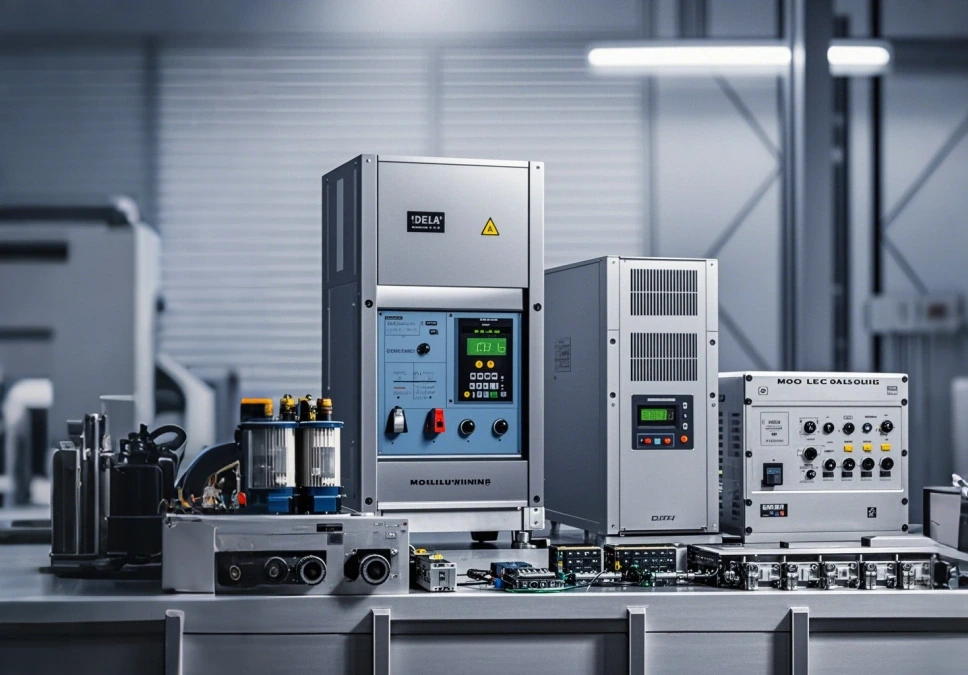
Why Choose Wholesale Electromagnetic Interlock for Switchgear?
Wholesale Electromagnetic Interlock for Switchgear ensures safe control, reliable protection, custom options, and durable performance.
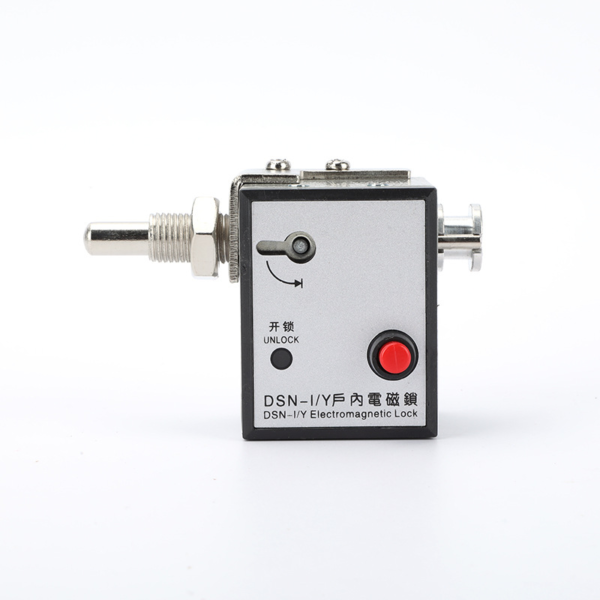
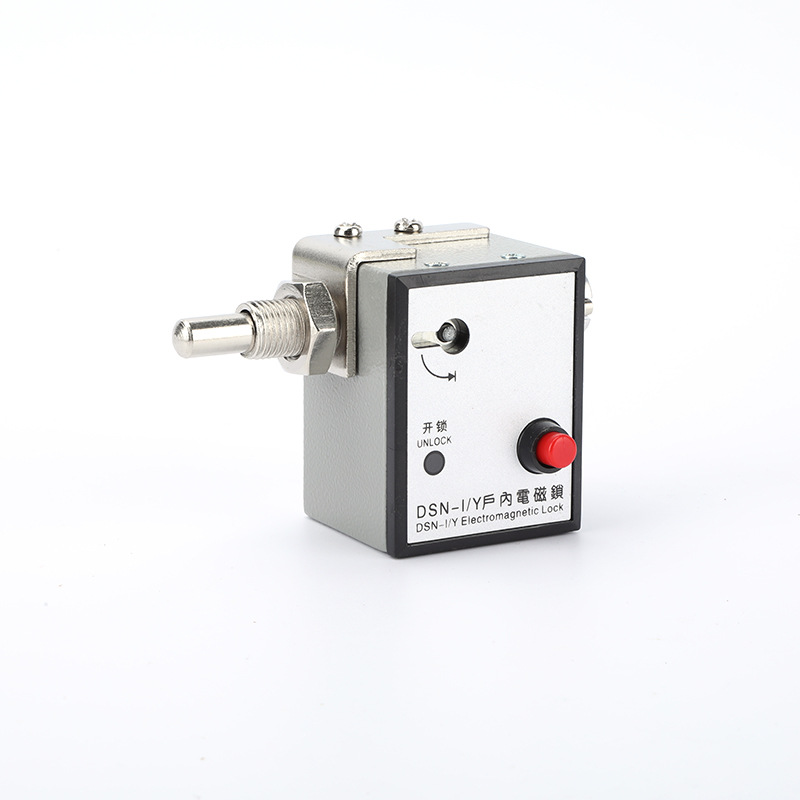
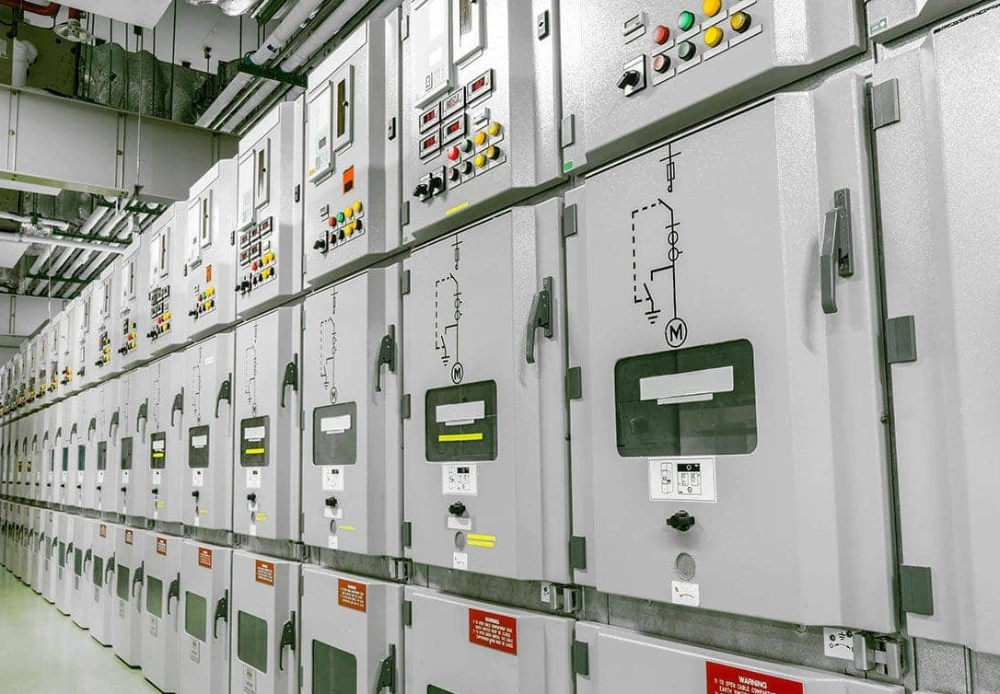
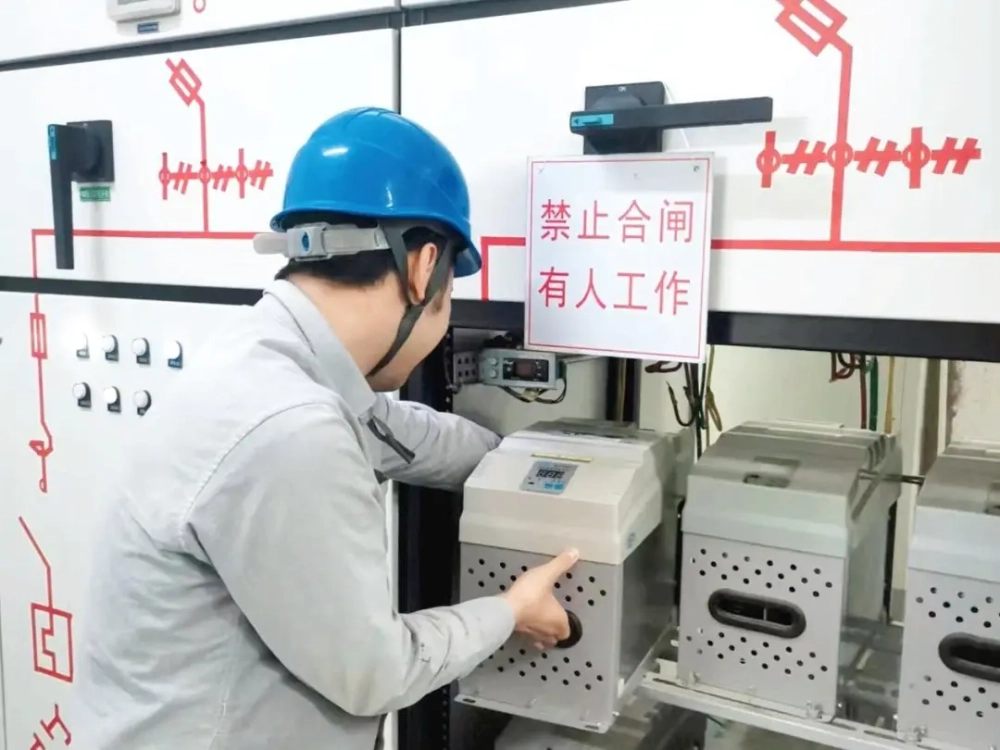
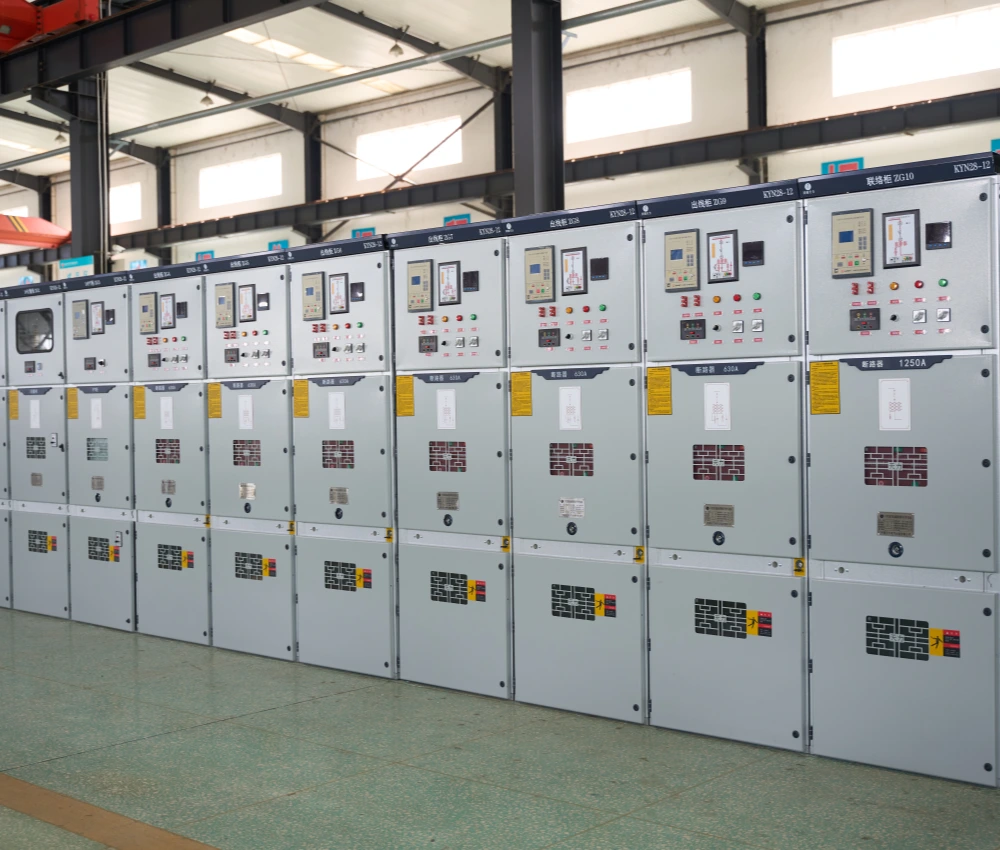
Modern power distribution systems require reliable protection methods to prevent incorrect switchgear operations. A wholesale Electromagnetic Interlock for Switchgear solution helps control access, switching sequences, and equipment coordination. These devices combine electrical signals with mechanical locking structures to reduce operational risks. Switchgear operators can avoid unsafe actions during maintenance and inspection processes. The interlock system creates a controlled working environment by preventing unauthorized switching movements. Industrial facilities, substations, and energy projects often select these components because safety requirements continue increasing. Professional manufacturers focus on stable electromagnetic performance, accurate installation dimensions, and long service life. Proper interlock selection supports equipment reliability and protects operators during daily electrical operations.
Key Structure and Working Principles of Electromagnetic Interlock Systems
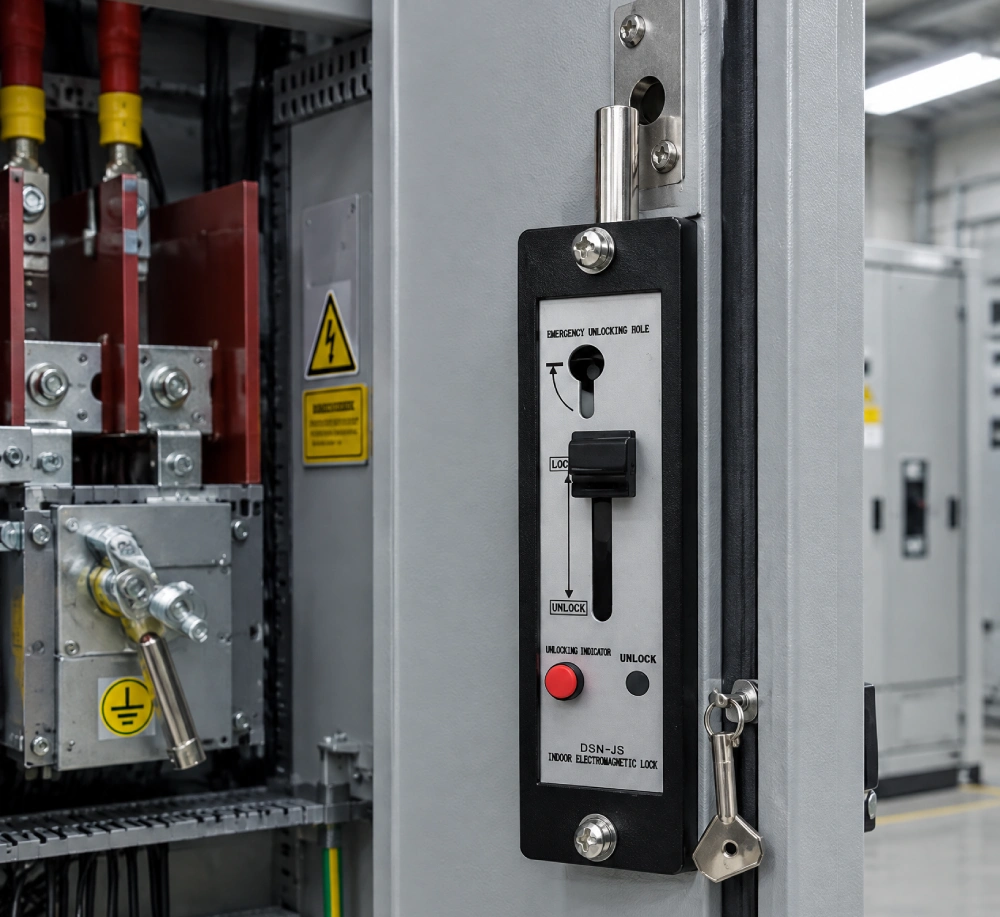
Electromagnetic interlock systems contain several precision components that work together during switchgear operation. The electromagnetic coil generates magnetic force after receiving a control signal from the electrical system. This force activates or releases the locking mechanism according to preset operating conditions. Mechanical parts then control the movement of handles, doors, or switching components. High-quality designs usually include durable housings, reinforced locking pins, and reliable connection terminals. The internal structure requires accurate manufacturing because small dimensional errors can affect installation and operation. Engineers normally evaluate coil voltage, mechanical strength, and response speed before selecting suitable products. Stable component coordination ensures smooth operation and reduces unexpected failures in complex electrical environments.
| Component | Common Material | Main Function |
|---|---|---|
| Protective Housing | Aluminum Alloy / Stainless Steel | Provides mechanical protection and corrosion resistance |
| Electromagnetic Coil | Copper Wire with Insulation Layer | Generates magnetic force for locking control |
| Locking Pin | Hardened Steel | Maintains stable mechanical positioning |
| Terminal Connector | Engineering Plastic and Copper Parts | Ensures reliable electrical connection |
Material Selection and Manufacturing Quality Influence Product Reliability
Material selection directly affects the service performance of electromagnetic locking devices. Manufacturers often use aluminum alloy or stainless steel for protective structures because these materials provide strength and corrosion resistance. Internal mechanical parts require excellent hardness to maintain repeated locking actions. Copper coils with proper insulation layers support stable electromagnetic conversion and reduce heat accumulation. Precision machining also plays an important role during production because locking components require accurate dimensions. Experienced factories apply inspection procedures for surface treatment, assembly accuracy, and electrical performance. A professional production process helps maintain consistent quality for large-volume orders. Buyers who require stable supply should evaluate manufacturing capability, material standards, and testing methods before cooperation.
| Quality Factor | Inspection Method | Expected Result |
|---|---|---|
| Electrical Performance | Voltage and Current Testing | Stable electromagnetic response |
| Mechanical Strength | Repeated Locking Test | Long operational lifespan |
| Insulation Safety | Insulation Resistance Testing | Reduced electrical risks |
| Surface Protection | Coating and Corrosion Testing | Better environmental durability |
Performance Factors Affecting Switchgear Electromagnetic Interlock Reliability
Reliable switchgear protection depends on multiple performance factors beyond basic locking functions. Voltage compatibility remains a key requirement because incorrect electrical parameters may reduce electromagnetic efficiency. Response speed also influences operation accuracy during switching procedures. Environmental conditions such as humidity, dust, and temperature changes can affect component durability. Manufacturers usually consider protection levels, sealing structures, and insulation performance for different applications. A wholesale Electromagnetic Interlock for Switchgear product should match the technical requirements of the target switchgear system. Regular testing helps verify mechanical movement, electrical response, and operational stability. Professional buyers often request detailed specifications to ensure compatibility with existing equipment. Proper evaluation improves system safety and reduces maintenance costs.
Application Fields Requiring Reliable Electromagnetic Locking Solutions
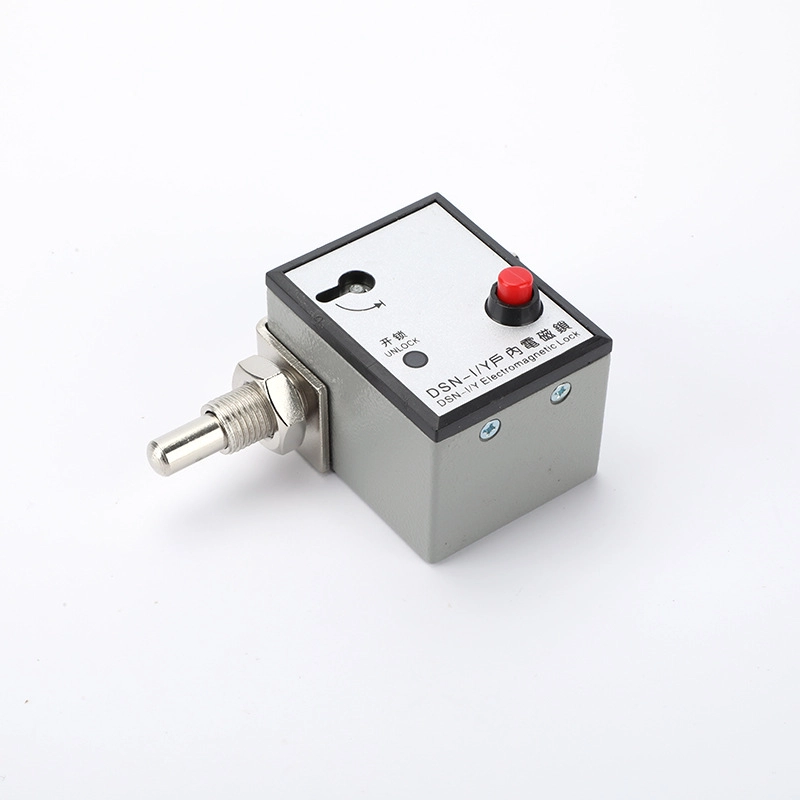
Electromagnetic locking devices support many electrical applications where operational safety is essential. Medium voltage switchgear, distribution cabinets, industrial control systems, and power substations frequently use these components. Different environments create different requirements for protection levels and installation methods. Indoor switchgear may focus on compact structures and easy maintenance access. Outdoor systems require stronger protection against moisture, dust, and temperature variations. The DSN-WY-JK Passive Electromagnetic Lock for Switchgear provides a practical option for applications requiring passive locking control and stable mechanical protection. Such solutions help improve operational management by preventing incorrect access or switching actions. Reliable locking systems contribute to safer electrical infrastructure and support continuous power distribution.
Advantages of Choosing Wholesale Electromagnetic Interlock for Switchgear Solutions
Large-scale electrical projects require components that provide consistent quality and stable supply capacity. A wholesale Electromagnetic Interlock for Switchgear solution offers advantages for manufacturers, distributors, and engineering contractors managing multiple installations. Bulk purchasing helps improve inventory planning and reduces procurement complexity. Professional suppliers usually provide standardized production, technical documentation, and customization support. These services help customers match different switchgear structures without changing the complete system design. Reliable suppliers also maintain strict production control to reduce quality variation between batches. Cost efficiency, delivery stability, and technical support become important factors during supplier evaluation. Choosing suitable electromagnetic locking products helps maintain project schedules and improves long-term equipment reliability.
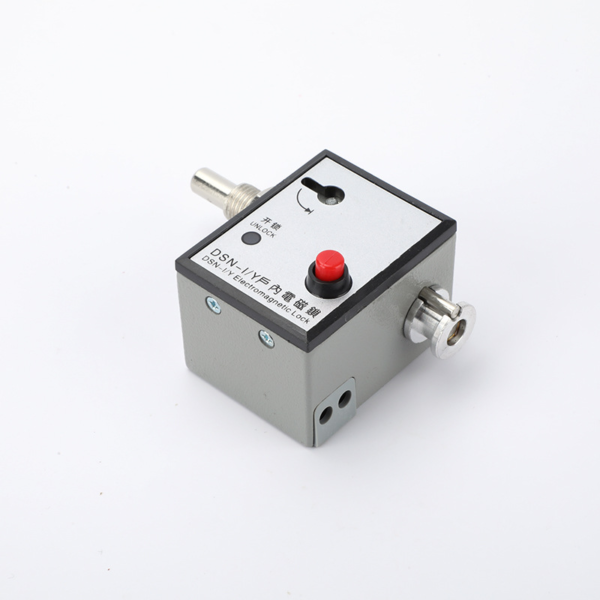
Selection Criteria for Electromagnetic Interlock Suppliers and Products
Selecting an appropriate supplier requires careful evaluation of technical ability, production experience, and product adaptability. Buyers should review manufacturing processes, testing systems, and customization capabilities before placing large orders. A qualified supplier can provide detailed specifications related to voltage ratings, installation dimensions, and connection methods. The following factors help evaluate suitable electromagnetic interlock solutions:
- Electrical compatibility with existing switchgear systems
- Mechanical dimensions and installation requirements
- Material quality and surface protection performance
- Production capacity for continuous supply
- Quality inspection procedures and technical support
A supplier with strong engineering experience can provide better solutions for different switchgear applications. Professional communication during the selection stage also reduces installation problems. Accurate product matching improves operational safety and supports efficient project implementation.
Customization Options for Different Switchgear Designs
Different switchgear structures require flexible electromagnetic locking solutions because installation spaces and control methods vary. Manufacturers often customize mounting brackets, housing dimensions, wiring methods, and voltage specifications. The DSN-JK Active Electromagnetic Lock for Switchgear OEM/ODM supports customized requirements for customers seeking specific designs. OEM and ODM services allow manufacturers to adjust product structures according to technical drawings or application conditions. Customized electromagnetic locks can improve compatibility with existing equipment while maintaining safety functions. Engineering teams usually analyze mechanical interfaces, electrical connections, and operating environments before production. This approach helps create reliable products for different industries. Flexible customization also supports new switchgear developments and specialized electrical projects.
Quality Inspection Methods Ensure Stable Product Performance
Quality inspection plays an essential role in maintaining electromagnetic locking reliability. Professional manufacturers perform multiple tests throughout the production process. Electrical testing verifies coil performance, operating voltage, and current stability. Mechanical testing checks repeated locking cycles and structural durability. Insulation testing evaluates electrical safety under different conditions. Final assembly inspection confirms that each component operates correctly before shipment. These procedures reduce potential failures after installation and improve customer confidence. Many industrial buyers prefer suppliers that maintain documented inspection systems because traceability supports long-term cooperation. A complete quality management process reflects manufacturing expertise and strengthens product reliability in demanding electrical environments.
Supply Chain Benefits from Professional Electromagnetic Lock Manufacturers
A stable supply chain helps electrical projects avoid delays caused by inconsistent production or limited availability. Professional manufacturers usually maintain organized production planning, material management, and quality control systems. These capabilities support regular delivery schedules for large orders. Technical teams can also provide installation suggestions and product recommendations based on project requirements. Reliable suppliers reduce communication costs by offering clear specifications and responsive service. Efficient supply management becomes especially valuable for switchgear manufacturers handling multiple customer projects. Long-term cooperation with experienced producers helps maintain product consistency and supports future expansion. Strong manufacturing capability creates additional value beyond the basic electromagnetic locking function.
Future Development Trends of Switchgear Interlock Technology
Switchgear technology continues developing toward higher intelligence, automation, and integrated safety management. Modern electrical systems increasingly require components that communicate with monitoring platforms and control systems. Electromagnetic interlock devices are also evolving with improved sensors, compact structures, and enhanced response accuracy. Smart monitoring functions can provide real-time equipment status and improve maintenance efficiency. Manufacturers are investing in advanced materials and optimized designs to increase service life. Energy infrastructure upgrades create continuous demand for safer switching solutions. Future electromagnetic locking products will likely focus on stronger integration between electrical control systems and mechanical protection structures. These improvements will support safer operations across industrial and power distribution applications.
Why Wholesale Electromagnetic Interlock for Switchgear Supports Long-Term Project Value
Reliable component selection influences the overall performance of electrical equipment throughout its service period. A wholesale Electromagnetic Interlock for Switchgear product provides advantages through stable quality, flexible supply, and professional technical support. Buyers should consider product specifications, supplier experience, and application requirements before making purchasing decisions. High-quality electromagnetic locking systems reduce operational risks and improve equipment management efficiency. Professional manufacturers combine material expertise, precision production, and strict testing methods to deliver dependable solutions. These factors create long-term value for switchgear manufacturers and electrical contractors. Selecting suitable interlock products helps build safer power systems and supports reliable operation in various industrial environments.