Why Do Buyers Choose OEM/ODM Electromagnetic Lock Suppliers?
OEM/ODM electromagnetic lock suppliers provide customized security solutions with reliable quality, testing standards, and flexible support.
Why Do Buyers Choose OEM/ODM Electromagnetic Lock Suppliers?
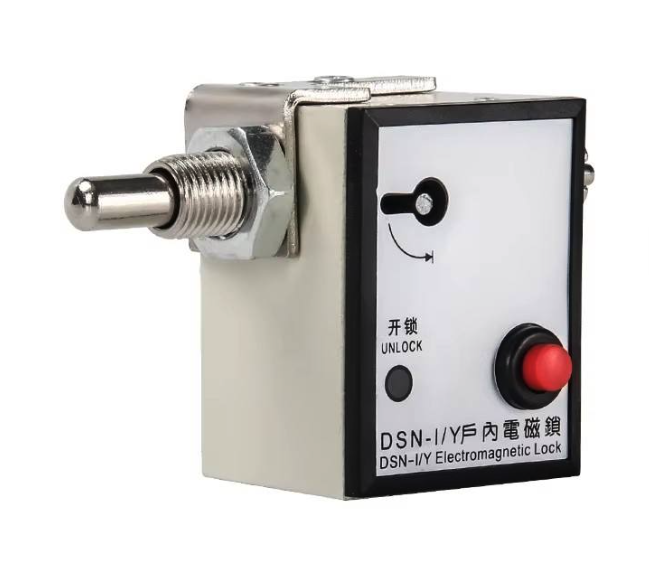
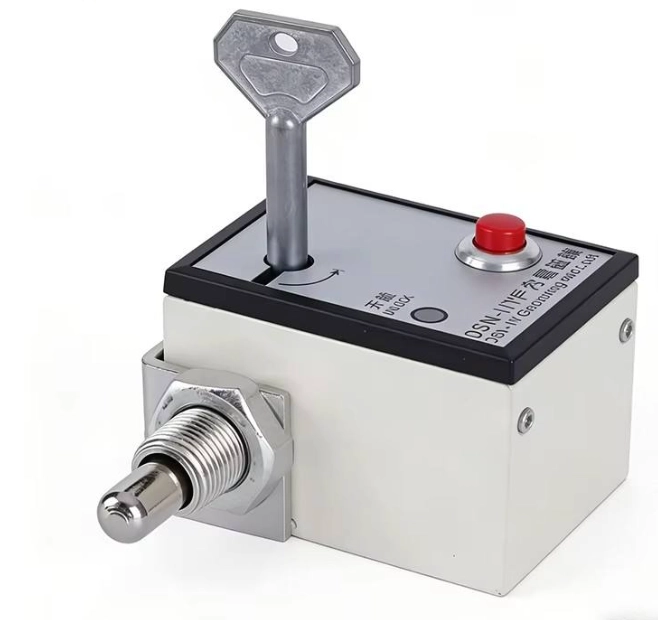
Selecting reliable security hardware requires more than checking product appearance. OEM/ODM electromagnetic lock suppliers help buyers obtain customized electromagnetic locking solutions with stable quality and production flexibility. These suppliers combine engineering knowledge, manufacturing capability, and quality control systems. They can adjust magnetic force, housing materials, voltage options, and installation methods based on application needs. Industrial customers often require locks for cabinets, doors, access systems, and electrical equipment. Professional suppliers support product development from design validation to mass production. Their experience reduces technical risks and improves long-term equipment reliability. Custom solutions also allow brands to create differentiated products for specific markets.
How OEM/ODM Electromagnetic Lock Suppliers Support Customized Security Projects
OEM/ODM electromagnetic lock suppliers provide structured services for buyers who need specialized electromagnetic locking products. Their teams usually include engineers, production specialists, and quality inspectors. These professionals analyze application conditions before recommending suitable designs. Customization may involve magnetic coil structure, metal thickness, surface treatment, and connector configuration. Suppliers also evaluate environmental factors such as humidity, vibration, and temperature changes. A strong development process helps avoid performance issues after installation. Buyers benefit from direct communication during prototype creation and testing stages. This approach improves product consistency while supporting different industries with unique requirements.
Key Technical Factors That Influence Electromagnetic Lock Performance
Electromagnetic locks depend on several internal components that determine holding force and operational stability. The electromagnetic coil creates magnetic attraction when electrical current passes through the winding. High-quality copper wire improves energy efficiency and reduces heat generation. The armature plate requires precise machining because surface contact affects holding strength. Steel materials with proper treatment improve durability and corrosion resistance. Housing design also influences protection against external impact. Many industrial models require testing based on electrical safety and mechanical performance standards. Buyers should review material selection, voltage stability, and cycle testing results before choosing a manufacturing partner.
| Component | Function | Quality Consideration |
|---|---|---|
| Electromagnetic Coil | Creates magnetic attraction through electrical current | Copper wire quality and heat control |
| Armature Plate | Provides contact surface for locking force | Precision machining and surface treatment |
| Metal Housing | Protects internal components | Corrosion resistance and structural strength |
Material Selection Standards Affect Long-Term Product Reliability
Material choices directly influence electromagnetic lock service life and performance stability. Aluminum alloy housings offer lightweight advantages and corrosion resistance. Stainless steel structures provide stronger protection in demanding environments. Internal insulation materials must tolerate temperature changes and electrical stress. Suppliers with professional manufacturing systems select materials according to application requirements instead of reducing costs through inferior components. OEM/ODM electromagnetic lock suppliers often provide multiple material options for different industries. Their engineers can suggest suitable combinations for indoor access control, industrial cabinets, and security equipment. Proper material selection helps products maintain stable operation during repeated use and changing environmental conditions.
Important Quality Testing Processes Before Mass Production
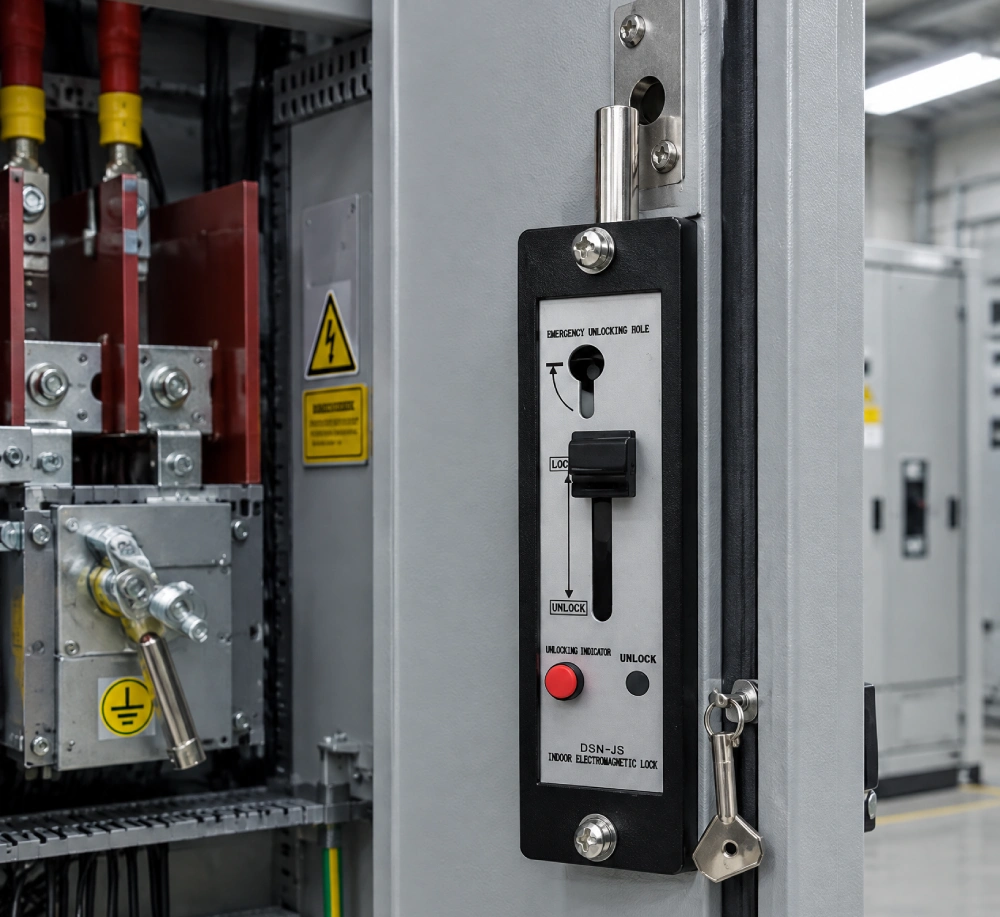
Reliable electromagnetic lock manufacturing requires strict inspection procedures before delivery. Quality teams usually perform electrical tests, magnetic force tests, aging tests, and appearance inspections. These procedures identify potential failures during early production stages. Buyers should evaluate supplier testing capabilities because consistent inspection improves product reliability. Many manufacturers also maintain production records for traceability and quality improvement. Testing data helps confirm whether products meet design requirements. DSN DM Indoor Electromagnetic Door Lock OEM/ODM demonstrates how customized solutions can serve indoor security applications with specific design requirements. Detailed verification processes create confidence for buyers who need stable supply and predictable performance.
| Testing Process | Purpose | Expected Result |
|---|---|---|
| Magnetic Force Test | Checks holding capability | Stable locking performance |
| Voltage Test | Verifies electrical operation | Safe power compatibility |
| Life Cycle Test | Measures repeated operation durability | Long service performance |
Production Capability Creates Better Supply Stability
Manufacturing capacity is an important factor when buyers evaluate potential partners. A capable factory manages material purchasing, production scheduling, assembly accuracy, and final inspection. Suppliers with automated equipment can maintain consistent dimensions during large orders. Skilled workers also improve assembly quality for customized models.
Buyers should consider these factors:
- Production capacity for different order volumes.
- Engineering support during product customization.
- Quality management procedures.
- Delivery coordination and communication efficiency.
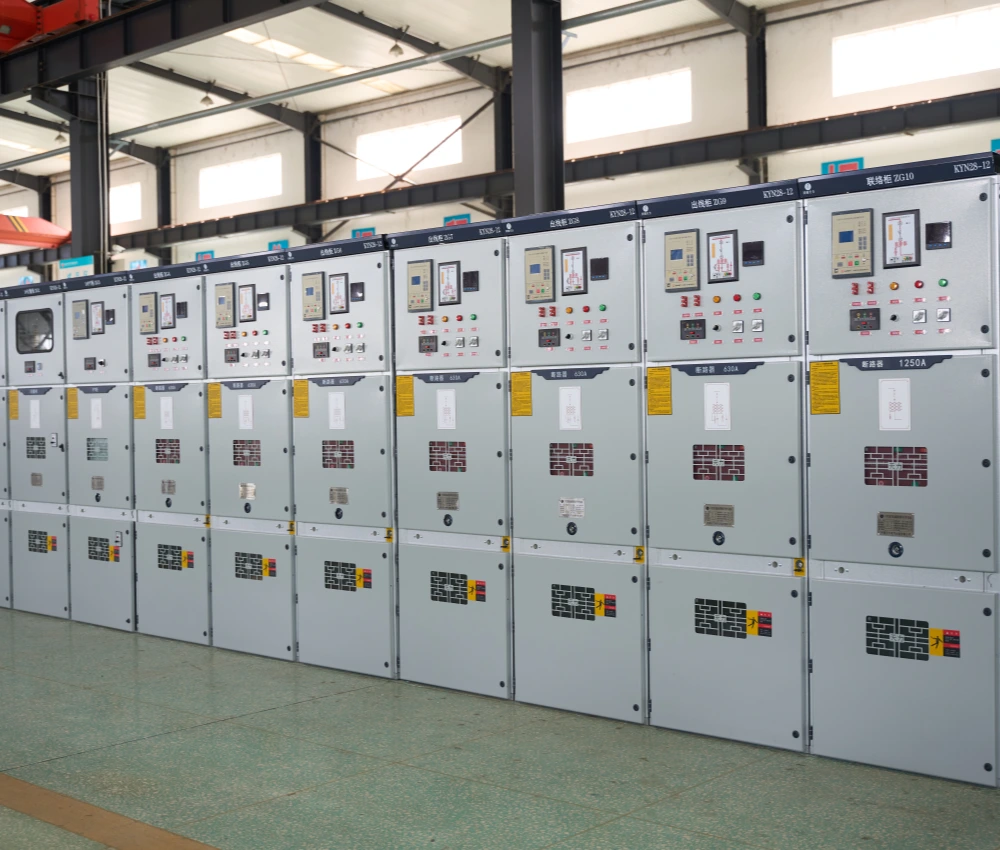
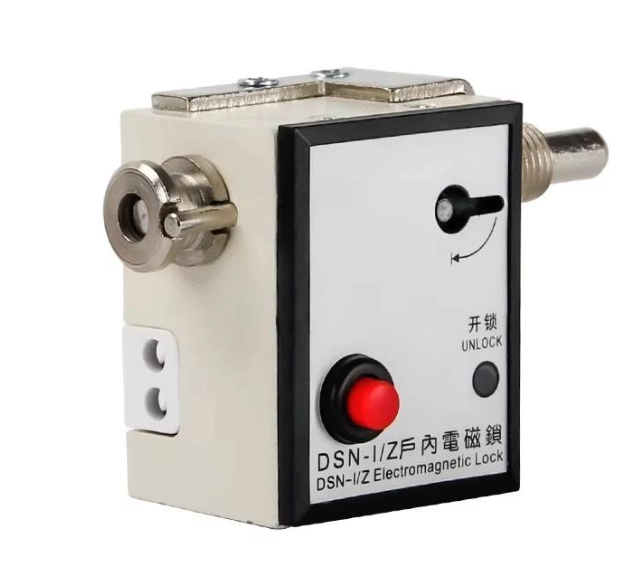
These elements help create smoother cooperation between buyers and manufacturers. DSN-JK Active Electromagnetic Lock for Switchgear OEM/ODM represents a specialized application where customized production can support electrical equipment protection. Stable production systems allow brands to maintain market supply while reducing unexpected delays.
Why Custom Design Services Create Market Advantages
Customization gives buyers opportunities to develop products that match customer expectations. Different markets may require specific sizes, mounting methods, cable designs, or appearance styles. Professional suppliers can modify product structures while maintaining performance standards. OEM services focus on manufacturing according to buyer specifications. ODM services provide additional design assistance from experienced engineering teams. OEM/ODM electromagnetic lock suppliers combine these capabilities to support brands seeking unique solutions. Customized designs also improve product positioning because buyers can offer specialized security products rather than standard alternatives. Strong cooperation between design teams and factories creates better commercial value.
How Supplier Experience Improves Project Efficiency
Experience plays an important role during product development and manufacturing cooperation. Experienced suppliers recognize common challenges involving magnetic force loss, installation limitations, and material compatibility. They can provide practical suggestions before production begins. Technical communication becomes faster because engineers have strong knowledge of application requirements. Professional suppliers also maintain organized workflows from sample approval to final shipment. OEM/ODM electromagnetic lock suppliers with industry experience usually provide stronger problem-solving abilities. Their technical expertise reduces unnecessary modifications and helps buyers achieve reliable results. Long-term cooperation often improves efficiency because both sides develop clearer production procedures.
Choosing the Right Partner for Future Security Applications
Selecting a suitable manufacturing partner requires evaluation of technology, quality systems, and communication ability. Buyers should compare supplier capabilities instead of focusing only on pricing. Important evaluation points include:
- Engineering customization ability.
- Manufacturing equipment condition.
- Product testing methods.
- Material quality control.
- After-sales communication support.
Future Development Trends of Electromagnetic Lock Manufacturing
Electromagnetic lock technology continues to develop with increasing demand for smart security systems. Manufacturers are improving energy efficiency, compact structures, and integration features. Modern products may combine traditional magnetic locking functions with intelligent monitoring systems. Environmental protection requirements also encourage suppliers to optimize materials and production methods. OEM/ODM electromagnetic lock suppliers continue adapting to changing market demands through engineering improvements. Future designs may focus on lower power consumption, stronger durability, and easier installation. Buyers who cooperate with innovative manufacturers can respond faster to new industry opportunities and changing customer expectations.
FAQ
Why should buyers select customized electromagnetic lock manufacturers?
Customized electromagnetic lock manufacturers provide flexible solutions for different applications. They can adjust dimensions, materials, electrical specifications, and installation methods according to project needs. This flexibility helps buyers create products suitable for specific markets. Professional manufacturers also provide technical support during design and production stages. Their testing systems help confirm product reliability before shipment. Customized cooperation reduces compatibility problems and improves overall project efficiency.
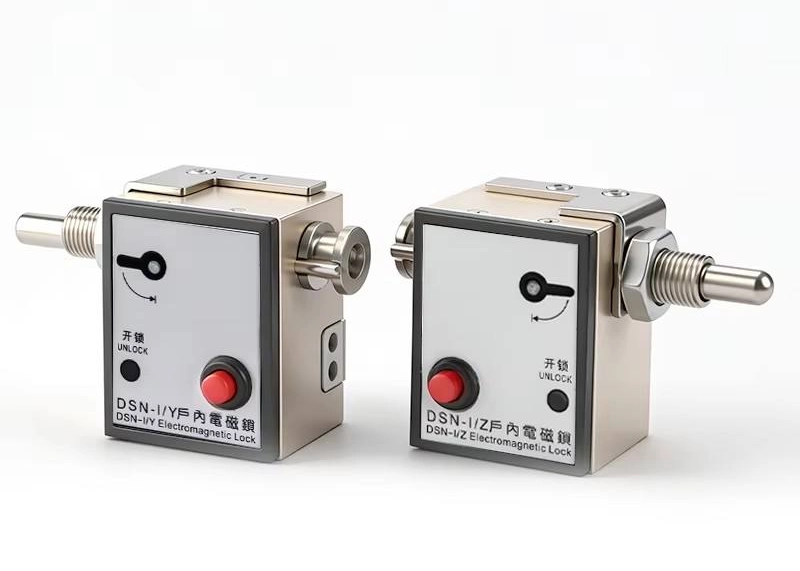
Buyers gain better control over product quality, appearance, and performance while developing stronger market advantages.
What factors determine electromagnetic lock quality?
Electromagnetic lock quality depends on materials, internal components, manufacturing precision, and testing procedures. The coil design affects magnetic strength and energy efficiency. The armature plate influences contact stability and holding performance. Housing materials determine resistance against corrosion and physical damage. Production accuracy ensures consistent operation across different units. Reliable manufacturers conduct electrical inspections, magnetic force testing, and durability evaluations. Buyers should review these factors carefully because product quality directly affects security performance and long-term maintenance costs.
What Makes Switchgear Electromagnetic Lock Wholesale Reliable?
Switchgear electromagnetic lock wholesale solutions offer reliable access control for electrical cabinets and power distribution equipment. Their reliability depends on consistent magnetic force, durable materials, precise manufacturing, stable electrical performance, and strict quality testing. Wholesale suppliers should also maintain consistent production standards across large orders. Proper compatibility with switchgear structures is essential because incorrect dimensions or mounting methods can affect locking performance. Reliable suppliers typically verify voltage requirements, mechanical strength, operating cycles, and environmental resistance before shipment. Buyers should also evaluate production capacity and quality management procedures. These factors help ensure stable performance across different switchgear applications while reducing replacement risks and maintenance costs.