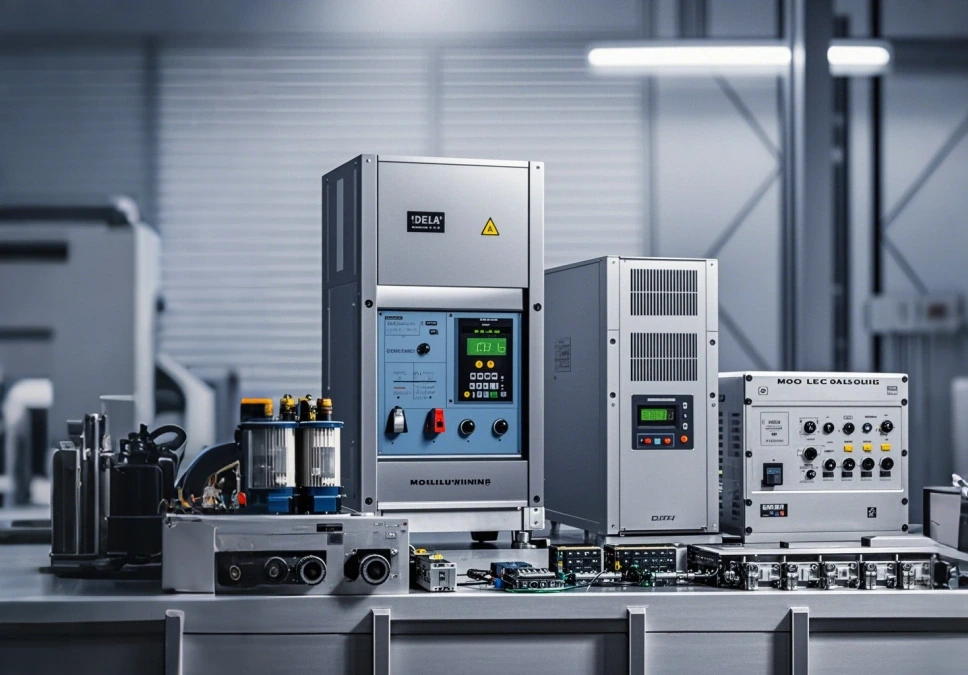
Why Use A VPIS Voltage Indicator In Electrical Systems?
VPIS voltage indicator improves electrical safety with reliable detection, smart design, and stable performance for medium voltage systems.
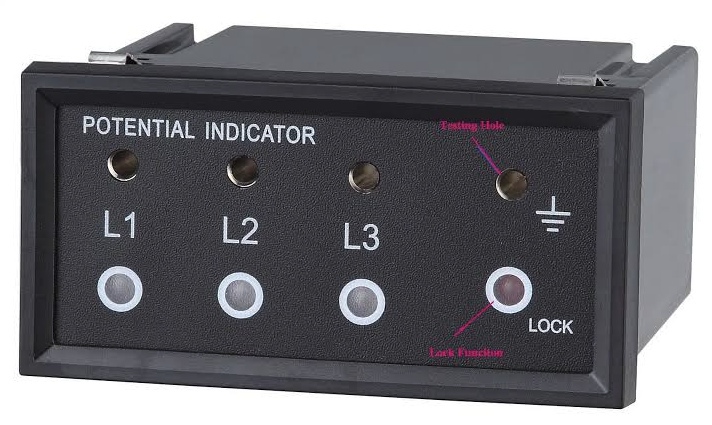
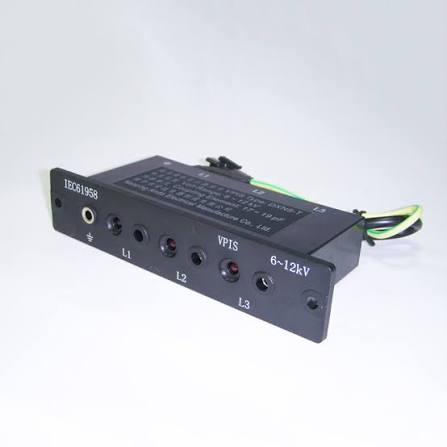
Modern medium voltage systems require reliable status confirmation before maintenance, inspection, and switching operations. A vpis voltage indicator provides operators with a direct method to verify voltage presence inside electrical equipment. This function reduces uncertainty during power system activities and supports safer working procedures. Electrical cabinets, switchgear assemblies, and distribution units often operate under high energy conditions. Therefore, accurate voltage indication becomes essential for preventing accidental contact risks. The system uses visual signals to show whether voltage exists on connected conductors. Engineers and maintenance teams can make faster decisions with clear electrical status information. Reliable indication technology also improves operational efficiency across industrial power environments.
Working Principles Behind VPIS Voltage Indicator Technology
The operating principle of a VPIS system relies on capacitive voltage detection technology. Internal sensors connect with energized conductors through controlled capacitive coupling components. These components capture electrical signals without requiring direct conductor contact. The detected signal passes through electronic processing circuits before reaching the visual display unit. The indicator then provides a clear presence or absence signal for operators. Unlike traditional measurement methods, the system remains integrated inside switchgear structures. This design reduces external testing requirements during routine inspections. The technology focuses on safe voltage confirmation rather than precise voltage measurement. Therefore, it serves as an important safety component in medium voltage distribution equipment.
Key Components That Build A Reliable Voltage Indication System
A complete voltage indication system contains several coordinated components that maintain stable performance. The sensing element detects electrical potential changes near the primary circuit. The coupling capacitor transfers a controlled signal from high voltage conductors. The electronic module processes weak signals and manages display functions. The visual indicator provides operators with immediate status information through illuminated signals.
Important components include:
- Capacitive sensors designed for medium voltage applications
- Signal processing circuits for stable detection performance
- LED indication modules for clear visual confirmation
- Test connection points for verification procedures
- Insulation structures that maintain electrical separation
Each component has a specific function within the system. Proper integration ensures consistent operation under industrial conditions. Manufacturers must consider insulation quality, environmental resistance, and electrical compatibility during production. These factors directly influence long-term reliability in demanding applications.
Benefits Of Using VPIS Voltage Indicator In Medium Voltage Equipment
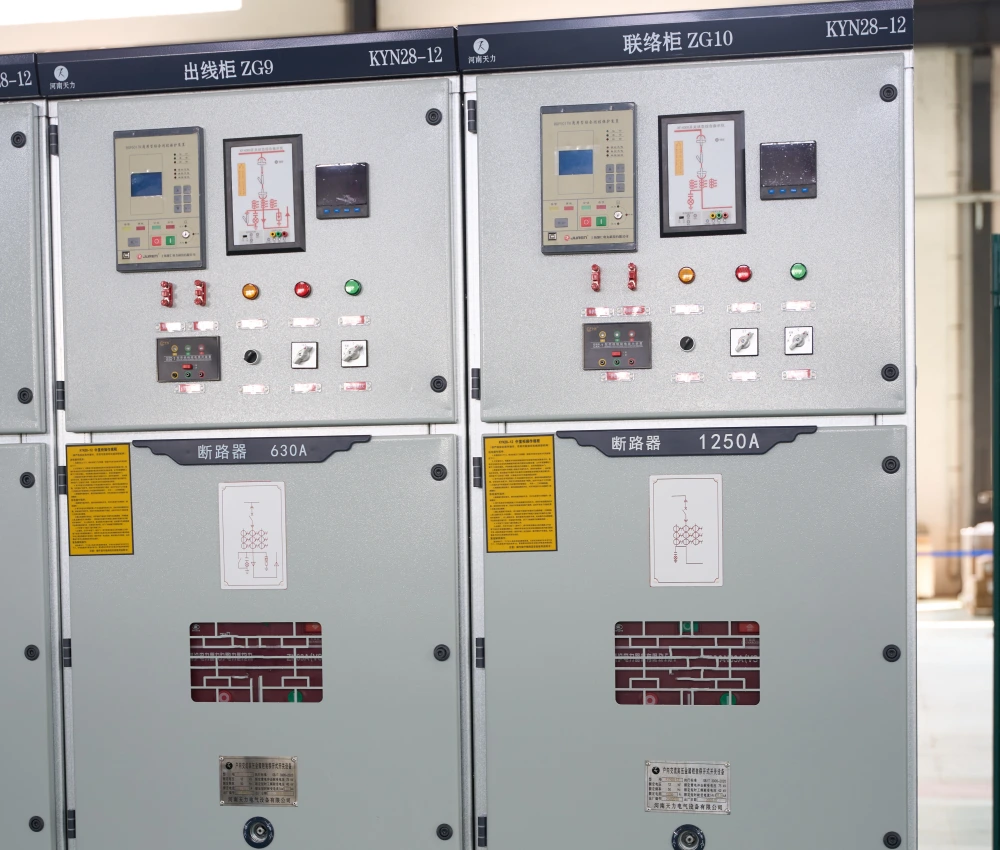
Medium voltage equipment requires dependable safety features because unexpected voltage conditions can create serious operational risks. A vpis voltage indicator helps maintenance personnel confirm circuit conditions before performing service activities. The system supports safer workflows by displaying voltage presence directly on installed equipment. It also reduces dependence on temporary testing devices during regular inspections. Operators can quickly check switchgear status without opening complex assemblies. This approach improves maintenance efficiency and reduces unnecessary downtime. In addition, integrated indication systems support better equipment management. Industrial facilities can achieve improved safety performance when voltage confirmation becomes part of standard operating procedures.
| Feature | Operational Value | Typical Application |
|---|---|---|
| Voltage Presence Display | Provides fast electrical status confirmation | Medium voltage switchgear |
| Capacitive Detection | Enables non-contact voltage sensing | Distribution equipment |
| Integrated Installation | Reduces external testing steps | Industrial power systems |
| Visual Indication | Improves operator awareness | Maintenance operations |
How Integrated Voltage Detection Improves Equipment Reliability
The table above shows how integrated detection functions contribute to safer electrical operations. Equipment reliability depends on accurate monitoring, stable components, and consistent maintenance procedures. A properly designed indication system works together with switchgear insulation and protection structures. It allows technicians to identify energized conditions before accessing internal areas. Products such as the 88x28mm Switchgear Voltage Indicator Vpis provide compact installation options for specific switchgear configurations. These solutions support manufacturers that require space-efficient electrical monitoring components. Proper selection also considers rated voltage, connection design, and environmental conditions. When these elements match application requirements, electrical systems achieve stronger operational stability and improved maintenance confidence.

VPIS Applications Across Industrial Electrical Systems
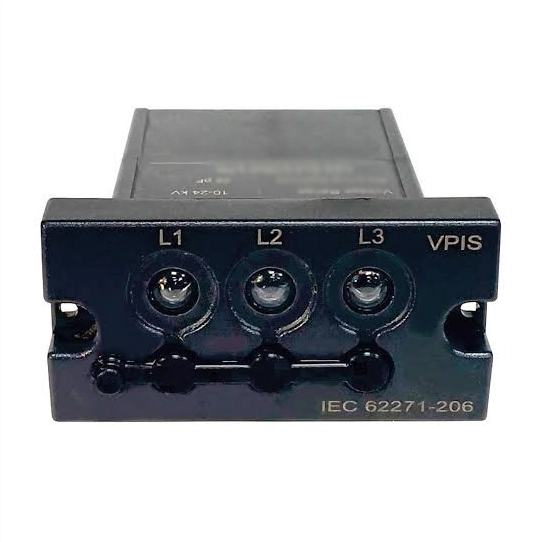
Industrial power networks use voltage presence systems in many electrical environments. Medium voltage switchgear remains one of the primary application areas because operators frequently perform inspection and switching tasks. Ring main units, distribution cabinets, and substations also benefit from integrated indication technology. Facilities such as factories, energy plants, and infrastructure projects require quick confirmation of electrical status. The 106x26mm Voltage Detecting Indicating System represents another compact solution designed for specific equipment layouts. Different applications require different dimensions, voltage ratings, and connection methods. Engineers usually evaluate installation space, system voltage, and operational requirements before selecting suitable components. Proper application matching ensures stable performance throughout the equipment lifecycle.
Technical Standards And Performance Requirements For VPIS Systems
Electrical equipment suppliers must evaluate technical standards when selecting voltage indication solutions. Medium voltage systems require components that meet strict insulation, safety, and performance expectations. International standards provide manufacturers with clear requirements for design verification and product reliability. The IEC 62271 series defines important requirements for high-voltage switchgear and controlgear assemblies. These standards cover insulation performance, mechanical strength, and operational safety. Engineers also check rated voltage levels, frequency compatibility, and environmental protection ratings. A reliable indication system should maintain stable performance under temperature changes, vibration conditions, and long-term operation. Proper certification and testing procedures help buyers reduce equipment risks and improve project acceptance rates.
| Evaluation Item | Technical Consideration | Buyer Importance |
|---|---|---|
| Rated Voltage | Must match the electrical system voltage level | Ensures safe operation compatibility |
| Insulation Performance | Supports protection against electrical stress | Improves equipment safety |
| Environmental Resistance | Handles temperature and humidity variations | Extends service reliability |
| Certification Compliance | Follows recognized industry requirements | Supports project approval |
Comparing VPIS Voltage Indicator With Traditional Detection Methods
Traditional voltage checking methods often require external measuring instruments and additional operating steps. Integrated indication solutions provide a different approach by displaying electrical status directly on equipment panels. A vpis voltage indicator creates a simpler workflow because operators can quickly confirm whether voltage exists. However, external testing devices still remain important for detailed measurements and troubleshooting tasks. Each method has different advantages depending on operational requirements. Buyers should evaluate safety levels, inspection frequency, and maintenance procedures before selecting suitable solutions. The comparison below highlights key differences between common voltage confirmation approaches used in industrial environments.
| Method | Main Function | Operational Characteristics |
|---|---|---|
| Integrated VPIS System | Shows voltage presence status | Fast visual confirmation with equipment integration |
| Portable Voltage Tester | Measures electrical conditions | Requires manual operation and handling |
| Permanent Monitoring Device | Provides continuous status tracking | Suitable for advanced monitoring systems |
Selection Factors When Purchasing A VPIS Solution For Projects
Selecting the correct voltage indication solution requires careful evaluation of technical and operational factors. Electrical equipment buyers should review product specifications before integrating components into switchgear systems. A suitable product must match voltage requirements, installation conditions, and project standards.
Key selection factors include:
- Rated voltage compatibility with existing electrical networks
- Physical dimensions suitable for switchgear installation spaces
- Signal visibility under different lighting environments
- Material quality for insulation and protection performance
- Manufacturer testing procedures and quality management systems
These factors directly influence equipment reliability and maintenance efficiency. Buyers should also evaluate supplier experience with industrial applications. A professional supplier can provide technical support, customization options, and production consistency. Careful selection reduces replacement costs and improves long-term system performance.
Maintenance Practices For Long-Term VPIS Reliability
Regular maintenance supports stable operation and extends the service life of electrical indication components. Operators should inspect visual indicators during scheduled equipment checks. Damaged displays, loose connections, or abnormal signals require immediate attention. Cleaning procedures should prevent dust accumulation around indicator surfaces and connection areas. Maintenance teams should also verify system functions according to manufacturer recommendations. Environmental factors such as moisture, temperature variation, and contamination can influence component performance over time. Proper documentation helps track inspection results and identify potential issues early. A structured maintenance program improves reliability while supporting safer electrical operations across industrial facilities.