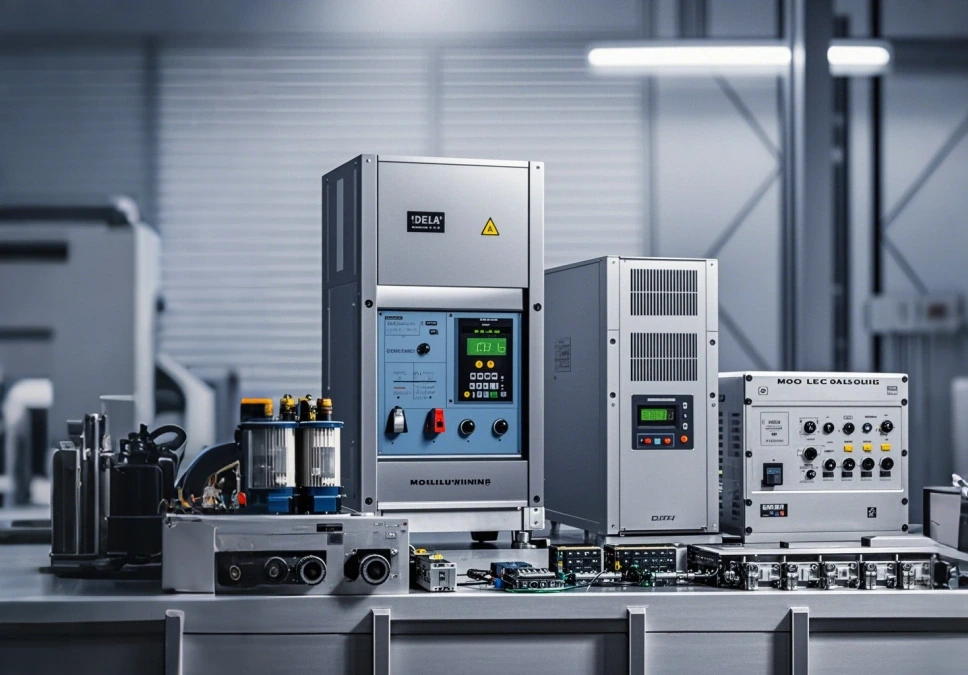
Why Use An Indoor High-Voltage Live Display System?
Indoor high-voltage live display improves monitoring using high voltage live indicator system for indoor power safety control.
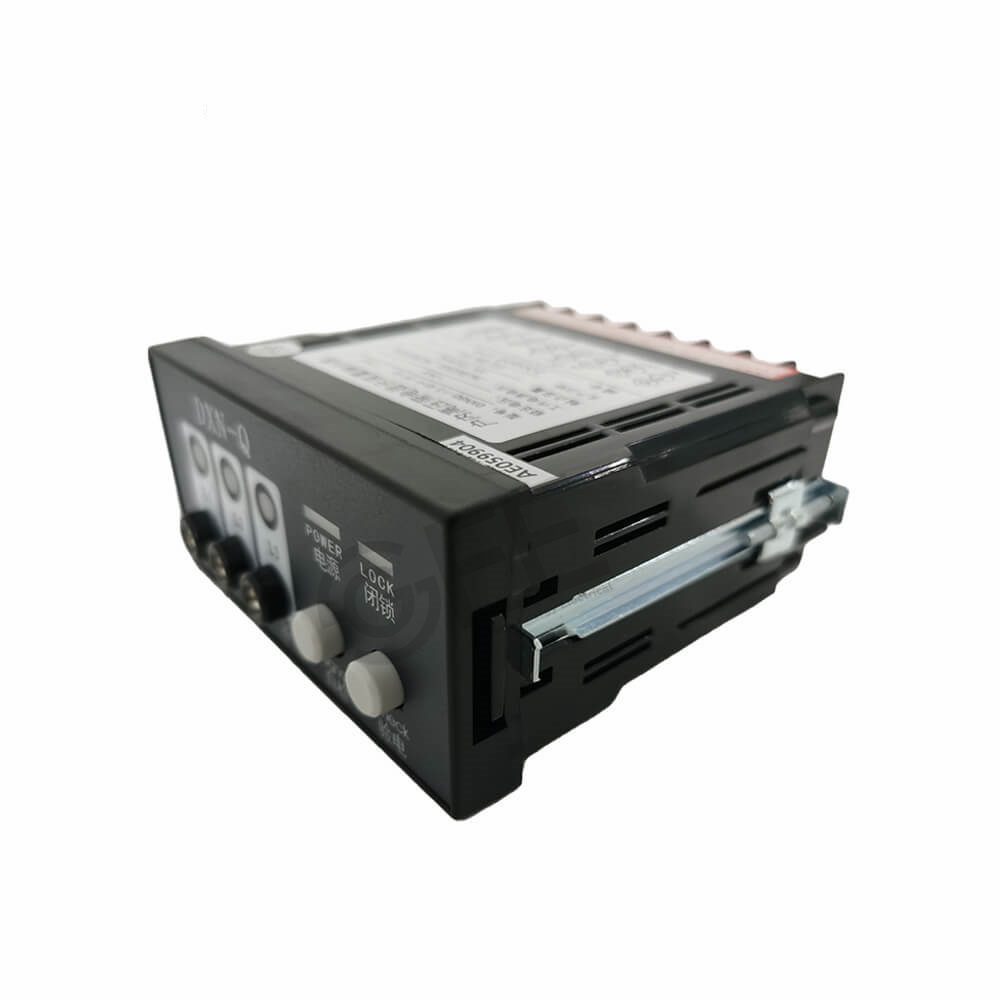
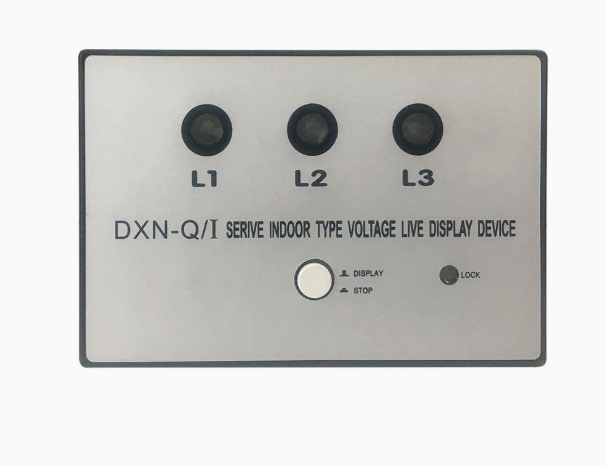
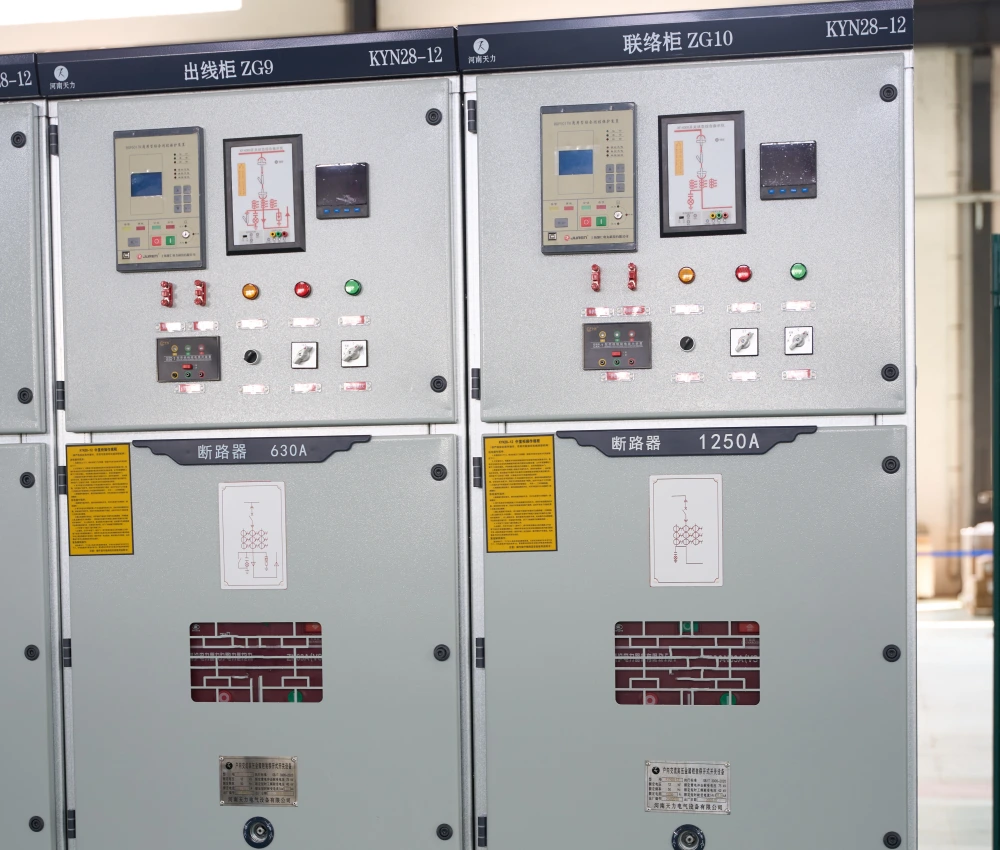
An indoor high-voltage live display system plays a critical role in modern electrical infrastructure environments. It provides real-time visibility of energized circuits inside switchgear cabinets. Operators rely on visual indicators to confirm operational status before maintenance work begins. This reduces accidental contact risks in high-energy environments. Industrial facilities demand stable and accurate signaling under complex electromagnetic conditions. Control rooms often operate multiple voltage levels simultaneously. Clear visual feedback helps engineers manage switching operations efficiently. The high voltage live indicator system ensures reliable detection of energized conductors. It supports safer decision-making during inspection and emergency response procedures. Proper integration improves system awareness and reduces operational uncertainty in dense electrical layouts.
System Architecture and Functional Integration of high voltage live indicator system
The high voltage live indicator system integrates sensing modules, signal transmission lines, and visual output components. Each unit works together to detect voltage presence in real time. Optical or capacitive sampling methods are commonly applied in industrial designs. Signal conversion circuits transform electrical activity into readable display signals. Operators observe clear on/off states from panel indicators. The structure must resist electromagnetic interference from adjacent equipment. Internal shielding improves accuracy in dense switchgear environments. Modular design allows flexible installation across different cabinet types. Maintenance teams can replace components without full system shutdown. This structure improves operational continuity in critical power distribution facilities.
Safety Logic Behind high voltage live indicator system in Indoor Environments
Safety control is the primary purpose of any electrical live status indicator device in high-energy systems. It prevents accidental maintenance on energized equipment. Visual confirmation reduces human error during switching operations. Electrical safety protocols require double verification before grounding procedures. Indicator systems provide immediate feedback on circuit status. Engineers rely on these signals during lockout and tagout procedures. Indoor substations often contain tightly packed conductive elements. Even minor misjudgment can cause severe incidents. Reliable signaling improves operational discipline across teams. Alarm integration further enhances response speed during abnormal conditions. This reduces downtime and improves overall system safety performance.
Working Mechanism of Signal Detection and Display Conversion
The system operates through precise voltage sampling technology for real-time detection. Sensors detect electric field variations around conductors. These signals are processed through isolation circuits for safety. Conversion modules transform analog input into digital display output. LED indicators show clear energized or de-energized states. Some systems include phase-specific detection capabilities. This helps identify individual circuit conditions in multi-phase systems. Noise filtering circuits stabilize signal output under interference. Internal calibration ensures long-term measurement consistency. Engineers design these systems for continuous operation under load variations. Stable signal processing improves reliability in industrial environments.
Insulation Structure Design in High Voltage Monitoring Systems
Proper insulation is essential for indoor high-voltage monitoring devices used in industrial environments. Materials such as epoxy resin and silicone rubber are commonly applied. These materials provide strong dielectric strength and thermal resistance. Creepage distance design prevents surface flashover under high humidity. Structural separation reduces risk of internal breakdown. Mechanical housing must withstand vibration and thermal expansion. Electrical isolation layers protect control circuits from high-energy exposure. Testing standards require verification under impulse voltage conditions. Engineers evaluate insulation aging over long-term operation cycles. Reliable insulation ensures stable performance in harsh electrical environments.
Signal Accuracy and Interference Resistance in Industrial Operation
Accurate detection is essential for the high voltage live indicator system in complex environments. Electromagnetic interference can distort weak sensing signals. Shielded wiring reduces noise influence from nearby equipment. Filtering algorithms stabilize output under fluctuating load conditions. Precision components improve response consistency across voltage ranges. Industrial facilities often contain multiple switching devices operating simultaneously. Signal separation techniques prevent cross-interference between channels. Calibration procedures ensure long-term measurement stability. Temperature variation can also affect signal accuracy. Engineers design compensation circuits to maintain stable output. High reliability ensures consistent monitoring in mission-critical systems.
Installation Requirements for Stable Indoor Electrical Monitoring
Correct installation ensures reliable operation of the high voltage live indicator system. Environmental conditions must remain within specified temperature limits. Humidity control prevents condensation on sensitive components.
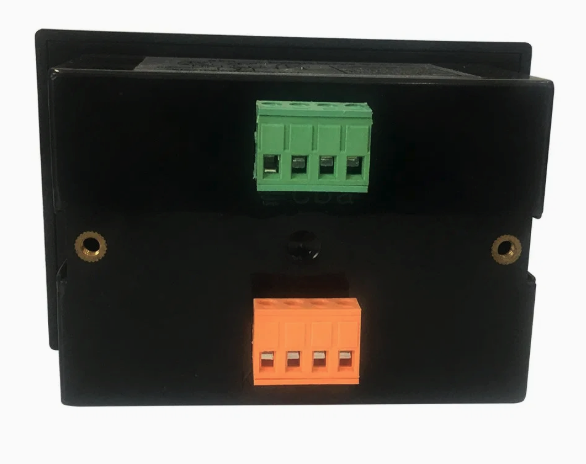
Cabinet layout should allow sufficient clearance for wiring connections. Grounding systems must meet industrial safety standards. Signal cables require proper shielding against electromagnetic noise. Installation teams follow strict wiring diagrams for accuracy. Mechanical fixation prevents vibration-induced disconnection. Maintenance access must remain unobstructed for inspection. Proper installation reduces long-term failure risk and improves system durability.
Technical Performance Parameters and Operational Data Overview
The following table summarizes key technical parameters used in modern monitoring systems. These values define operational limits and performance stability in industrial environments.
| Parameter | Standard Range | Function |
|---|---|---|
| Operating Voltage | 3kV - 40.5kV | Detection range support |
| Insulation Level | ≥ 20kV impulse | Safety protection |
| Response Time | < 1 second | Real-time indication |
| Temperature Range | -25°C to 70°C | Environmental stability |
These parameters define how the high voltage live indicator system performs under real industrial stress. Engineers select configurations based on voltage class and cabinet structure. Stable performance depends on both hardware design and environmental adaptation. Proper parameter selection ensures long service life and reliable electrical monitoring.
Fault Detection and Early Warning Response Functions
Modern monitoring systems include built-in fault detection logic. Abnormal voltage fluctuations trigger immediate alerts. The high voltage live indicator system enhances early warning capability in power distribution networks. Alarm modules provide both visual and optional audio signals. This allows operators to react quickly to unstable conditions. Self-diagnostic functions check internal circuit integrity. Fault logs help engineers analyze system behavior over time. Redundant design improves operational reliability during partial failure conditions. Continuous monitoring reduces unexpected downtime in industrial facilities.
Maintenance Strategy for Long-Term Operational Stability
Regular maintenance ensures consistent performance in electrical monitoring systems. Inspection cycles identify early signs of component aging. Cleaning procedures remove dust accumulation inside panels. Connection tightening prevents signal loss due to vibration. Calibration checks maintain detection accuracy over time. Replacement schedules depend on operational load conditions. Predictive maintenance reduces unexpected system failure risks. Engineers often document performance trends for analysis. Stable maintenance routines extend system lifespan significantly.
Industrial Application Scenarios in Power Distribution Systems
The high voltage live indicator system is widely used in substations and distribution cabinets. It supports medium and high voltage control environments. Industrial plants rely on it for safe switching operations. Renewable energy stations also integrate similar monitoring systems. Data centers use it for backup power management. Rail transit systems apply it in traction power control. Each application demands stable and accurate voltage visibility. System flexibility allows adaptation to different industrial architectures.
Comparative Evaluation of Modern and Traditional Indicator Systems
The following table compares modern electronic systems with older mechanical indicators.
| Feature | Modern System | Traditional System |
|---|---|---|
| Response Speed | Instant | Delayed |
| Accuracy | High precision sensing | Limited visual estimation |
| Maintenance | Low requirement | Frequent adjustment |
| Durability | Long service life | Moderate wear rate |
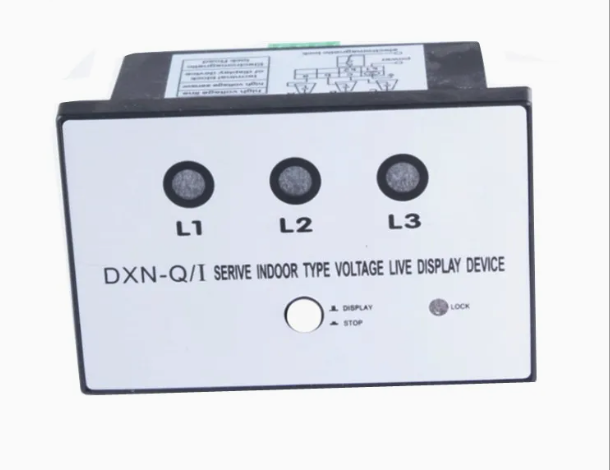
The comparison shows clear advantages in digital monitoring technology. Modern systems improve reliability and reduce operational uncertainty. Mechanical indicators lack precision in complex environments. Digital solutions offer better integration with control systems. This supports safer and more efficient power management.
Maintenance Practices and System Reliability Enhancement
Routine inspection improves long-term stability of monitoring equipment. Dust and moisture are primary environmental threats. Cable insulation should be checked regularly. Firmware updates may improve signal processing performance. Loose connectors must be tightened during scheduled checks. Temperature monitoring helps prevent overheating issues. Engineers often use diagnostic tools for performance evaluation. Preventive actions reduce unexpected failures. Proper maintenance ensures consistent safety performance.