Why Use VPIS Instead Of Traditional Voltage Indicators?
Compare a modern vpis voltage presence indicator with old systems. Choose reliable medium voltage switchgear safety devices for operations.
Evolution of Switchgear Safety Technology
Medium voltage switchgears require reliable safety monitoring devices to protect maintenance crews. Electrical substations present severe hazards during daily operations. Modern facilities now utilize a professional vpis voltage presence indicator to ensure maximum operator safety. This equipment monitors live line conditions without physical contact. Traditional neon indicator bulbs often fail without warning. Such failures create dangerous illusions of dead circuits. Solid-state detection systems resolve these issues by offering continuous visual feedback. Engineers rely on capacitive voltage dividers to capture accurate signal levels safely. These sensors prevent direct exposure to lethal electrical currents. Consequently, industrial plants achieve better compliance with local safety regulations. Active monitoring reduces unexpected downtime and prevents catastrophic accidents. Operations managers prioritize these systems to secure their distribution networks.
Capacitive Coupling and Voltage Division Mechanics
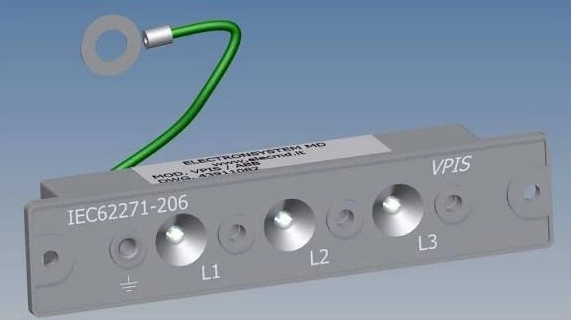
Capacitive voltage sensing relies on a sequence of series capacitors to drop high voltage levels safely. Coupling electrodes embedded in the switchgear insulators form the primary capacitance of this system. The indicator module contains secondary capacitors that establish a low-voltage measurement node. Current flows through this circuit in proportion to the system voltage and frequency.
Low-power light emitting diodes illuminate to signal active voltage presence on the primary conductors. This passive current loop operates without any external power source. Energy harvested directly from the electric field drives the entire indicating mechanism. High impedance in the coupling path guarantees safety for operators touching the front panel. Thus, the design inherently limits fault currents to safe micro-ampere thresholds. Plant operators inspect these indicators daily to confirm line electrification status.
Benefits of a VPIS Voltage Presence Indicator in Plant Operations
Safety coordinators select advanced display equipment to minimize human errors during maintenance. Modern distribution switchgear integrates a smart Voltage Presence Indicating System with Diagnosis for maximum reliability. This diagnostic function actively checks connection integrity between the sensor and the display unit. If a wire breaks, the system provides an immediate fault warning to operators. Standard units without diagnostic circuits cannot reveal broken connection lines. Consequently, workers might assume the line is dead when it remains fully energized. Diagnostic technologies eliminate this blind spot and enhance general safety protocols. Industrial operations secure continuous runtime and protect valuable personnel from severe shocks. Facility managers choose these intelligent models to upgrade their aging electrical infrastructure. These smart sensors reduce overall operational risks in demanding power environments.
Reliability and Lifecycle of Solid State Display Modules
Solid-state technology outperforms traditional filament bulbs in every major operational category. Traditional incandescent lamps suffer from rapid filament degradation due to thermal stress. Vibration from nearby heavy machinery accelerates this mechanical wear. In contrast, light emitting diodes withstand severe vibrations and shocks without failing. These solid-state components routinely operate for over one hundred thousand hours. Long operational life translates to massive savings in maintenance labor and replacement parts. Electricians no longer need to de-energize equipment just to replace burnt-out indicator lights. Uninterrupted monitoring ensures that safety systems remain active during critical grid events. Continuous uptime remains crucial for high-voltage installations in chemical plants and heavy refineries. Plant operators gain peace of mind knowing the status indicators remain fully functional.
Enhancing Operator Safety and Mitigating Human Error
Safety protocols require clear physical cues to prevent unauthorized access to energized areas. Installing a vpis voltage presence indicator provides an unambiguous visual warning on the panel door. Red flashing lights command attention immediately from any distance in the substation. Operators identify energized circuits before they touch any metal enclosures. This direct feedback decreases the probability of fatal contact errors during emergency switching. Busy environments demand such fool-proof systems to counteract worker fatigue and distraction. Safe work practices depend on reliable visual aids at every control station.
Modern engineering practices prioritize safety by design rather than relying solely on training. Visual display units form the final layer of defense against accidental contact. Implementing these robust systems creates a safer environment for electrical engineering teams.
Regulatory Standards for High Voltage Display Systems
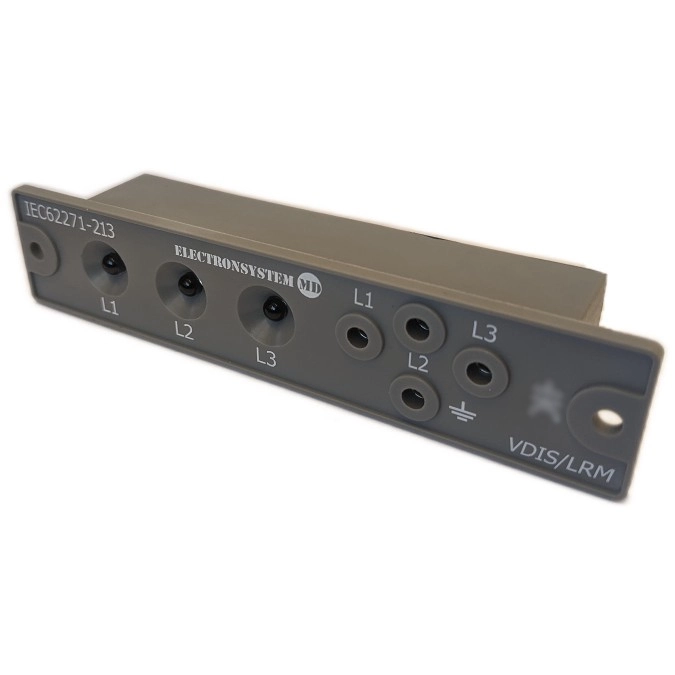
International standards define strict design requirements for high-voltage safety indicators. The IEC 62271-206 standard governs the performance of these presence indicators. Manufacturers must test their equipment under extreme environmental conditions to ensure reliability. A Fixed Voltage Presence Indicating System must comply with these precise testing criteria. These tests include dielectric insulation, climate resistance, and electromagnetic compatibility assessments. Compliance guarantees that the devices perform well in high-humidity offshore wind applications. Standard testing also verifies that the equipment does not emit harmful electromagnetic waves. Industrial buyers check certification reports to verify compliance before purchasing new hardware. Certified safety products protect utilities from liability and ensure long-term equipment compatibility. Strict adherence to global standards builds trust among operators and asset owners.
| Feature | Modern VPIS | Traditional Neon Indicator |
|---|---|---|
| Power Source | Self-powered (electric field energy) | Galvanic line voltage / Auxiliary power |
| Lifespan | Over 100,000 hours (LED) | 5,000 to 10,000 hours (Neon filament) |
| Safety Standard | IEC 62271-206 compliant | No specific safety standard |
| Failure Mode | Extremely rare solid-state failure | Frequent burnout without warning |
Designing Systems with the VPIS Voltage Presence Indicator
Table 1 illustrates the clear technical advantages of modern displays over older technologies. Power supply parameters show that newer equipment operates independently from external battery reserves. This self-powered nature ensures that indication remains active even during complete substation power outages. Lifespan calculations demonstrate a tenfold increase in durability for light emitting diodes. Neon bulbs burn out quickly under standard industrial thermal conditions. Such degradation compromises safety by failing to display active hazards. Furthermore, the IEC 62271-206 certification ensures that these products undergo rigorous testing. Traditional lamps lack standard compliance, making them less reliable for critical utility work. Engineers use these comparisons to justify upgrading switchgears to solid-state systems. Safety managers rely on this data to formulate their risk mitigation plans.
| Parameter | Value / Requirement | Impact on Operations |
|---|---|---|
| Threshold Voltage | 10% to 45% of nominal voltage | Ensures timely flashing as line energizes |
| Insulation Resistance | Greater than 100 Megaohms | Prevents leakage current to the front panel |
| Operating Temp | -25 to +80 degrees Celsius | Guarantees operation in outdoor kiosks |
Operational Data Analysis of a Voltage Detecting Device
Table 2 lists the essential electrical and thermal boundaries for safe field performance. Operating temperature ranges confirm that the equipment survives in both polar and tropical climates. This versatility allows global utilities to deploy standardized switchgear designs worldwide. High insulation resistance prevents dangerous electrical currents from reaching external operator interfaces. Consequently, plant workers touch the external casing without any fear of electrocution. The threshold voltage specifications guarantee that a vpis voltage presence indicator flashes rapidly during power-up. Immediate visual feedback prevents technicians from making catastrophic mistakes during manual switching operations. These precise parameters define the reliability of modern voltage detection devices. Engineers analyze these metrics to optimize substation layouts and enhance worker protection. Facility safety coordinators require these exact specifications for standard operating procedures.
- Ring Main Units (RMUs): Compact gas-insulated switchgear installations require reliable front-panel indicators for incoming feeder lines.
- Primary Distribution Switchgears: Large power facilities use indicators on metal-clad breaker cubicles to secure main buses.
- Wind Turbine Towers: Harsh environmental conditions inside tower bases demand sealed safety equipment with high resistance.
- Substation Retrofitting Projects: Old stations replace obsolete neon panels with modern solid-state display technologies.
Key Industrial Application Scenarios for Safety Indicators
The application list demonstrates the wide versatility of modern solid-state voltage displays. Ring main units benefit greatly from compact indicator sizes due to restricted physical space. Wind turbine installations require rugged construction to survive continuous vibration and salt spray. Retrofitting projects show that safety upgrades integrate easily into existing mechanical layouts. These diverse applications share a common goal of protecting human lives from electrical hazards. Modern power grids require reliable monitoring at every junction to maintain system stability. Facility managers choose specific indicators based on local climate demands and enclosure configurations. Selecting high-quality components minimizes maintenance costs and boosts long-term network reliability. Thus, standardizing safety equipment across all installations yields significant financial benefits over time. Safety specialists recommend these advanced displays for all new commercial energy projects.
Substation Interlocking Integration and Safety Controls
Modern substations utilize interlocking mechanisms to prevent hazardous switching sequences under active loads. Relays inside the display module connect directly to electromagnetic locks on the switchgear panel. These locks physically prevent operators from opening grounding switches when line voltage exists. Automatic control circuits verify safety before authorizing manual equipment access for technicians. This automated defense system works in tandem with flashing visual indicators on the front. Dual-redundancy systems dramatically reduce human error risks in high-stress emergency environments. Safety coordinators prioritize interlocking integrations for high-capacity power distribution centers. Such integrated solutions ensure safe operation under all grid conditions. Plant managers see fewer accidents and lower liability rates after deploying complete interlocking networks. Investing in interlocking modules pays off by safeguarding expensive substation equipment.
Choosing a Modern Voltage Presence Indicating System
Securing medium voltage switchgear requires a combination of robust hardware and strict safety procedures. Solid-state technology provides the perfect balance of reliability, longevity, and operator protection. Replacing obsolete neon tubes with advanced display modules eliminates critical blind spots. Diagnostic capabilities ensure that system faults do not hide live high-voltage circuits. Compliance with international safety standards ensures reliable performance in extreme field environments. Consequently, global utilities continue to transition away from traditional resistive voltage indicators. Smart cities and automated factories depend on continuous line monitoring to protect workers. Investing in modern safety indicators saves lives and reduces costly emergency maintenance events. Engineers must specify high-quality components to guarantee long-term operational success and compliance. Ultimately, advanced safety systems lay the foundation for a resilient global power network.
FAQ
What is the main operational purpose of switchgear voltage indicators?
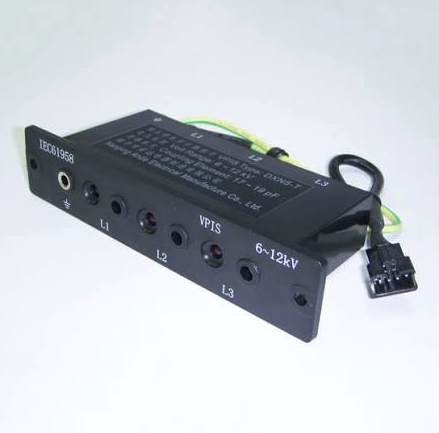
Operators use these devices to monitor line conditions safely before conducting maintenance procedures. The display units show active voltage status by flashing bright visual signals. This continuous visual alert deters technicians from accidental contact with live electrical buses. Additionally, these units work entirely without auxiliary battery power. They harvest necessary energy directly from the primary electromagnetic field of the switchgear conductors. This self-powered design ensures safety monitoring even during complete substation blackouts. Technicians rely on these robust displays daily to prevent fatal shock hazards during routine panel inspections. Using reliable display gear remains fundamental for modern industrial distribution setups.
Does the system check its own connection integrity?
Yes, premium models incorporate specialized testing functions to verify line status constantly. A modern vpis voltage presence indicator performs automated diagnostics to check for sensor damage. If a connecting cable breaks, the unit immediately signals a system fault. This constant validation prevents dangerous false-negative indications on the front panel. Maintenance crews notice warning signals quickly during their regular safety walkdowns. Regular diagnostic checks maintain the integrity of the safety system under demanding conditions. Consequently, operations teams trust these smart indicators to secure their hazardous medium voltage environments. Reliable design features keep the substation personnel completely safe during critical maintenance tasks.
Why should facilities upgrade to solid-state display technologies?
Solid-state indicators offer superior durability compared to old mechanical or neon devices. Heavy vibrations inside active industrial plants cause standard neon filaments to fail rapidly. Upgrading to a modern vpis voltage presence indicator guarantees over one hundred thousand hours of continuous performance. This longevity minimizes regular maintenance visits and lowers operational expenses. Furthermore, reliable solid-state elements flash clearly under bright substation lighting. Technicians see active voltage alerts instantly without getting too close to the hazardous switchgear doors. Ultimately, modern display upgrades protect workers and extend overall asset life. Smart utility managers prioritize these upgrades to secure sustainable safety protocols.