What Affects Indoor High-Voltage Display Device Accuracy?
Indoor high-voltage display accuracy depends on sensing calibration, insulation design, temperature drift, EMI control.
Indoor high-voltage display accuracy is a core requirement in industrial monitoring environments that depend on stable voltage visualization. Accurate measurement ensures safe equipment operation and reduces system failure risks. Industrial systems face challenges from signal drift, electrical noise, and environmental stress. Engineers design measurement platforms with layered correction mechanisms to maintain stability. Small deviations in voltage interpretation can affect control decisions in automation systems. Long-term reliability depends on both hardware quality and calibration strategy. High precision design improves operational confidence across complex electrical infrastructures. indoor high-voltage display accuracy determines how effectively operators interpret real-time electrical conditions under demanding environments.
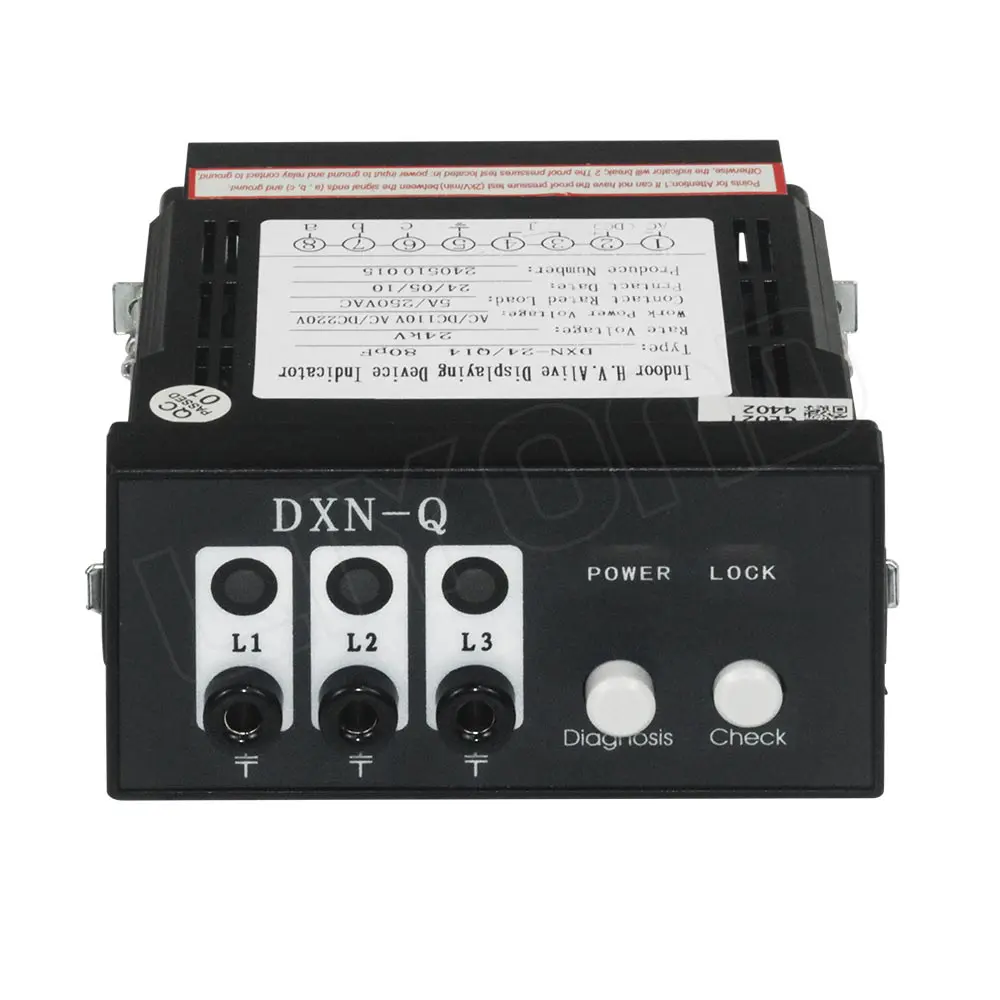
Sensor Calibration and indoor high-voltage display accuracy Stability Control
Sensor calibration directly determines measurement stability in high-voltage display systems. Drift occurs when reference components age or environmental conditions change. Engineers apply calibration cycles to realign sensor output with reference standards. Factory calibration establishes baseline precision before deployment. Field calibration adjusts performance during real operating conditions. Temperature variation can shift voltage response behavior. Without correction, error accumulation reduces system reliability over time. Modern systems also use automatic calibration modules to reduce manual intervention. These mechanisms ensure stable output across continuous industrial operation. indoor high-voltage display accuracy depends strongly on how frequently calibration routines are executed in harsh environments.
Signal integrity depends on consistent calibration structure and controlled reference pathways. Aging components gradually shift baseline response values. Engineers monitor deviation trends to schedule recalibration cycles. Stable calibration reduces cumulative measurement error in long-term industrial use.
| Factor | Effect on Accuracy | Control Method |
|---|---|---|
| Sensor Drift | Gradual deviation increase | Scheduled recalibration |
| Thermal Variation | Signal instability | Temperature compensation |
| Reference Shift | Baseline error change | Precision voltage regulation |
System Architecture Influence on Measurement Signal Flow
System architecture defines how electrical signals move from sensing modules to display output. Each processing stage introduces potential deviation. Analog signals first pass through filtering circuits to remove noise. Conversion units translate signals into digital values. Processing modules apply correction algorithms for stability improvement. Display layers present final interpreted values to operators. Poor architecture increases cumulative error across stages. Strong system integration reduces latency and improves accuracy. Industrial systems rely on optimized architecture to maintain consistent performance under high-voltage conditions. indoor high-voltage display accuracy improves significantly when signal pathways are shortened and processing delays are minimized.
Sensor Technology Selection in High-Voltage Measurement Systems
Different sensor technologies behave differently under electrical stress conditions. Capacitive sensors provide high sensitivity but require strong shielding. Resistive sensors offer stable output with slower response behavior. Optical sensors deliver strong isolation and high noise resistance. Engineers select sensor types based on application environment and performance needs. Hybrid configurations combine multiple sensing principles for improved reliability. Cost, durability, and response speed also influence selection decisions.
Proper sensor selection directly impacts long-term measurement accuracy in industrial systems. indoor high-voltage display accuracy is heavily influenced by how well sensor physics matches operational conditions.
Calibration Strategies for Long-Term Stability Control
Calibration strategies include factory setup, field adjustment, and automated correction systems. Factory calibration defines initial system accuracy before deployment. Field calibration adjusts performance under real environmental conditions. Automatic calibration continuously corrects minor drift during operation. Frequent calibration improves stability but increases maintenance workload. Engineers balance calibration frequency with operational cost. Predictive maintenance models help determine optimal calibration timing. These strategies ensure long-term accuracy consistency in demanding industrial environments. indoor high-voltage display accuracy remains stable only when calibration intervals are aligned with system load cycles.
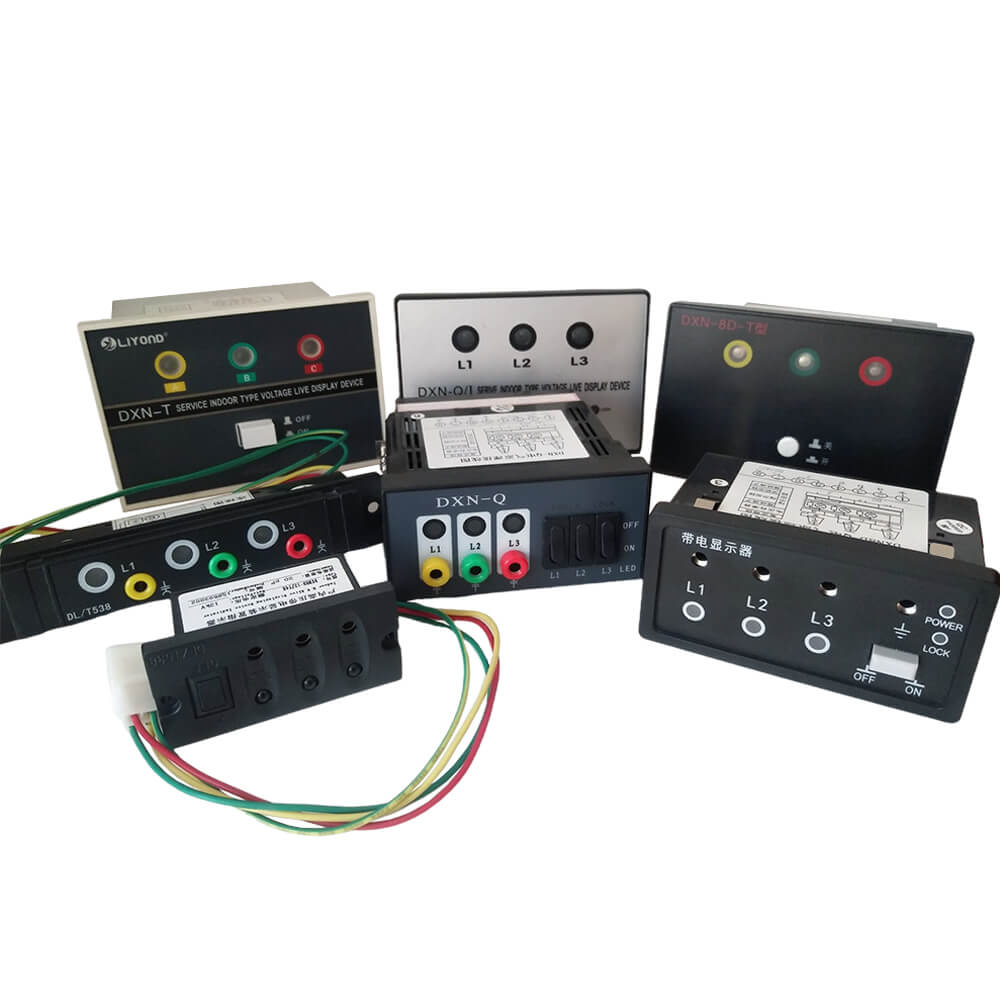
Environmental Temperature Effects on Measurement Stability
Temperature variation influences electrical resistance and signal behavior in measurement circuits. High temperature increases drift and accelerates component aging. Low temperature reduces sensitivity and slows system response. Humidity introduces leakage currents that affect signal clarity. Industrial systems often require environmental control solutions. Thermal compensation circuits reduce environmental impact on measurement results. Stable temperature conditions improve long-term accuracy performance and reduce system deviation. indoor high-voltage display accuracy becomes unstable when thermal fluctuations exceed design compensation limits.
Electromagnetic Interference Suppression Techniques
Electromagnetic interference introduces noise into sensitive measurement signals. Industrial equipment often generates strong electromagnetic fields. Shielding enclosures block external radiation sources. Grounding systems stabilize electrical reference points. PCB layout optimization reduces coupling between signal paths. Engineers separate analog and digital circuits to minimize interference. Proper shielding design ensures stable signal transmission. Effective EMI control improves accuracy reliability in high-density industrial environments. indoor high-voltage display accuracy is directly affected by uncontrolled electromagnetic coupling inside measurement cabinets.
Material Insulation and Dielectric Strength Design
Insulation materials determine safety and measurement stability in high-voltage systems. Epoxy resin provides strong structural support and thermal resistance. Silicone rubber offers flexibility and high dielectric strength. Ceramic materials withstand extreme electrical stress conditions. Material selection depends on voltage level and operating environment. Weak insulation increases leakage current and measurement error. Strong dielectric design improves long-term stability and safety performance in industrial applications.
Data Conversion Precision in Signal Processing Systems
Analog-to-digital conversion quality directly affects measurement accuracy. Higher resolution reduces quantization error in signal conversion. Sampling rate influences response accuracy under fast-changing conditions. Poor conversion design introduces distortion in final readings. Engineers select ADC modules based on required precision levels. Stable digital processing ensures accurate interpretation of electrical signals. Conversion accuracy plays a critical role in final display reliability.
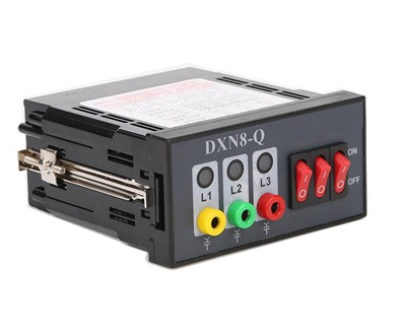
Maintenance Planning for Long-Term Operational Reliability
Maintenance planning ensures stable system performance over long periods. Regular inspections identify early signs of component wear. Replacement cycles prevent unexpected system failure. Predictive maintenance uses data trends to estimate degradation levels. Proper maintenance improves measurement stability and system lifespan. Industrial operators rely on structured maintenance schedules for consistent performance. Maintenance directly supports long-term accuracy retention in high-voltage display systems.
List of Optimization Measures for Accuracy Improvement
- Improve shielding design for noise reduction
- Apply regular calibration scheduling
- Use high-grade sensor components
- Optimize PCB signal routing layout
- Add thermal compensation modules
Each optimization method strengthens system stability. Engineers combine multiple strategies for better performance. Structural improvements reduce long-term deviation. Integrated design ensures reliable operation under industrial stress conditions.
FAQ
What Is An Indoor High-Voltage Live Display
An indoor high-voltage live display is a monitoring device used in electrical switchgear and distribution cabinets to indicate real-time energized or de-energized states of high-voltage circuits. It uses sensing units to detect voltage presence and converts signals into visible indicators such as LEDs, digital screens, or alarm outputs. This helps operators quickly confirm whether equipment is live before maintenance or operation. In industrial systems, indoor high-voltage display accuracy is critical because incorrect indication may lead to safety risks. The device typically includes insulation isolation, signal conditioning, and electromagnetic protection structures. These designs ensure stable operation under electrical noise, temperature variation, and high-voltage stress conditions in complex power environments.
How does electromagnetic interference affect indoor high-voltage display accuracy performance
Electromagnetic interference introduces unwanted noise into measurement circuits. This noise distorts weak electrical signals and reduces display precision. Industrial equipment often produces strong electromagnetic fields that affect nearby systems. Shielding enclosures help block external interference sources. Grounding systems stabilize electrical reference points. PCB layout optimization reduces coupling between signal lines. Engineers also separate analog and digital pathways to limit interference. Effective EMI control ensures stable signal transmission and accurate measurement results in complex industrial environments with high electrical activity. indoor high-voltage display accuracy declines sharply when EMI shielding is insufficient.
How High-Voltage Live Displays Enhance Electrical Safety
High-voltage live displays enhance electrical safety by providing real-time visualization of energized circuits in switchgear and distribution systems. They help operators quickly identify whether equipment is live, reducing the risk of accidental contact during maintenance or inspection. The system uses sensing technology to detect voltage presence and converts it into clear visual or alarm signals. This immediate feedback supports safer operational decisions in industrial environments. indoor high-voltage display accuracy is essential because incorrect indication can directly affect safety outcomes. These devices also incorporate insulation barriers and electromagnetic shielding to isolate high-voltage components from user interfaces. Combined with stable signal processing, they ensure reliable status indication under electrical noise, temperature variation, and complex operating conditions in power systems where safety is a priority.