Are Earth Fault Passage Indicators Necessary?
Earth fault passage indicators shorten outages, enhance fault isolation accuracy, and ensure safer operation in medium-voltage networks.
Earth fault passage indicator technology supports rapid fault detection inside modern medium-voltage distribution systems. Utility operators face rising pressure from industrial automation, renewable integration, and underground cable expansion. Traditional fault inspection methods consume labor resources and delay restoration activities. Fast fault isolation protects transformers, switchgear, and feeder infrastructure from extended thermal stress. Industrial facilities also require stable power continuity because production interruptions create financial losses. Automated indication systems narrow inspection zones immediately after abnormal current events occur. Maintenance teams therefore restore healthy feeder sections much faster than conventional manual tracing procedures. Electrical contractors increasingly recommend intelligent monitoring solutions because distribution networks continue growing in complexity. Reliable fault detection equipment now plays a critical role within urban substations, renewable plants, railway systems, and industrial manufacturing environments.
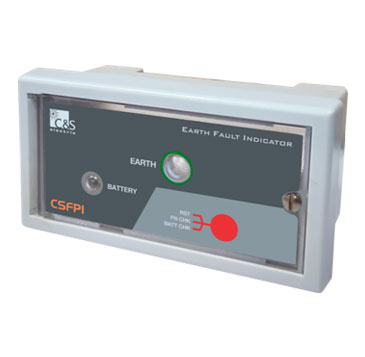
Ground Fault Conditions Create Operational Risks
Medium-voltage networks experience ground faults from environmental, thermal, and mechanical influences. Cable insulation aging weakens dielectric stability during continuous electrical loading conditions. Moisture penetration inside joints also increases insulation breakdown probability over time. Excavation activities frequently damage underground feeders in crowded urban infrastructure corridors. Severe weather sometimes creates flashovers across insulators and overhead conductors. Industrial pollution accelerates surface tracking and contamination on electrical equipment surfaces. Fault currents may initially appear intermittent before developing into permanent cable failures. Utilities must therefore identify affected sections quickly to prevent additional equipment damage. Long restoration periods also increase operational losses for commercial and industrial consumers. Accurate detection systems reduce uncertainty during troubleshooting procedures while improving maintenance coordination across complex electrical distribution environments.
Why Earth Fault Passage Indicator Systems Matter
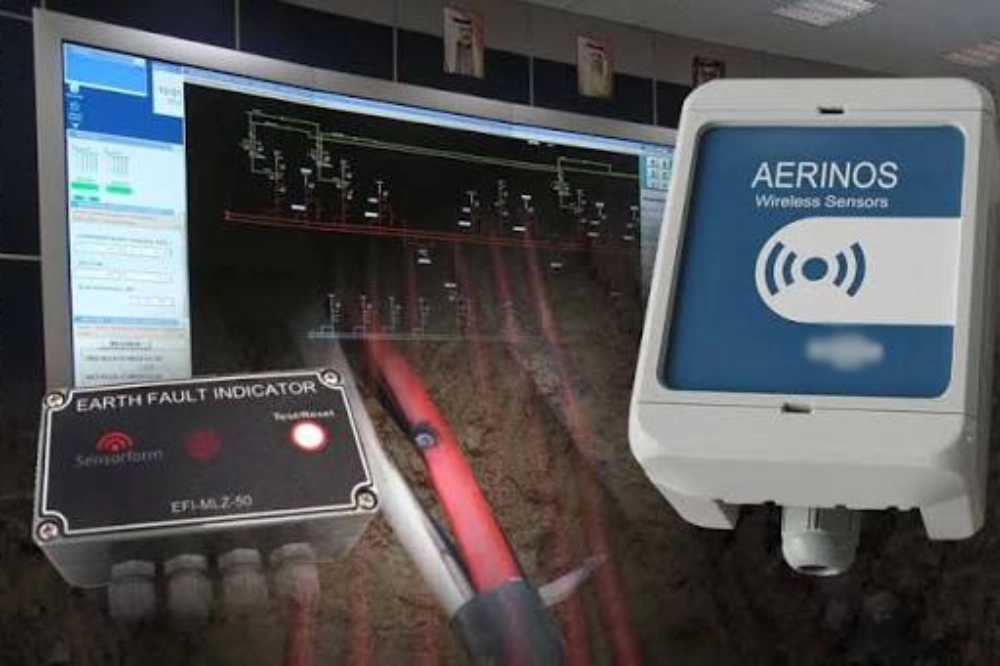
Earth fault passage indicator systems provide visual or remote alarms after detecting abnormal current flow. Utilities deploy these devices because manual inspection methods consume excessive restoration time. Intelligent indication equipment rapidly identifies the approximate fault location across long feeders. Faster troubleshooting improves network reliability performance and reduces outage duration significantly. Industrial operators also benefit because automated localization minimizes manufacturing downtime during cable failures. Modern devices support SCADA integration for centralized monitoring and event management. Some advanced models transmit alarms through GSM, wireless radio, or fiber communication networks. Distribution engineers value these functions because remote visibility improves operational decision-making during emergency conditions. Smart monitoring infrastructure additionally strengthens predictive maintenance strategies for medium-voltage networks operating under high load demand and expanding renewable energy integration.
Detection Technology Behind Modern Monitoring Equipment
Fault indication equipment monitors magnetic field variation generated by abnormal current behavior. Internal sensors continuously analyze phase imbalance and transient earth fault activity. Most systems activate after current thresholds exceed predefined protection settings. Directional models determine current flow orientation through vector-based analysis methods. Advanced filtering technology minimizes false alarms caused by temporary disturbances or switching events. Visual alarms usually include flashing LEDs or mechanical indicators for field maintenance teams. Remote communication versions transmit operational data directly toward centralized control centers. Some products include battery backup capability during complete network outages. Automatic reset functions also simplify operational recovery after temporary fault events disappear. Accurate calibration remains essential because incorrect sensitivity settings may reduce detection reliability across heavily loaded industrial or utility distribution networks.
Comparison Between Manual Inspection and Smart Detection
| Feature | Manual Fault Search | Smart Detection System |
|---|---|---|
| Restoration Speed | Several hours | Several minutes |
| Labor Requirement | High | Lower |
| Remote Monitoring | Unavailable | Available |
| Inspection Accuracy | Variable | High precision |
| Operational Efficiency | Limited | Improved |
| Network Downtime | Extended | Reduced |
Economic Value for Utility Operators
Utilities evaluate equipment investment through lifecycle performance and operational savings analysis. Faster fault localization directly reduces labor expenses and emergency restoration costs. Shorter outages protect industrial facilities from expensive production interruptions and process instability. Network automation also improves public service reliability in densely populated regions. Maintenance crews spend less time inspecting unaffected cable sections after fault events occur. Rapid restoration further minimizes transformer overload risk during temporary feeder switching operations. Many operators report measurable operational savings after deploying intelligent monitoring infrastructure across underground cable networks. Insurance compliance and regulatory reliability requirements also influence equipment investment decisions. Automated fault indication technology therefore supports both technical performance objectives and long-term financial efficiency within modern power distribution infrastructure.
Industrial Applications Require Reliable Fault Isolation
Several industries depend on uninterrupted medium-voltage power distribution for operational continuity. Manufacturing facilities require stable feeders for automated assembly equipment and robotic systems. Mining operations use extensive underground cable infrastructure across harsh environmental conditions. Airports and railway electrification systems also prioritize rapid restoration during feeder disturbances. Hospitals and data centers depend on stable electrical supply for critical operational safety. Petrochemical facilities especially value rapid localization because electrical failures may affect hazardous processing equipment. Water treatment infrastructure additionally requires dependable distribution systems for continuous pumping operations. Many industrial operators deploy EKL4 Short-Circuit Grounding Fault Indicator for Cables because cable-intensive environments demand accurate fault identification. Smart monitoring systems continue expanding across industrial sectors because downtime increasingly affects productivity, safety, and infrastructure reliability performance.
Technical Features Supporting Modern Grid Performance
Manufacturers develop advanced monitoring equipment with multiple sensing and communication capabilities. Directional detection technology improves fault identification accuracy across looped network configurations. Adjustable threshold settings support compatibility with different grounding architectures and feeder designs. Rugged enclosures protect internal electronics against moisture, ultraviolet exposure, and industrial contamination. Many systems comply with IEC standards for medium-voltage electrical equipment performance. Common technical capabilities include:
- Directional and non-directional fault sensing
- Wireless communication compatibility
- Automatic reset functionality
- Event recording and data storage
- LED visual indication systems
- Battery backup operation
- Wide operating temperature tolerance
These functions improve operational adaptability across substations, renewable energy projects, and underground cable installations. Engineers select configurations according to cable length, grounding structure, and environmental exposure conditions. Proper specification supports stable long-term performance during repeated transient fault conditions.
Performance Comparison Across Distribution Environments
| Application Area | Primary Benefit | Operational Impact |
|---|---|---|
| Urban Underground Networks | Rapid cable localization | Reduced outage duration |
| Industrial Manufacturing | Fast restoration | Lower production loss |
| Renewable Energy Plants | Stable grid synchronization | Improved power continuity |
| Mining Infrastructure | Safer fault isolation | Higher operational safety |
| Railway Systems | Reliable feeder monitoring | Reduced transportation disruption |
| Hospitals and Data Centers | Continuous power support | Critical system protection |
Installation Practices Influence Detection Accuracy
Correct installation procedures strongly affect monitoring reliability and long-term operational stability. Engineers first evaluate grounding architecture before selecting sensitivity thresholds and directional settings. Cable-mounted systems require secure positioning around screened medium-voltage conductors. Pole-mounted installations also demand weather-resistant sealing protection against environmental exposure. Communication-enabled devices require reliable signal coverage for centralized monitoring integration. Technicians must verify compatibility with protection relays and switching coordination schemes. Incorrect sensor orientation may create directional interpretation errors during fault events. Periodic maintenance normally includes firmware verification, battery inspection, and communication testing procedures. Many utilities standardize installation methods to simplify maintenance activities across multiple substations. Several operators additionally integrate EKL4-W Current Temperature Fault Online Monitor OEM/ODM solutions because thermal monitoring improves operational visibility during high-load cable conditions and transient electrical disturbances.
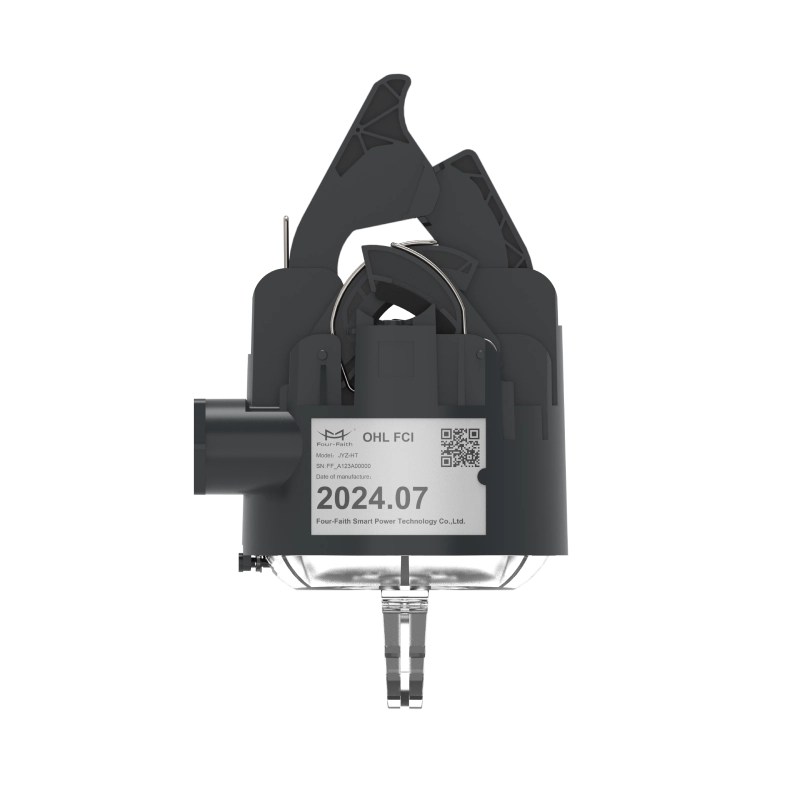
Are Earth Fault Passage Indicator Devices Necessary
Earth fault passage indicator deployment supports faster restoration, improved reliability, and safer troubleshooting procedures. Expanding underground cable infrastructure increases the importance of automated monitoring technology across medium-voltage systems. Manual inspection methods alone cannot efficiently support modern distribution network complexity. Intelligent indication equipment reduces uncertainty while helping maintenance teams isolate damaged feeder sections quickly. Remote communication capability further strengthens centralized monitoring and predictive maintenance planning. Industrial operators also benefit because rapid restoration reduces downtime and equipment stress during emergency conditions. Smart grid development continues increasing demand for digital fault management solutions worldwide. Many utilities now consider automated fault indication essential infrastructure rather than optional equipment. Long-term operational savings, stronger reliability performance, and improved service continuity explain the growing adoption of intelligent fault monitoring systems across industrial and utility electrical networks.
FAQ
Why do utilities install earth fault monitoring equipment?
Utilities install intelligent monitoring equipment because rapid fault localization reduces outage duration significantly. Manual inspection methods require extensive labor and increase restoration delays across long feeder routes. Automated indication systems immediately narrow the search area after abnormal current detection occurs. Faster restoration protects industrial customers from operational interruption and financial loss. Modern systems also improve worker safety because technicians inspect fewer energized sections during emergency conditions. Remote communication capability supports centralized monitoring through SCADA platforms and wireless infrastructure. Many utilities additionally use directional technology for looped distribution networks requiring precise current flow analysis. These functions improve operational efficiency, reliability performance, and long-term maintenance planning within modern underground and overhead electrical distribution environments.
Which factors affect fault detection accuracy in distribution systems?
Several technical conditions influence the accuracy of monitoring equipment across medium-voltage infrastructure. Proper sensitivity threshold configuration remains essential for reliable fault detection performance. Incorrect settings may create false alarms or missed fault events during network disturbances. Grounding topology also affects directional current interpretation across looped feeder systems. Environmental exposure influences enclosure durability, especially within coastal or industrial installations. Communication quality matters for remote monitoring devices connected through wireless infrastructure. Sensor positioning additionally affects measurement precision around underground cables or overhead conductors. Regular maintenance supports long-term stability through battery inspection and firmware verification procedures. Engineers therefore evaluate load profiles, grounding structures, and transient current behavior before selecting operational configurations for distribution network applications.
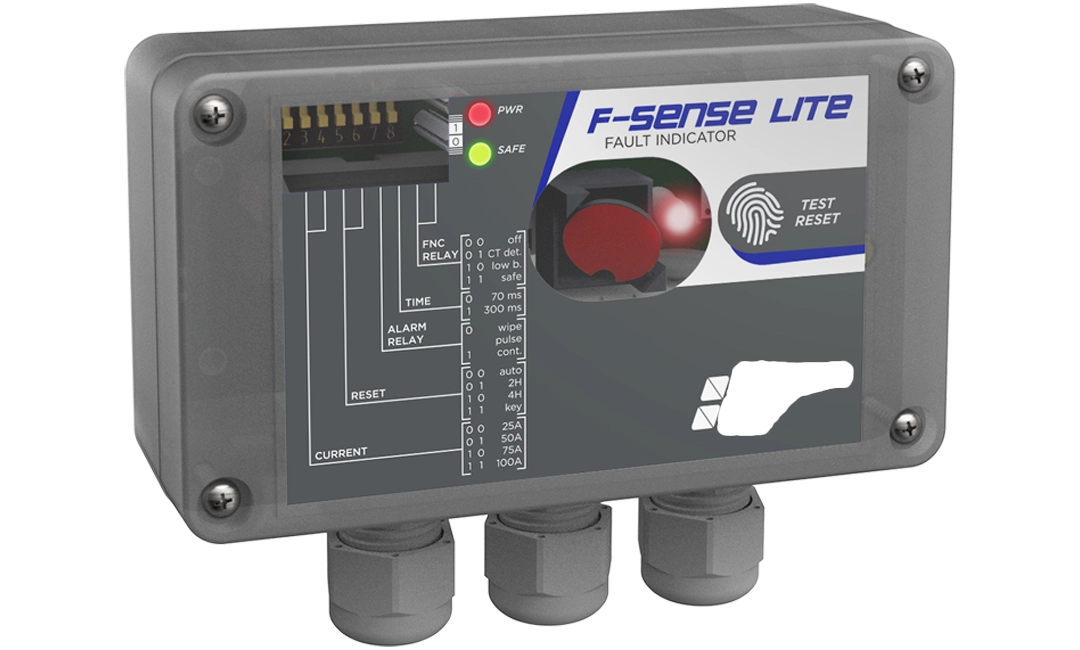
Which industries benefit most from automated fault indication systems?
Industrial sectors with continuous operational requirements receive major advantages from intelligent monitoring systems. Manufacturing facilities depend on stable medium-voltage feeders for automated production processes and robotic equipment. Underground mining operations require accurate cable fault localization across harsh environmental conditions. Renewable energy plants also prioritize stable feeder monitoring because grid synchronization depends on reliable electrical infrastructure. Airports, hospitals, railway systems, and data centers similarly require rapid restoration during power disturbances. Petrochemical facilities especially value fast isolation capability because electrical failures may affect hazardous operational environments. Remote communication features further improve centralized supervision across geographically distributed infrastructure. Expanding smart grid projects continue increasing demand for automated monitoring technology because operational downtime directly affects productivity, safety, and service continuity.