How Can Switchgear Electromagnetic Locks Improve Safety?
Switchgear electromagnetic interlocking system enhances safety with locking control, error prevention, and reliable protection solutions.
The Role of Switchgear Electromagnetic Interlocking System in Modern Electrical Safety
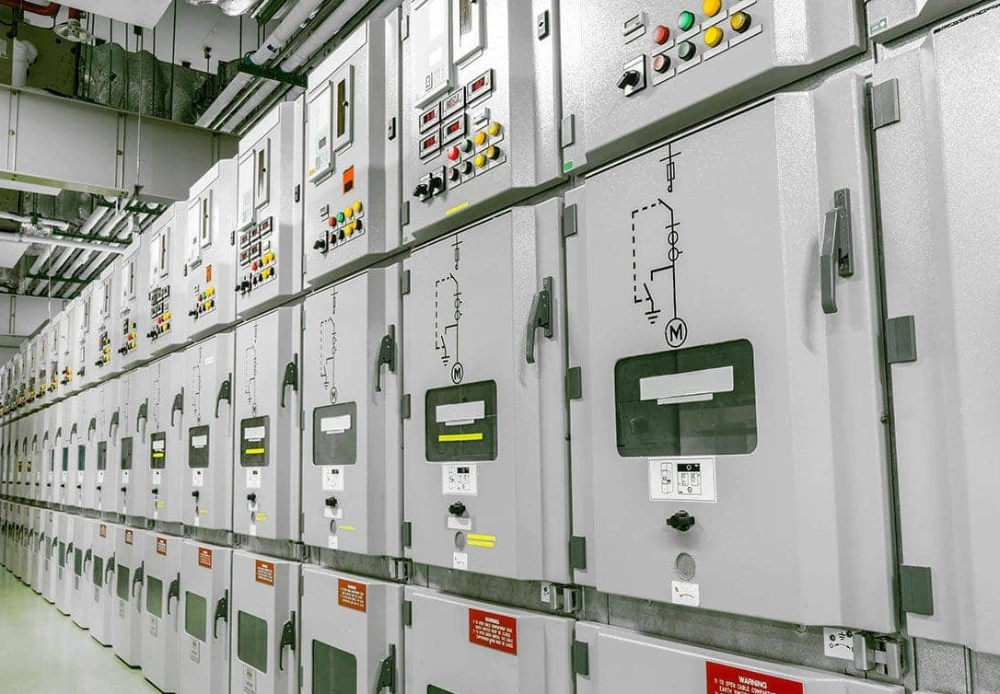
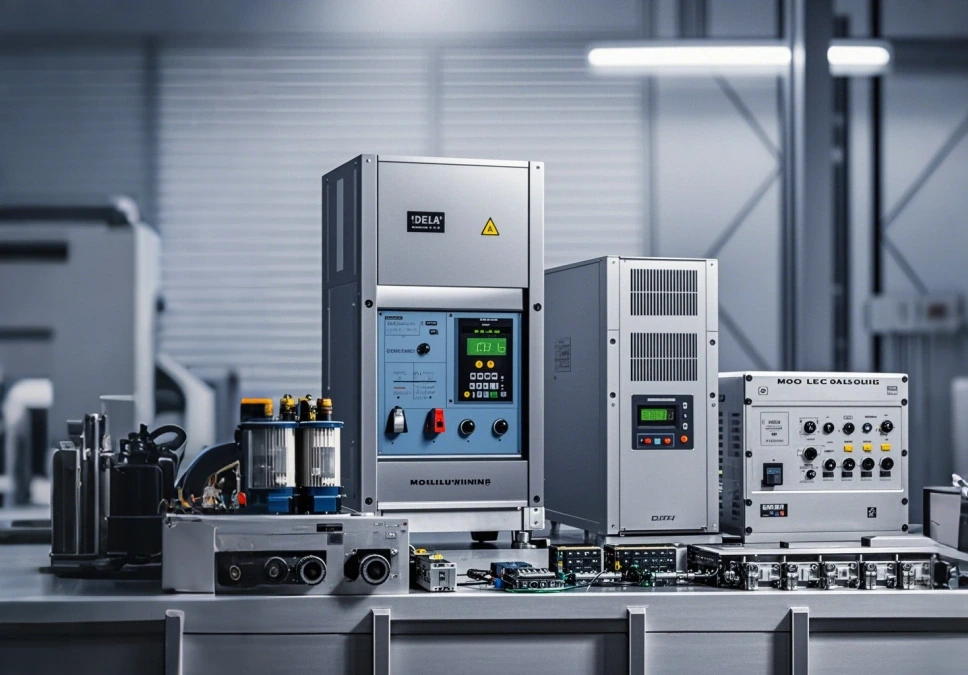
Modern power distribution requires strict protection methods because incorrect switchgear operations can create serious hazards. The switchgear electromagnetic interlocking system helps operators follow safe procedures by controlling access and movement during electrical operations. It connects electrical signals with locking mechanisms to prevent unsafe actions. Industrial facilities, substations, and distribution rooms often use these solutions to reduce human mistakes. Reliable interlocking designs improve equipment protection, operator confidence, and maintenance safety. Proper selection also depends on voltage requirements, cabinet structures, and operating environments. Advanced systems provide stable performance while supporting safer electrical management practices.
How Switchgear Electromagnetic Interlocking System Prevents Dangerous Switchgear Operations
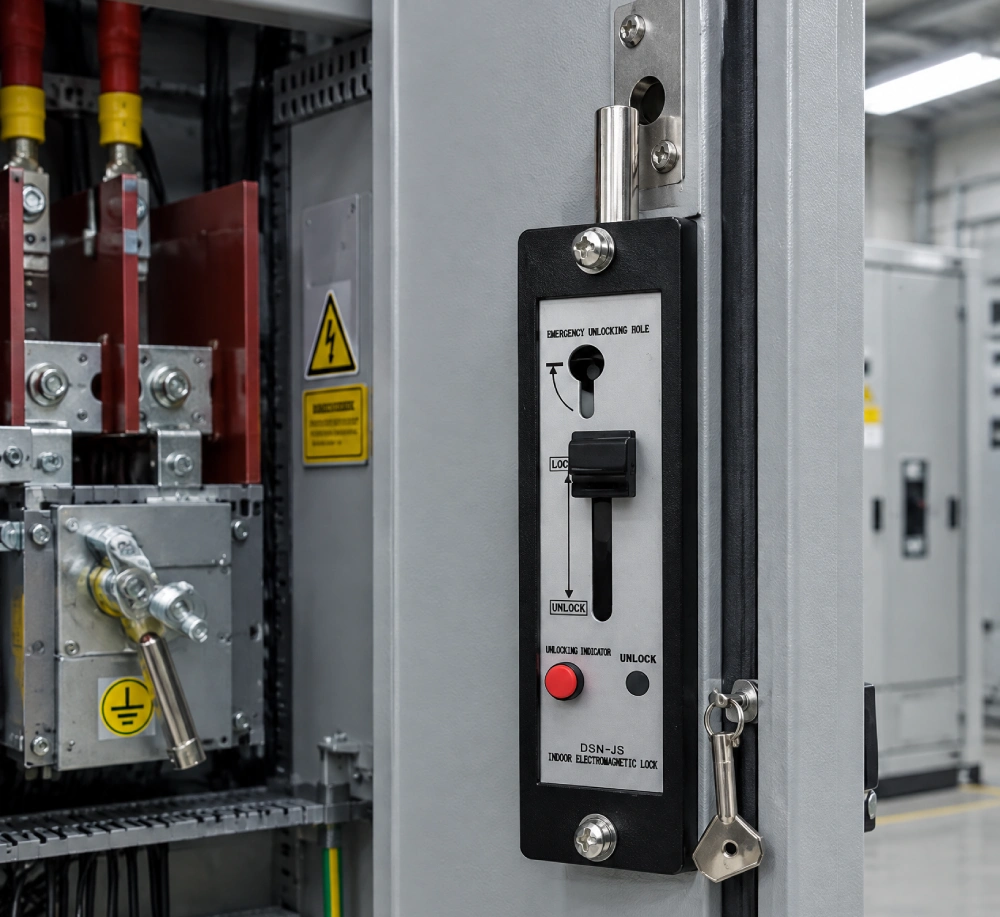
Electromagnetic locking technology combines electrical control signals with mechanical protection methods. When operating conditions do not meet safety requirements, the lock remains engaged and prevents unauthorized actions. The system normally uses electromagnetic coils, control circuits, sensors, and mechanical locking parts. These components work together to confirm correct operating sequences before allowing access or switching operations. Compared with simple mechanical locks, electromagnetic solutions provide better coordination with modern automation systems. They can receive signals from control devices and respond quickly. This approach reduces risks caused by incorrect switching procedures and improves overall switchgear safety performance.

Key Components That Improve Interlocking Reliability
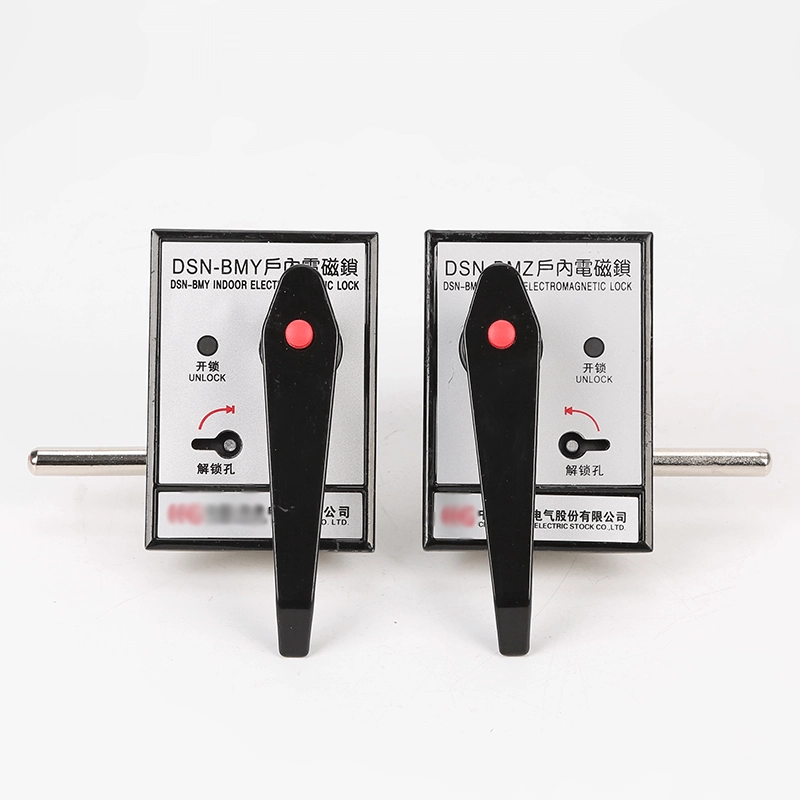
A reliable interlocking solution depends on several important components. Each part influences the stability, response speed, and service life of the equipment.
- Electromagnetic coil assembly: Creates magnetic force for locking and releasing operations.
- Control circuit module: Processes electrical signals and controls operating logic.
- Position monitoring device: Detects equipment status before allowing movement.
- Mechanical locking structure: Provides physical protection during unsafe conditions.
The DSN-JK Active Electromagnetic Lock for Switchgear uses an active locking design that supports controlled electrical operations. Its structure combines electromagnetic force with switchgear safety requirements. Proper installation and regular inspection help maintain consistent performance in demanding environments.
Safety Advantages Provided by Electromagnetic Interlocking Solutions
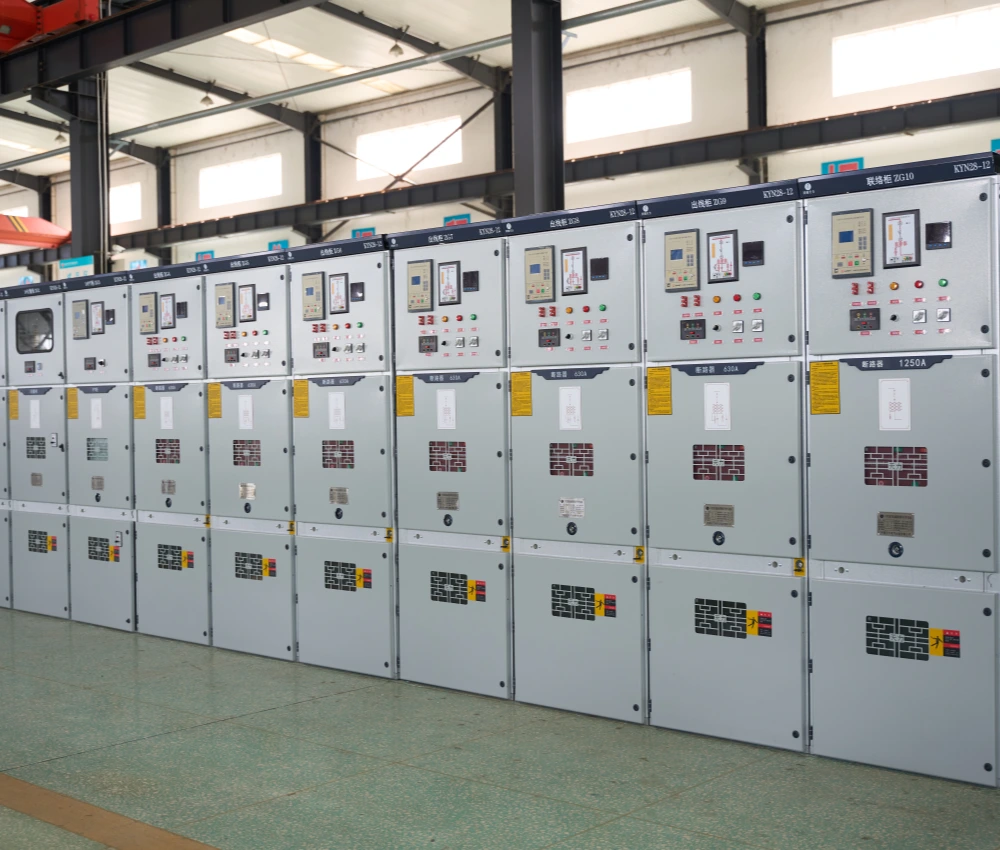
Safety improvements come from preventing unauthorized access and incorrect operation sequences. The switchgear electromagnetic interlocking system supports safer workflows by connecting equipment status with locking functions. Operators receive clear operational limitations because the system only permits actions under approved conditions. This reduces accidental switching, maintenance risks, and equipment damage. Many industrial users apply these solutions in medium voltage cabinets and power distribution systems. Strong materials, accurate manufacturing, and stable electrical components contribute to long-term reliability. Safety performance improves when the locking mechanism matches the cabinet design and operating requirements.
Comparison Between Traditional Locks and Electromagnetic Solutions
| Comparison Factor | Traditional Mechanical Lock | Electromagnetic Solution |
|---|---|---|
| Control Method | Manual operation | Electrical signal control |
| Safety Coordination | Limited connection with equipment status | Integrated with control systems |
| Operation Management | Requires physical checking | Supports automatic verification |
| Maintenance Protection | Basic access restriction | Enhanced operational control |
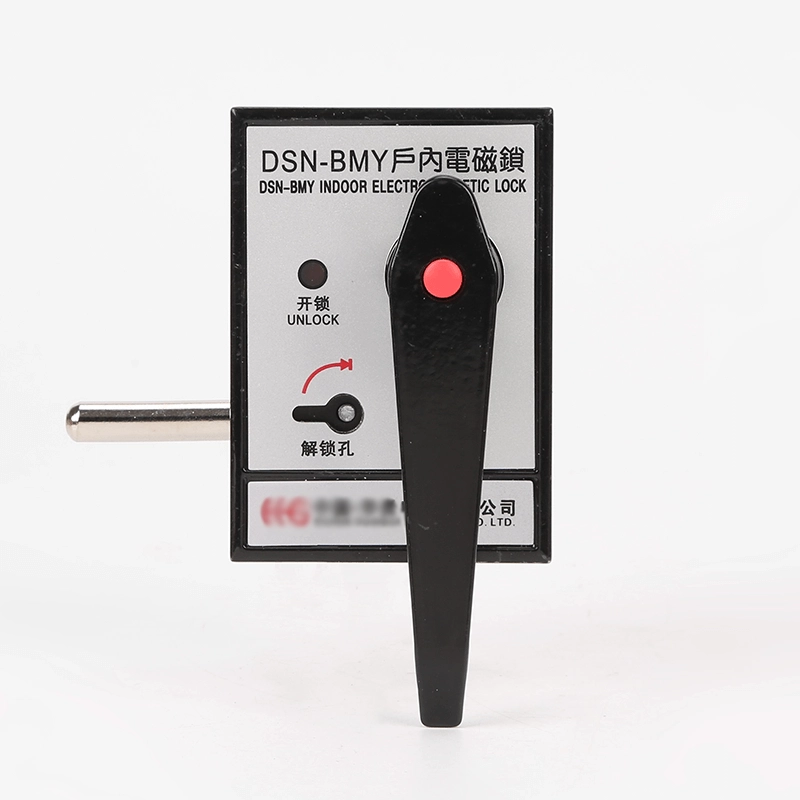
Traditional locking methods can provide basic protection, but they cannot always respond to complex electrical conditions. Modern electromagnetic solutions offer better coordination between equipment status and operator actions. The DSN-WY-JK Passive Electromagnetic Lock for Switchgear provides passive locking characteristics without requiring continuous electromagnetic power during certain states. This design can support specific applications where energy efficiency and operational reliability are important factors.
Installation Factors Affecting Long-Term Performance
Correct installation directly affects electromagnetic locking reliability. Technicians should check alignment between the lock body and cabinet components because inaccurate positioning may reduce locking effectiveness. Wiring quality also influences signal transmission and operational stability. Voltage compatibility remains important because incorrect power supply levels may affect electromagnetic performance. Environmental conditions such as dust, vibration, and temperature changes should also receive attention. Manufacturers often recommend testing locking functions after installation to confirm proper operation. A professional installation process helps extend service life and reduces unexpected failures during daily switchgear use.
Applications Across Different Electrical Environments
Different electrical environments require different protection approaches. The switchgear electromagnetic interlocking system appears in substations, industrial facilities, power distribution rooms, and automation equipment. Medium voltage switchgear often requires reliable access control because operators work near high energy equipment. High voltage applications demand stronger safety coordination because operational errors may create severe consequences. Industrial plants use these systems to maintain standardized procedures across multiple departments. The following table shows common application differences.
Application conditions influence product selection because different systems face different operational pressures. Engineers usually evaluate cabinet structure, electrical parameters, and environmental requirements before installation. Proper matching between equipment and locking solutions creates better safety results. Reliable products also support long-term maintenance planning and reduce operational interruptions.
| Application Area | Main Requirement | Safety Benefit |
|---|---|---|
| Substations | High reliability and strict access control | Reduces switching errors |
| Industrial Plants | Frequent operation management | Improves workflow safety |
| Distribution Rooms | Stable cabinet protection | Prevents unauthorized access |
Maintenance Practices for Reliable Interlocking Operation
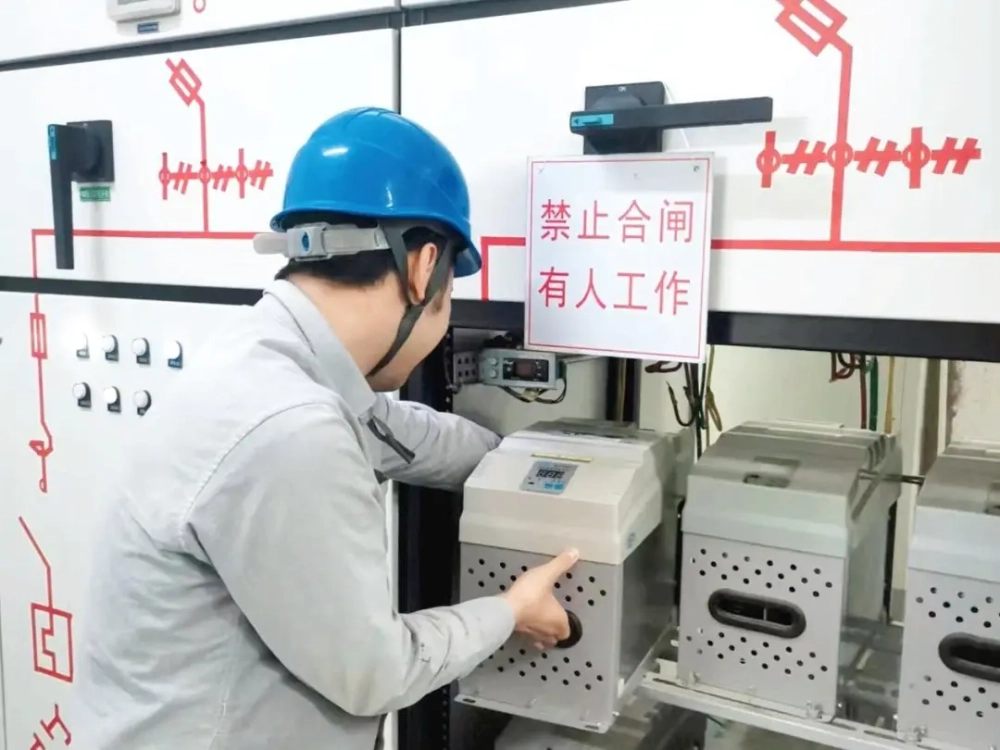
Regular maintenance keeps electromagnetic locking equipment functioning correctly. Operators should inspect key areas according to facility requirements.
- Check electromagnetic coil performance regularly.
- Inspect connection terminals for loose wiring.
- Test locking and releasing responses.
- Remove dust from mechanical moving areas.
- Confirm signal communication with control systems.
Routine checks allow technicians to identify early problems before they affect switchgear operation. Maintenance records also help track performance changes over time. Facilities that follow scheduled inspection procedures usually achieve better equipment availability and safer working conditions. Proper maintenance protects both electrical assets and personnel.
Smart Integration Improves Modern Safety Management
Digital technologies continue changing electrical safety management. The switchgear electromagnetic interlocking system can connect with intelligent monitoring platforms to provide better operational visibility. PLC systems, remote monitoring tools, and status feedback devices allow operators to receive real-time information. These integrations help managers evaluate equipment conditions and improve maintenance decisions. Smart control also supports centralized supervision across multiple electrical cabinets. As automation requirements increase, electromagnetic locking technology will continue developing toward higher communication capability and improved operational accuracy.
Selection Considerations for Reliable Electromagnetic Lock Solutions
Choosing a suitable electromagnetic locking product requires evaluation of multiple factors. Buyers should check electrical compatibility, mechanical dimensions, material quality, and certification requirements. The locking force must match application conditions because insufficient strength may reduce protection performance. Manufacturers with professional production experience can provide better technical support and quality consistency. The switchgear electromagnetic interlocking system should also match the cabinet structure and control logic. Careful evaluation before purchase helps users avoid compatibility problems and improves long-term operation reliability.
Future Trends of Electromagnetic Interlocking Technology
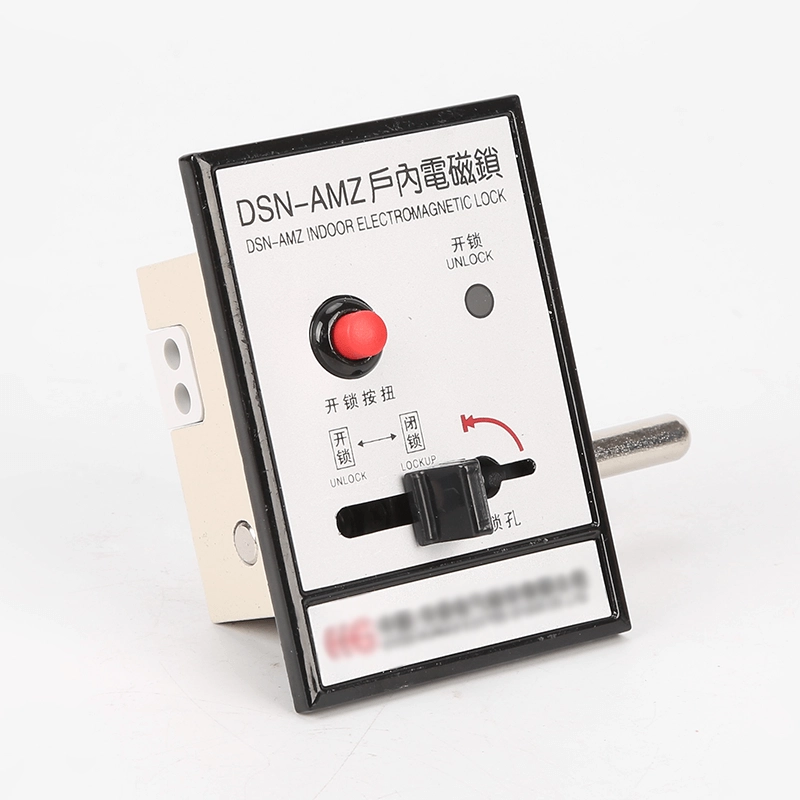
Future electrical systems will require higher automation and stronger safety management. Electromagnetic locking technology is expected to integrate with advanced monitoring platforms, digital controls, and intelligent protection systems. Compact designs may become more common as electrical cabinets require efficient space utilization. Improved communication functions will allow faster status feedback and easier maintenance management. Manufacturers are also focusing on durability, energy efficiency, and environmental adaptability. These developments will support safer power systems and more reliable industrial operations.
FAQ
What Is The Main Purpose Of A Switchgear Electromagnetic Interlocking System?
The main purpose is to prevent unsafe switchgear operations by controlling access and switching sequences. The system connects electrical signals with locking mechanisms, allowing equipment actions only under approved conditions. It protects operators from accidental contact with energized components and reduces equipment damage caused by incorrect procedures. Industrial facilities use this technology to create safer working environments. Proper installation, accurate control logic, and regular maintenance help maintain reliable protection throughout the equipment lifecycle.
What Affects High-Voltage Electromagnetic Lock Performance?
High-voltage electromagnetic lock performance depends on several factors, including voltage stability, electromagnetic coil quality, installation accuracy, and environmental conditions. A stable power supply ensures consistent locking and releasing operations, while high-quality coil materials improve durability and response speed. Incorrect installation alignment may reduce locking efficiency and create operational issues. Temperature, dust, and humidity can also influence component reliability over long-term use. Regular inspection of wiring connections, mechanical structures, and control signals helps maintain stable performance. Proper product selection and suitable maintenance procedures ensure the electromagnetic lock provides reliable safety protection in high-voltage switchgear applications.
What Factors Should Be Considered When Choosing An Electromagnetic Lock System?
Selection depends on several factors, including voltage rating, cabinet design, locking force, material quality, and environmental conditions. Buyers should evaluate whether the product matches existing switchgear structures and control systems. Reliable manufacturing processes also influence product durability and operational stability. Maintenance requirements should receive attention because easy inspection helps reduce future service costs. A suitable solution provides balanced performance, safety protection, and long-term reliability for different electrical applications.