How Does A VPIS Voltage Indicator Manufacturer Ensure Quality?
Vpis voltage presence indicator manufacturer ensures quality through testing, material control, design standards, and reliable processes.
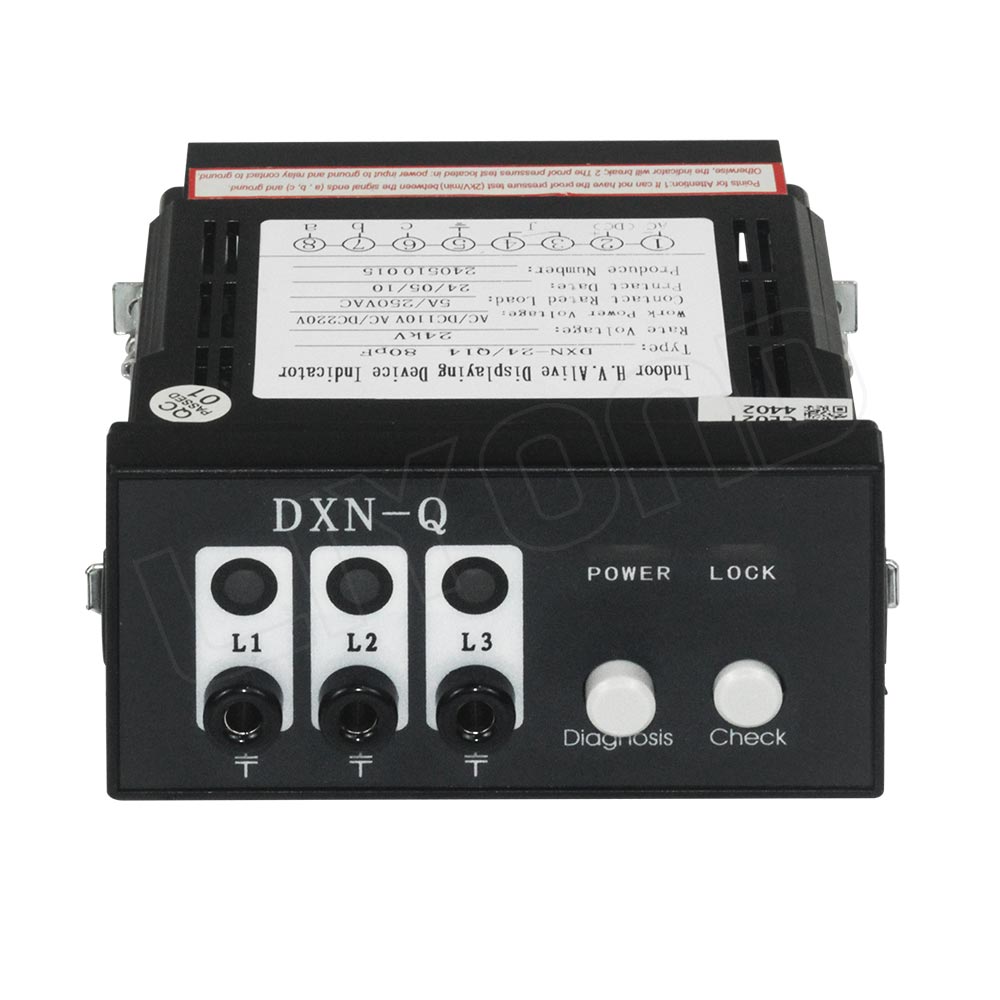
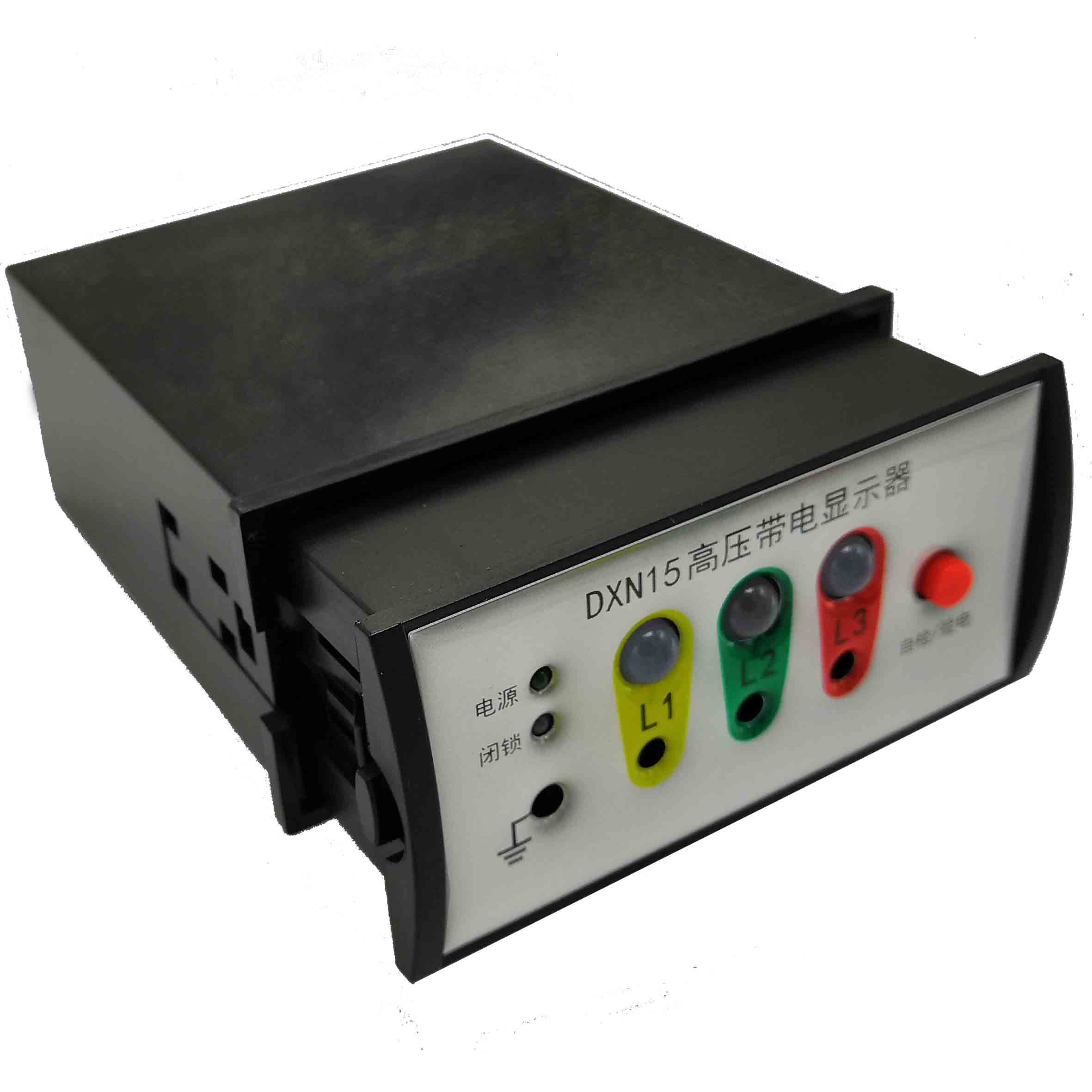
Reliable electrical equipment requires strict quality control throughout every manufacturing stage. A vpis voltage presence indicator manufacturer applies systematic procedures to maintain product accuracy, safety, and operational stability. VPIS devices work in medium voltage switchgear environments, where incorrect indication may create serious safety risks. Manufacturers usually establish quality systems that cover incoming materials, production processes, assembly operations, and final inspections. Each stage requires clear technical standards and documented procedures. Engineers evaluate product performance through multiple checkpoints before delivery. These practices reduce manufacturing variations and improve long-term reliability. Professional production teams also review previous quality data to optimize processes. Consistent monitoring helps manufacturers create voltage indication solutions that support safer electrical maintenance activities.
Material Selection And Component Reliability In VPIS Manufacturing
Material performance directly affects the durability and electrical characteristics of voltage presence indicators. Manufacturers carefully select insulation materials, electronic components, and structural parts based on application requirements. High-quality insulating materials help prevent leakage currents and maintain electrical separation under different operating conditions. Housing materials require strong mechanical resistance because switchgear environments may experience vibration, temperature changes, and dust exposure. Electronic components also need stable performance because they control signal transmission and visual indication functions. A vpis voltage presence indicator manufacturer evaluates supplier materials through inspections before production begins. Engineers check dimensions, electrical properties, and environmental resistance. Proper material selection creates a foundation for reliable operation and reduces potential failures during the service period.
| Quality Area | Main Inspection Focus | Impact On Product Performance |
|---|---|---|
| Insulation Materials | Dielectric strength and resistance stability | Improves electrical safety and protection |
| Electronic Components | Signal accuracy and operating consistency | Supports reliable voltage indication |
| Housing Structure | Mechanical strength and environmental resistance | Enhances product lifespan in switchgear systems |
Engineering Design Standards For Voltage Presence Indicators
Engineering design determines how effectively a voltage presence indicator performs in practical applications. Designers consider electrical parameters, signal accuracy, insulation distance, and installation compatibility during development. A well-designed VPIS must provide clear voltage status information while maintaining safe separation between operators and energized components. Engineers use simulation methods and prototype testing to evaluate product behavior before mass production. The design process also considers different switchgear configurations because installation environments vary across industries. Some systems require compact structures, while others need customized connection solutions. Technical teams analyze customer requirements and application conditions to improve product suitability. Advanced design management allows manufacturers to create products with consistent performance and dependable operation.
Testing Procedures Used By A VPIS Voltage Presence Indicator Manufacturer
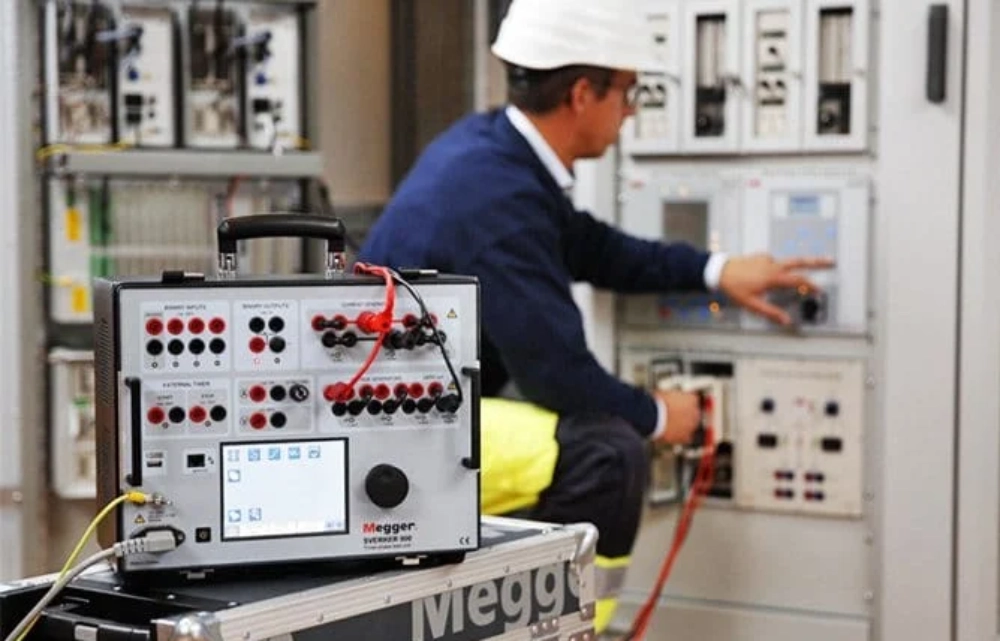
Testing procedures verify whether products meet electrical and mechanical requirements before reaching customers. A vpis voltage presence indicator manufacturer performs multiple evaluations during production and after assembly. Electrical tests usually include voltage response checks, insulation resistance tests, and signal accuracy verification. Environmental tests may examine temperature tolerance, humidity resistance, and mechanical durability. These procedures simulate real operating conditions and identify possible weaknesses. Testing equipment requires regular calibration to maintain measurement accuracy. Quality engineers record test results and compare them with technical specifications. Products that fail inspection receive further analysis before approval. Comprehensive testing improves reliability and helps industrial users reduce maintenance risks. Strong testing systems also demonstrate professional manufacturing capability in competitive electrical markets.
| Testing Type | Testing Purpose | Quality Benefit |
|---|---|---|
| Electrical Performance Test | Verify voltage detection accuracy | Ensures correct indication results |
| Insulation Test | Check dielectric protection capability | Improves operational safety |
| Environmental Test | Evaluate temperature and humidity resistance | Supports stable long-term usage |
| Mechanical Test | Confirm structural durability | Reduces damage during installation |
Production Process Management And Manufacturing Accuracy
Production management connects engineering designs with consistent manufacturing results. Factories use standardized workflows to control assembly accuracy and product quality. Workers follow detailed procedures for component installation, wiring connections, and performance verification. Automated equipment can improve production precision while reducing human errors during repetitive operations. Quality teams monitor key manufacturing points and identify process deviations quickly. The Voltage Presence Indicating System with Diagnosis OEM/ODM service requires advanced production control because customized solutions often involve different technical requirements. Experienced manufacturers organize production plans according to material availability, design specifications, and inspection schedules. Effective process management creates stable output quality. It also supports flexible customization while maintaining reliable performance across different application scenarios.
Quality Inspection Methods For Finished VPIS Products
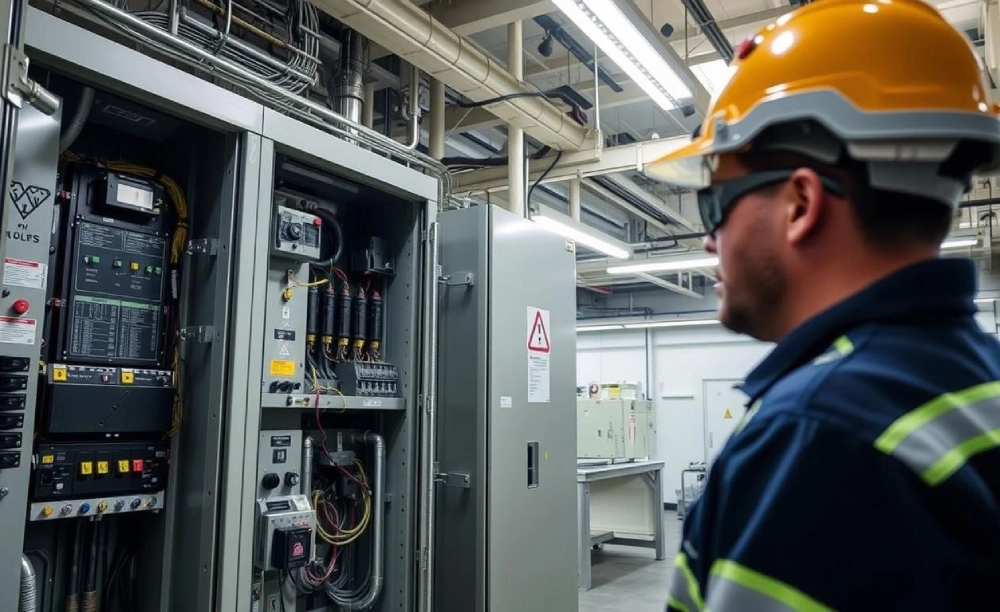
Finished product inspection represents the final quality checkpoint before shipment. Inspection teams examine appearance, electrical functions, and mechanical conditions according to established criteria. Visual checks identify surface defects, incorrect assembly, or labeling problems. Functional tests confirm that indicators respond correctly under specified voltage conditions. Mechanical inspections verify connection stability and structural integrity. Manufacturers often maintain inspection records for traceability and future quality improvement. These records help teams analyze production trends and prevent repeated issues. A professional inspection system protects customer interests and supports consistent product performance. Reliable final inspections also strengthen confidence among industrial buyers who require dependable components for critical electrical installations.
International Standards And Compliance Requirements For VPIS Products
Compliance with international electrical standards plays an important role in product reliability and market acceptance. Manufacturers evaluate design structures and testing procedures according to recognized industry requirements. Standards such as IEC specifications define safety expectations for electrical equipment, including insulation performance, operating conditions, and testing methods. A professional vpis voltage presence indicator manufacturer integrates these requirements into product development and quality management systems. Engineers review technical documents carefully and update production processes when standards change.
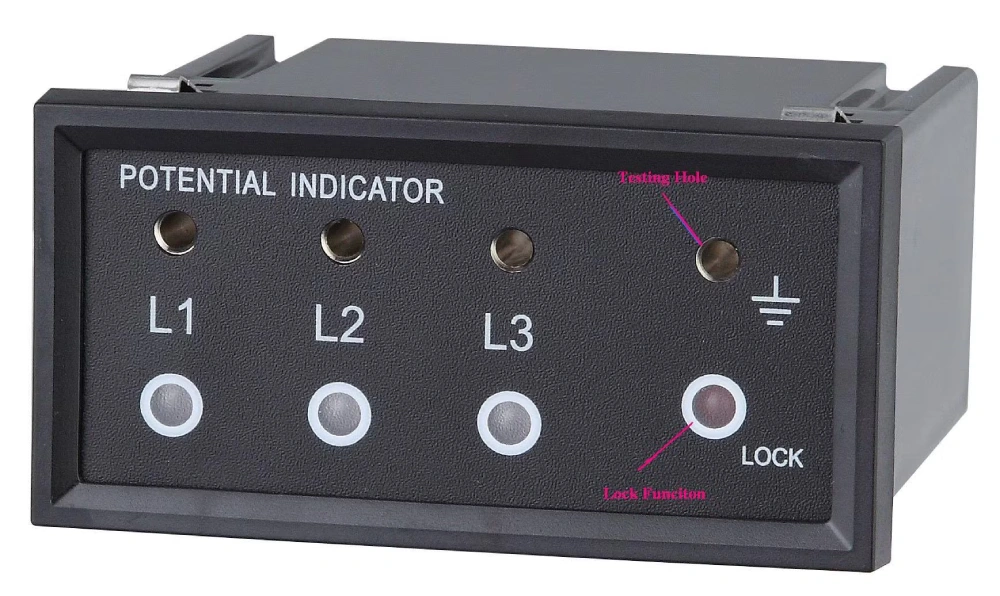
Certification preparation also requires detailed testing records and accurate documentation. These activities help manufacturers maintain stable quality levels while supporting different regional applications. Compliance management provides buyers with stronger confidence when selecting electrical components for switchgear projects.
Supplier Evaluation And Continuous Improvement Practices
Supply chain quality directly influences the final performance of voltage presence indicators. Manufacturers evaluate component suppliers through multiple criteria, including production capability, material consistency, and delivery reliability. Regular supplier reviews help identify potential risks before they affect manufacturing operations. Quality teams analyze incoming inspection results and communicate improvement requirements with suppliers. Continuous improvement programs also focus on production efficiency, testing accuracy, and technical upgrades. A reliable manufacturer does not only manage current quality standards but also improves processes through data analysis. These practices support long-term product stability and reduce unexpected quality issues. Effective supplier management creates a stronger manufacturing foundation and improves cooperation efficiency between different industrial partners.
Professional Quality Management Creates Reliable VPIS Solutions
The quality management process combines material control, engineering verification, production monitoring, and final inspection into one complete system. Each stage contributes to product reliability and operational safety. The following comparison shows how different quality activities support VPIS performance.
| Quality Stage | Main Activities | Expected Result |
|---|---|---|
| Design Management | Technical analysis, prototype evaluation, specification review | Improved product compatibility |
| Material Control | Supplier assessment, incoming inspection, component verification | Stable raw material performance |
| Production Control | Assembly monitoring, process checks, operator training | Consistent manufacturing quality |
| Final Verification | Electrical testing, appearance inspection, documentation review | Reliable delivery performance |
Professional quality management creates a connection between technical planning and practical product performance. Manufacturers analyze each production stage to maintain consistent results. Design teams focus on electrical safety, while production teams control manufacturing accuracy. Inspection departments provide objective evaluation through measurable testing data. This structured approach allows products to perform reliably in demanding switchgear environments. Quality systems also help companies respond to changing market requirements. When customers request special configurations, experienced teams can adjust processes without reducing reliability. Strong management practices demonstrate technical capability and create confidence among industrial users requiring dependable voltage indication solutions.
Quality Factors Buyers Should Consider Before Choosing A VPIS Supplier
Selecting a suitable supplier requires evaluation beyond product appearance and basic specifications. Buyers should review manufacturing experience, technical capability, and quality management methods. Important factors include:
- Production experience with medium voltage electrical components
- Testing equipment and inspection procedures
- Material selection standards and supplier control systems
- Compliance records and technical documentation
- Customization capability for different switchgear applications
These factors help buyers evaluate supplier reliability before cooperation. Production experience shows whether a manufacturer can handle complex technical requirements. Testing capability reflects the company’s ability to verify product performance. Material management indicates whether components can maintain stable quality. Compliance records demonstrate attention to industry requirements. Customization support becomes valuable when projects involve special installation conditions or different electrical configurations. A complete evaluation process reduces purchasing risks and supports long-term application stability.
Selecting A Reliable VPIS Voltage Presence Indicator Manufacturer
Choosing the right partner requires attention to technical strength, production management, and service capability. A reliable vpis voltage presence indicator manufacturer should provide consistent product quality through controlled processes and professional engineering support. Buyers often compare supplier backgrounds, manufacturing facilities, testing systems, and customization experience before making decisions. Clear communication also improves project efficiency because electrical applications usually involve detailed technical requirements. Manufacturers with strong quality systems can provide accurate product information and practical solutions for different switchgear designs. The Fixed Voltage Presence Indicating System represents one application example where stable indication performance remains essential. Careful supplier evaluation helps companies obtain products that match operational requirements and reduce future maintenance challenges.
Advanced Manufacturing Practices Support Long-Term Electrical Safety
Modern electrical industries require components with stable performance and predictable operation. Manufacturers continue improving production technologies, testing methods, and quality systems to meet higher expectations. Digital production records help teams monitor manufacturing information and identify improvement opportunities. Advanced inspection equipment provides more accurate performance evaluation.