How Does An Industrial Mechanical Program Lock Work?
Mechanical program lock working principle ensures controlled sequencing, safety interlocking, reliable automation performance.
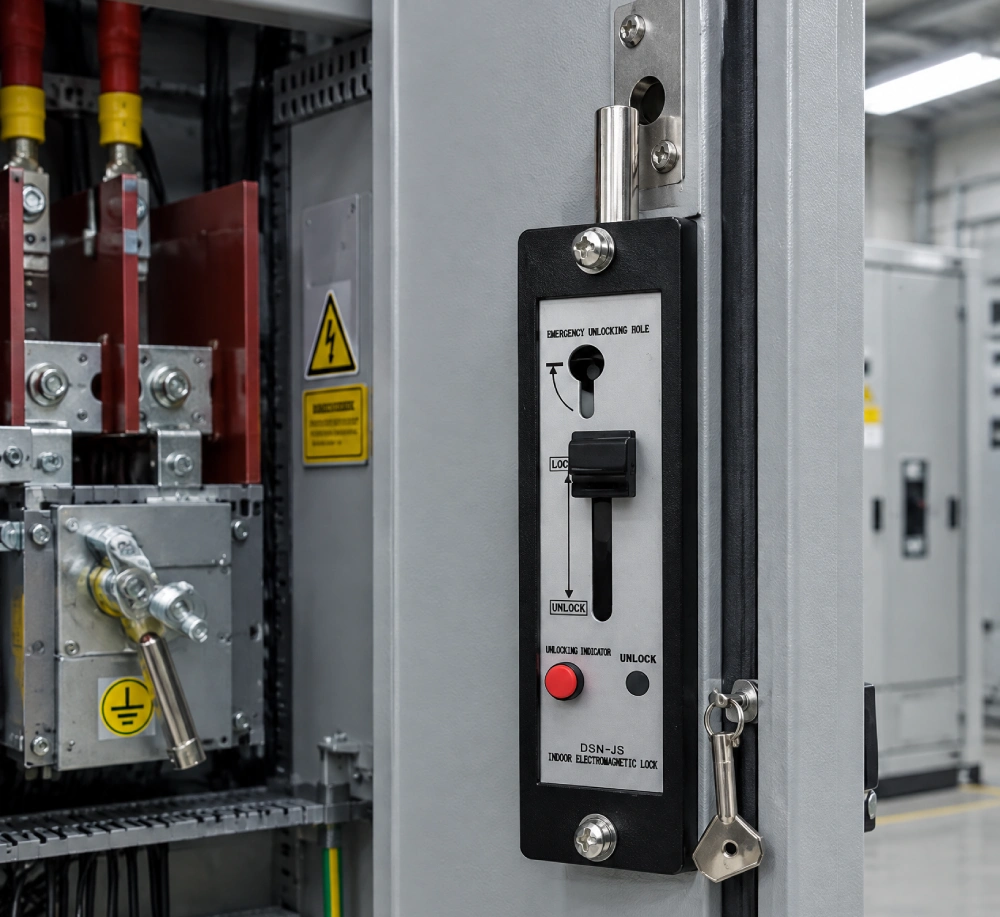
The mechanical program lock working principle defines how industrial systems control operations through physical sequencing rather than electronic logic. It relies on structured mechanical interactions to regulate machine states. Industrial environments require strict coordination between motion, safety, and timing. This locking method ensures that one operation must complete before another begins. It reduces dependency on electronic control units in harsh environments. Mechanical design improves resistance to electrical noise and software failure. Operators benefit from predictable and repeatable mechanical behavior. The system often integrates cams, pins, and interlocking plates. Each component contributes to controlled motion progression. This principle is widely used in heavy machinery and automated production lines. It ensures safety through physical constraint instead of programmable logic vulnerability.
Mechanical Program Lock Working Principle in Industrial Systems
The mechanical program lock working principle in industrial systems operates through sequential physical engagement of locking components. Each mechanical step must complete before the next stage is allowed to proceed.
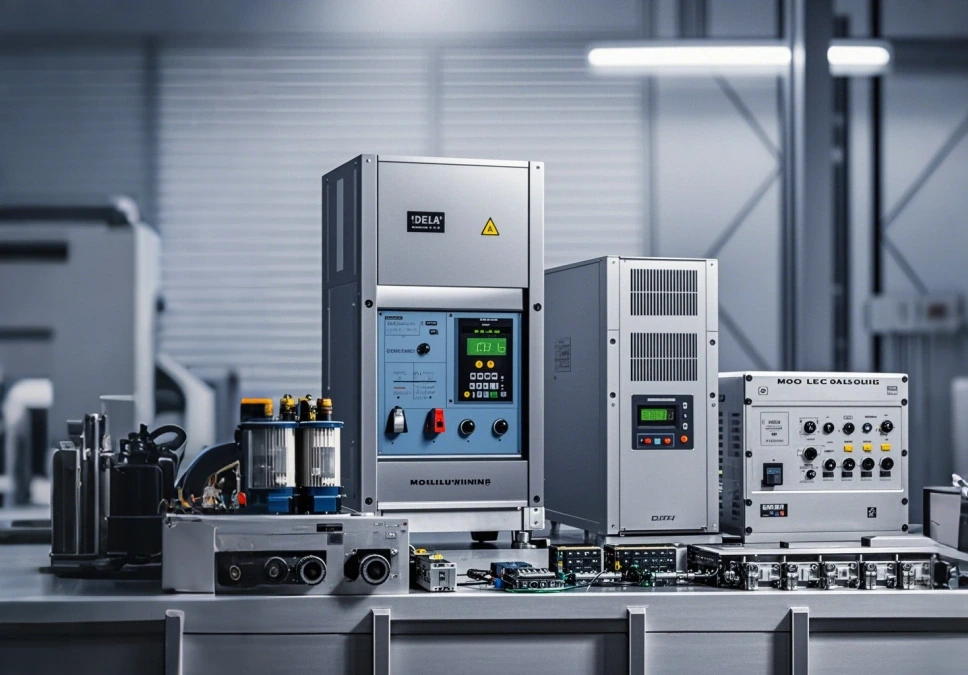
This ensures controlled machine operation without electronic dependency. Industrial equipment uses this structure to reduce operational risk in unstable environments. The system is commonly found in pressing machines and assembly lines. It prevents accidental activation of unsafe machine states. Mechanical sequencing improves reliability under vibration and dust exposure. Operators rely on tactile and positional feedback for confirmation. The locking structure ensures that incorrect sequences physically cannot occur. This creates a deterministic control environment based purely on mechanical logic. It also reduces maintenance complexity in remote industrial installations.
Mechanical Program Lock Working Principle: Internal Mechanisms and Structure
The mechanical program lock working principle: internal mechanisms and structure depend on precise alignment of cams, gears, and locking pins. These components interact in a fixed sequence to control motion progression. Each rotation or displacement triggers a defined mechanical response. This ensures that only correct operational steps are physically possible. The internal structure is engineered for high durability under repetitive stress. Hardened steel components reduce deformation over long cycles. Lubrication channels maintain smooth mechanical engagement. The system often includes detent positions that stabilize each operational stage. These positions act as checkpoints in the mechanical sequence. Misalignment automatically halts the process. This prevents cascading mechanical errors in industrial machinery systems.
Safety Standards and Engineering Design in Industrial Locks
Industrial lock systems must comply with strict engineering safety requirements. The mechanical program lock working principle is evaluated under multiple international standards. These standards ensure reliability, durability, and predictable mechanical behavior. Engineering design focuses on torque resistance and wear tolerance. Components must withstand continuous industrial loading cycles. Environmental resistance is critical in high humidity or dust-heavy facilities. Testing includes mechanical fatigue and vibration simulation. Design validation ensures consistent locking force across operating conditions.
| Standard | Focus Area | Engineering Requirement |
|---|---|---|
| ISO 286 | Dimensional tolerance | Precise fit between moving parts |
| ISO 898 | Mechanical strength | Load resistance under torque stress |
| IEC 60068 | Environmental testing | Vibration and temperature endurance |
These standards ensure consistent performance across industrial environments. They also reduce failure risks during long-term operation.
Key Functional Advantages of Mechanical Program Lock Systems
- High resistance to electrical interference
- Stable operation in harsh environments
- Reduced dependence on software control systems
- Long mechanical service life under heavy load
- Predictable sequencing behavior without digital error
The mechanical program lock working principle provides strong operational consistency through physical constraints. Each advantage results from mechanical determinism rather than electronic logic. Systems benefit from reduced downtime and simplified maintenance. Operators can visually verify system state through mechanical positioning. This improves diagnostic efficiency in field conditions. Mechanical locking also reduces cybersecurity exposure in automated systems. Industrial reliability increases due to fewer electronic failure points. Maintenance schedules are predictable based on wear cycles. This ensures stable production output over long operational periods.
Industrial Applications of Mechanical Program Lock Systems
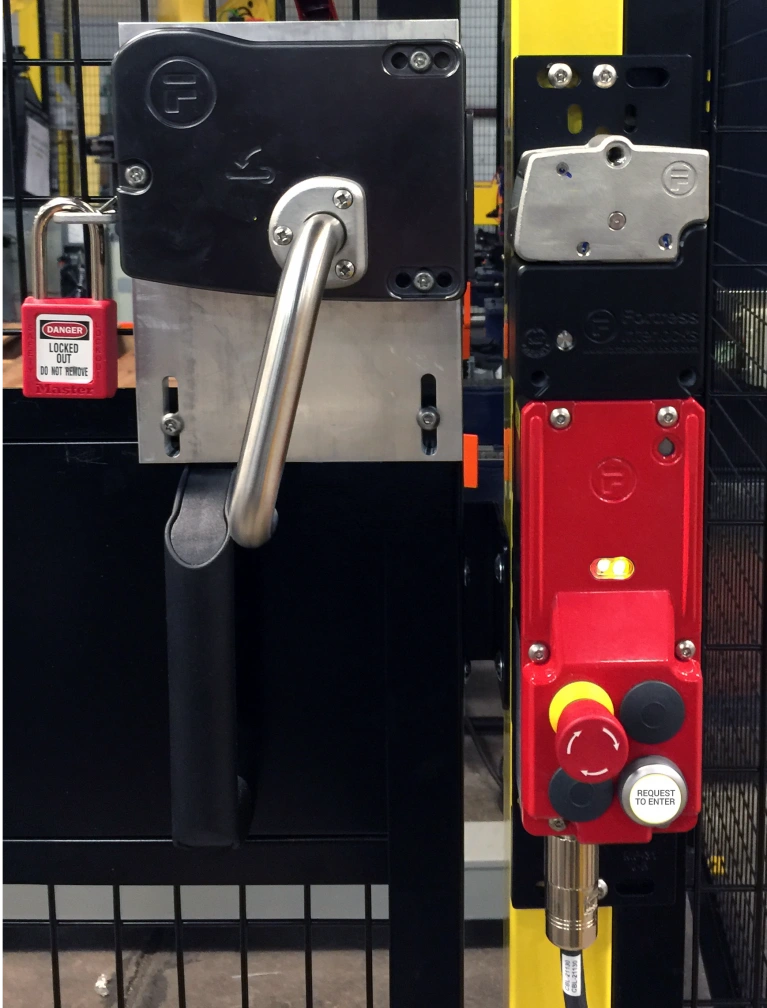
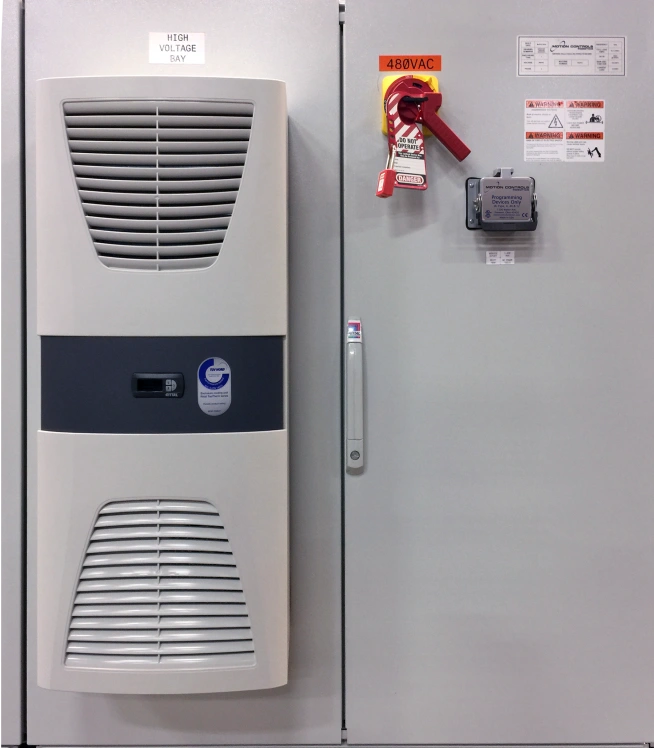
The mechanical program lock working principle is widely applied in industrial automation environments. Manufacturing plants use it for controlled sequencing in stamping and pressing machines. Heavy equipment relies on it for safety interlocks during high-force operations. Conveyor systems integrate mechanical locking for staged material handling. These applications require precise operational order. Mechanical systems ensure that incorrect sequences cannot physically occur. This reduces accident risks in production environments.
| Application Area | Function | Benefit |
|---|---|---|
| Press machines | Sequential operation control | Prevents premature activation |
| Assembly lines | Step-by-step process locking | Ensures production accuracy |
| Heavy machinery | Safety interlock control | Reduces operator risk |
These applications demonstrate how mechanical sequencing supports industrial safety. Each system relies on physical enforcement of operational order.
FAQ
What makes a mechanical program lock reliable in industrial systems?
A mechanical program lock is reliable because it depends on physical motion control rather than electronic signals. The mechanical program lock working principle ensures that each step is enforced by structural alignment. This removes risks caused by software errors or electrical noise. Components such as cams and locking pins maintain consistent mechanical engagement. Industrial environments often expose systems to vibration, dust, and temperature changes. Mechanical designs handle these conditions more effectively than digital systems. Material selection also improves long-term durability. Hardened metals reduce wear during repeated cycles. Operators can visually confirm system status through mechanical positions. This transparency improves operational confidence. Overall reliability comes from deterministic mechanical sequencing.
How does a mechanical program lock differ from electronic control systems?
A mechanical program lock differs from electronic systems by using physical movement instead of digital signals. The mechanical program lock working principle relies on direct mechanical sequencing. Electronic systems depend on sensors, controllers, and software logic. Mechanical systems operate without external power or programming. This makes them less vulnerable to electrical failure or cyber interference. Electronic controls offer flexibility but require complex maintenance. Mechanical locks provide fixed operational sequences with high stability. They are preferred in environments with harsh industrial conditions. Dust, vibration, and heat have less impact on mechanical components. Repair processes are also simpler due to fewer electronic parts. This creates a more robust control method for critical machinery.
What maintenance is required for long-term performance?
Maintenance for mechanical lock systems focuses on inspection, lubrication, and wear monitoring. The mechanical program lock working principle depends on smooth physical interaction between components. Regular lubrication prevents friction damage and reduces wear rates. Operators must check alignment of cams and locking pins.Any deformation can disrupt sequencing accuracy. Cleaning is important in dusty industrial environments. Accumulated particles may block mechanical movement. Scheduled inspections help identify early signs of fatigue. Replacing worn parts prevents system failure. Maintenance intervals depend on usage intensity and load conditions. Proper upkeep extends operational lifespan significantly. A well-maintained system maintains stable performance over long industrial cycles.