How Earthing Switch Controller Improves Electrical Safety?
Grounding switch controller safety improves electrical protection through fault isolation, operator safety and system reliability.

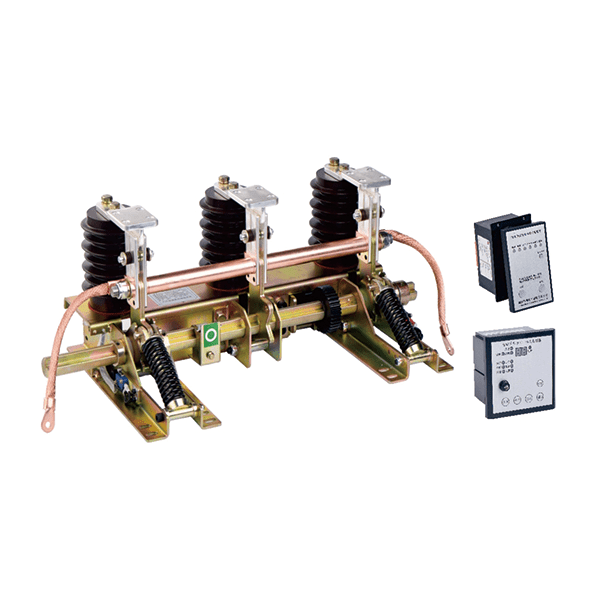
Grounding switch controller safety plays a central role in modern high-voltage protection networks. It ensures controlled energy discharge and stable grounding during fault conditions. Industrial systems rely on precise switching coordination to avoid catastrophic failures. Engineers design these systems to manage fault currents efficiently across substations and distribution grids. In large-scale electrical environments, grounding control reduces arc risks and improves operational stability. Protection relays work alongside switching units to isolate faults quickly. Safety objectives focus on protecting operators, minimizing equipment stress, and ensuring system continuity. Without structured grounding coordination, electrical systems face severe instability and unpredictable energy release patterns.
How Grounding Switch Controller Safety Enhances Fault Isolation and Operator Protection
Grounding switch controller safety improves fault isolation by coordinating switching sequences during abnormal voltage events. The system detects faults and triggers grounding paths to neutralize stored electrical energy. Engineers integrate mechanical interlocks to prevent accidental energization during maintenance cycles. Electrical interlocks also ensure that switching only occurs under safe conditions. Arc suppression techniques reduce thermal and electromagnetic hazards during disconnection. Operators benefit from predictable shutdown behavior that reduces exposure to live components. Safety workflows define strict sequences for isolation, grounding, and verification before maintenance begins. These coordinated processes significantly reduce accident probability in high-voltage environments.
| Safety Function | Operational Benefit |
|---|---|
| Fault Detection | Rapid isolation of energized circuits |
| Mechanical Interlocking | Prevents accidental switching errors |
| Arc Suppression | Reduces thermal and electrical hazards |
The table above illustrates how each protection function contributes to system stability and operational safety. Fault detection ensures immediate response during abnormal conditions. Mechanical interlocking enforces safe switching discipline across maintenance operations. Arc suppression reduces damage potential during disconnection events. Combined, these functions create a layered safety architecture that supports reliable industrial electrical performance.
Technical Architecture Behind Grounding Switch Controller Safety Performance
The technical architecture of grounding switch controller safety relies on integrated control logic and precision switching components. Internal mechanisms include high-strength conductive contacts designed for rapid energy transfer. Insulation systems prevent leakage currents during high-voltage operation. Control units process real-time electrical signals to determine safe switching conditions. Engineers design these systems to respond within milliseconds during fault detection scenarios. Integration with SCADA platforms allows centralized monitoring and remote operation. Communication protocols ensure accurate status updates across substations. This architecture supports both automation and manual override functions. Reliability depends on synchronization between hardware switching and digital control logic across complex electrical environments.
Grounding Switch Controller Safety in Industrial Power Distribution Systems
Grounding switch controller safety ensures stable performance in industrial distribution systems with heavy electrical loads. Substations use these systems to manage energy flow across transformers and feeder lines. In 3-phase networks, balanced grounding prevents phase instability during fault conditions. Manufacturing facilities depend on consistent electrical protection to avoid production interruptions. High-load environments increase fault risks, making controlled grounding essential for operational continuity. Engineers deploy structured switching logic to isolate affected segments without disrupting entire systems. Predictable grounding response reduces equipment stress and extends infrastructure lifespan. Industrial reliability depends heavily on precise control of energy discharge pathways during emergencies.
| Application Area | Protection Role |
|---|---|
| Substations | Fault isolation and grounding coordination |
| Manufacturing Plants | Operational continuity during faults |
| Distribution Networks | Load balancing and energy stabilization |
This table highlights how grounding systems support different industrial environments. Substations depend on precise isolation control for grid stability. Manufacturing plants rely on uninterrupted power protection for production efficiency. Distribution networks use grounding coordination to maintain balanced energy flow across connected loads.
Installation and Operational Practices for Grounding Switch Controller Safety
Grounding switch controller safety depends heavily on correct installation and operational discipline. Technicians must align grounding paths with system resistance specifications. Incorrect installation increases fault propagation risks across connected circuits. Calibration procedures verify switching response time and contact integrity. Commissioning tests evaluate system behavior under simulated fault conditions. Routine inspections ensure mechanical wear does not compromise switching reliability. Predictive maintenance tools analyze performance trends to prevent unexpected failures. Operators follow strict safety protocols during manual intervention processes. Training programs reinforce correct switching sequences and emergency response actions. These practices ensure long-term operational stability in high-voltage environments.

Grounding Switch Controller Safety Failure Modes and Risk Control Strategies
Grounding switch controller safety systems can experience failure modes that affect operational reliability. Mechanical wear may reduce contact precision over long-term usage. Insulation degradation increases leakage current risks under high voltage. Electrical surges create transient stress that impacts switching components. Engineers address these risks through redundant protection layers and backup switching paths. Monitoring systems detect early warning signals before failures escalate. Emergency shutdown protocols isolate affected sections quickly to prevent system-wide disruption. Risk control strategies focus on predictive maintenance and continuous performance evaluation. These measures ensure system resilience under extreme electrical stress conditions.
Economic and Reliability Impact of Grounding Switch Controller Safety Systems
Grounding switch controller safety systems deliver significant economic benefits by reducing downtime and equipment damage. Reliable fault isolation minimizes repair costs across industrial infrastructures. Efficient switching control extends transformer and switchgear lifespan. Organizations achieve higher return on investment through reduced operational interruptions. Lifecycle performance improves due to lower mechanical stress on electrical components. Predictable maintenance cycles reduce unexpected repair expenses. System reliability enhances production continuity in energy-intensive industries. Long-term infrastructure planning benefits from stable and controlled electrical protection strategies.
FAQ
What is the main function of a grounding switch controller in safety systems?
Grounding switch controller safety ensures controlled discharge of electrical energy during fault or maintenance conditions. The system isolates energized circuits and directs residual current safely into the ground. Engineers design it to prevent accidental energization of equipment. This function protects both operators and infrastructure from electrical hazards. In industrial environments, it maintains system stability during switching operations. It also supports coordinated operation with protection relays and monitoring systems. Reliable grounding control reduces arc formation risks and ensures predictable shutdown sequences. Overall, it acts as a critical safety layer in high-voltage electrical networks.
How does grounding switch controller safety prevent electrical accidents during maintenance?
Grounding switch controller safety prevents accidents by enforcing strict isolation and grounding sequences before maintenance begins. Mechanical interlocks block unintended switching actions during service operations. Electrical interlocks verify system status before allowing grounding activation. The controller ensures all residual energy is safely discharged before human access. Operators follow structured procedures that minimize exposure to live conductors. Arc suppression technology reduces sudden energy release during switching transitions. These combined mechanisms significantly reduce accident probability. Maintenance teams benefit from predictable and secure working conditions in complex electrical environments.
What standards regulate grounding switch controller safety in industrial applications?
Grounding switch controller safety follows internationally recognized electrical standards to ensure consistent performance and protection. IEC 62271 series defines requirements for high-voltage switchgear and controlgear, including insulation coordination, short-circuit making capacity, and mechanical endurance testing. IEEE C37 standards specify detailed procedures for high-voltage switching performance verification, dielectric testing, and fault interruption behavior in power systems. NEMA SG guidelines regulate enclosure protection levels, environmental sealing performance, and corrosion resistance for industrial electrical equipment. These standards ensure compatibility across global industrial systems. Compliance also guarantees predictable operational behavior under fault conditions. Manufacturers must validate performance through standardized testing protocols. Regulatory alignment enhances safety, reliability, and interoperability across electrical infrastructure networks.