What Is The Main Function Of A Grounding Switch Controller?
Earthing switch controller operation in high-voltage systems ensures safe grounding, fault isolation, and reliable switchgear protection.
Earthing switch controller operation plays a critical role in modern electrical power systems by ensuring safe grounding during maintenance and fault isolation. The system coordinates mechanical switching with electrical control logic to prevent hazardous energization of circuits. Engineers rely on this mechanism to protect operators and equipment in high-voltage environments. Stable grounding conditions reduce arc risks and improve system reliability. Industrial substations and distribution networks depend on this function for operational continuity. Proper execution of switching sequences ensures energy discharge paths are controlled. Safety interlocking prevents accidental closure under load conditions. This function forms a core part of switchgear protection architecture in utility-grade infrastructure.
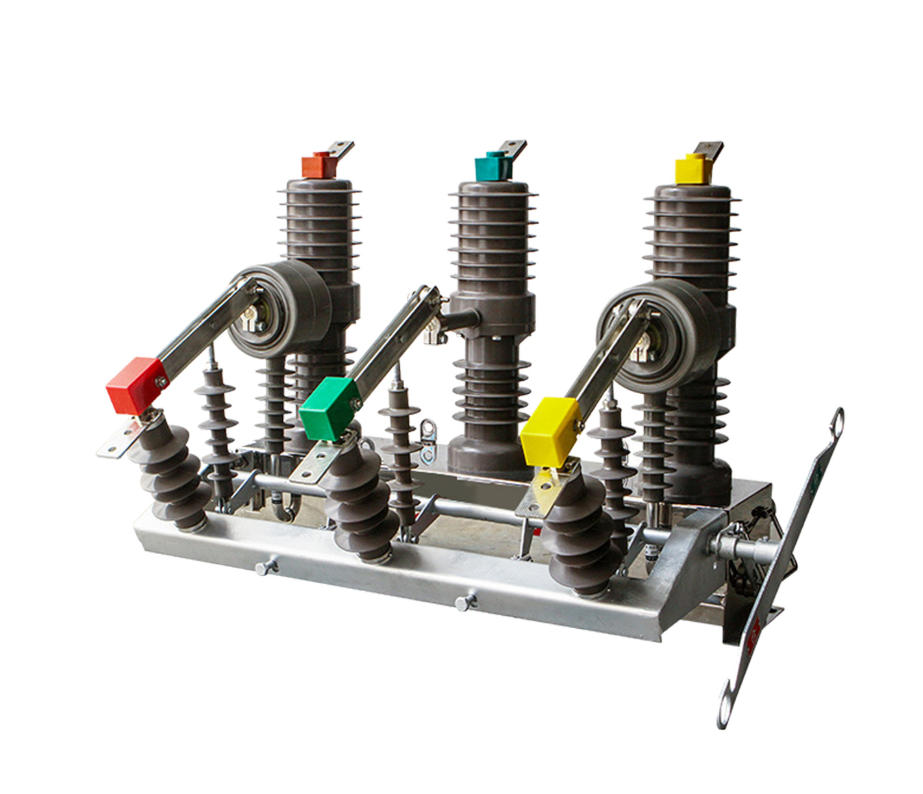
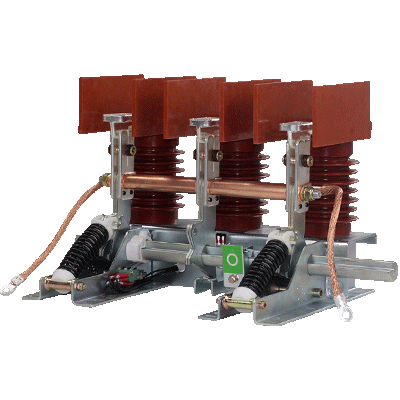
Core Control Principles Of Earthing Switch Controller Operation In Switchgear Systems
Control logic in earthing switch controller operation is based on electrical interlocking and feedback verification. Signals from protection relays determine whether grounding is permitted. Mechanical and electrical coordination ensures precise switching timing under defined conditions. Position sensors confirm open or closed states before execution. Engineers design logic circuits to avoid conflicting commands during operation. Real-time monitoring enhances system responsiveness in fault scenarios. Redundant safety channels are often used in critical installations. This structured control approach reduces human error and improves operational consistency. System architecture prioritizes safe isolation before any maintenance activity begins. Each control step follows a defined electrical sequence to ensure stability.
Operational Mechanism Of Grounding Switch Control In Industrial Applications
Operators typically follow a structured sequence when engaging grounding systems in industrial environments. Remote or manual commands initiate the switching cycle. Confirmation signals verify circuit de-energization before grounding begins. Mechanical drives activate the earthing blades to establish a low-resistance path. Feedback indicators confirm completion of each stage. Alarm systems trigger if abnormal conditions are detected. Coordination with protection relays ensures safe timing between disconnect and grounding actions. System logs record every operation for maintenance tracking. These steps maintain operational transparency and improve system diagnostics. Proper sequencing minimizes switching stress and reduces mechanical wear across long-term usage.
Common Functions In Grounding Switch Control Systems
Grounding switch controllers integrate multiple functional layers to ensure safe operation in complex electrical environments.
- Electrical interlock verification before switching
- Real-time position feedback monitoring
- Remote and manual control switching modes
- Fault detection and alarm signaling
- Mechanical drive coordination with control logic
- System state logging and diagnostics
Each function contributes to overall system reliability and operational safety. Coordination between these elements ensures controlled energy discharge and prevents unintended energization. Engineers design these functions to comply with industrial safety expectations and grid stability requirements.
Technical Performance Parameters Of Earthing Switch Controller Operation Systems
| Parameter | Typical Range | Function Impact |
|---|---|---|
| Operating Voltage | 1kV to 40.5kV | Defines system application level |
| Switching Time | 0.5 to 3 seconds | Affects fault isolation speed |
| Mechanical Life Cycle | 10,000+ operations | Ensures long-term reliability |
| Insulation Level | Up to 125kV impulse | Prevents dielectric failure |
This performance structure defines operational boundaries for grounding systems in industrial environments. Voltage tolerance determines application suitability across substations and distribution grids. Switching speed directly influences system protection efficiency during fault conditions. Mechanical endurance ensures long service life under repeated operations. Insulation capability protects against transient overvoltage events. Engineers evaluate these parameters during system design and commissioning phases. Reliable performance depends on maintaining each parameter within defined thresholds.
Functional Design Elements Of Earthing Switch Controller Operation Mechanisms
Design structure in grounding systems includes multiple integrated mechanical and electrical components. Each element contributes to safe and accurate switching performance. Control relays manage signal transmission between protection units and actuators. Position indicators provide visual and digital confirmation of switch state. Drive mechanisms convert electrical commands into mechanical movement. Interlocking modules prevent unsafe switching sequences under load conditions. These elements work together to ensure operational coordination. System design emphasizes redundancy and fault tolerance. Engineers prioritize durability and precision in component selection. Proper integration improves long-term reliability and reduces maintenance frequency.
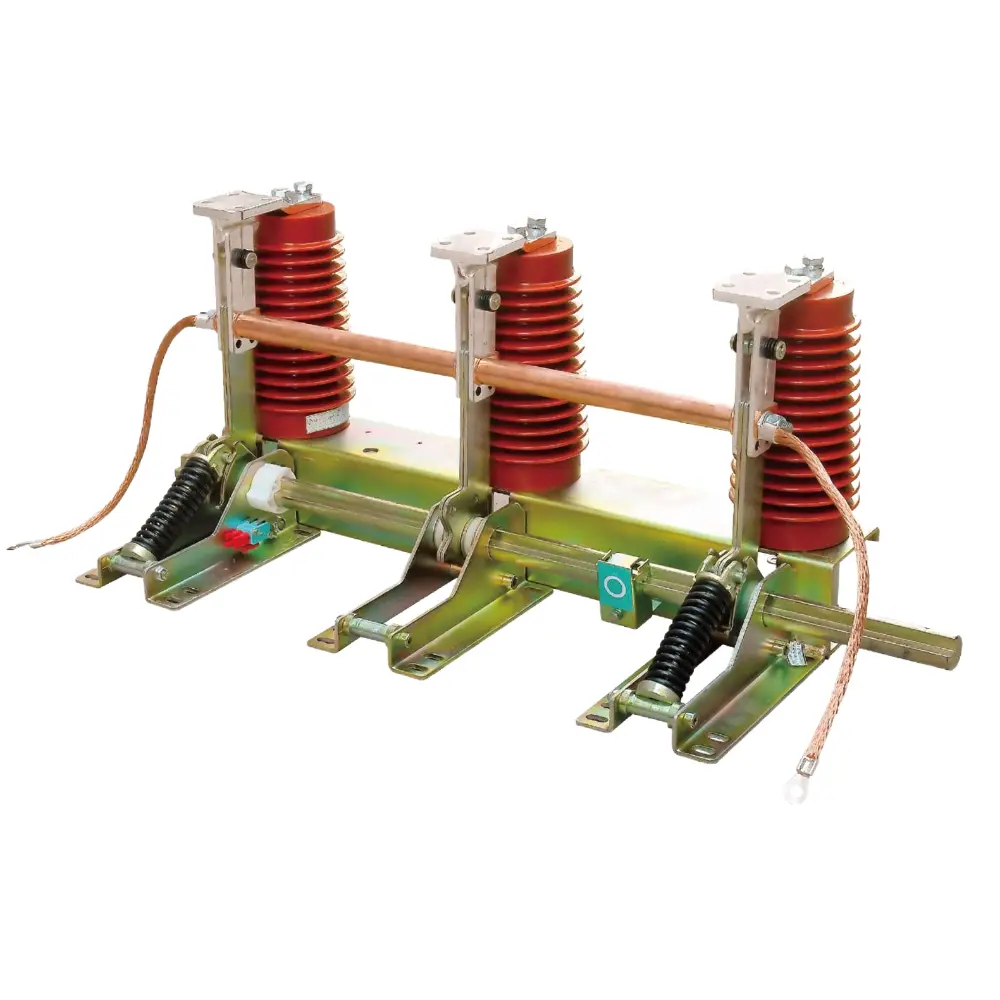
System Architecture Table For Grounding Switch Control Components
| Component | Function | Operational Role |
|---|---|---|
| Control Relay Unit | Signal processing | Initiates switching commands |
| Drive Mechanism | Mechanical actuation | Moves grounding blades |
| Position Sensor | State detection | Confirms switch status |
| Interlock System | Safety control | Prevents unsafe operation |
This architecture ensures coordinated interaction between electrical and mechanical subsystems. Control relay units serve as decision interfaces between monitoring systems and actuators. Drive mechanisms execute physical switching actions under controlled conditions. Position sensors provide continuous state feedback for system verification. Interlock systems enforce safety rules during all operational phases. Integration of these components improves fault tolerance and operational stability. System designers focus on minimizing latency between command and execution stages.
Earthing Switch Controller Operation In Industrial Power Distribution Applications
Industrial environments rely heavily on grounding systems for safe maintenance and fault handling. Substations use these controllers to isolate energized equipment before servicing begins. Renewable energy plants integrate grounding systems to stabilize inverter and transformer operations. Heavy manufacturing facilities depend on controlled grounding for equipment protection. SCADA integration enables remote monitoring and control across distributed networks. Engineers prioritize fast response and high reliability in these environments. Proper grounding reduces arc flash risk and equipment damage. System coordination ensures uninterrupted power flow in unaffected sections of the grid.
List Of Common Industrial Use Cases
Grounding switch controllers are widely used across multiple sectors where electrical safety is critical.
- High-voltage substation maintenance isolation
- Transformer protection during servicing
- Wind and solar grid integration systems
- Industrial plant fault isolation procedures
- Power transmission line safety grounding
Each application requires precise coordination between protection systems and switching logic. Reliability is essential in preventing operational disruptions. Proper implementation enhances safety across all stages of electrical system management.
Comparative Analysis Of Control Modes In Earthing Switch Controller Operation Systems
Operational modes vary depending on system design and application requirements. Manual control is typically used in localized maintenance environments. Remote control integrates with digital monitoring systems for centralized operation. Automated systems reduce human intervention and improve switching accuracy. Manual systems offer direct operator oversight during complex maintenance tasks. Remote systems enhance safety by allowing control from secure locations. Automated logic reduces response time during fault conditions. Each mode has advantages depending on operational context. Engineers select control strategies based on system scale and risk level.
Key Performance Comparison Table For Control Modes
| Control Mode | Response Speed | Safety Level | Application Suitability |
|---|---|---|---|
| Manual | Medium | Moderate | Local maintenance |
| Remote | Fast | High | Substation control |
| Automated | Very fast | Very high | Smart grid systems |
This comparison highlights differences in operational efficiency and safety performance. Automated systems provide superior speed and reduced human dependency. Remote systems balance safety and operational control effectively. Manual systems remain useful for direct intervention scenarios. Selection depends on infrastructure complexity and risk assessment. Engineers evaluate lifecycle cost and reliability before deployment decisions.
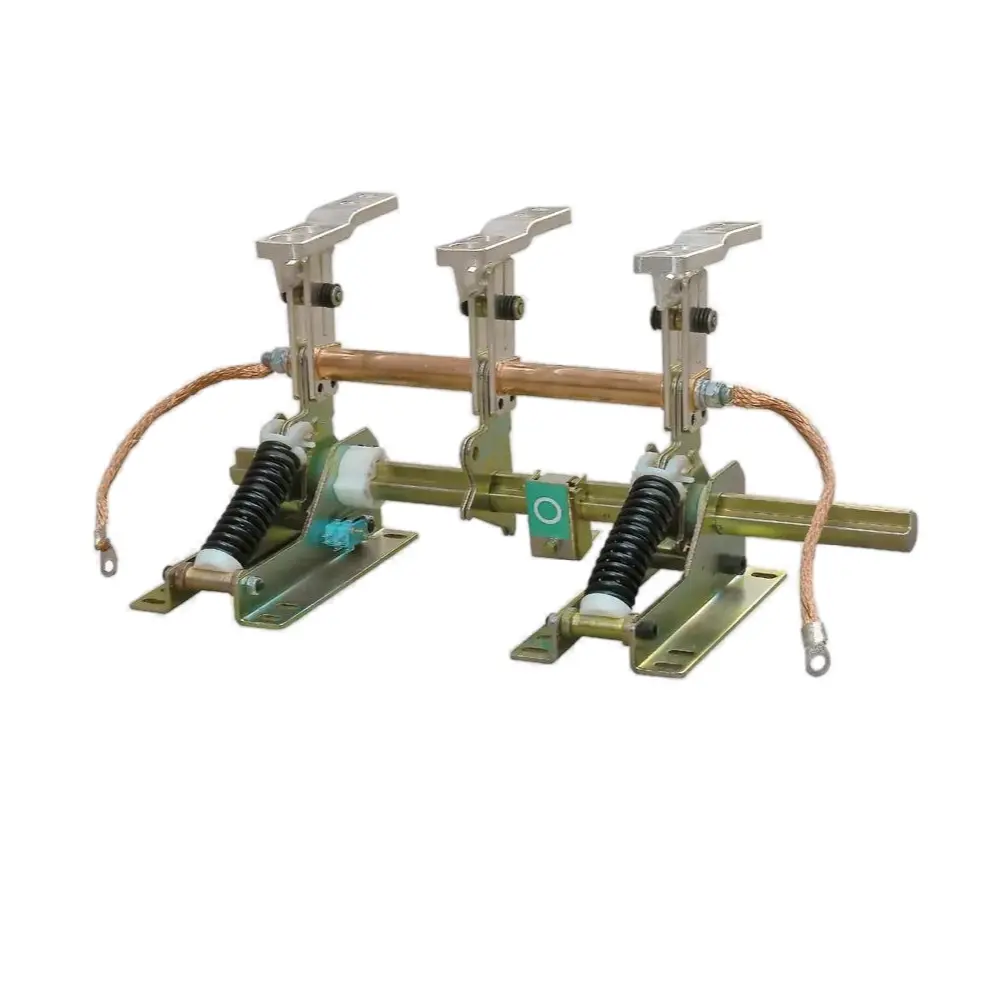
Earthing Switch Controller Operation In Modern Smart Grid Development
Modern power systems increasingly integrate digital monitoring and intelligent control systems. Advanced grounding systems support real-time diagnostics and predictive maintenance. Communication protocols enable synchronization with grid-wide protection schemes. Data analytics improve fault prediction accuracy and operational planning. Compact controller designs support space-constrained installations. Modular architecture allows flexible system upgrades. Cyber-secure communication channels protect control integrity. Engineers focus on enhancing automation while maintaining mechanical reliability. These advancements improve overall grid resilience and operational efficiency.
FAQ
A grounding switch controller ensures safe isolation of electrical circuits in substations during maintenance or fault conditions. It coordinates mechanical switching with electrical control logic to establish a secure grounding path. This prevents accidental energization of equipment and protects maintenance personnel. The system confirms de-energization before grounding actions occur. It also integrates with protection relays and monitoring systems. In large substations, coordination between multiple controllers ensures grid stability. Reliable operation reduces downtime and enhances safety across high-voltage infrastructure. Proper functioning is essential for maintaining operational continuity in power transmission and distribution networks.
How Does Earthing Switch Controller Operation Improve Electrical Safety?
Earthing switch controller operation improves safety by ensuring controlled discharge of residual electrical energy. It prevents accidental switching under load conditions through interlocking mechanisms. Feedback systems confirm switch position before and after operation. This reduces arc flash risks and equipment damage. Remote operation capability allows personnel to stay away from hazardous zones. Integration with protection relays ensures accurate fault isolation. Mechanical and electrical coordination reduces operational errors. These safety features collectively enhance system reliability. Proper design ensures compliance with industrial safety standards in high-voltage environments.
What Standards Govern Grounding Switch Controller Design And Usage?
Grounding switch controller systems are governed primarily by IEC 62271 and IEEE C37 standards. IEC 62271 defines requirements for high-voltage switchgear and controlgear safety performance. IEEE C37 outlines testing procedures and operational reliability benchmarks for electrical switching devices. These standards regulate insulation levels, mechanical endurance, and switching performance. Compliance ensures interoperability across global power systems. Manufacturers must conduct type testing and routine verification. Standards also define environmental performance under temperature and humidity variations. Adherence ensures long-term operational stability and safe integration into industrial electrical networks.