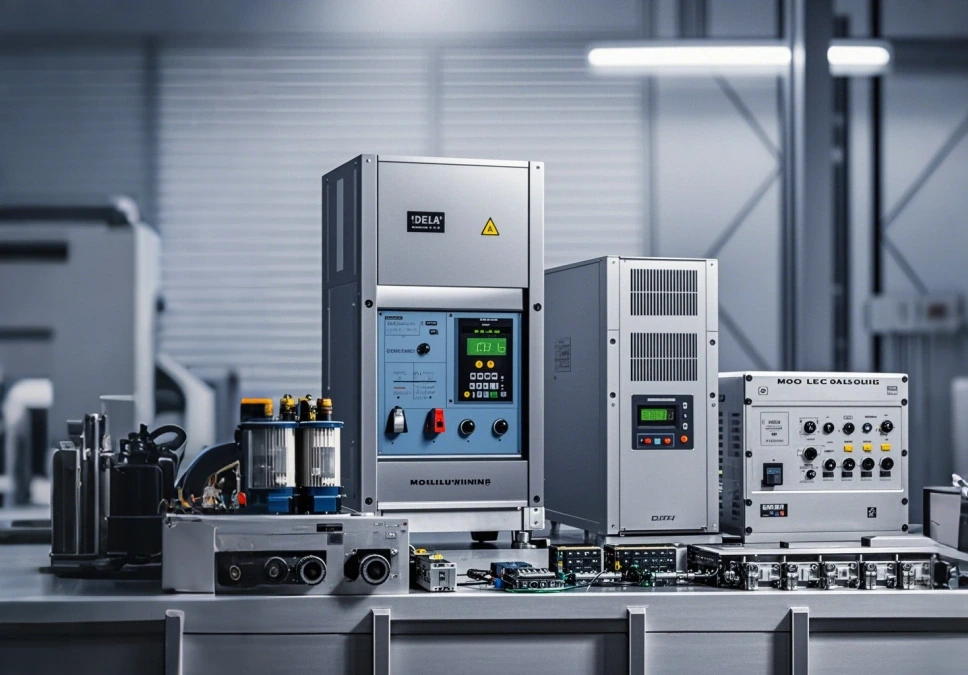
How Material Quality Affects Electromagnetic Lock Performance
Electromagnetic lock materials affect durability, magnetic force, heat resistance, and reliability through advanced material selection.
How Material Quality Influences Electromagnetic Lock Reliability
Material selection directly affects electromagnetic lock performance in industrial access control systems. High quality components improve magnetic force, electrical stability, and operational durability. Indoor electromagnetic interlock materials play an important role in maintaining reliable locking functions for equipment rooms, control cabinets, and safety protection systems. Manufacturers evaluate material properties carefully because every component affects the final product performance. Magnetic cores, copper coils, protective housings, and mechanical parts must work together with precise compatibility. Poor material choices can create overheating, reduced holding force, and shorter service life. Reliable material engineering helps electromagnetic locks achieve stable operation under repeated cycles and demanding indoor environments.
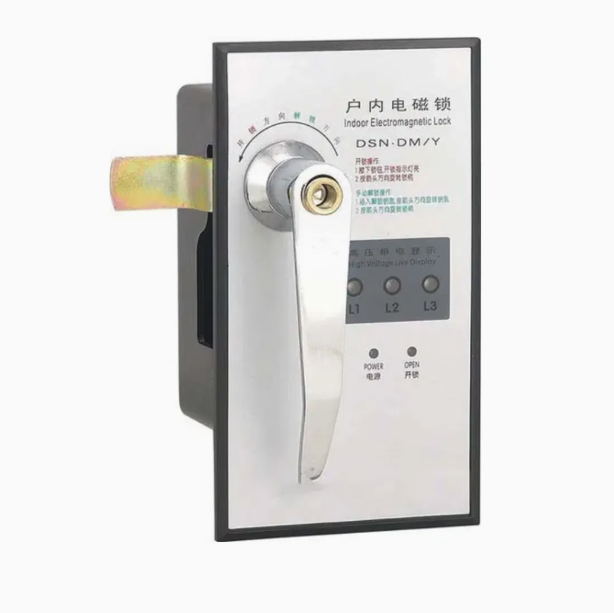
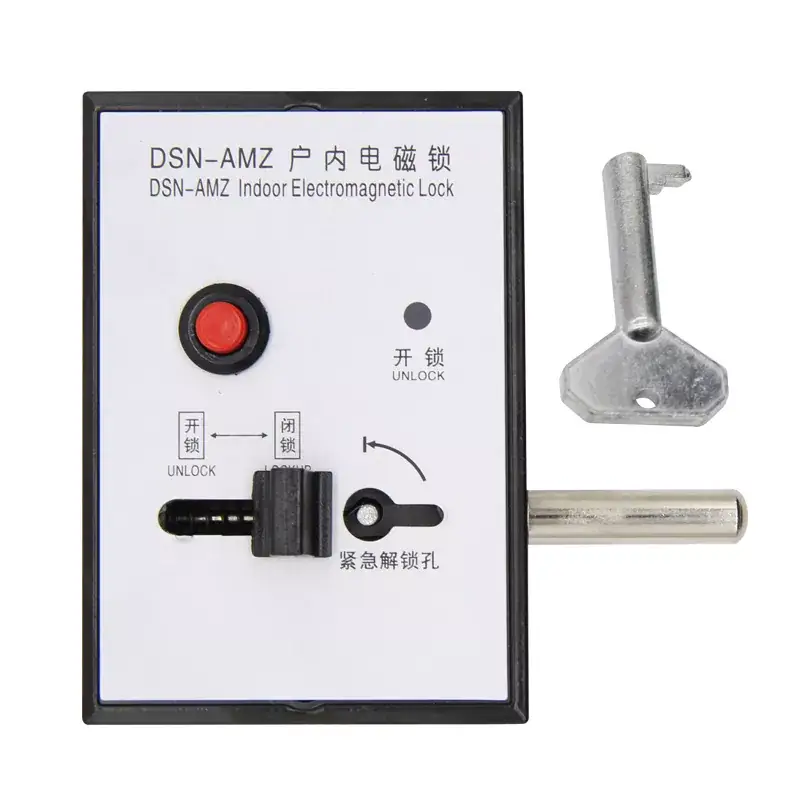
Key Material Factors in Indoor Electromagnetic Interlock Materials Selection
Indoor electromagnetic interlock materials include multiple components that determine overall device quality. Magnetic cores require high permeability materials to create efficient electromagnetic fields. Copper coils need excellent conductivity to reduce energy loss and heat generation. Housing materials must provide mechanical protection while maintaining structural stability. Internal springs and moving parts also require suitable alloys to prevent fatigue after long operation periods. Engineers normally compare material strength, thermal resistance, corrosion resistance, and manufacturing consistency before selecting components. These factors directly influence locking force and response accuracy. Careful material selection supports safer equipment operation and reduces maintenance requirements in industrial applications.
| Component | Common Material | Performance Effect |
|---|---|---|
| Magnetic Core | High permeability iron alloy | Improves magnetic efficiency and holding force |
| Coil Wire | High purity copper | Reduces resistance and controls heat generation |
| Housing | Stainless steel or aluminum alloy | Provides protection and mechanical strength |
| Spring Components | Elastic alloy steel | Maintains repeated movement reliability |
How Magnetic Core Materials Affect Locking Force and Stability
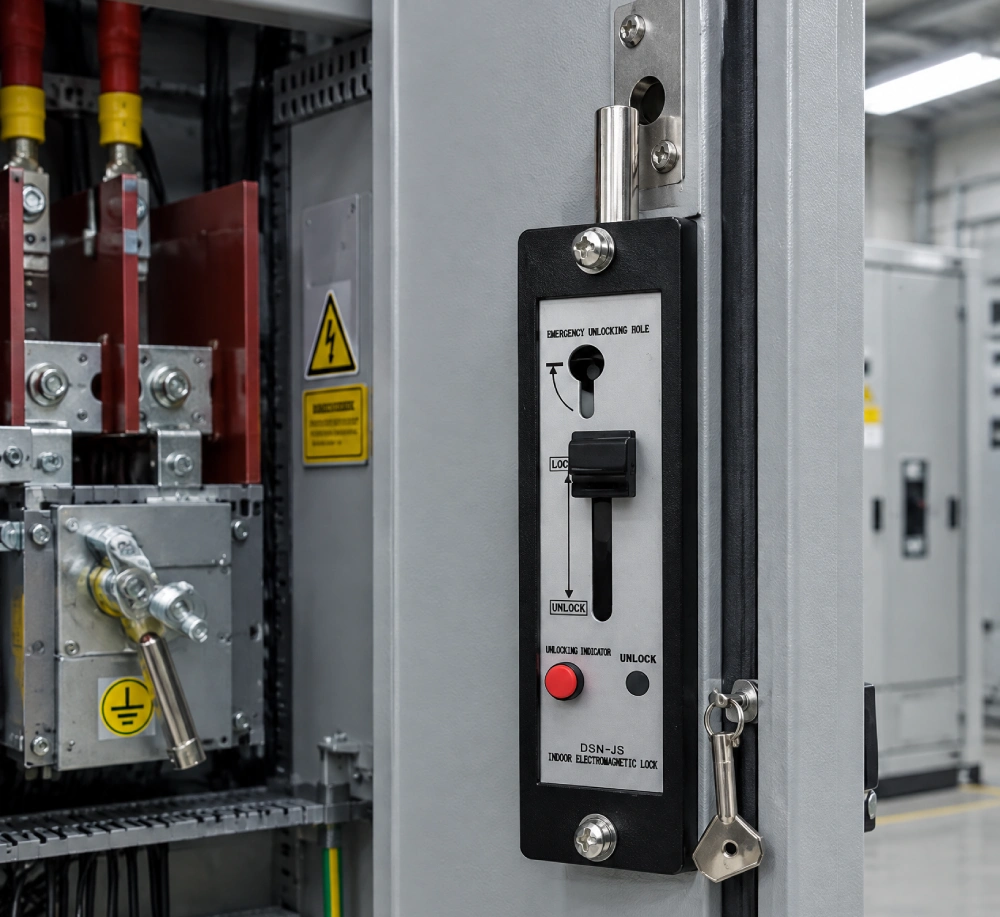
Magnetic core quality determines how efficiently an electromagnetic lock converts electrical energy into magnetic force. High permeability materials allow magnetic fields to pass through the core with lower energy loss. Manufacturers often select specialized iron alloys because they provide balanced magnetic performance and thermal stability. Poor core materials may create weak attraction force and inconsistent locking results. The processing method also influences performance because surface treatment and machining accuracy affect magnetic pathways. DSN-JK Active Electromagnetic Lock for Switchgear uses carefully selected internal components to support stable locking operations in switchgear applications. Proper core design ensures reliable performance during frequent opening and closing cycles.
Coil and Conductive Material Quality Determines Electrical Efficiency
The coil system is another important factor affecting electromagnetic lock efficiency. Copper wire quality directly influences electrical resistance, operating temperature, and energy consumption. High purity copper provides better conductivity because electrons move through the material with fewer restrictions. Insulation layers around the wire also require strong thermal resistance to prevent breakdown during continuous operation. Manufacturers must control wire diameter, winding density, and insulation thickness to achieve consistent electrical performance. Suitable conductive materials help maintain stable electromagnetic output while reducing unnecessary power waste. These design factors become especially important for systems that require long working periods without frequent maintenance.
Indoor Electromagnetic Interlock Materials and Housing Protection Performance
The external housing protects internal electromagnetic components from physical damage and environmental influence. Indoor electromagnetic interlock materials used for housing structures often include stainless steel, aluminum alloys, and reinforced engineering plastics. Stainless steel offers excellent strength and corrosion resistance, while aluminum provides lightweight construction and effective heat dissipation. Engineering plastics can reduce production costs while maintaining electrical insulation properties. The correct housing material depends on installation conditions, mechanical requirements, and expected service life. DSN-WY-M1 Passive Electromagnetic Lock with Indicator combines functional design with reliable structural materials to support safe equipment access management.
| Housing Material | Main Advantages | Suitable Conditions |
|---|---|---|
| Stainless Steel | High strength and corrosion resistance | Industrial cabinets and harsh environments |
| Aluminum Alloy | Lightweight and good heat dissipation | Compact equipment installations |
| Engineering Plastic | Electrical insulation and flexible design | Indoor control systems |
Manufacturing Standards Improve Electromagnetic Lock Material Consistency
Material quality depends not only on selection but also on manufacturing control. Professional production processes include incoming material inspection, precision machining, electrical testing, and assembly verification. Manufacturers check magnetic properties, wire resistance, component dimensions, and surface quality during production. These inspections reduce performance differences between individual units. Consistent manufacturing helps electromagnetic locks maintain predictable operating characteristics across different applications. Quality management systems also improve traceability because suppliers can identify material sources and production conditions. Reliable production methods create stronger confidence for industries that depend on stable safety equipment and long-term operational performance.
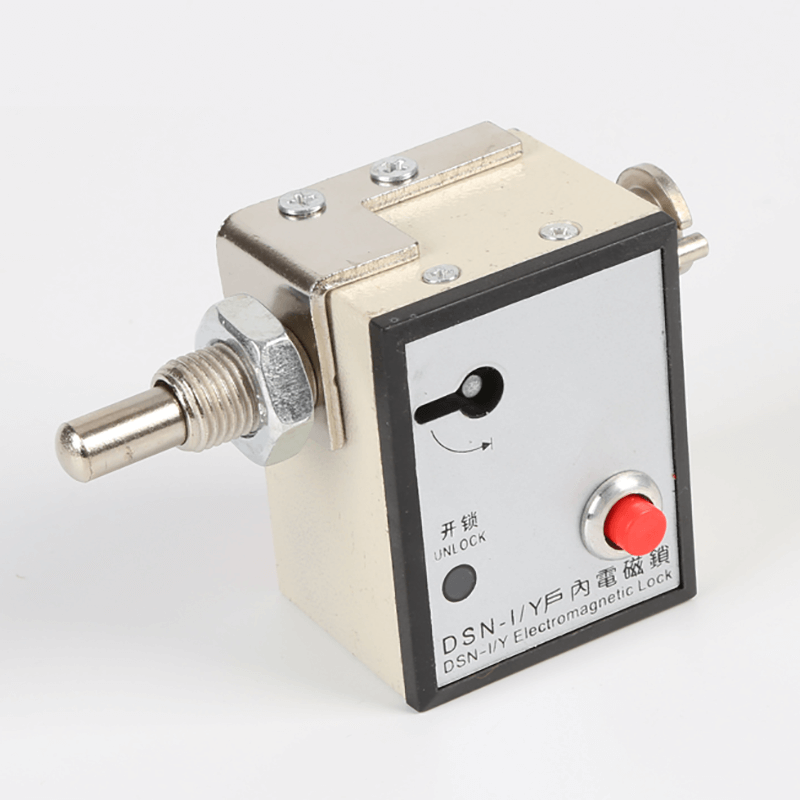
Factors to Consider When Choosing High Quality Electromagnetic Lock Materials
Selecting suitable electromagnetic lock materials requires evaluation of technical and practical requirements. Buyers should consider several important factors before making purchasing decisions:
- Material certification and supplier quality control records.
- Operating temperature range and environmental conditions.
- Electrical specifications including voltage and power consumption.
- Mechanical strength and expected operating cycles.
- Maintenance requirements and replacement availability.
These evaluation points help users select products that match their equipment needs. Material certification provides information about component reliability, while operating conditions determine suitable structural choices. Electrical specifications prevent compatibility problems during installation. Mechanical durability reduces unexpected failures caused by repeated operation. A complete evaluation process creates better long-term value and improves system safety.
Why Premium Materials Extend Electromagnetic Lock Service Life
Premium materials provide advantages that influence the entire service period of electromagnetic locking systems. Strong magnetic materials maintain stable attraction force after thousands of operating cycles. High quality copper coils reduce heat accumulation and improve electrical efficiency. Durable housings protect internal structures from impact and contamination. These improvements lower failure risks and reduce maintenance frequency. Engineers also consider thermal expansion, material fatigue, and aging resistance when developing reliable products. A well-designed electromagnetic lock depends on cooperation between multiple materials rather than a single component. Careful material engineering supports safer access control and dependable equipment protection.
FAQ
What materials are commonly used in electromagnetic locks?
Electromagnetic locks usually combine several specialized materials to achieve stable performance. Magnetic cores often use iron-based alloys with strong magnetic permeability. Coil systems normally use high purity copper wire because copper provides excellent electrical conductivity. Protective housings may use stainless steel, aluminum alloy, or reinforced plastic depending on application requirements. Internal mechanical components require durable metal alloys that can handle repeated movement. Each material serves a specific purpose, including magnetic efficiency, heat control, structural protection, and long service life. Proper material selection helps electromagnetic locks maintain reliable operation in industrial environments.
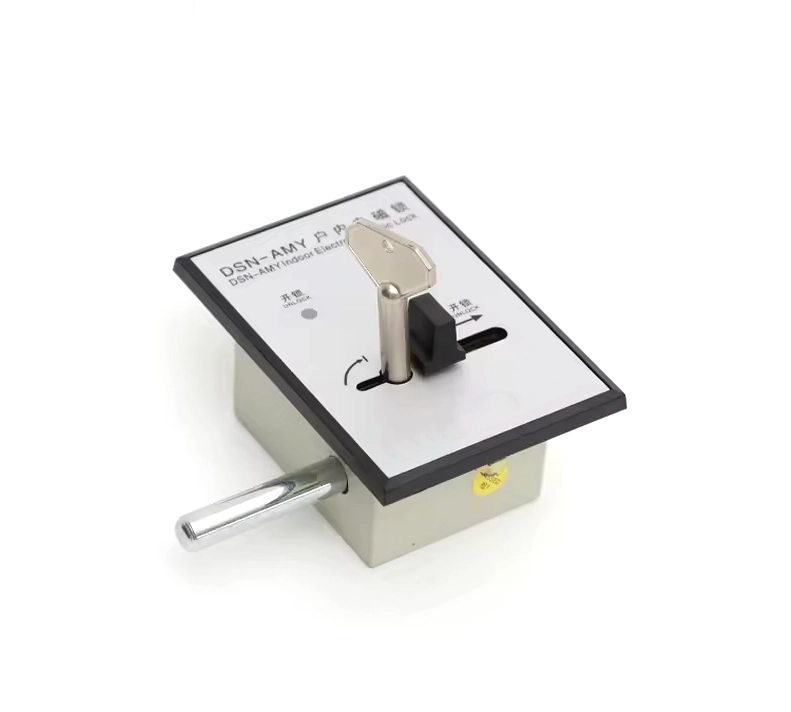
How To Find Quality DSN Electromagnetic Lock Wholesale?
Finding quality DSN electromagnetic lock wholesale products requires careful evaluation of materials, manufacturing standards, and supplier reliability. Buyers should review magnetic core quality, coil construction, housing materials, and mechanical components before placing bulk orders. Product specifications should match the voltage, installation space, locking force, and operating conditions of the target equipment. Supplier experience also matters because consistent production reduces quality variations between batches. Buyers can request technical datasheets, material specifications, sample products, and quality inspection records before confirming an order. Comparing these details helps identify reliable wholesale sources and reduces the risk of premature failures. A strong supplier should also provide clear customization options, stable production capacity, responsive technical support, and dependable delivery for long-term procurement needs.