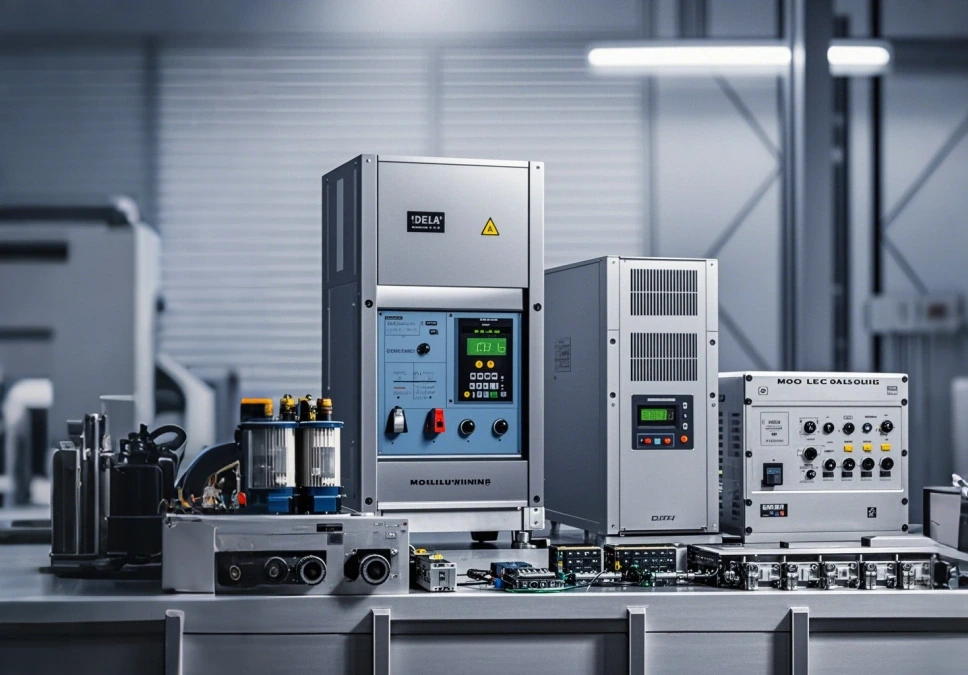
How To Choose An Indoor Interlocking Electromagnet?
Indoor Interlocking Electromagnet ensures reliable locking, voltage compatibility, insulation safety, and long service life.
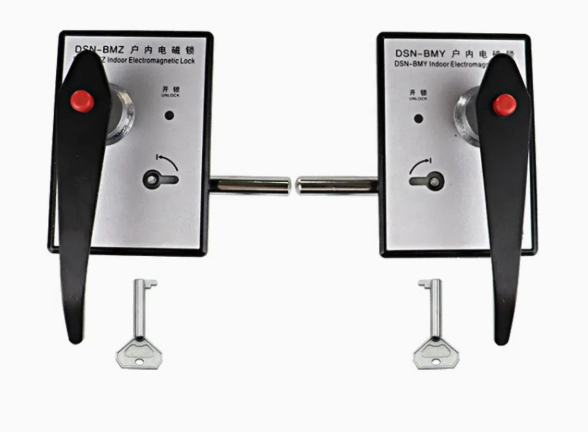
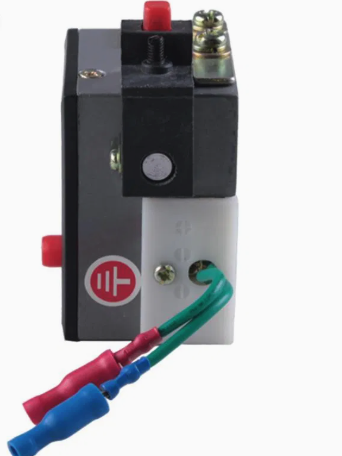
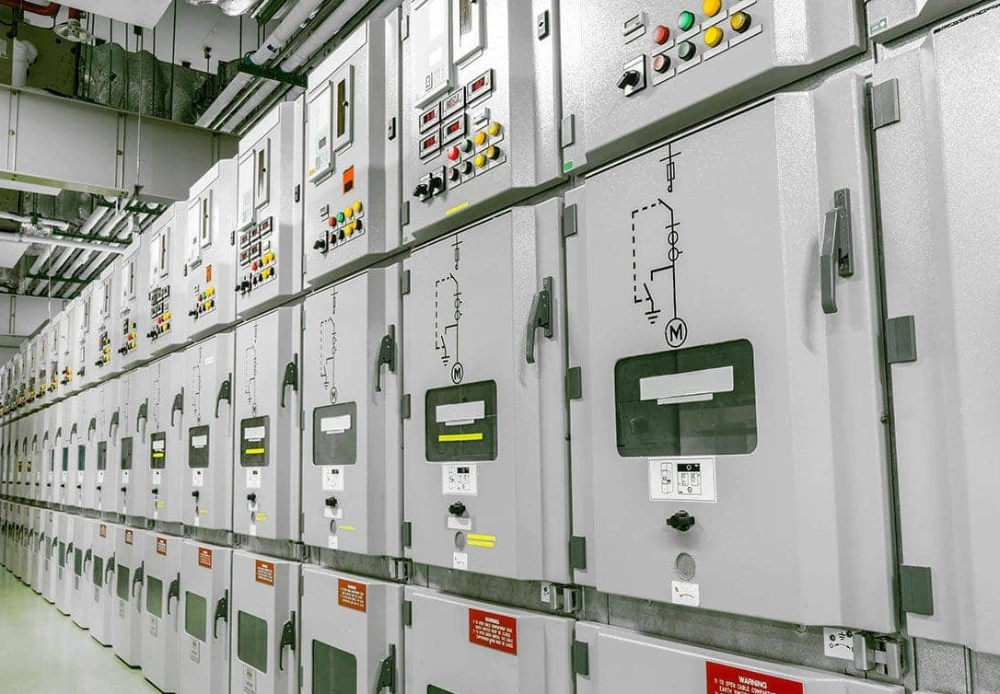
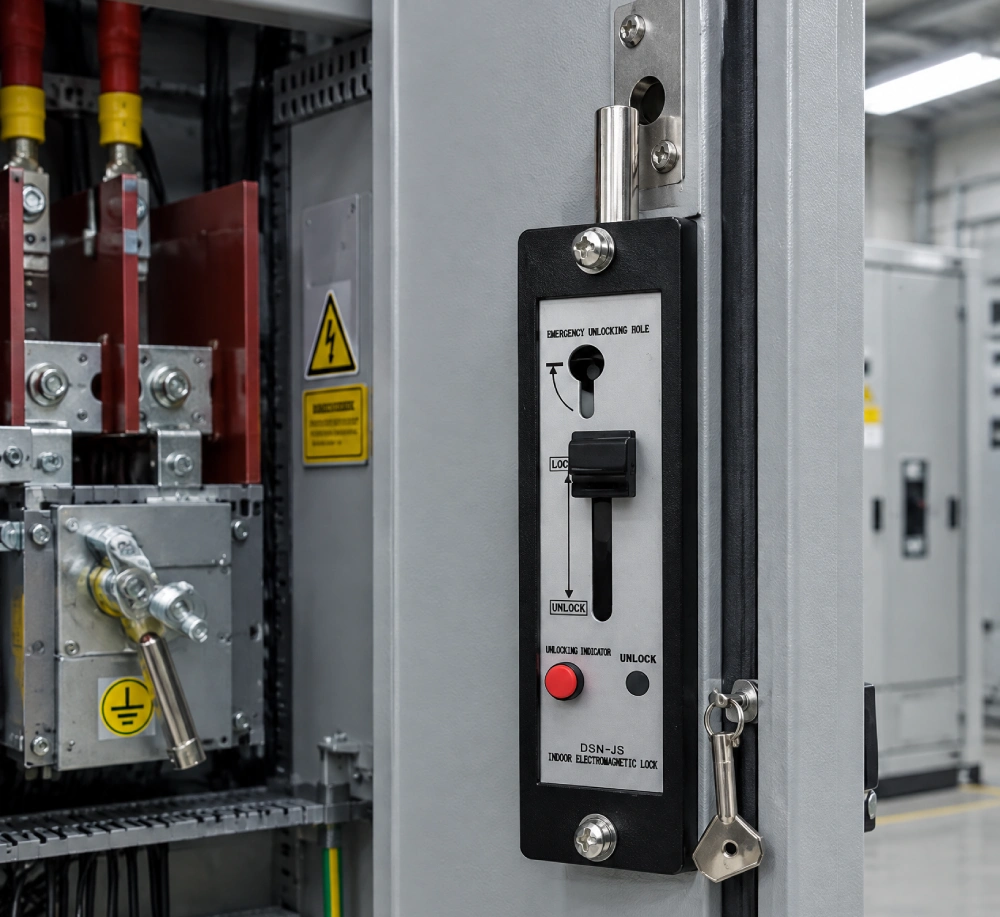
Electrical distribution equipment requires reliable interlocking mechanisms to prevent unsafe operations. An Indoor Interlocking Electromagnet serves as a critical component within switchgear systems. It controls mechanical locking actions through electromagnetic force and helps maintain safe operating sequences. Industrial facilities rely on these devices to reduce operational risks and improve equipment protection. Proper selection affects service life, maintenance frequency, and overall system stability. Procurement teams often evaluate performance data, environmental suitability, and manufacturing quality before purchasing. A suitable model supports continuous operation while maintaining consistent locking performance under demanding electrical conditions.
Core Working Principles Of Electromagnetic Interlocking Devices
Interlocking mechanisms prevent operators from performing dangerous switching actions. Electromagnetic coils generate magnetic force after receiving electrical signals. That force activates locking components and controls movement between interconnected parts. Coordinated operation ensures correct switching sequences throughout the system. Reliable interlocking design reduces human error and enhances operational safety. Mechanical structures and electromagnetic assemblies work together to achieve stable control. Engineers often examine force output, response characteristics, and component durability during product evaluation. Consistent operation remains essential because failures may affect equipment safety and power distribution continuity.
Indoor Interlocking Electromagnet Requirements In Modern Switchgear
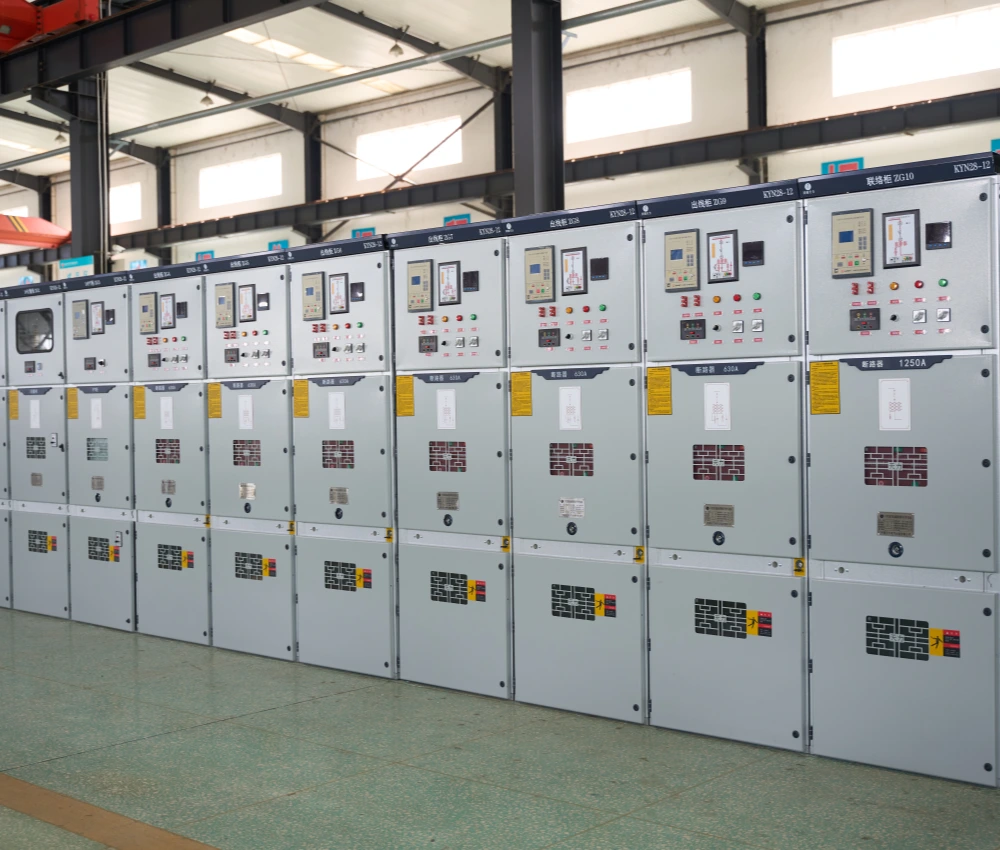
Modern switchgear environments demand dependable locking performance and electrical compatibility. An Indoor Interlocking Electromagnet must operate within designated voltage ranges while maintaining stable force output. Temperature fluctuations, vibration, and frequent operation cycles create additional challenges. Buyers should verify insulation systems and electromagnetic efficiency before selection. Compact installation dimensions also influence equipment integration. High-quality designs maintain locking precision during extended operation periods. Manufacturers commonly conduct endurance testing to validate long-term reliability. Comprehensive performance verification helps reduce maintenance costs and improves operational confidence across industrial and utility applications.
Critical Electrical Parameters For Product Evaluation
Several technical specifications directly influence product performance and equipment compatibility. Voltage rating determines whether the device matches existing control circuits. Current consumption affects energy efficiency and thermal management. Holding force influences locking reliability during operation. Response speed affects switching coordination and protection performance. Duty cycle ratings indicate operational endurance under repeated use. Insulation class affects resistance to electrical stress and environmental conditions. Careful analysis of these factors helps buyers identify suitable products for specific applications. Technical documentation should provide detailed performance data for procurement evaluation.
| Parameter | Function | Selection Focus |
|---|---|---|
| Rated Voltage | Electrical compatibility | Match control system |
| Holding Force | Locking stability | Verify operational load |
| Response Time | Switching coordination | Assess safety requirements |
| Current Consumption | Power efficiency | Review energy demand |
| Insulation Class | Electrical protection | Confirm environment suitability |
Material Quality And Structural Reliability Considerations
Material selection strongly influences durability and operating consistency. High-grade magnetic cores improve electromagnetic efficiency and reduce energy losses. Quality copper windings support stable conductivity and thermal performance. Insulation materials protect internal components from electrical stress and aging. Precision-machined mechanical structures improve alignment and locking accuracy. Corrosion-resistant surfaces extend operational life in humid indoor environments. Buyers should request information regarding material specifications and manufacturing processes. Strong construction quality often results in fewer failures and reduced maintenance requirements throughout the equipment lifecycle.
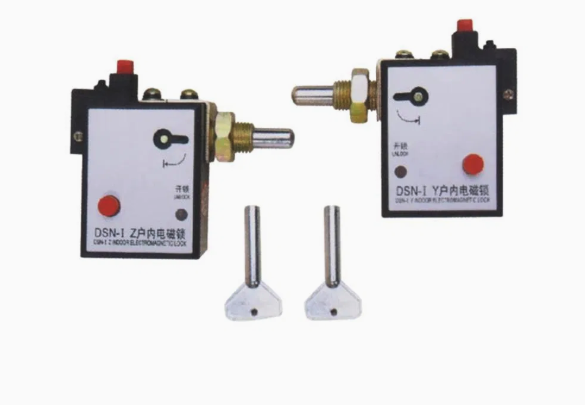
How Indoor Interlocking Electromagnet Impacts Operational Safety
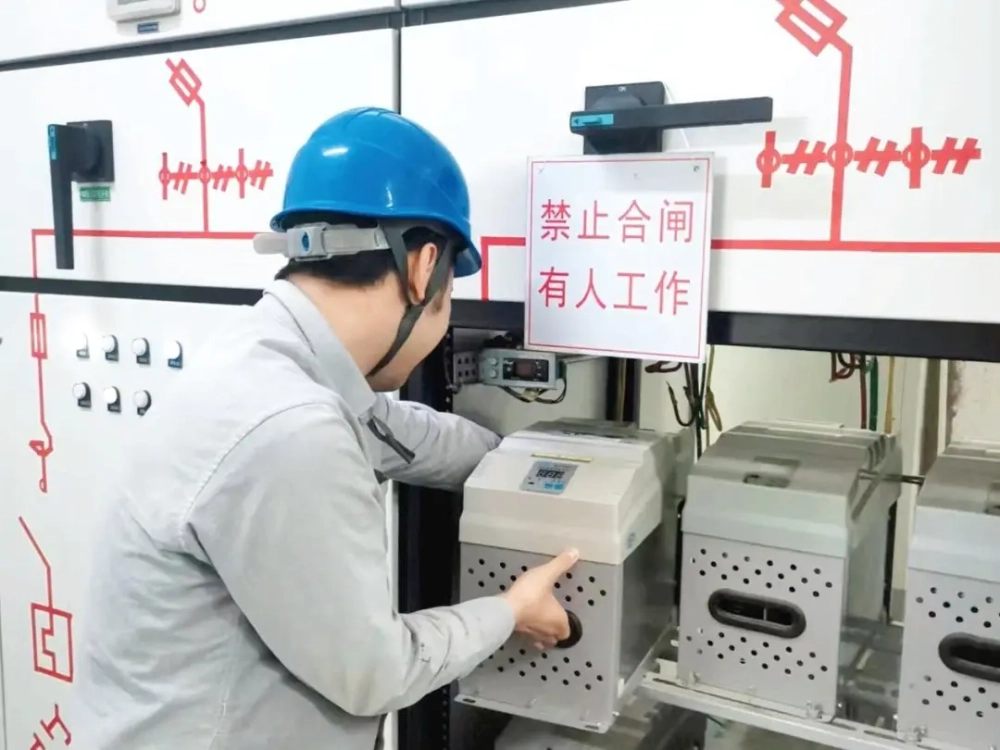
Operational safety remains a primary consideration for electrical infrastructure projects. An Indoor Interlocking Electromagnet controls access to critical switching functions and prevents incorrect operating sequences. Reliable locking actions reduce risks associated with accidental energization or equipment damage. Protection systems perform more effectively when interlocking devices operate consistently. Industrial plants and utility facilities often require high-performance locking mechanisms to satisfy safety objectives. Proper component selection contributes to compliance goals and operational continuity. Thorough testing and quality assurance procedures help verify performance before installation within critical electrical systems.
Industry Standards And Testing Procedures
International standards establish performance expectations for electrical interlocking products. Manufacturers commonly perform insulation testing, endurance testing, and operational verification. Thermal performance evaluation confirms stability during prolonged service periods. Mechanical lifecycle testing measures resistance to wear and repeated operation. Electrical performance validation ensures compatibility with designated voltage requirements. Buyers should review testing reports and quality documentation during supplier assessment. Independent verification strengthens confidence in product reliability. Strong quality management systems support consistent manufacturing results across large production volumes.
Supplier Evaluation Checklist For Industrial Procurement
Choosing a supplier involves more than comparing product specifications. Procurement teams should assess manufacturing capability, engineering support, and quality control processes. Important evaluation areas include:
- Production capacity consistency
- Coil insulation verification procedures
- Lifecycle testing capability
- Material traceability systems
- Customization support services
- Technical documentation availability
- Quality certification compliance
- Export packaging standards
Careful supplier assessment helps reduce procurement risks and supports long-term operational objectives. Experienced manufacturers typically provide comprehensive technical assistance throughout project implementation. Reliable support becomes particularly valuable when customized interlocking solutions are required for specialized switchgear configurations.
Application Scenarios And Product Selection Strategies
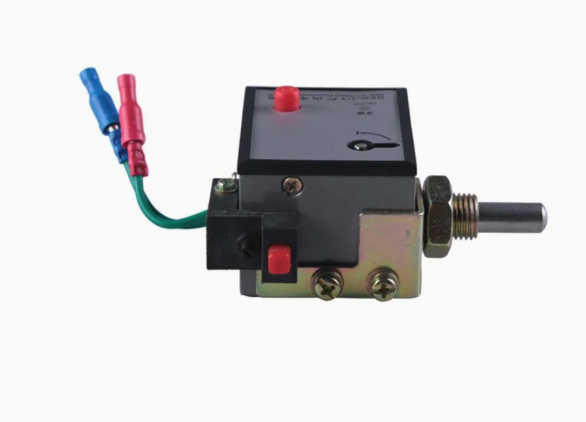
Different installations require different performance priorities. Utility substations often emphasize reliability and service life. Industrial facilities may prioritize operational frequency and maintenance efficiency. Control cabinets frequently require compact dimensions and flexible installation options. Some projects benefit from active electromagnetic locking technologies. DSN-JK Active Electromagnetic Lock for Switchgear supports controlled locking actions through energized operation and can improve coordination within advanced switchgear systems. Selection decisions should align with actual operating conditions rather than focusing exclusively on purchase cost. Lifecycle value often provides a more accurate measure of procurement success.
| Application | Primary Requirement | Selection Priority |
|---|---|---|
| Power Substations | Long-term reliability | High endurance design |
| Industrial Plants | Frequent operation | Stable performance |
| Control Cabinets | Limited space | Compact dimensions |
| Distribution Systems | Operational safety | Reliable locking force |
Comparing Active And Passive Locking Approaches
Engineers frequently compare active and passive locking technologies during project planning. Active designs rely on controlled electrical activation to perform locking functions. Passive designs emphasize mechanical stability and simplified operation. DSN-WY-JK Passive Electromagnetic Lock for Switchgear represents a common solution for applications requiring dependable locking performance with straightforward integration. Each approach offers advantages depending on operational objectives and equipment architecture. Project requirements, maintenance strategies, and control system configurations should influence final selection decisions. Balanced evaluation supports reliable performance throughout the service lifecycle.
Indoor Interlocking Electromagnet Selection For Long-Term Value
An Indoor Interlocking Electromagnet should deliver stable operation, reliable locking force, and strong compatibility with existing equipment. Procurement decisions benefit from technical evaluation rather than price comparison alone. Buyers should examine electrical specifications, construction quality, testing records, and supplier capabilities. Long-term operating costs often exceed initial purchase expenses. Durable products reduce maintenance frequency and minimize unexpected downtime. Comprehensive assessment helps identify solutions that support safety objectives and operational efficiency. Strong engineering support and documented quality assurance further strengthen purchasing confidence for industrial projects.