How To Compare High Voltage Presence Indicator Options?
High Voltage Presence Indicator options evaluated for accuracy, safety, and integration in industrial switchgear systems.
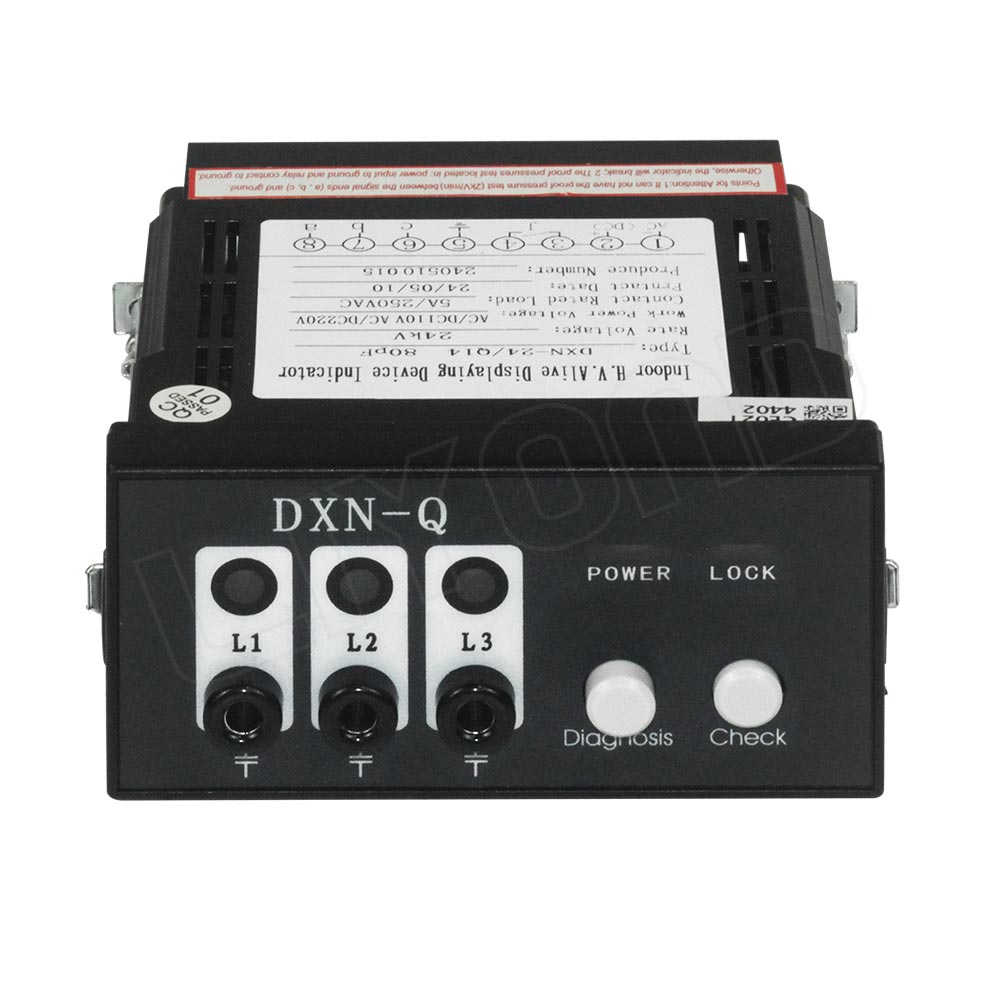
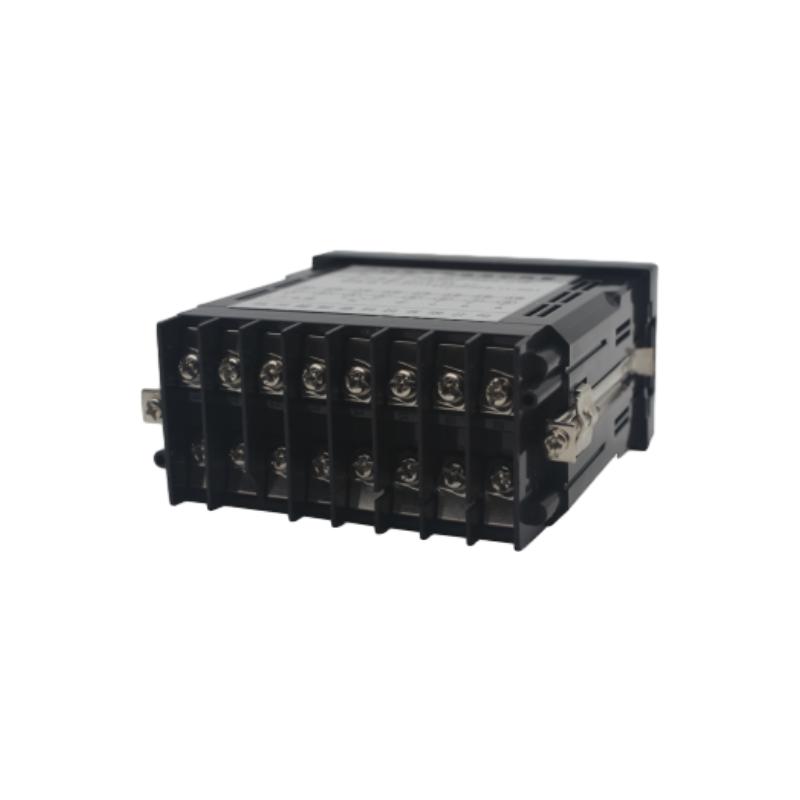
High Voltage Presence Indicator is critical for ensuring operational safety in electrical systems. Its primary role is to provide visual confirmation of energized circuits. Selecting the correct indicator requires analysis of technical specifications and industrial applications. Engineers rely on indicators to prevent accidental contact and minimize downtime. Accuracy, reliability, and compatibility with switchgear panels are key. Indicators are commonly installed in high-voltage switchgear and substations. Performance under different environmental conditions impacts long-term safety. Evaluating device characteristics helps in comparing options effectively. Electrical systems require indicators that meet safety standards consistently. Proper installation ensures maximum operational efficiency.
Key Features to Evaluate in High Voltage Presence Indicators
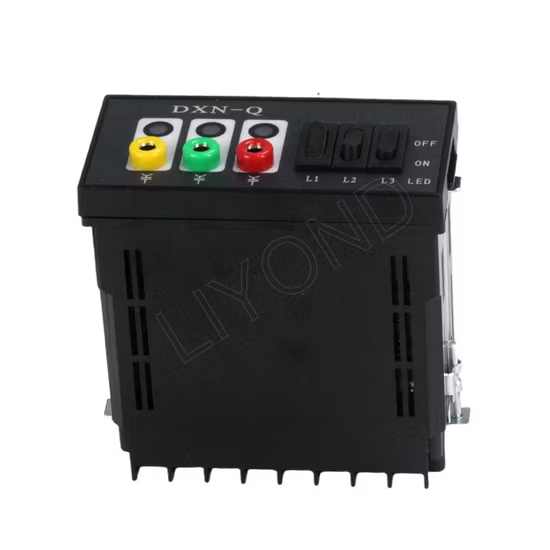
Evaluating High Voltage Presence Indicators involves multiple parameters. Voltage rating compatibility ensures the device handles system conditions. Response time affects safety during switching operations. Indicators may use optical or mechanical signaling to display presence. Durability and resistance to vibration and temperature fluctuations influence lifespan. Visibility of indicators in various lighting conditions is essential. Some models offer self-diagnostic capabilities for maintenance alerts. Integration with automated monitoring systems enhances system intelligence. Engineers consider physical size and mounting options for panel compatibility. Accurate indicators reduce operational errors. Safety certifications are mandatory for industrial installations.
Differences Between Mechanical and Electronic Indicators
Mechanical indicators provide a simple visual cue using physical movement or flag mechanisms. They are cost-effective and often require less maintenance. Electronic indicators use sensors and LEDs to detect voltage presence. They offer higher accuracy and faster response times. Some electronic models include self-check features to detect sensor failures. Environmental factors like humidity or dust may affect mechanical devices less than sensitive electronics. Mechanical indicators are preferred in rugged or low-maintenance environments. Electronic devices are suitable for automated or remote monitoring applications. Comparing both types requires balancing accuracy, cost, and environmental resilience. Historical performance data guides informed selection decisions.
Accuracy and Reliability Considerations
Accuracy of High Voltage Presence Indicators directly affects system safety. Indicators must reliably detect voltage within specified tolerance ranges. Engineers examine specifications like detection voltage thresholds and response time. Reliability is measured by mean time between failures (MTBF) and consistent performance in extreme conditions. Redundant designs enhance safety where failure is unacceptable. Quality components reduce calibration needs and maintenance frequency.
Indicator testing under simulated load conditions validates performance. Suppliers often provide compliance certificates for IEC or ANSI standards. Real-world testing confirms expected behavior under dynamic voltage fluctuations. Proper calibration ensures consistent operation across all system voltages.
Installation and Maintenance Requirements
Installation requires precise alignment and secure mounting. Panels must meet insulation and electrical safety requirements. Correct wiring reduces interference and ensures consistent readings. Regular checks verify mechanical or electronic function. Devices with diagnostic capabilities alert operators to operational issues. Protective sealing prevents moisture or dust ingress. Some installations require periodic calibration following manufacturer instructions. Proper installation techniques affect lifespan and functional safety. Personnel training reduces accidental mishandling. Engineers assess panel layout and available space before selecting devices.
Cost vs. Performance Analysis
Selecting High Voltage Presence Indicators involves balancing cost with performance. Basic mechanical indicators are inexpensive but may lack high accuracy. Electronic indicators offer advanced monitoring but have higher upfront costs. Long-term operational savings often justify premium devices through reduced downtime. Energy efficiency and lower maintenance requirements contribute to total cost of ownership. Comparative assessment includes installation labor, replacement frequency, and integration capabilities. Using a scoring matrix helps quantify performance factors. Systems requiring critical safety monitoring benefit from higher-cost options. Engineers analyze lifecycle cost rather than initial purchase price alone. Budget allocation should consider reliability and compliance benefits.
Safety Standards and Regulatory Compliance
Compliance with safety standards ensures indicators operate reliably. IEC 61243 and IEEE 519 provide guidelines for voltage detection and panel integration. Indicators must meet insulation and fire-resistance requirements. Certified devices reduce risk of electrical accidents. Some models undergo third-party testing for environmental stress tolerance. Engineers verify documentation for each installation. Adhering to local electrical codes is mandatory for industrial systems. Safety labeling and visible markings improve operator awareness. Indicators that fail to comply can result in legal or insurance issues. Proper documentation supports audits and system validation. Selecting certified indicators reinforces industrial safety culture.
Comparative Table of Popular High Voltage Presence Indicators
| Indicator Type | Voltage Rating | Response Time | Maintenance |
|---|---|---|---|
| Mechanical Flag | 1–35 kV | 0.5 sec | Low |
| Electronic LED | 1–72 kV | 0.1 sec | Medium |
| Sensor-based Digital | 1–145 kV | 0.05 sec | Medium |
After reviewing the table, engineers consider response speed, voltage range, and maintenance needs. Devices with higher ratings often support more automated diagnostics. Selection involves prioritizing factors that directly affect operational safety.
Advantages of Using High Voltage Presence Indicators in Industrial Systems
These devices reduce the risk of accidental energization. They provide real-time visual confirmation for operators. Indicators simplify troubleshooting and improve response during maintenance. Systems require fewer manual checks, reducing labor hours. Safety is enhanced for personnel working near energized components. Accurate indicators contribute to compliance with regulatory standards. Some designs include features for automated system logging. Visual indicators also prevent equipment damage caused by improper switching. Operators can monitor multiple circuits simultaneously. Adoption of indicators aligns with industry best practices.
Comparative Table of Performance Metrics
| Model | Lifespan (Years) | Environmental Rating | Certifications |
|---|---|---|---|
| Type A Mechanical | 10 | IP54 | IEC 61243 |
| Type B Electronic | 12 | IP65 | IEC 61243, IEEE 519 |
| Type C Digital | 15 | IP67 | IEC 61243, ISO 9001 |
Following the performance table, VDIS for Compact Switchgear Panels provides additional diagnostic capability in retrofitted installations. Integrating such systems ensures ongoing compliance and reduces operational risk.
Common Mistakes When Selecting High Voltage Presence Indicators
Common selection errors include ignoring environmental factors or choosing indicators outside the voltage rating. Some engineers overlook maintenance requirements or certification compliance. Cost-driven decisions may compromise reliability and lifespan. Incorrect panel mounting can affect accuracy and safety. Failing to consider integration with existing monitoring systems reduces efficiency. Training gaps lead to improper handling and device damage. Selecting devices without reviewing manufacturer testing and documentation increases risk. Using untested models may void warranty or compromise safety. Engineers should verify all specifications before installation. Proper planning avoids costly operational mistakes.
FAQ
What is the typical lifespan of these devices?
High Voltage Presence Indicators typically last 10–15 years depending on type and usage. Mechanical indicators have lower maintenance needs and can last a decade under normal conditions. Electronic models often include self-diagnostics, slightly extending operational lifespan. Environmental factors like temperature, humidity, and dust exposure influence longevity. Indicators installed in controlled switchgear panels experience less wear. Regular inspection ensures that indicators function correctly over their lifespan. Components such as LEDs or sensor assemblies may require replacement before full device lifespan. Proper mounting and calibration prevent early degradation. Certified indicators often provide manufacturer-specified lifespan data. Engineers plan replacements in maintenance schedules accordingly.