How To Select Right Industrial Silicone Heater Specs?
Silicone Heater Specs cover efficiency, safety, durability, voltage, watt density, materials and compliance for industrial use.
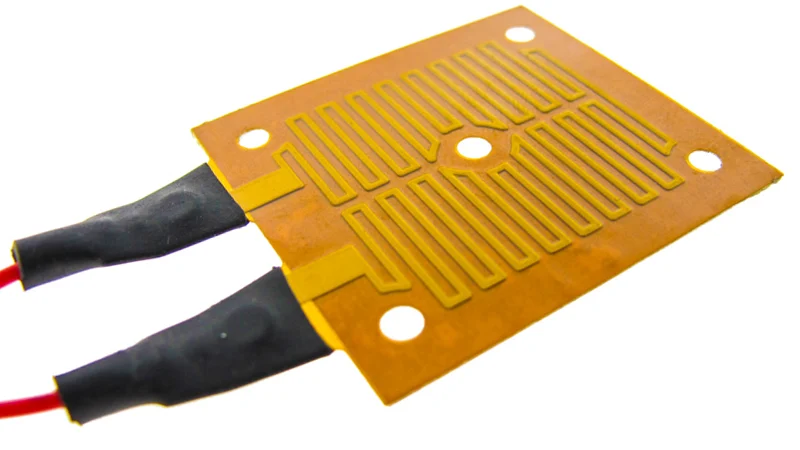
Selecting accurate Silicone Heater Specs directly impacts thermal efficiency and operational safety in industrial systems. Engineers rely on precise specifications to match heating elements with process requirements. Incorrect selections often cause overheating, uneven heat distribution, or premature failure. Industrial environments demand stable performance under varying loads and conditions. Careful specification planning reduces downtime and maintenance costs significantly. Properly defined parameters also improve energy consumption efficiency. Many industries depend on consistent thermal output for quality control. Therefore, mastering specification logic becomes essential for procurement teams. Reliable specification choices ensure long-term stability and compliance with industrial standards across demanding applications.
Core Specification Elements of Silicone Heaters for Industrial Use
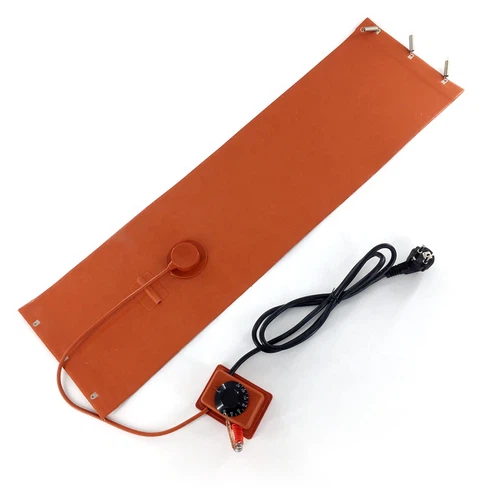
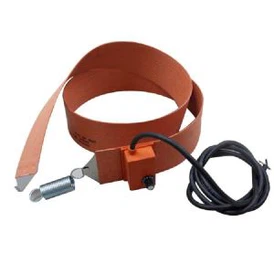
Silicone heaters consist of flexible heating elements embedded within silicone rubber layers. These structures provide uniform heat distribution across surfaces. Core Silicone Heater Specs include voltage rating, watt density, dimensions, and thickness. Each parameter influences heating speed and thermal stability. Voltage determines compatibility with power systems used in factories. Watt density controls how much heat is generated per unit area. Thickness affects flexibility and heat transfer efficiency. Engineers must evaluate these factors together instead of independently. Balanced specifications help achieve consistent heating without damaging components. Industrial applications often require customized solutions based on equipment geometry and operational requirements.
Material Composition and Thermal Performance Analysis
Silicone rubber offers excellent thermal resistance and electrical insulation properties. Manufacturers often reinforce heaters with fiberglass layers to enhance durability. This combination improves mechanical strength while maintaining flexibility. Silicone materials withstand temperatures ranging from minus 60 to over 200 degrees Celsius. Thermal conductivity remains stable under repeated heating cycles. High-quality silicone resists moisture, chemicals, and environmental stress. Material composition directly affects heater lifespan and safety performance. Engineers should evaluate material grade carefully during selection. Premium materials reduce degradation and maintain consistent heating output. Proper material selection ensures reliable operation in harsh industrial environments where thermal stability remains critical.
Voltage and Power Density Selection Criteria
Voltage selection must align with existing industrial electrical systems. Common voltage options include 12V, 24V, 120V, and 240V configurations. Power density defines heat output relative to surface area. Excessive watt density may cause overheating and material damage. Low watt density results in insufficient heating performance. Engineers calculate optimal values based on application requirements and heat loss conditions. Thermal insulation and ambient temperature also influence these calculations. Balanced Silicone Heater Specs improve both safety and efficiency. Proper selection prevents thermal hotspots and uneven heating distribution. Industrial systems benefit from stable heat generation that matches operational demands without exceeding safety thresholds.
Temperature Range and Control System Compatibility
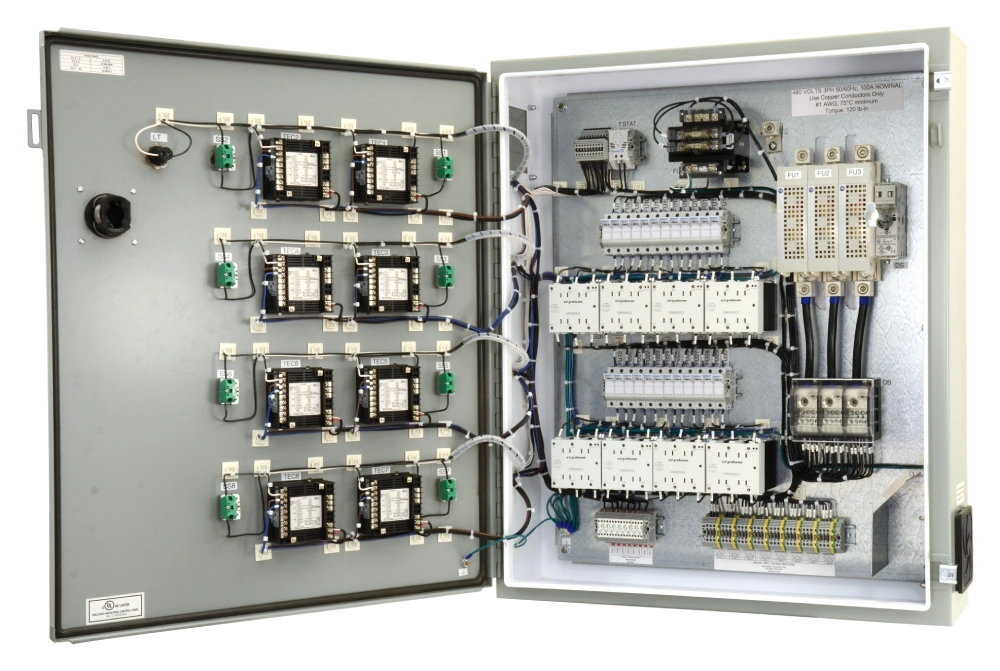
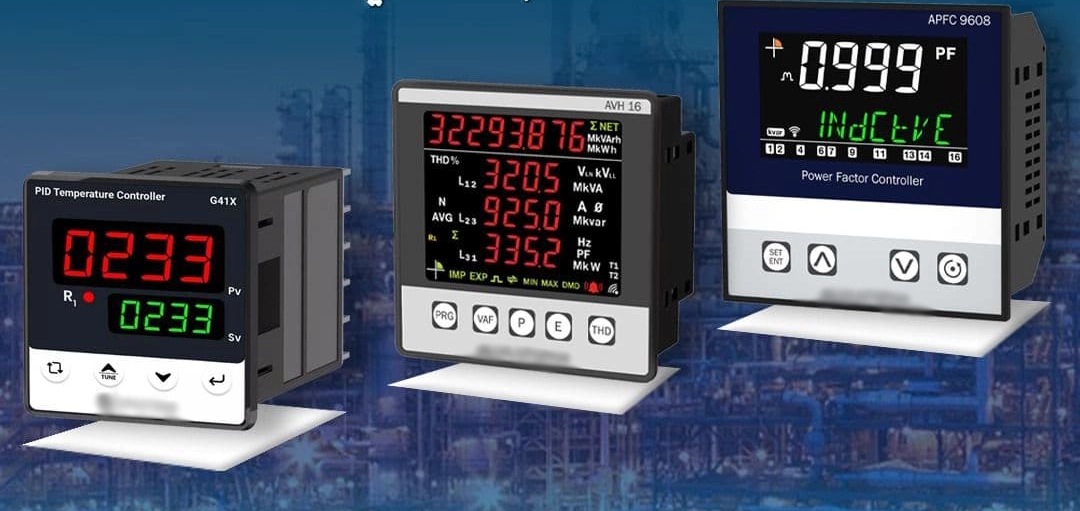
Temperature range determines whether a heater can meet process requirements. Industrial silicone heaters often support continuous operation up to 200 degrees Celsius. Integration with control systems ensures precise temperature regulation. Thermocouples and resistance temperature detectors provide accurate feedback signals. PID controllers adjust power output to maintain stable temperatures. Compatibility between heater specifications and control devices remains essential. Poor integration may lead to unstable heating cycles. Engineers should verify sensor placement and response time during system design. Reliable control systems enhance product quality and operational consistency. Proper alignment between components ensures efficient thermal management across industrial applications.
Mechanical Design and Mounting Configurations
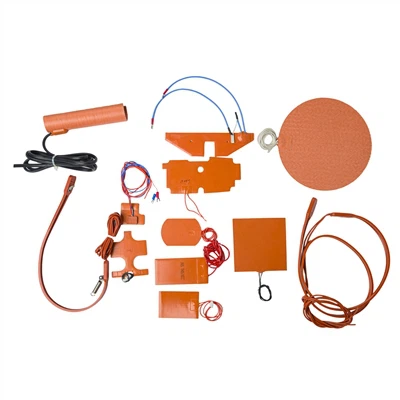
Mechanical design influences installation efficiency and heat transfer performance. Flexible silicone heaters adapt to curved or irregular surfaces easily. Adhesive-backed designs simplify mounting and improve thermal contact. Some applications require clamping or mechanical fastening methods. Custom shapes allow precise fitting to equipment surfaces. Thickness variations affect both flexibility and durability. Engineers must consider surface material compatibility during installation planning. Poor mounting reduces heating efficiency and increases energy consumption. Proper design ensures uniform heat distribution across target areas. Industrial environments benefit from robust mounting solutions that withstand vibration and thermal expansion without compromising performance.
Environmental and Compliance Standards for Industrial Heaters
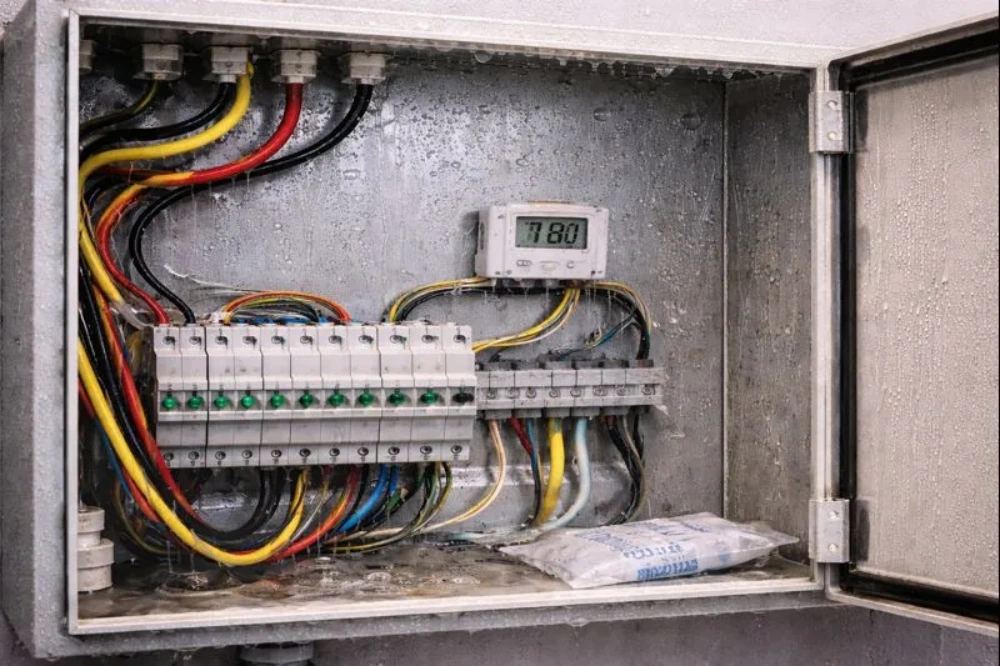
Industrial heaters must comply with recognized safety and quality standards. Certifications such as UL 499, CE under the Low Voltage Directive 2014/35/EU, and RoHS Directive 2011/65/EU ensure product reliability and regulatory compliance. Environmental protection ratings follow IEC 60529, where IP65 indicates dust-tight sealing and resistance to water jets. Silicone heaters often meet these levels for industrial use. Chemical resistance becomes critical in harsh environments.
Exposure to oils, solvents, or corrosive agents affects material performance. Engineers should verify compatibility before deployment. Compliance standards also address insulation under IEC 60664 and fire resistance per UL 94. Proper certification reduces operational risks and supports global market access. Reliable Silicone Heater Specs include compliance verification to ensure safe and consistent performance.
Key Factors Checklist for Selecting Silicone Heater Specs
- Evaluate operating temperature range and thermal requirements
- Confirm voltage compatibility with existing power systems
- Calculate appropriate watt density for the application
- Assess environmental exposure such as moisture or chemicals
- Determine mounting method and surface compatibility
- Verify compliance certifications and safety standards
- Consider lifecycle cost and maintenance requirements
This checklist helps procurement teams simplify complex specification decisions. Each factor contributes to overall system performance and reliability. Ignoring any parameter may result in operational inefficiencies or safety risks. Balanced evaluation ensures that selected heaters meet both technical and economic expectations in industrial environments.
Key Silicone Heater Specification Parameters
| Parameter | Typical Range | Impact on Performance | Application Example |
|---|---|---|---|
| Voltage | 12V – 240V | Determines power compatibility | Industrial control panels |
| Watt Density | 0.5 – 5 W/cm² | Controls heating intensity | Battery warming systems |
| Temperature Limit | -60°C to 200°C | Defines operational range | Food processing equipment |
| Thickness | 0.8 – 2 mm | Affects flexibility | Curved surface heating |
Interpreting Specification Data for Procurement Decisions
Specification tables provide a structured way to compare heater performance metrics. Engineers must match these values with real operational requirements. Overestimating specifications increases cost without adding value. Underestimating parameters leads to performance failures and safety risks. Procurement teams should evaluate both technical and economic factors. Real-world testing often validates theoretical calculations. Collaboration with suppliers helps refine specification accuracy. Data interpretation requires clear analytical thinking and application awareness. Balanced decisions ensure optimal performance and cost efficiency. Accurate evaluation of Silicone Heater Specs supports reliable industrial system design and long-term operational stability.
Environmental and Compliance Comparison
| Standard | Requirement | Purpose | Industry Use |
|---|---|---|---|
| UL | Electrical safety certification | Ensures safe operation | North America markets |
| CE | European conformity | Regulatory compliance | EU industrial equipment |
| RoHS | Restriction of hazardous substances | Environmental safety | Electronics manufacturing |
| IP65 | Dust and water resistance | Environmental protection | Outdoor applications |
Applying Compliance Data to Industrial Heater Selection
Compliance data ensures that heaters meet both safety and regulatory expectations. Engineers must align certification requirements with target markets. Each standard addresses specific risks and operational conditions. For example, IP ratings define environmental resistance capabilities. Electrical certifications focus on insulation and fire safety. Ignoring compliance factors may result in legal or operational issues. Industrial buyers should prioritize certified products from reliable manufacturers. Proper documentation supports quality assurance processes. Compliance-driven selection improves system reliability and reduces long-term risks. Integrating certified Silicone Heater Specs into procurement strategies enhances trust and operational consistency across global applications.
Cost, Durability, and Lifecycle Considerations
Cost evaluation should include both initial investment and long-term operational expenses. High-quality silicone heaters often deliver better durability and efficiency. Lower-cost options may require frequent replacement or maintenance. Lifecycle analysis helps determine true economic value. Factors such as material degradation and thermal cycling affect lifespan. Energy efficiency also impacts overall operational cost. Engineers should balance performance with budget constraints carefully. Durable heaters reduce downtime and improve productivity. Strategic investment in reliable components ensures stable performance. Well-selected Silicone Heater Specs contribute to optimized cost efficiency and long-term industrial success.
Conclusion: Strategic Selection of Industrial Heater Specifications
Effective selection of Silicone Heater Specs requires a comprehensive evaluation of technical parameters and operational needs. Engineers must consider material properties, electrical compatibility, and environmental conditions together. Balanced decision-making ensures reliable performance and cost efficiency. Collaboration with experienced suppliers improves specification accuracy. Industrial systems benefit from precise thermal management and reduced maintenance risks. Proper planning enhances both safety and productivity. Consistent performance depends on accurate specification alignment. Strategic selection supports long-term operational success across various industrial applications.
FAQ
What Is An Industrial Silicone Heater?
Industrial silicone heaters are flexible heating devices built with resistance elements embedded in silicone rubber. This structure allows uniform heat distribution across flat or curved surfaces. They are commonly used in industrial systems requiring controlled and stable heating, such as machinery, battery packs, and process equipment.Silicone rubber provides strong electrical insulation and thermal resistance, often operating safely up to about 200°C. Many designs include fiberglass reinforcement to improve mechanical strength and durability. Engineers select them based on voltage, watt density, and application conditions. Their flexibility simplifies installation on complex shapes while maintaining reliable thermal performance and energy efficiency in industrial environments.
What is the ideal watt density for silicone heaters in industrial use?
The ideal watt density depends on application requirements and surface conditions. Most industrial systems operate within a range of 0.5 to 5 W/cm². Lower values suit temperature-sensitive materials and insulated environments.Higher values provide faster heating but increase overheating risks. Engineers must consider heat loss, ambient temperature, and material conductivity.