Humidity Control System: What Features Matter Most?
Prevent switchgear condensation and maintain stable microclimates inside electrical panels with a reliable humidity control system.
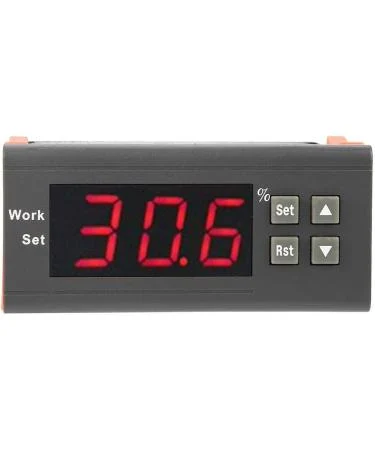
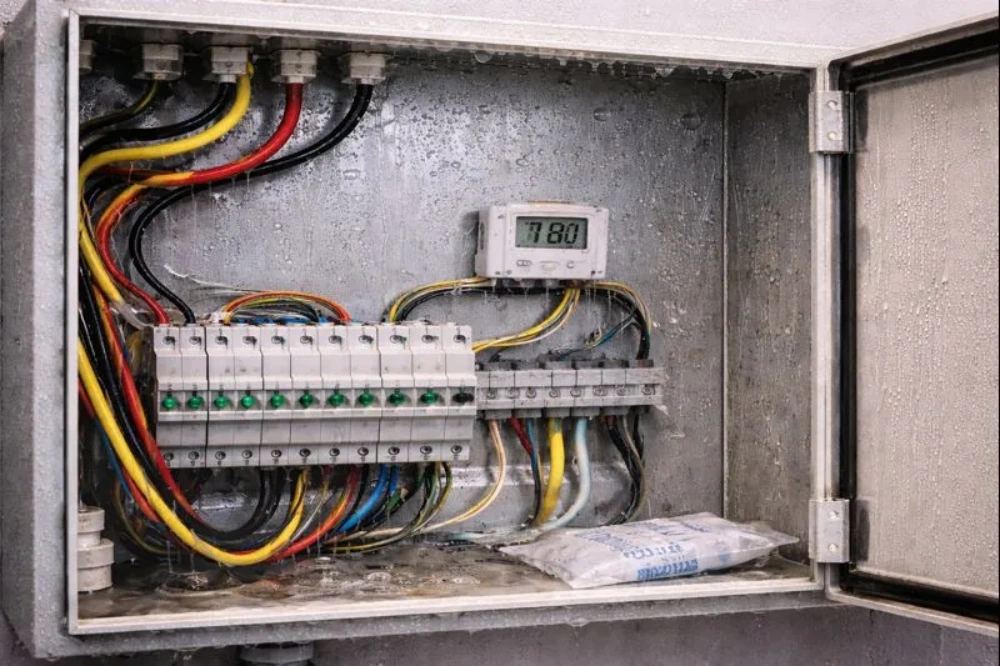
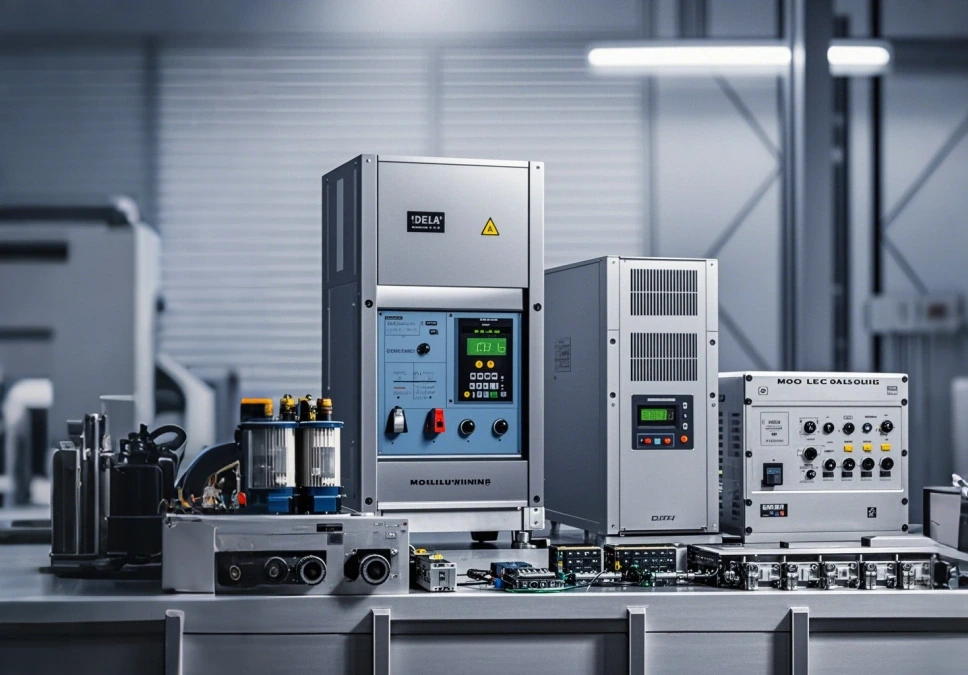
High-voltage switchgear environments suffer from severe temperature fluctuations during daily operations. Rapid thermal shifts cause moisture to condense on internal metal parts. Water droplets on copper busbars drastically reduce overall dielectric insulation strength. Installing a localized humidity control system prevents insulation breakdown. Untreated dampness leads to electrical creepage and explosive short circuits. Specialized ring main units require active moisture protection to avoid unexpected failures. Condensation also corrodes copper terminals and critical relay contacts inside panels. Power distribution terminals must maintain dry conditions to run safely. Automated heaters offer some protection but often raise internal temperatures excessively. Modern electrical engineers reject simple heating devices for sensitive electronics cabinets. Better equipment utilizes active cooling condensation methods to extract ambient moisture. Proper design secures continuous energy delivery and extends switchboard hardware lifespan.
Advanced Sensor Integration In Cabinet Humidity Control System Hardware
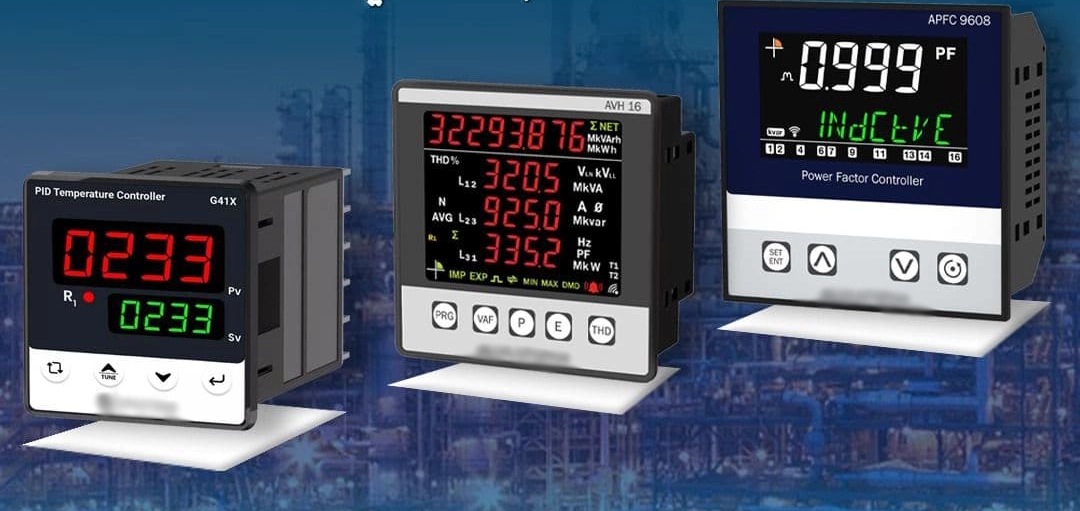
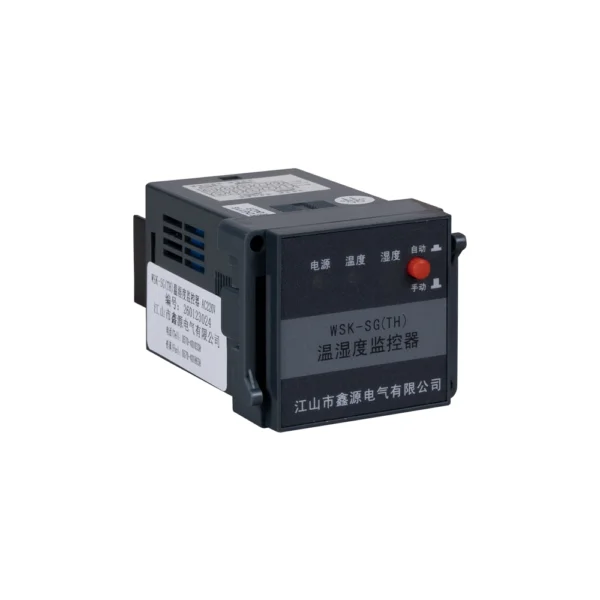
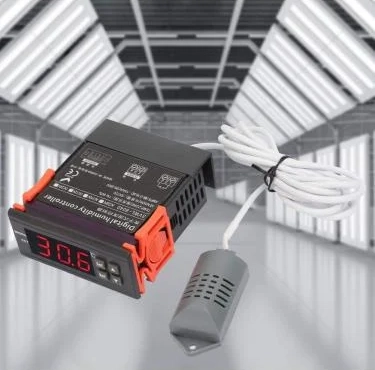
Accurate microclimate detection relies entirely on high-performance sensory instruments. Polymer capacitive sensors deliver immediate relative humidity readings under harsh conditions. These components register slight atmospheric changes before visible condensation starts. Microprocessors interpret this data to initiate active cooling functions instantly. Operators install the HK Temperature and Humidity Controller for Cabinets inside terminal boxes. This specific device protects high-voltage assets against creeping discharge risks. Fast response times ensure the controller activates before water droplets form. Regular calibration checks maintain sensory reliability in dusty switchgear environments. Drift-free sensors prevent incorrect heating cycles and reduce overall operating costs. Smart cabinet designs integrate these premium sensors to guarantee long-term stability. Reliable tracking components safeguard electronic boards against humidity-induced malfunctions. Engineering teams prioritize advanced sensors to ensure complete distribution safety.
Thermoelectric Cooling Versus Heater Elements For Panels
Standard space heaters elevate cabinet air temperature to lower relative humidity levels. This traditional approach fails when high external temperatures limit heating safety. Excessive heat accelerates the thermal aging of sensitive copper coils. Thermoelectric dehumidifiers offer a superior solution by physically removing water. Small Peltier elements create a cold surface inside the cabinet. Air passes over this cold area and releases its moisture content. Condensation drips into a dedicated tube and exits the panel safely. Peltier cooling reduces absolute humidity without raising internal cabinet temperatures. Low energy usage makes thermoelectric modules highly cost-effective for utilities. Compact designs fit easily into tight spaces beside high-voltage components. Active moisture removal ensures dry conditions even during humid summer months. Switching to cooling technology prevents insulation decay and mechanical failure.
Automating Enclosure Protection Systems In Secondary Control Rooms
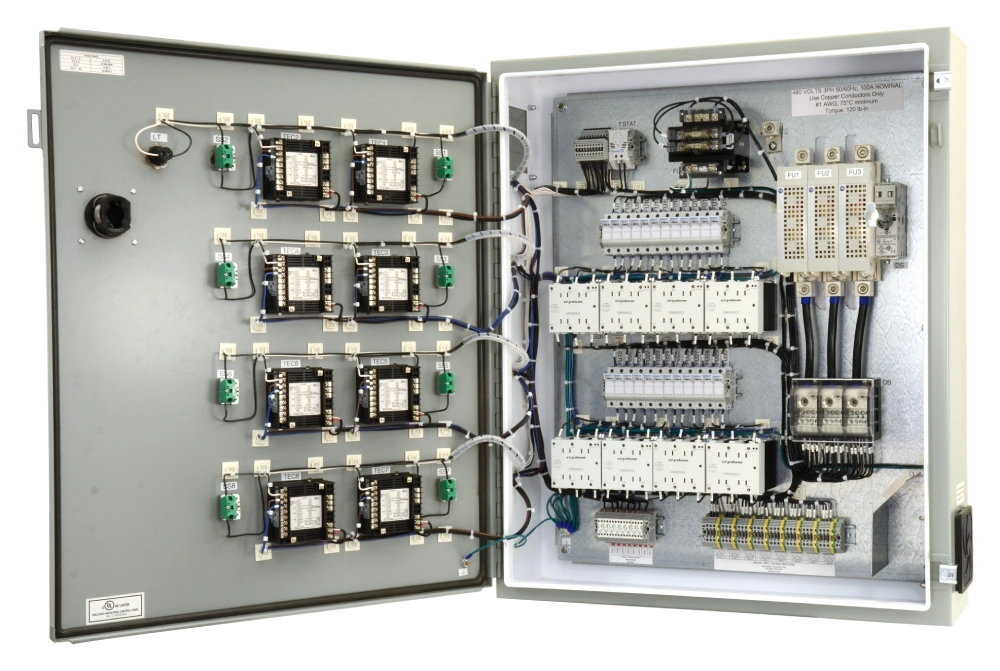
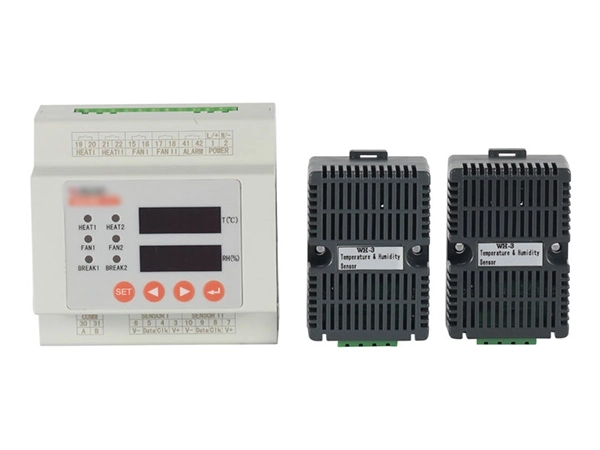
Secondary control rooms house complex protection relays and automation panels. Multi-channel regulation devices manage separate wiring zones within single enclosures. Technicians deploy the S2K-Z Dual-Channel Digital Humidity Controller for Panels to monitor separate areas. This sophisticated device tracks ambient parameters on two independent sensors. High-speed communication cards send real-time data to supervisory control programs. Modern integrated humidity control system models protect these automated distribution networks. Modbus RTU protocols enable remote adjustments from a central facility dashboard. Automated alerts inform grid operators when any cabinet exceeds safe limits. Prompt notifications prevent minor moisture issues from escalating into major blackouts. Reliable networking integrates separate cabinet devices into a unified defense system. Intelligent systems eliminate manual physical checks and optimize substation maintenance tasks. Digital integration maximizes grid reliability and protects multi-million dollar electrical assets.
Key Performance Specifications For Cabinet Dehumidifiers
High-voltage distribution cabins require robust equipment designed for decades of service. Manufacturers design localized dehumidifiers with highly specific chemical and structural properties. Premium steel casings resist acidic industrial atmospheres and humid sea salt. Industrial-grade plastic coatings provide excellent insulation against high electrical currents. Reliable drainage ports carry Condensed water directly away from delicate internal relays. High-efficiency fans circulate air rapidly to dry the entire cabinet interior. Integrated mounting brackets allow rapid installation onto standard DIN rails. Double insulation barriers protect maintenance workers during manual system testing. Fire-retardant materials stop fire propagation in the event of electrical failure. Standardizing these physical features ensures predictable operation across municipal grid stations. Buyers examine these hardware attributes to protect high-voltage cabinets effectively. Quality construction remains vital for preventing moisture damage in unmanned substations.
- 316-grade stainless steel casings to prevent rust.
- Thermoplastic flame-retardant housings rated for standard electrical panels.
- Dual DIN-rail mounting tracks for rapid physical deployment.
- Automatic condensation drainage valves for continuous maintenance-free moisture extraction.
Analyzing Core Features For Enclosure Moisture Protection
Analyzing the specified hardware qualities demonstrates their role in enclosure protection. Marine-grade 316 stainless steel prevents rust in highly corrosive coastal distribution stations. This durable metal maintains physical structural strength even under high ambient humidity. Flame-retardant thermoplastics prevent combustion when extreme electrical overloads occur inside panels. These specialized polymers meet international safety standards for industrial control applications. Seamless DIN-rail tracks simplify installation and speed up plant upgrade processes. Automatic drainage valves eliminate manual water collection tasks in distant grid substations. Water removal occurs continuously without risking internal flooding in control boxes. Selecting robust hardware features reduces emergency repair calls for electrical maintenance departments. Long-lasting cabinets ensure stable distribution environments and extend terminal block life. Grid operators achieve superior operational stability with premium materials. Rugged construction ensures complete electronic isolation and prevents catastrophic flashover incidents.
Comparing Enclosure Controller Specifications Across High Voltage Models
Selecting suitable enclosure controllers requires analyzing detailed technological performance data. Standard control devices provide different power inputs and moisture extraction capacities. Plant engineering teams compare input voltages and operating temperature tolerances. Different cabinet dimensions demand unique dehumidification performance outputs from controllers. Small terminal boxes utilize compact units with lower daily water removal capabilities. Large high-voltage switchgear sections require high-volume thermoelectric condensation systems to protect components. Technicians match controller features with the total internal cubic volume of enclosures. Proper capacity selection prevents excessive energy consumption and structural wear on parts. Under-sized devices fail to eliminate condensation risks in rapid outdoor temperature drops. Accurate specification comparison assists engineers in making sound, long-term procurement choices. The following table contrasts mechanical and digital parameters for three common controller types. Reviewing these precise values helps operators select compatible devices for substation panels.
| Controller Model | Power Supply (V) | Dehumidification Rate (mL/24h) | Mounting Method |
|---|---|---|---|
| Compact Series | AC/DC 110-220V | 350 mL | 35mm DIN Rail |
| Standard Dual-Channel | AC 220V | 550 mL | Panel Mount / DIN |
| Heavy Duty Industrial | AC 220V / DC 24V | 1200 mL | Wall / Plate Mount |
Deciphering Technical Performance Metrics For Protection Enclosures
Reviewing the specifications chart reveals essential differences among electrical enclosure controllers. Compact models utilize minimal energy while outputting three hundred and fifty milliliters daily. These lightweight systems serve terminal boxes with total volumes under two cubic meters. Dual-channel controllers achieve higher ratings suitable for larger outdoor distribution cabinets. Heavy-duty variants remove over one liter of water daily from secondary control rooms. Flexible power supplies allow integration into AC distribution grids or DC battery backups. Standardizing on DIN-rail mounts allows operators to swap units quickly during emergencies. Plate mounting provides rigid support inside high-vibration power generation installations. Technicians calculate cabinet condensation loads before assigning specific models to substations. Correctly matched power ratings prevent electrical overloads and guarantee continuous moisture extraction. Stable electronic protection prevents sudden power blackouts in modern residential districts. Engineering supervisors ensure quality performance by tracking these technical parameters.
Standard Moisture Setpoints Across Industrial Panel Types
Different electrical enclosures require specific relative humidity ranges to function safely. High-voltage switchgear cabinets suffer from electrical flashovers when humidity exceeds critical levels. Low-voltage control panels house delicate microprocessors that degrade in damp conditions. Outdoor ring main units endure extreme weather and require low humidity settings. Secondary control rooms demand stable air parameters to protect delicate protection relays. Engineers reference industry standards to program correct threshold settings on controllers. Automatic systems activate moisture removal systems before relative humidity reaches dangerous points. Maintaining optimal moisture parameters prevents premature component corrosion and failure. Supervisors monitor these targeted parameters to fulfill safety compliance checks. The following table lists specific relative humidity benchmarks for diverse cabinet environments. Comparing these targets helps plant operators customize controller configurations for maximum safety. Proper operational settings ensure complete electrical safety across various industrial areas.
| Cabinet Type | Standard Humidity Limit (%) | High Risk Condition | Required System Action |
|---|---|---|---|
| Switchgear Cabinets | < 60% RH | Dielectric Flashover | Continuous Condensation |
| Ring Main Units (RMU) | < 65% RH | Insulator Creepage | Targeted Cold Plate Dehumidification |
| Secondary Control Panels | < 55% RH | Relay Contact Corrosion | Dual-channel Multi-point Extraction |
Evaluating Industrial Benchmarks For Enclosure Microclimate Stability
Analyzing the microclimate limits chart shows specific safety thresholds for distribution panels. High-voltage switchgear systems need relative humidity below sixty percent to maintain insulation. Keeping environments below this limit stops destructive electrical arcs along busbars. Outdoor ring main units tolerate up to sixty-five percent before moisture damages insulators. Exceeding this boundary causes leakage currents along dirty insulating surfaces. Secondary control circuits require dry conditions under fifty-five percent relative humidity. Damp air ruins copper relay contacts and leads to automated signal failures. Active condensation mechanisms keep electronic boards dry without heat-related stress. Engineering supervisors reference these values when programming system alert protocols. Consistent monitoring protects industrial factories from expensive distribution system downtime. Well-maintained control networks run safely during extreme outdoor weather changes. Setting strict humidity limits guarantees durable performance for vital power assets.
Procuring The Right Humidity Control System For Substation Enclosures
Selecting a specialized humidity control system is critical for securing public power grids. Facility planners calculate cabinet internal space dimensions and maximum external humidity levels. Local environmental conditions heavily dictate total condensed water extraction volume needs. Experienced buyers request technical performance datasheets from verified industrial suppliers. Comparing warranty terms and long-term energy use ratings protects utility budgets. High-efficiency certifications ensure lower operating costs during multi-year facility lifecycles. Grid operators choose digital controllers with robust communication options for convenience. Simple user interfaces allow station technicians to adjust parameters easily on-site. Procuring industrial-grade Peltier components prevents costly unexpected substation blackouts. Professional installation and calibration guarantee stable environment settings from start. Regular maintenance contracts verify sensor accuracy and keep drainage lines clean. Thorough procurement research ensures stable cabinet environments for decades of service.
FAQ
How does an automatic humidity control system prevent flashover in switchgear?
High absolute humidity in switchgear cabinets causes moisture condensation on busbar surfaces. Water accumulation creates a highly conductive path across insulating barriers. This moisture film decreases insulation resistance and enables current leakage. Eventually, electrical currents jump gaps, causing catastrophic flashover explosions. An automatic system resolves this threat by extracting water vapor continuously.