
Voltage Presence Indicator Remote Monitoring: How It Works
Voltage Presence Indicator Remote Monitoring: SCADA integration, signal reliability, diagnostics, and electrical safety requirements.
Voltage Presence Indicator Remote Monitoring allows operators to access voltage status information from a centralized monitoring platform. In medium-voltage switchgear, this capability can improve operational visibility, support maintenance planning, and help teams respond to abnormal conditions. However, remote monitoring requires compatible outputs and additional control or communication equipment when these functions are not built into the indicator.
What Is a Voltage Presence Indicator?
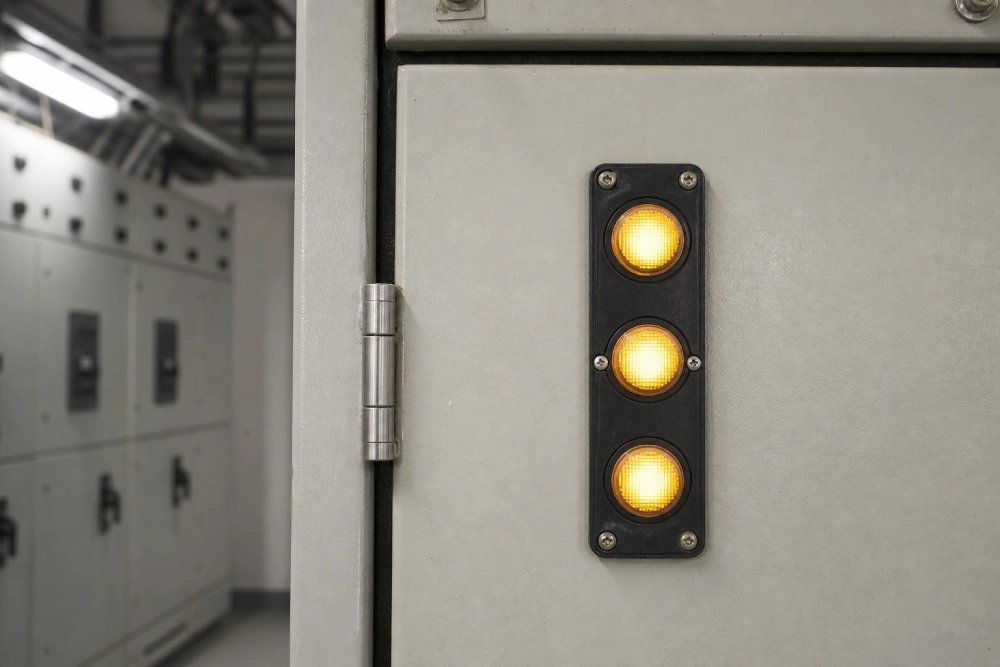
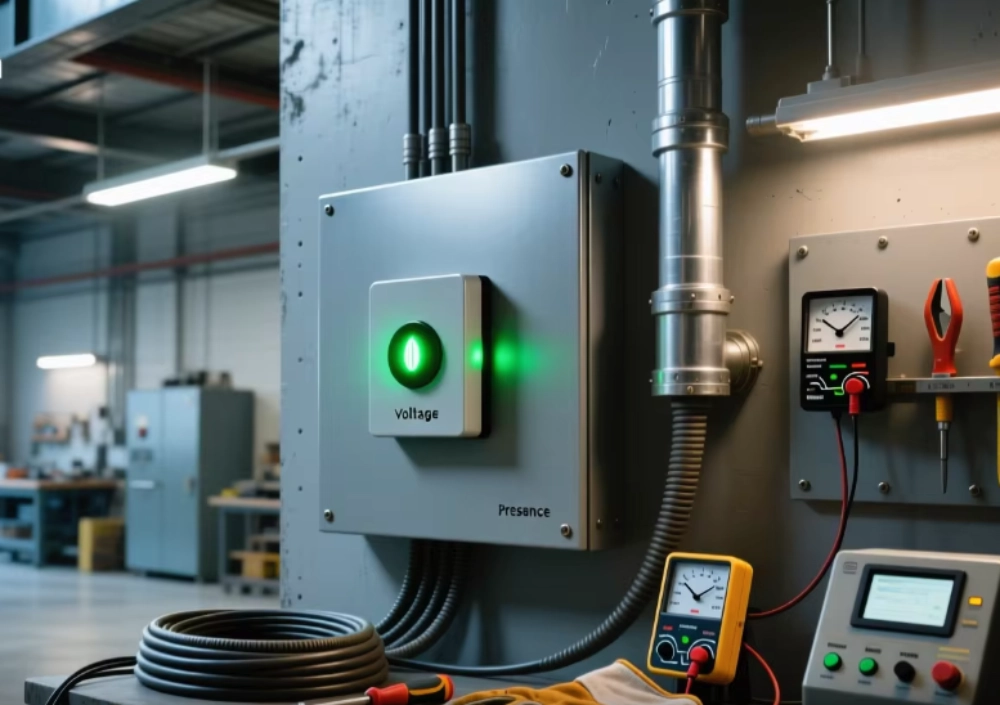
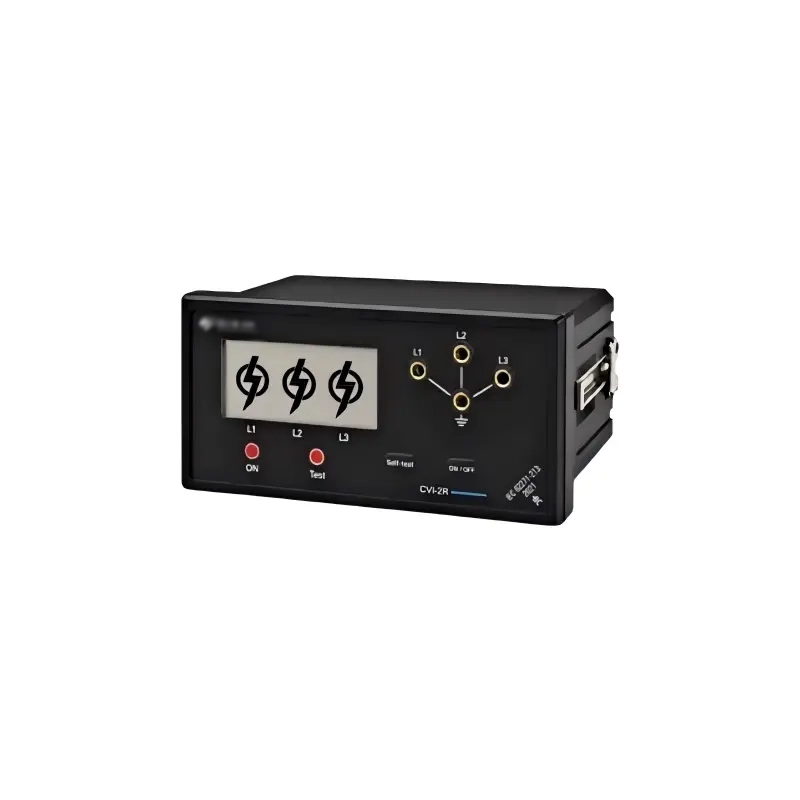
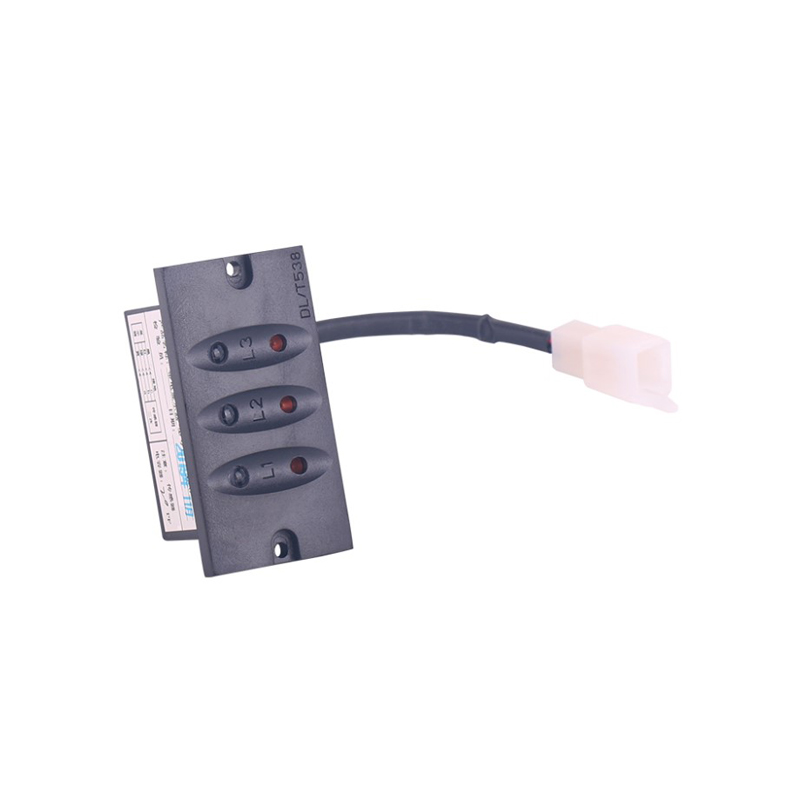
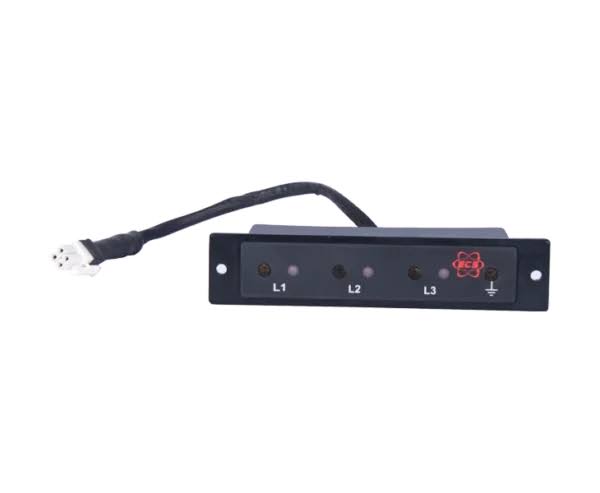
A Voltage Presence Indicator (VPI) or Voltage Detecting and Indicating System (VDIS) provides a local indication of voltage presence, commonly through LEDs or a display.
With Voltage Presence Indicator Remote Monitoring, compatible status signals can be transferred to a programmable logic controller (PLC), remote terminal unit (RTU), or SCADA system. Operators can then view reported conditions without checking every panel individually.
Not every indicator supports remote communication. Some provide only local indication, while others offer additional outputs or diagnostic functions. The actual capabilities depend on the product design and connected equipment.
How Does Voltage Presence Indicator Remote Monitoring Work?
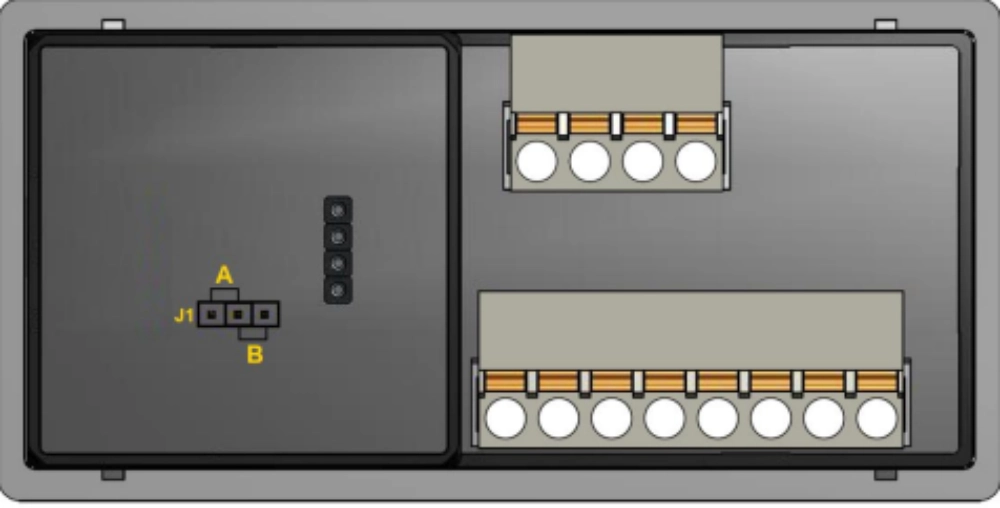
A typical system uses voltage sensors or capacitive coupling components to detect electrical conditions. The indicator displays the detected status, while a compatible output interface transfers available signals to external monitoring equipment.
The basic process involves four steps:
- Voltage detection: Sensors detect voltage at designated points.
- Status indication: The indicator displays the detected condition.
- Signal transmission: A supported output or interface sends the status to a controller.
- Remote monitoring: The platform displays received status information and may trigger configured alarms.
For example, a DXN8D High Voltage Presence Indicator may be evaluated for switchgear voltage indication applications. Its suitability for remote monitoring depends on its documented output functions and compatibility with the intended system.
Voltage presence indication should not be confused with precise voltage measurement. A basic indicator may report whether voltage is detected without providing a numerical voltage reading.
How Is a Voltage Presence Indicator Integrated with SCADA?
Remote integration depends on the indicator's available interfaces and the monitoring system's requirements.
- Relay outputs: Compatible relay contacts can transmit defined status changes to a PLC or remote input module.
- PLC and RTU connections: Controllers collect status signals and associate them with specific switchgear panels, feeders, or phases.
- SCADA integration: A SCADA platform can display received status information, record events, and generate configured alarms.
Before installation, verify output types, auxiliary power requirements, electrical isolation, wiring specifications, and communication compatibility. A digital display does not automatically mean that an indicator supports network communication or direct SCADA connectivity.
What Conditions Can Remote Monitoring Detect?
The available monitoring functions depend on the sensing technology and supported outputs.
- Voltage presence or loss: The system can report whether voltage is detected at monitored points.
- Phase status: Individual phase indications may help identify differences between phases if the device supports this function.
- Status changes: Monitoring software can generate alarms when reported conditions change unexpectedly.
- Diagnostic conditions: Some systems provide additional diagnostics, but these functions must be confirmed in the product specifications.
Grounding arrangements, sensing thresholds, wiring faults, and residual voltage can affect how indications should be interpreted. A basic indicator cannot necessarily identify the cause of a voltage change or detect every electrical fault.
Benefits and Limitations of Remote Voltage Presence Monitoring
Remote monitoring improves access to electrical status information, especially across multiple switchgear panels or distributed facilities. It can reduce routine visual checks, help operators identify abnormal status changes, and provide event records for maintenance investigations.
For applications requiring diagnostic functions, a High Voltage Indicator Display with Diagnosis may be considered, subject to verification of its specific features and system compatibility.
However, communication interruptions, auxiliary power failures, damaged wiring, or defective interfaces can prevent accurate status updates. Where supported, communication-health alarms and data freshness indicators help operators recognize unavailable or outdated information.
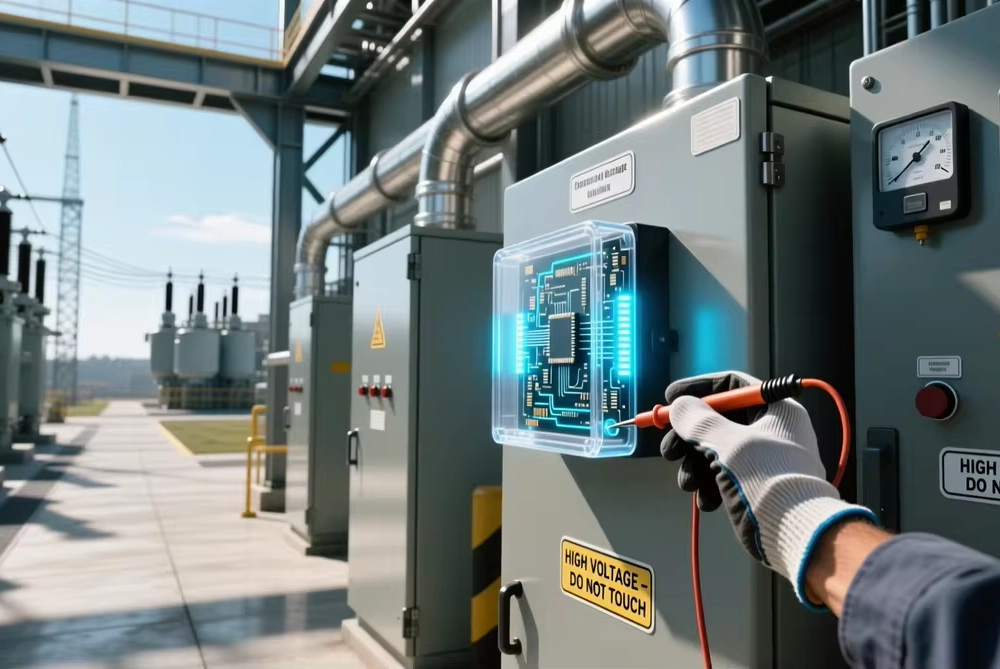
Most importantly, a remote indication of voltage absence does not prove that a circuit is safe to work on. Qualified personnel must follow applicable isolation procedures and verify the absence of voltage using appropriately rated test equipment before electrical work begins.
Frequently Asked Questions
Can a Voltage Presence Indicator Be Connected to SCADA?
Yes, a voltage presence indicator can be connected to a SCADA system if its output interfaces are compatible with the monitoring architecture. Some devices provide relay contacts or other status outputs, while others require an external interface module. A PLC or RTU can collect these signals and transmit the corresponding status to SCADA. Before installation, verify the output specifications, auxiliary power requirements, signal definitions, and communication protocols supported by the connected equipment. A standard indicator with only local LED indication cannot necessarily communicate directly with SCADA, so additional hardware may be required.
Can Remote Monitoring Confirm That a Circuit Is De-Energized?
No. Remote monitoring can report that an indicator is not detecting voltage at its designated sensing points, but this does not independently confirm that a circuit is safe to work on. Sensor faults, damaged wiring, power failures, or communication interruptions may affect the displayed status. Electrical workers must follow the applicable isolation and lockout/tagout procedures and verify the absence of voltage using appropriately rated test equipment. Remote indications can support operational awareness and maintenance planning, but they must not replace approved electrical safety procedures or the required on-site verification before work begins.
What Happens If Communication Is Lost?
When communication is lost, the monitoring platform may stop receiving updates or continue displaying the last reported status. Without a clear indication of data freshness, operators might mistake outdated information for the current electrical condition. A properly designed system should identify communication failures through connection monitoring, timeout settings, or communication-loss alarms where supported. Engineers should also verify how the system behaves when auxiliary power fails, signal wiring is disconnected, or an interface module becomes unavailable. During an interruption, operators should treat the remote status as unverified and follow established procedures to confirm the actual condition before taking operational or maintenance actions.