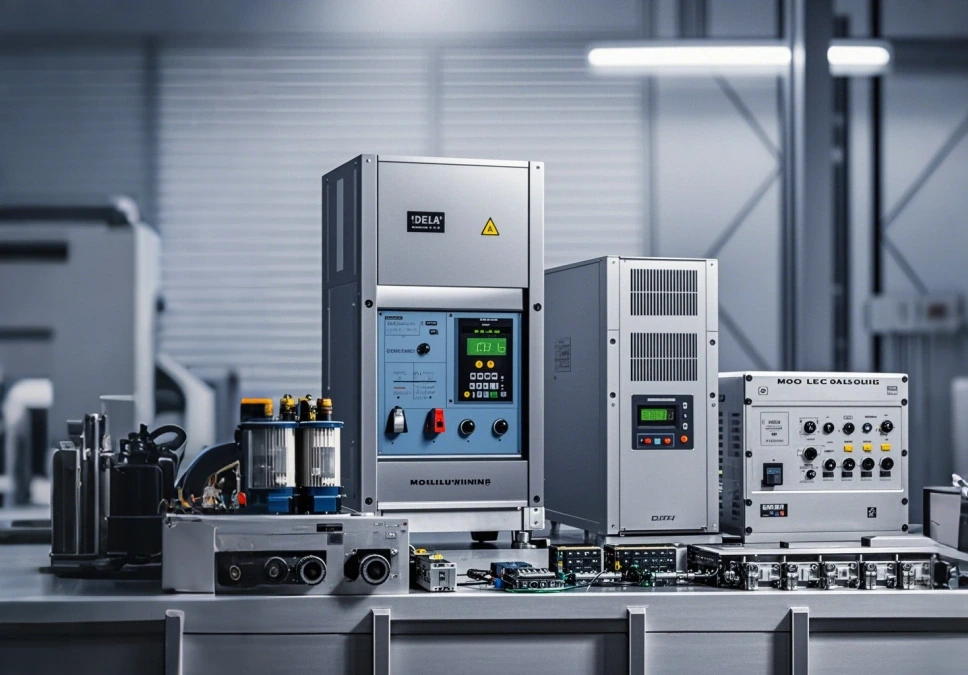
What Applications Use Indoor Interlocking Electromagnets?
Indoor interlocking electromagnet applications improve switchgear safety, equipment control, and reliable industrial protection.
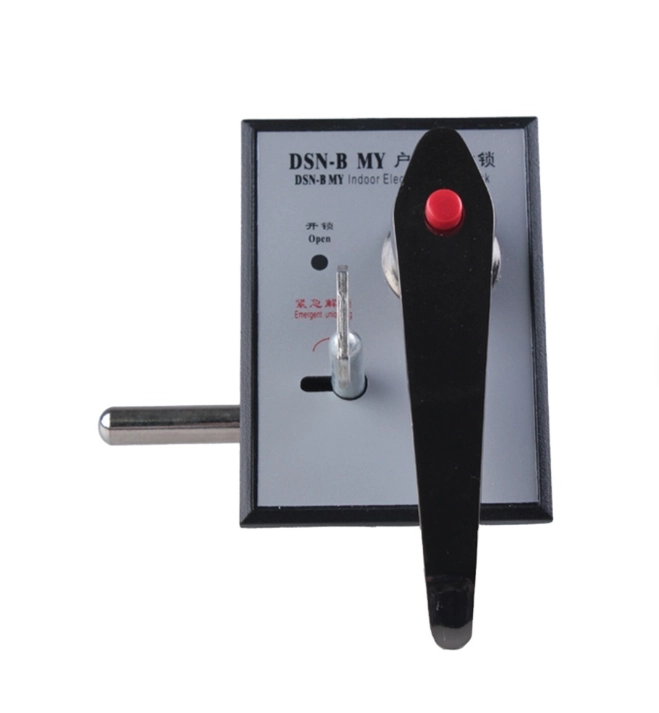
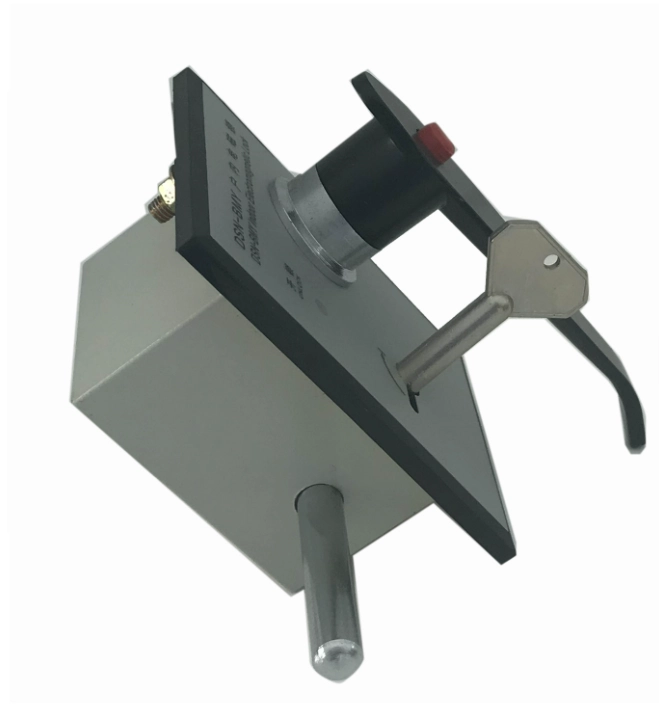
What Are Indoor Interlocking Electromagnet Applications in Modern Safety Systems
Modern electrical equipment requires reliable safety mechanisms to control operation sequences and prevent accidental actions. Indoor interlocking electromagnet applications support secure management in power systems, industrial cabinets, and automation equipment. These devices combine electromagnetic force with mechanical locking structures to create controlled access conditions. Engineers use them when equipment requires precise operation timing and protection against human errors. The systems usually include electromagnetic coils, locking parts, and status indicators. Their performance depends on stable voltage, strong holding force, and durable construction. Professional manufacturers focus on accurate production processes to provide reliable solutions for complex electrical environments.
How Indoor Electromagnetic Interlock Systems Improve Equipment Protection
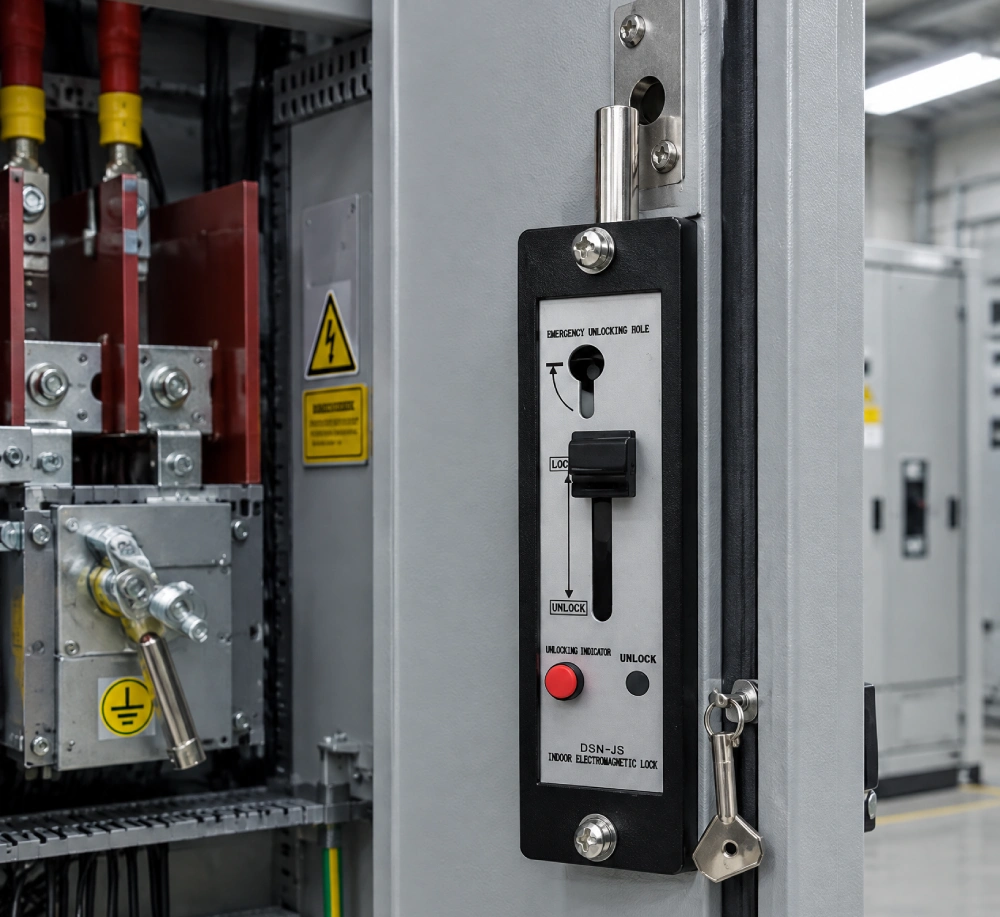
Electromagnetic interlock systems create safety connections between different equipment components. They prevent operators from completing unsafe actions before required conditions are satisfied. For example, electrical cabinet doors may remain locked until circuits reach a safe state. These systems help industries improve maintenance procedures and reduce operational risks. Reliable designs require careful consideration of mechanical structure, electrical performance, and installation requirements. Many facilities select electromagnetic locking devices because they provide consistent control without complicated operation steps. Strong technical designs also support long service life and stable performance in demanding industrial environments.
Indoor Interlocking Electromagnet Applications in Switchgear and Power Equipment
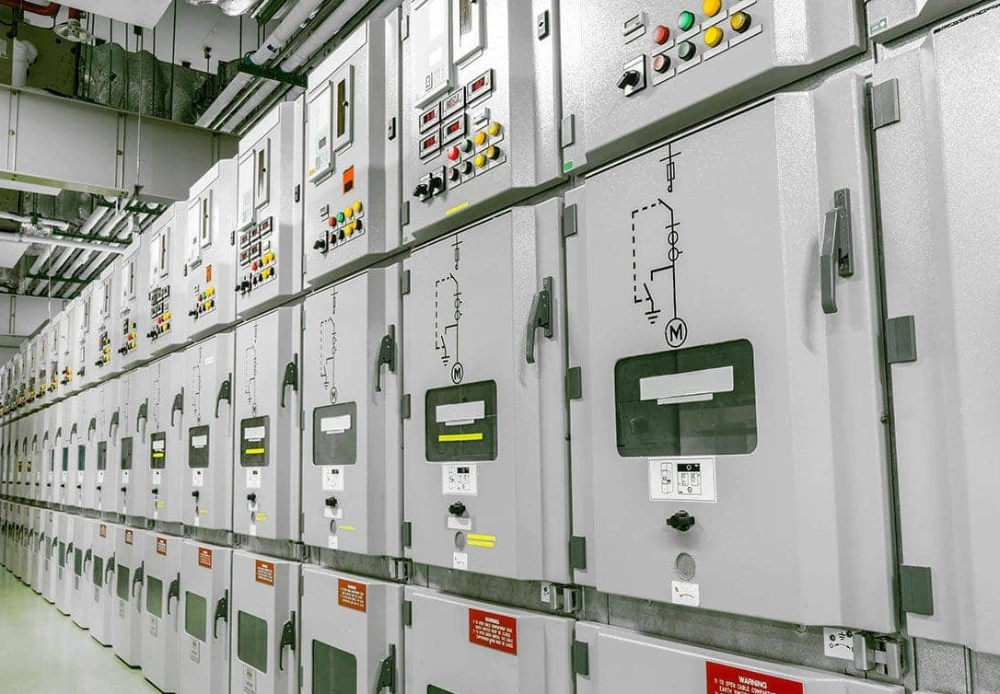
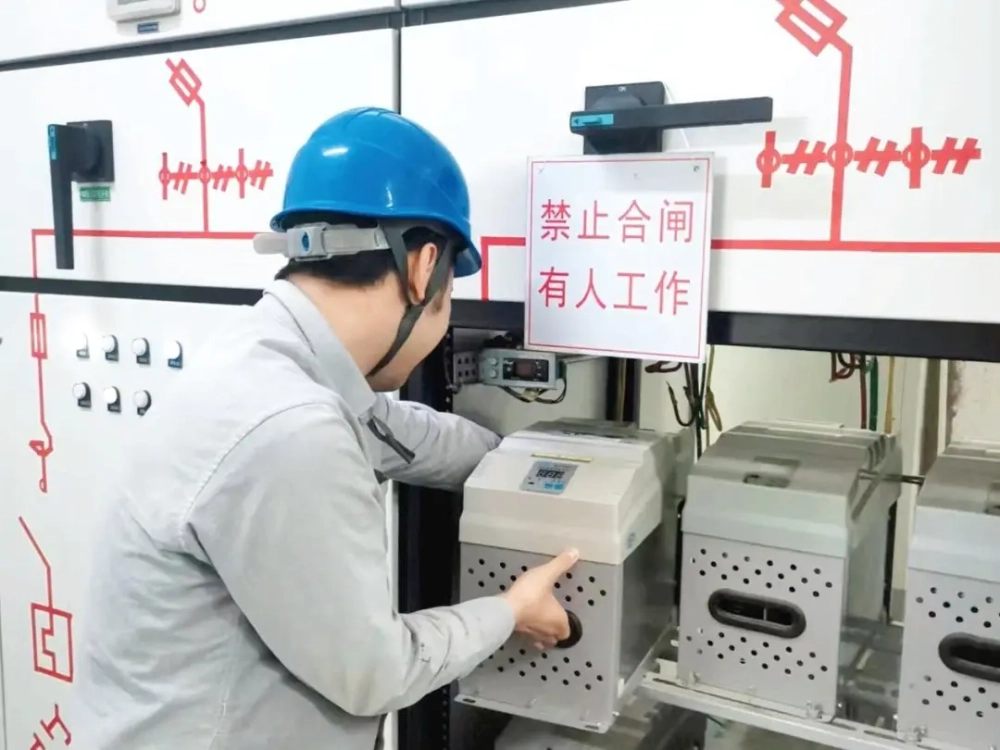
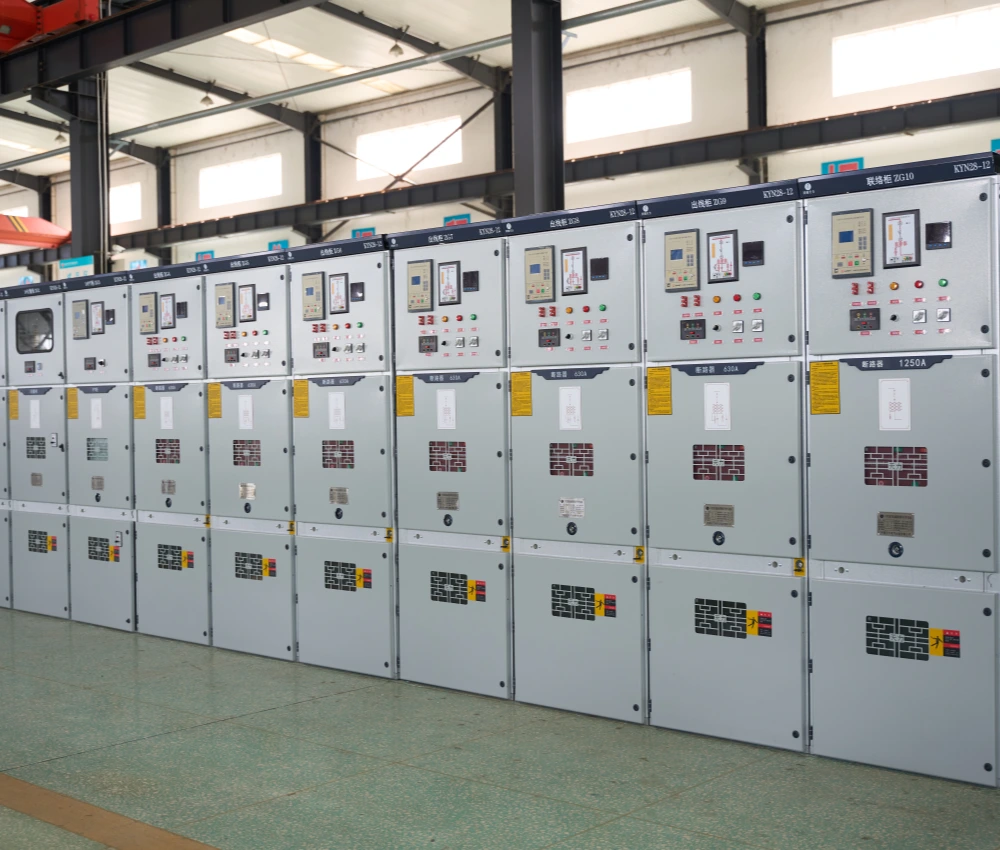
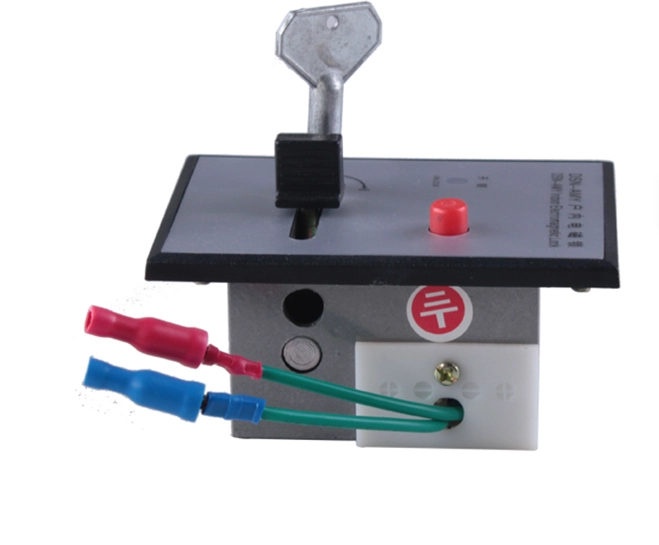
Switchgear systems manage electrical distribution and require strict safety control during operation. Indoor interlocking electromagnet applications in switchgear help coordinate switching sequences, cabinet access, and maintenance procedures. These devices connect with circuit breakers, isolators, and control systems to reduce incorrect operations. Engineers evaluate voltage ratings, locking force, and equipment structure before choosing suitable components. For example, DSN-JK Active Electromagnetic Lock for Switchgear provides active locking control for switchgear equipment that requires dependable electromagnetic operation. Proper integration improves operator safety and supports efficient maintenance activities in electrical facilities.
| Application Field | Equipment Type | Control Purpose | Safety Advantage |
|---|---|---|---|
| Power Distribution | Switchgear Cabinet | Operation sequence control | Reduces switching mistakes |
| Industrial Automation | Control Panel | Access protection | Improves workplace safety |
| Energy Systems | Electrical Compartment | Maintenance management | Prevents unsafe access |
Why Switchgear Safety Requires Advanced Locking Solutions
Switchgear safety depends on accurate coordination between electrical and mechanical components. Reliable locking systems ensure operators follow correct procedures before accessing sensitive areas. Indoor interlocking electromagnet applications improve protection by creating controlled operating sequences inside electrical equipment. These systems reduce risks caused by incorrect switching or unauthorized maintenance actions. Important design factors include electromagnetic strength, material durability, and response speed. High-quality components often use corrosion-resistant materials and precise manufacturing methods. Regular testing also helps maintain stable performance throughout the equipment lifecycle. Facilities benefit from selecting products that match specific operational requirements and environmental conditions.
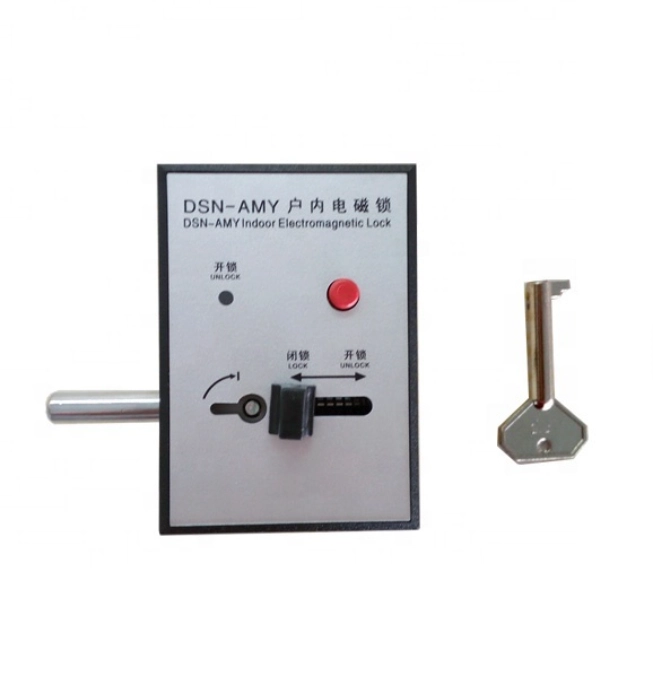
Key Factors When Selecting Electromagnetic Interlocking Components
Choosing suitable electromagnetic components requires evaluation of several technical factors. Engineers review rated voltage, holding force, installation space, and operating frequency before selecting products. Indoor interlocking electromagnet applications require solutions that match equipment structures and safety objectives. Environmental conditions also affect performance because temperature changes, dust, and humidity may influence internal parts. Reliable suppliers provide technical specifications, testing reports, and customization services. Manufacturing accuracy plays an important role because small structural differences can affect locking efficiency. Companies should consider long-term reliability rather than focusing only on initial costs. Proper selection helps create safer systems and reduces future maintenance requirements.
| Selection Factor | Technical Requirement | Performance Effect |
|---|---|---|
| Electrical Rating | Compatible operating voltage | Maintains stable function |
| Mechanical Design | Strong locking structure | Extends service life |
| Environmental Resistance | Suitable material protection | Supports harsh conditions |
- Electrical switchgear protection systems.
- Industrial automation cabinets.
- Equipment maintenance access control.
- Energy facility safety management.
Choosing Suitable Solutions for Specific Equipment Requirements
Different equipment types require different locking configurations and technical solutions. Users should evaluate installation conditions, operating requirements, and safety objectives before making decisions. Professional suppliers can provide customized recommendations based on practical applications. A suitable solution should balance performance, reliability, and maintenance convenience. Correct product selection improves equipment protection and supports stable operation over time. Companies working with experienced manufacturers can receive technical assistance, quality control support, and application recommendations. Careful planning during the selection stage helps achieve better safety results and reduces unexpected operational problems.
Frequently Asked Questions
What Makes An Interlocking Electromagnet Factory Reliable?
A reliable interlocking electromagnet factory should provide stable manufacturing capabilities, strict quality control, and professional technical support. Experienced factories usually maintain advanced production equipment, precise testing procedures, and consistent material management. They evaluate electromagnetic performance, mechanical strength, and product durability before delivery. Reliable manufacturers also offer customization services based on different equipment requirements and application environments. Clear technical communication helps customers select suitable solutions for their systems. A trustworthy factory focuses on long-term cooperation by ensuring product consistency, production efficiency, and responsive service. These factors help buyers obtain dependable electromagnetic locking products for industrial safety applications.
How Do Electromagnetic Interlocking Systems Improve Safety?
Electromagnetic interlocking systems improve safety by controlling equipment access and operating procedures. They ensure operators complete necessary steps before performing specific tasks. These systems reduce accidental actions that may damage equipment or create hazardous situations. Electrical facilities value them because they provide stable locking performance and simple operation control. Strong electromagnetic force, durable materials, and accurate installation contribute to dependable protection. Regular maintenance also supports long-term reliability. When correctly applied, electromagnetic locking technology helps companies create safer working environments and improve equipment management efficiency.
What Factors Affect the Performance of Electromagnetic Interlocks?
Several factors influence electromagnetic interlock performance, including voltage stability, structural quality, material selection, and environmental conditions. Products must match the equipment requirements and operating environment. Temperature changes, humidity, and repeated operation cycles may affect service life. Manufacturers improve reliability through precise production methods and strict quality inspections. Installation accuracy also affects locking effectiveness because incorrect positioning can reduce performance. Companies should evaluate technical specifications carefully before selecting components. Professional supplier support helps users choose suitable solutions for different industrial applications and maintain stable equipment operation.