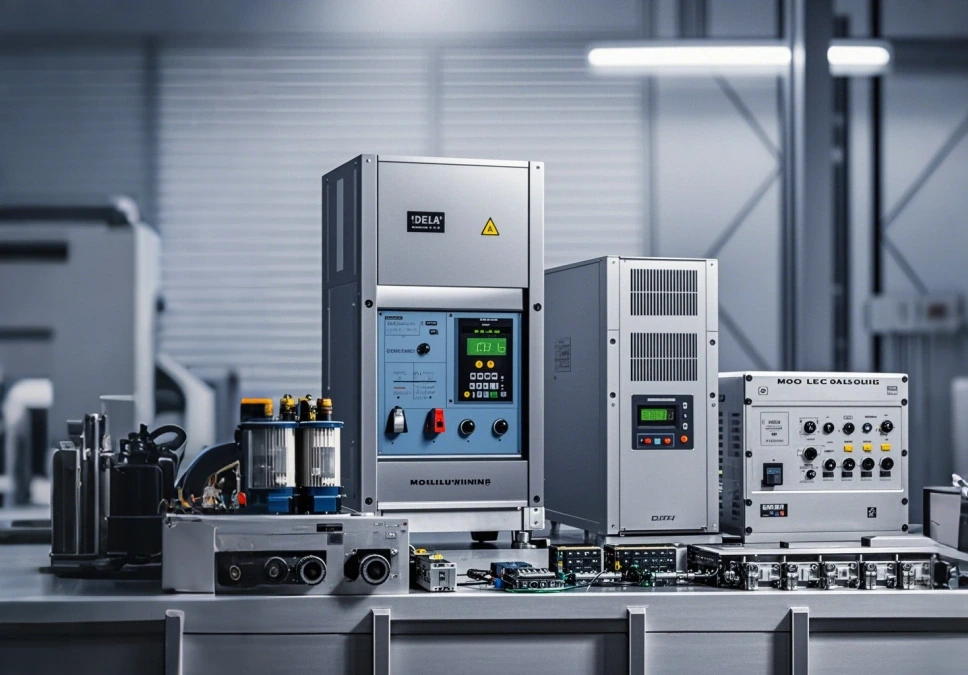
What Does A Switchgear Electromagnetic Lock Factory Offer?
Switchgear electromagnetic lock factory offers OEM design, custom voltage options, testing, and reliable medium-voltage interlocking.
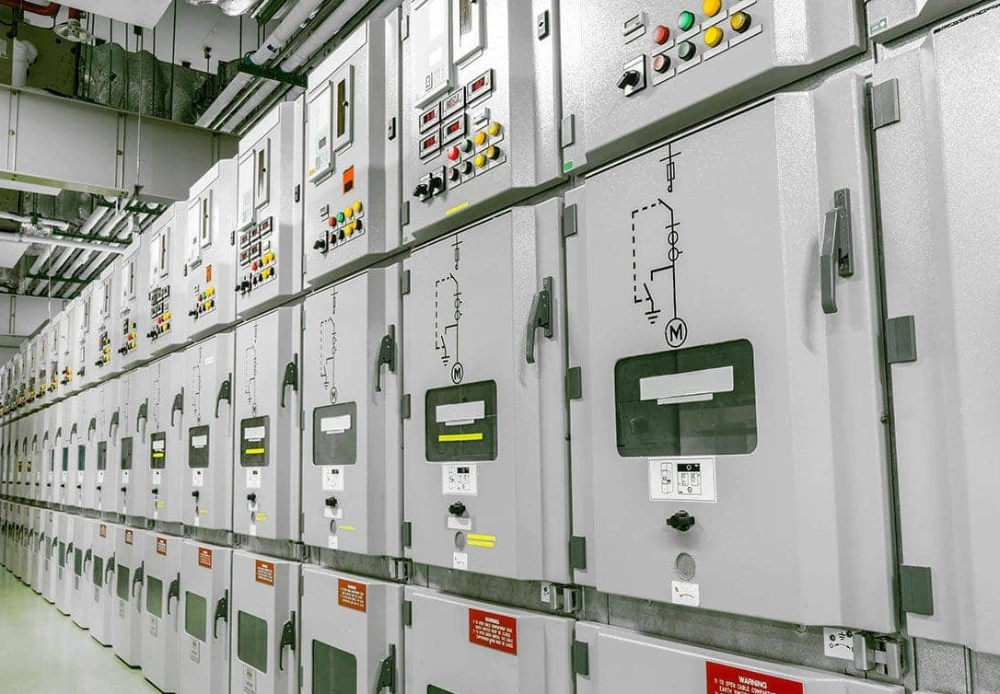
A switchgear electromagnetic lock factory provides more than standard locking hardware. Its work usually combines electrical design, mechanical engineering, production, and testing. Electromagnetic interlocks can control access or operating sequences inside medium-voltage switchgear. They work with control circuits, operating mechanisms, doors, and grounding systems. Proper selection depends on voltage, mounting space, locking direction, and required force. Engineers also need to consider the cabinet structure and operating sequence. A factory with OEM capability can adapt these parameters to project drawings. Such customization helps avoid installation changes during panel assembly. Reliable production also requires dimensional inspection and functional testing. These controls matter when multiple panels must use identical components. Therefore, buyers should evaluate both product construction and technical support before placing volume orders.
How Electromagnetic Interlocking Supports Switchgear Safety
Electromagnetic interlocking creates a controlled relationship between electrical conditions and mechanical movement. A control signal can release or block a locking pin. The mechanism can therefore prevent access during an unsafe operating condition. For example, a cabinet door may remain locked while an earthing switch stays open. Another arrangement can restrict an operating handle until a circuit breaker reaches the correct position. This principle complements mechanical interlocks already built into many switchgear designs. The exact logic depends on the switchgear design. Engineers should define every permitted and prohibited sequence before selecting the lock.
Which Components Determine Electromagnetic Lock Performance?
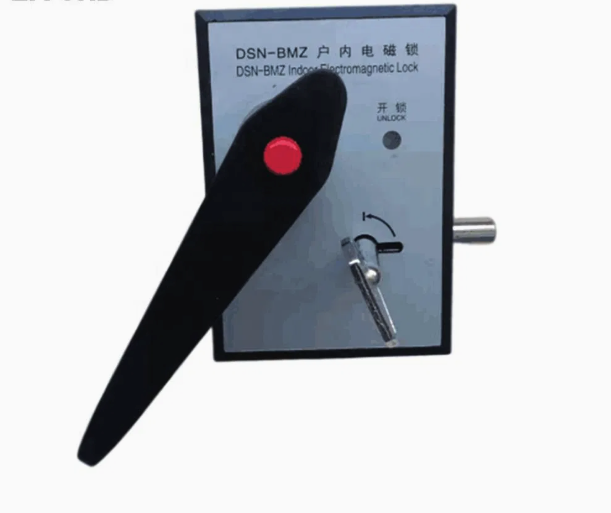
Several internal components determine whether an electromagnetic lock performs consistently. The coil generates the magnetic field that moves or holds the armature. A ferromagnetic core concentrates that magnetic field around the working area. The plunger transfers magnetic or spring force to the locking mechanism. Springs determine the return action after power removal. The housing protects internal components from mechanical damage and installation stress. Auxiliary contacts can provide position feedback to a control circuit. Terminal blocks or leads connect the device with the cabinet wiring. Manufacturing tolerances also affect alignment between the plunger and receiving hole. Even small misalignment can increase friction and reduce reliable movement. Consequently, production inspection should cover both electrical characteristics and mechanical dimensions.
Which Electrical Parameters Need Careful Matching?
Control voltage represents one of the first parameters engineers should confirm. Common designs use DC or AC control supplies according to the cabinet circuit. The coil must match the actual control voltage and its acceptable tolerance. Engineers should also check coil power because continuous energization can create heat. Control relays need suitable contact ratings when they switch inductive loads. Surge suppression may also protect control components from voltage transients. The lock's release condition must match the intended safety philosophy. Some systems release only when power remains available. Other designs use spring action to return the lock after power removal. Buyers should provide the complete control schematic rather than only stating nominal voltage. This approach reduces mismatches between the lock and the switchgear control system.
How Does Mounting Design Affect Switchgear Integration?
Mounting geometry often determines whether an electromagnetic lock can fit without cabinet modifications. Engineers need to confirm mounting holes, body dimensions, locking depth, and plunger travel. Door-mounted applications may require precise alignment between the lock and receiving plate. Mechanism-mounted applications may require a different bracket or plunger direction. Limited cabinet space can also restrict the available housing dimensions. Cable routing deserves attention because sharp bends can stress terminals or conductors. Maintenance access should remain available after installation. A lock that fits physically may still create service problems if technicians cannot reach its terminals. For OEM projects, the manufacturer can modify mounting dimensions around existing structures. Accurate drawings therefore provide a practical starting point for successful integration.
What Customization Can A Switchgear Electromagnetic Lock Factory Offer?
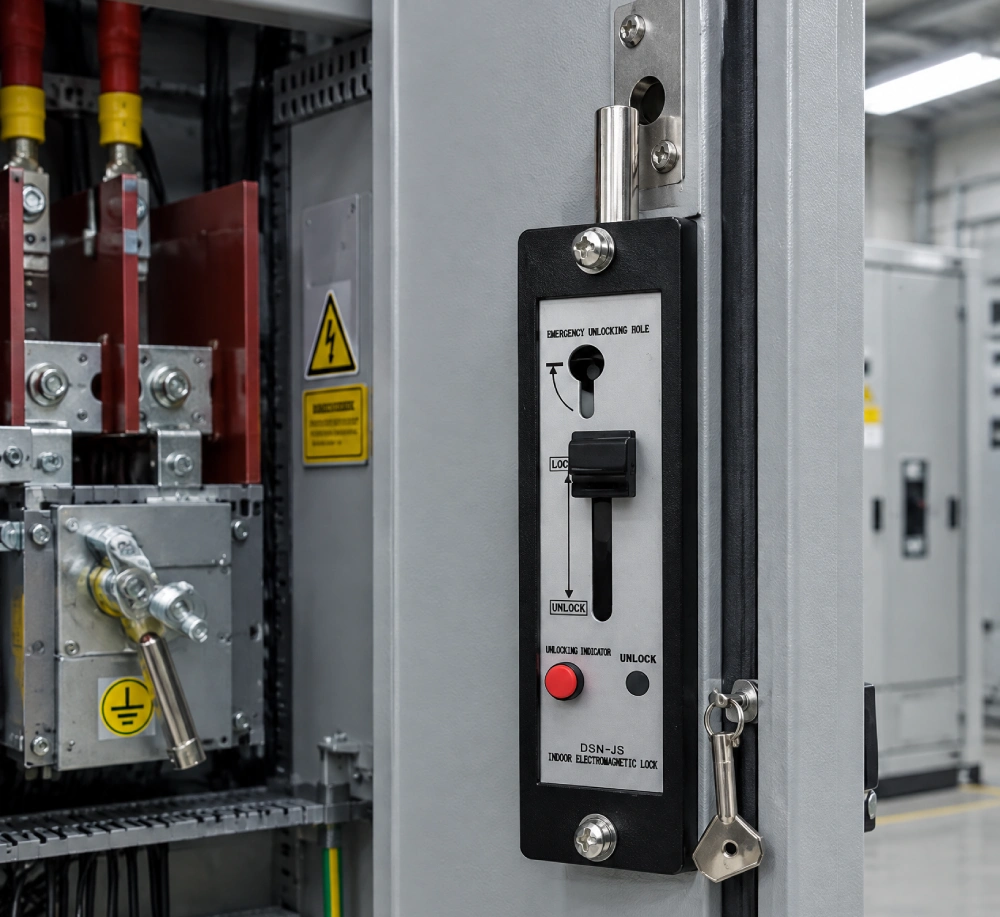
A switchgear electromagnetic lock factory can adjust several parameters for OEM and ODM projects. Engineers may specify coil voltage, plunger stroke, locking depth, spring force, and mounting dimensions. Housing materials can also change according to mechanical and environmental requirements. Auxiliary contacts may provide lock-status feedback for PLC or protection circuits. Some projects require customized brackets because the original cabinet has restricted installation space. Others need different plunger orientations because the operating mechanism moves laterally. The customization process normally begins with cabinet drawings and operating sequences. Engineers then verify the required movement before finalizing dimensions. DSN-JK Active Electromagnetic Lock for Switchgear OEM/ODM can represent a project-specific configuration when buyers need customized integration. Clear technical confirmation remains essential before sample production.
What Testing Should Electromagnetic Interlocks Receive?
A switchgear electromagnetic lock factory should verify electrical and mechanical behavior before shipment. Each coil should receive a voltage and continuity check against its specified rating. Technicians should also verify reliable plunger movement during repeated operating cycles. Locking depth and return action require dimensional and functional inspection. Auxiliary contacts should switch at the correct mechanical position. Insulation checks can verify electrical separation between relevant conductive parts. For suitable products, endurance testing can reveal premature spring wear or mechanical friction. Environmental requirements may also require temperature or humidity testing. IEC 62271-200 covers metal-enclosed switchgear and controlgear requirements for medium-voltage applications. Testing should therefore match the actual switchgear application rather than rely on generic inspection alone. A documented test record improves traceability for batch orders.
What Does A Real Switchgear Interlocking Project Show?
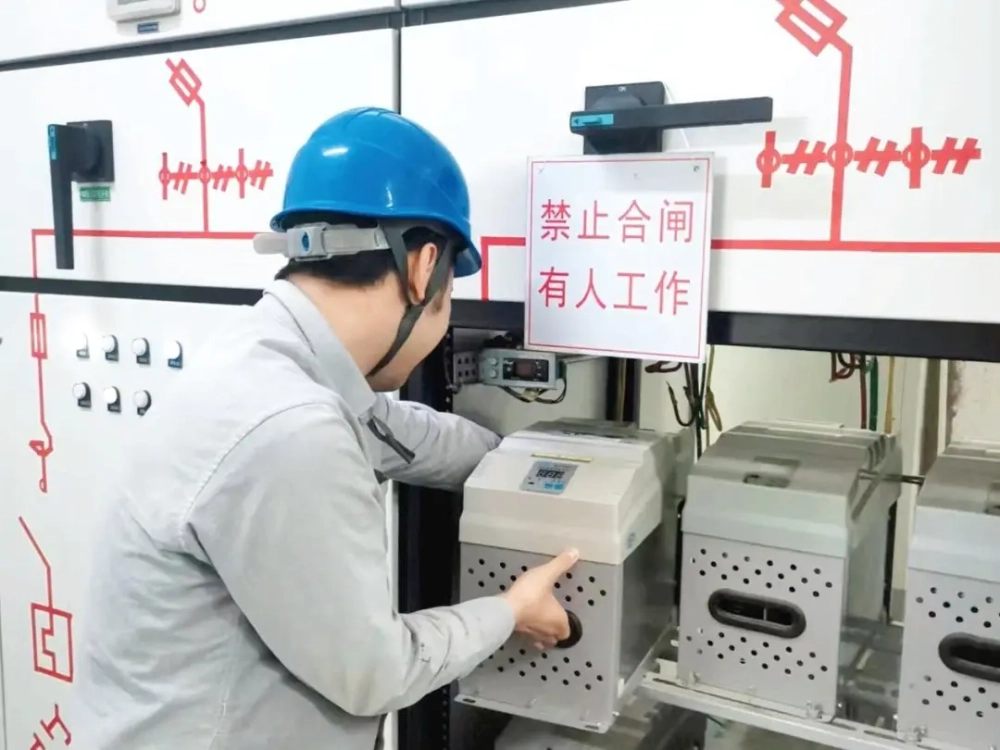
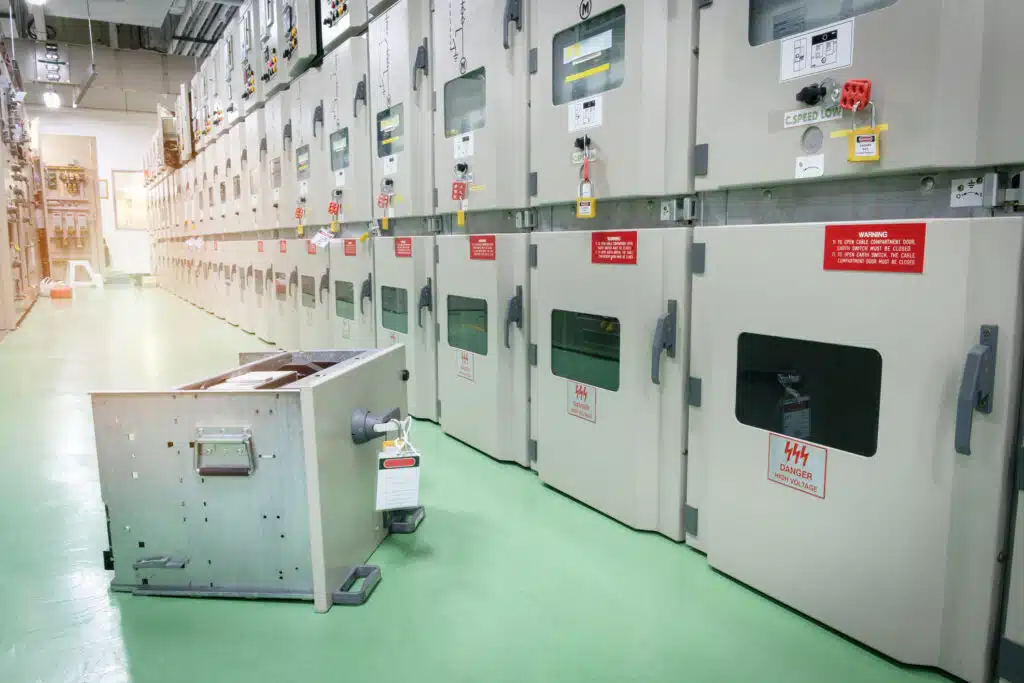
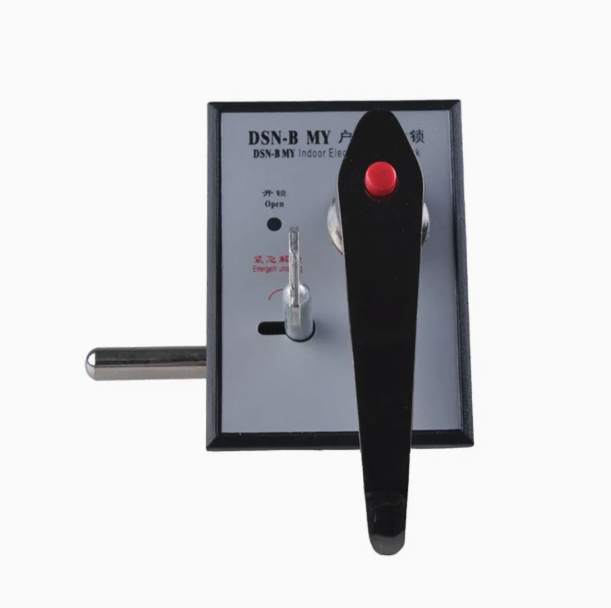
A documented 12 kV switchgear project demonstrates why interlocking requires coordinated engineering. In this type of application, the system manages circuit breakers, withdrawable trolleys, earthing switches, cabinet doors, and control circuits. The interlocking sequence prevents specific operations until the equipment reaches its required position. For example, the earthing mechanism cannot operate when the circuit breaker trolley remains in the service position. Similarly, trolley movement can remain restricted while the circuit breaker stays closed. Door access can also depend on the electrical and mechanical state of the equipment. An electromagnetic device can provide an additional locking point within this sequence. Such integration helps coordinate electrical signals with physical movement. Engineers should verify every permitted and prohibited operation before production. This approach reduces incorrect-operation risks and supports consistent switchgear operation during maintenance.
Which Specifications Should Buyers Compare?
The following parameters help buyers compare suitable electromagnetic interlocking configurations. They also provide a practical checklist for technical quotation requests.
| Parameter | What To Confirm | Why It Matters |
|---|---|---|
| Control voltage | AC or DC value and tolerance | Ensures compatibility with the control circuit |
| Locking force | Required mechanical holding force | Prevents unintended movement under operating loads |
| Plunger stroke | Required travel distance | Ensures complete engagement with the mechanism |
| Mounting | Hole pattern and installation direction | Reduces cabinet modification work |
| Auxiliary contact | Contact quantity and signal function | Provides lock-position feedback |
| Environment | Temperature, humidity, dust, and vibration | Supports reliable operation in service conditions |
These parameters should match the actual switchgear mechanism rather than a generic specification sheet. Control voltage alone cannot confirm compatibility because mechanical geometry also affects operation. A short plunger may fail to reach the receiving mechanism. Excessive force may create unnecessary stress on moving parts. Auxiliary contacts also need suitable electrical ratings for connected circuits. Buyers should therefore send drawings and operating descriptions with their RFQ. This information allows engineers to check electrical and mechanical interfaces together. It also helps prevent costly changes after cabinet assembly.
How Does Production Quality Affect Batch Consistency?
A switchgear electromagnetic lock factory should control manufacturing processes rather than depend on final inspection alone. Coil winding requires stable wire tension and consistent turns across production batches. Core and plunger machining must maintain dimensions that support smooth movement. Spring characteristics should remain within the defined operating range. Housing machining also requires accurate hole positions and mounting surfaces. Assembly technicians need controlled procedures for fastening and alignment. Functional testing can then identify abnormal current, movement, or contact behavior. Traceability becomes increasingly important when buyers order many switchgear panels. Production records can connect components with inspection results and batch information. Such controls help manufacturers identify recurring deviations quickly. They also give OEM buyers stronger confidence when replacing or expanding existing switchgear assemblies.
What Information Should Buyers Provide Before Ordering?
Buyers can reduce technical delays by preparing several key documents and specifications.
- Switchgear drawings and mounting dimensions.
- Control voltage and wiring diagrams.
- Required locking and release sequences.
- Plunger direction, stroke, and locking depth.
- Auxiliary contact requirements and signal logic.
- Operating temperature and environmental conditions.
- Required inspection reports and documentation.
These details give engineers enough information to evaluate the complete interface. DSN DM Indoor Electromagnetic Door Lock OEM/ODM can suit projects where cabinet-door access requires controlled electromagnetic locking. However, door dimensions alone cannot define the correct configuration. The engineer must also verify the relationship between door position and electrical status. Emergency operation should receive specific attention where the project requires manual release. Maintenance personnel need a clear procedure for restoring normal interlocking afterward. Providing these details before sampling can reduce repeated drawing revisions. It also helps the factory establish consistent requirements for future production batches.
How Should Buyers Evaluate OEM Technical Support?
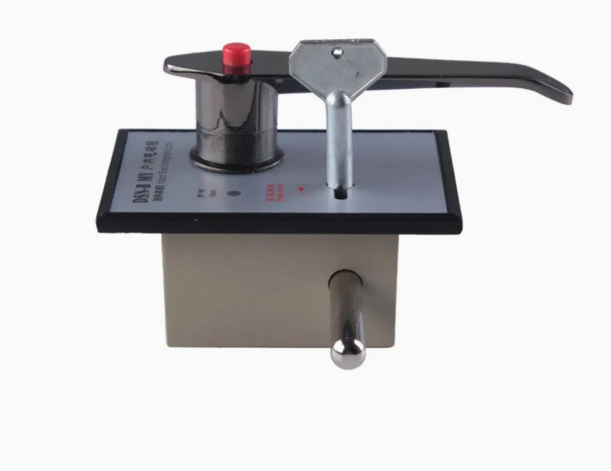
A switchgear electromagnetic lock factory should provide technical communication from initial drawings through final inspection. Engineers should respond clearly to questions about voltage, dimensions, force, and operating sequences. Drawing confirmation should happen before production begins. Sample units should then receive functional checks under representative conditions. Production orders require consistent component specifications and inspection criteria. Documentation may include dimensional records, electrical test results, and material information. After delivery, replacement parts should follow the same approved configuration whenever possible. A factory should also communicate design changes before applying them to repeat orders. This process protects compatibility across multiple switchgear batches. Buyers should therefore evaluate technical support as part of the complete supply relationship. Product capability matters, but engineering coordination also affects project efficiency.
Frequently Asked Questions
What voltage options can electromagnetic locks support?
Electromagnetic locks can use different AC or DC control voltages. The correct choice depends on the switchgear control circuit. Engineers should confirm the nominal voltage, tolerance, duty cycle, and coil power. DC coils often suit battery-backed control systems and relay circuits. AC coils can match certain auxiliary power arrangements. Coil voltage should never rely only on the cabinet's nominal supply label. Designers should check actual circuit conditions and switching devices. Continuous energization also affects thermal performance inside compact cabinets. Buyers should provide the control schematic when requesting a customized configuration. The manufacturer can then select or design the coil around the actual operating requirements.
How does an electromagnetic lock prevent switchgear misoperation?
An electromagnetic lock restricts mechanical movement until the control circuit permits operation. The device can block a door, operating handle, or mechanism component. Position signals can also confirm whether another device has reached its required state. For example, a lock may prevent cabinet access while an earthing switch remains open. Another configuration can restrict mechanism movement until a breaker reaches a defined position. The exact sequence depends on the switchgear design and safety logic. Electromagnetic locking therefore works alongside mechanical interlocks and control circuits. Engineers should map every permitted sequence before selecting the locking device. Proper coordination helps prevent unintended operations during switching and maintenance.
What information should buyers provide for OEM customization?
Buyers should provide cabinet drawings, mounting dimensions, control voltage, and operating logic. Plunger direction and required travel should also appear in the technical request. Information about spring force and locking depth can further improve configuration accuracy. Auxiliary contact requirements should include contact quantity and signal purpose. Environmental conditions can affect housing and component selection. Buyers should also state whether the lock operates continuously or intermittently. Emergency operation requirements deserve separate confirmation because they can affect the mechanism design. A complete wiring diagram helps engineers verify electrical compatibility. Photographs can supplement drawings when existing equipment requires replacement. With these details, manufacturers can evaluate mechanical interfaces and electrical behavior before sample production.