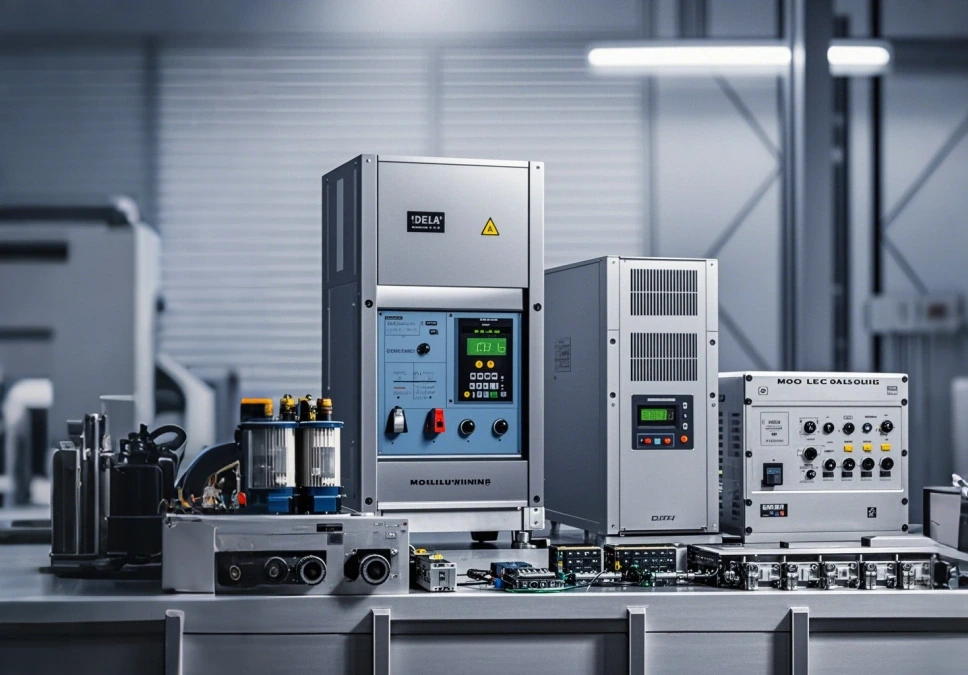
What Factors Affect The Quality Of Switchgear Cabinet Lights?
Switchgear light quality factors cover materials, LED components, safety design, testing standards, and durable lighting solutions.
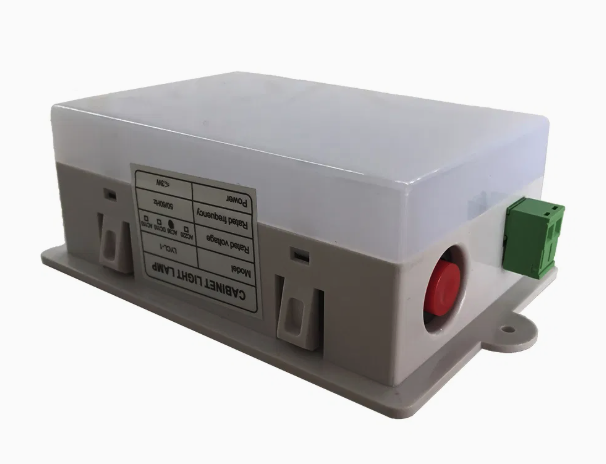
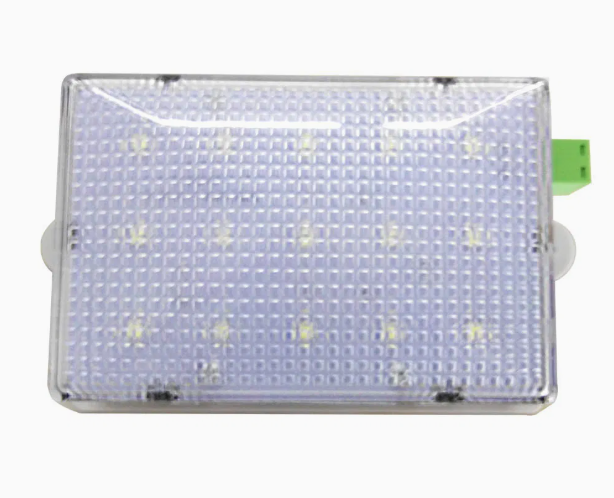
Cabinet lights play a critical role in electrical equipment inspection and maintenance. The switchgear light quality factors influence brightness stability, safety performance, service life, and operational reliability. Industrial switchgear environments often contain vibration, heat, dust, and voltage changes. Therefore, cabinet lighting requires durable structures, efficient LED systems, and protective electrical designs. High-quality lights allow technicians to check internal components clearly during routine inspections. Manufacturers usually evaluate housing materials, optical performance, thermal control, and production testing before supplying products. A complete evaluation process helps ensure cabinet lights can maintain stable operation under demanding industrial conditions.
Key Materials Behind switchgear light quality factors
Material selection directly affects cabinet light durability and environmental resistance. Aluminum alloy housings provide lightweight structures and strong heat dissipation abilities. Stainless steel materials offer better corrosion resistance for chemical or humid environments. Engineering plastics support electrical insulation and reduce product weight. The internal materials also influence reliability because connectors, wires, and protective covers need stable performance during continuous operation. A suitable combination of mechanical strength, insulation ability, and thermal properties improves product lifespan. Buyers should check material specifications carefully because unsuitable materials may cause deformation, overheating, or reduced protection during long-term use. Professional suppliers usually provide detailed material information to support product selection.
LED Components And Optical Design Improve Lighting Performance
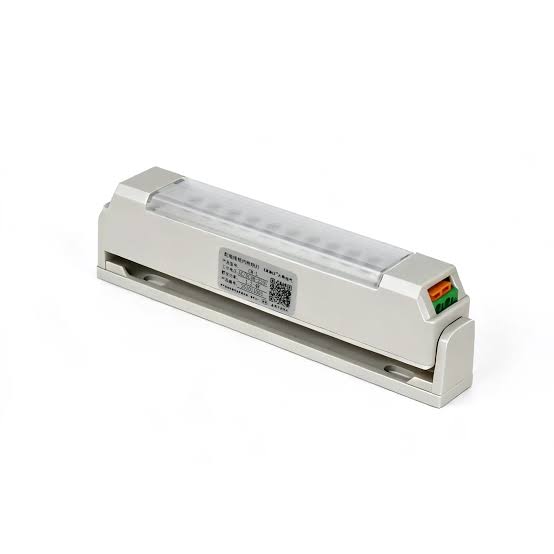
LED components determine illumination quality, energy efficiency, and working lifespan. High-quality LED chips provide consistent brightness and lower energy consumption. The driver system controls current stability and protects the light source from voltage fluctuations. Optical lenses also influence lighting coverage because they distribute light evenly inside narrow electrical cabinets. Poor optical design may create dark areas and reduce inspection efficiency. Reliable cabinet lights combine efficient chips, stable drivers, and suitable lenses to achieve balanced illumination. Products such as CM-1 Cabinet Light for Switchgear provide stable illumination with optimized LED structures for electrical cabinet inspection. These designs help technicians identify internal components faster while maintaining reliable lighting performance during long-term operation.
Electrical Safety Design Supports Reliable Cabinet Lighting
Electrical protection is essential for cabinet lighting applications because switchgear systems involve high safety requirements. Insulation structures prevent unwanted electrical contact between circuits and external surfaces. Proper voltage compatibility protects components from damage caused by unsuitable power conditions. Protection ratings, such as IP classifications, indicate resistance against dust and moisture exposure. These switchgear light quality factors help determine whether products can operate safely in different industrial environments. Manufacturers should conduct electrical testing to verify insulation performance, connection stability, and protective functions. Buyers should review technical documents before purchase because safety performance directly affects equipment reliability and personnel protection.
| Safety Feature | Main Function | Industrial Benefit |
|---|---|---|
| Insulation Protection | Prevents electrical contact risks | Improves operation safety |
| IP Protection Level | Blocks dust and moisture | Supports harsh environments |
| Voltage Matching | Maintains electrical compatibility | Reduces component failures |
Testing Standards And switchgear light quality factors
Testing procedures confirm whether cabinet lights can maintain stable performance during operation. Manufacturers commonly perform aging tests, voltage tests, temperature evaluations, and vibration assessments. Aging tests check brightness stability after continuous working periods. Temperature tests evaluate performance under different environmental conditions. Vibration tests verify whether structures remain reliable during equipment operation. Testing results provide valuable information about product consistency and manufacturing quality. The switchgear light quality factors become more visible through professional inspection because testing identifies weaknesses before delivery. Reliable suppliers usually maintain strict quality systems and provide technical reports for industrial buyers.
Thermal Management Extends Cabinet Light Service Life
Heat control plays an important role in LED reliability. Excessive heat can reduce brightness stability and shorten electronic component lifespan. Effective heat sinks transfer heat away from LED chips and drivers. Aluminum structures are widely used because they provide excellent thermal conductivity. Proper ventilation design also improves temperature control inside closed electrical cabinets. Manufacturers need to consider internal space limitations and operating conditions during product development. CM-L3 Explosion-Proof Cabinet Light for Switchgear is designed for demanding environments where explosion protection and thermal stability are required. Good thermal management reduces maintenance requirements and supports longer working periods. Cabinet lighting solutions with efficient heat dissipation can provide more consistent performance in industrial applications.
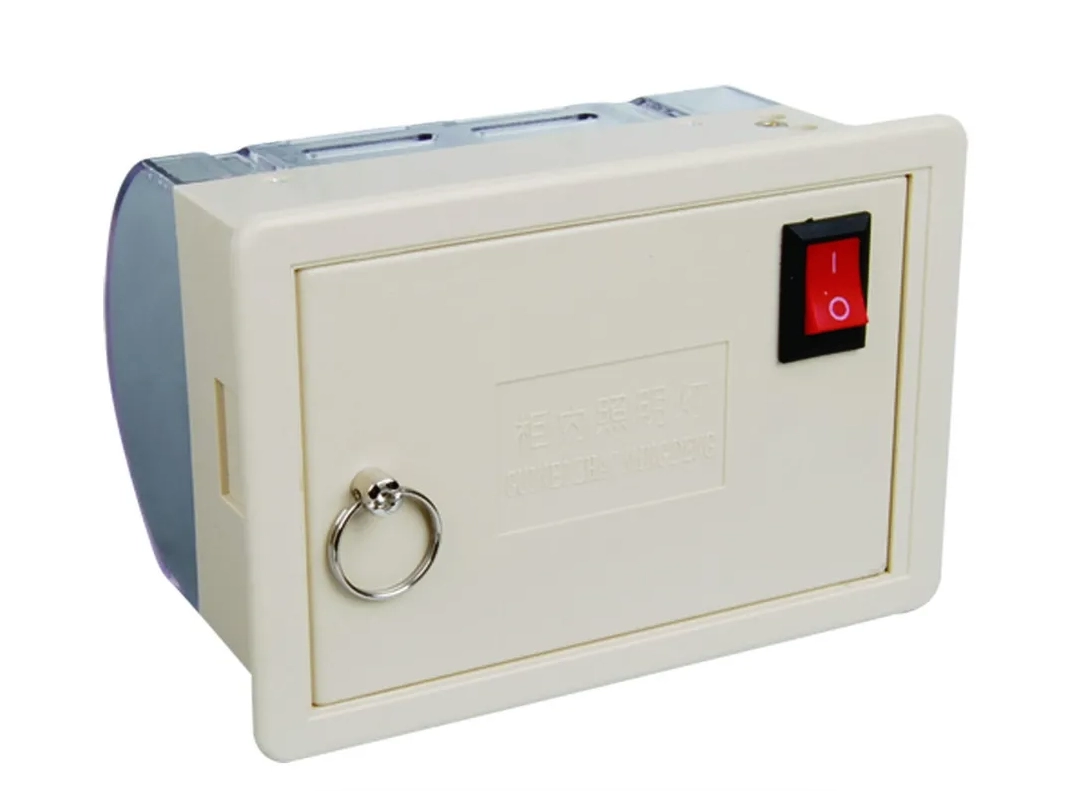
Important Specifications For Selecting Cabinet Lighting Solutions
Product specifications help buyers compare different lighting options. Brightness, voltage range, material type, protection level, and temperature tolerance influence application results. A clear specification review allows purchasing teams to select products that match actual cabinet requirements.
| Specification | Selection Consideration | Application Effect |
|---|---|---|
| Brightness | Match cabinet dimensions | Improves internal visibility |
| Operating Voltage | Fit system requirements | Maintains stable operation |
| Working Temperature | Consider environment conditions | Supports durability |
| Housing Material | Select based on application | Enhances protection |
Purchasing Evaluation For Industrial Cabinet Lights
Selecting a suitable supplier requires careful evaluation of technical ability and production reliability. Important points include:
- Manufacturing experience with electrical cabinet lighting.
- Availability of quality certifications and testing reports.
- Custom design support for different applications.
- Transparent information about components and materials.
- Professional after-sales service.
A reliable supplier provides detailed product data and responds to application requirements. Buyers should compare overall performance instead of focusing only on initial costs. Products with stable quality can reduce replacement frequency and maintenance expenses. Careful supplier evaluation creates better long-term value for industrial electrical projects.
Installation Conditions Influence Long-Term Lighting Results
Installation environments affect lighting efficiency and service performance. Cabinet dimensions, mounting locations, wiring arrangements, and internal temperatures all influence final results. Proper positioning improves illumination coverage and reduces shadows during inspections. Compact lighting structures work better in cabinets with limited installation space. Environmental conditions such as humidity, dust, and vibration should also receive attention before installation. Evaluating switchgear light quality factors during installation planning helps companies select suitable solutions for different operating conditions. Correct installation methods improve reliability and allow cabinet lights to maintain consistent performance throughout their service period.
Future Trends In Industrial Cabinet Lighting Technology
Industrial lighting technology continues moving toward smarter and more efficient solutions. Modern products focus on energy-saving LED systems, compact structures, and intelligent control functions. Future switchgear light quality factors will include improved monitoring capabilities, stronger environmental resistance, and better integration with electrical management systems. Manufacturers are developing lighting products with enhanced materials and optimized thermal designs. These improvements help reduce energy consumption while supporting safer maintenance operations. As industrial equipment becomes more advanced, cabinet lighting will require higher efficiency, stronger protection, and more flexible designs.