How Can Buyers Select Reliable Switchgear Cabinet Lights?
Switchgear cabinet light selection helps buyers assess brightness, safety, durability, and reliable cabinet performance for electrical.
Why Reliable Cabinet Lighting Matters in Electrical Equipment Applications
Switchgear cabinet light selection plays an important role in maintaining safe electrical operations and improving maintenance efficiency. Electrical cabinets often contain complex components, including breakers, terminals, relays, and control devices. Poor visibility can increase inspection difficulties and create operational risks during service work. Reliable cabinet lighting provides clear internal illumination while supporting faster troubleshooting and safer equipment handling. Buyers should evaluate brightness, electrical compatibility, thermal performance, and mechanical protection before purchasing. A suitable lighting solution should match cabinet conditions, operating environments, and installation requirements. Careful evaluation helps reduce replacement frequency and supports stable performance throughout the equipment lifecycle.
How Can Buyers Select Reliable Switchgear Cabinet Lights Through Illumination Analysis?
Lighting performance directly affects visibility inside electrical enclosures. Buyers should review illuminance values, beam distribution, color temperature, and light coverage before selecting suitable products. A cabinet light should provide balanced illumination without creating strong shadows or unnecessary glare. LED technology has become widely used because it offers efficient energy consumption and stable output. Different cabinet sizes require different brightness levels, while compact enclosures may need focused lighting designs. Buyers should also consider whether the light can maintain consistent performance after long operating periods. Proper illumination improves inspection accuracy and allows technicians to identify components quickly during maintenance activities.
| Lighting Factor | Selection Consideration | Impact on Performance |
|---|---|---|
| Brightness | Match cabinet size and internal components | Improves visibility and inspection efficiency |
| Light Distribution | Avoid dark areas and excessive glare | Creates balanced cabinet illumination |
| Color Temperature | Select suitable visual comfort levels | Supports accurate component recognition |
Electrical Safety Factors Affecting Switchgear Cabinet Light Selection
Electrical safety remains a primary consideration when choosing lighting products for switchgear environments. Buyers should check rated voltage, insulation structure, wiring protection, and electrical connection methods. Cabinet lights must operate safely alongside sensitive electrical equipment without causing interference or failures. High-quality designs usually include protective components that reduce risks from voltage fluctuations and electrical stress. Proper insulation materials also help prevent accidental contact hazards during maintenance. In addition, buyers should confirm compatibility with existing cabinet systems before installation. A reliable lighting product should provide stable operation while meeting the safety expectations of industrial electrical applications.
Evaluating Materials and Construction Quality for Industrial Environments
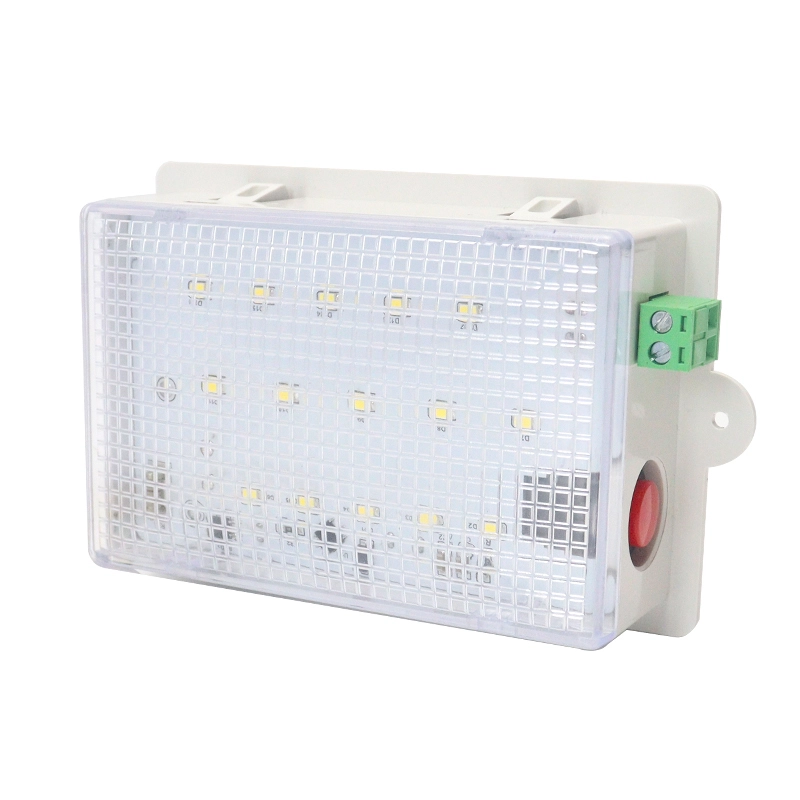
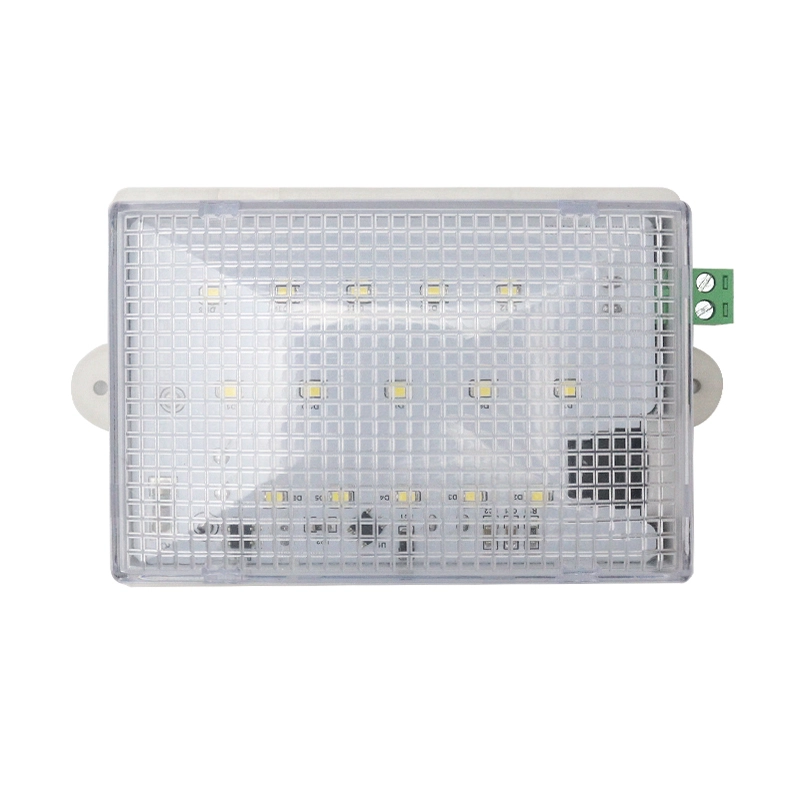
Material selection determines how well cabinet lighting performs under demanding conditions. Buyers should examine housing materials, protective covers, mounting structures, and internal components before making a switchgear cabinet light selection. Aluminum alloy housings often provide strong mechanical protection and effective heat dissipation. Transparent covers should resist impact while maintaining good light transmission. Industrial environments may expose equipment to dust, vibration, humidity, or temperature changes, making durable construction essential. For example, the CM-L2 Cabinet LED Light for Switchgear uses a compact LED lighting design that supports practical cabinet illumination needs. Strong materials and reliable assembly methods help extend service life and reduce maintenance requirements in electrical installations.
Thermal Management and Stability Requirements for Long-Term Operation
Heat control directly influences LED lifespan and overall product reliability. Cabinet lights generate heat during continuous operation, especially when installed in enclosed spaces with limited airflow. Buyers should review heat dissipation structures, component quality, and operating temperature ranges. Effective thermal management prevents brightness reduction and protects internal circuits from excessive stress. High-performance products often use optimized housing designs to transfer heat away from sensitive components. Stable thermal performance allows lighting systems to maintain consistent output during extended operation. Evaluating temperature resistance helps buyers select solutions suitable for different industrial environments and operating schedules.
| Quality Test | Main Purpose | Buyer Evaluation Point |
|---|---|---|
| Illuminance Test | Measures lighting output and coverage | Confirms sufficient cabinet visibility |
| Temperature Test | Checks thermal performance | Verifies long-term operating stability |
| Electrical Safety Test | Evaluates protection performance | Reduces electrical operation risks |
| Aging Test | Simulates extended usage conditions | Checks durability over time |
Installation Compatibility and Space Planning Before Purchasing
Installation requirements can influence product performance and maintenance convenience. Buyers should review cabinet dimensions, mounting positions, wiring routes, and available installation space during switchgear cabinet light selection. Different switchgear designs may require different mounting methods, including magnetic installation, screw fixing, or integrated mounting solutions. A suitable lighting system should fit the cabinet structure without affecting other electrical components. Installation flexibility also helps technicians complete replacements more efficiently. Buyers should confirm connection methods and mounting accessories before ordering. Proper planning avoids compatibility issues and ensures that the lighting system works effectively within the existing electrical cabinet environment.
Quality Testing Methods That Confirm Product Reliability
Testing procedures provide valuable information about product consistency and durability. Buyers should request information about inspection processes, including brightness verification, electrical safety checks, thermal testing, and lifespan evaluations. Reliable manufacturers usually apply strict production controls to maintain stable product quality. Testing also helps identify possible defects before products reach the installation stage. Common evaluation points include:
- Electrical performance verification
- Light output consistency inspection
- Temperature resistance assessment
- Mechanical durability testing
- Production batch quality monitoring
After reviewing these factors, buyers can compare products more effectively. A complete testing process demonstrates whether lighting solutions can meet demanding switchgear operating conditions and maintain reliable performance.
Certification Standards and Manufacturing Control for Better Product Confidence
Certification and manufacturing procedures provide additional evidence of product reliability. Buyers should review quality management systems, production inspection methods, and compliance documentation. Professional manufacturers usually maintain controlled production environments and perform regular checks on materials and finished products. These practices reduce variation between production batches and improve product consistency. Buyers should also evaluate whether suppliers provide technical documents, test reports, and product specifications. Reliable manufacturing control supports long-term purchasing decisions because it reflects production capability and quality responsibility.
Customization Options for Different Switchgear Cabinet Requirements
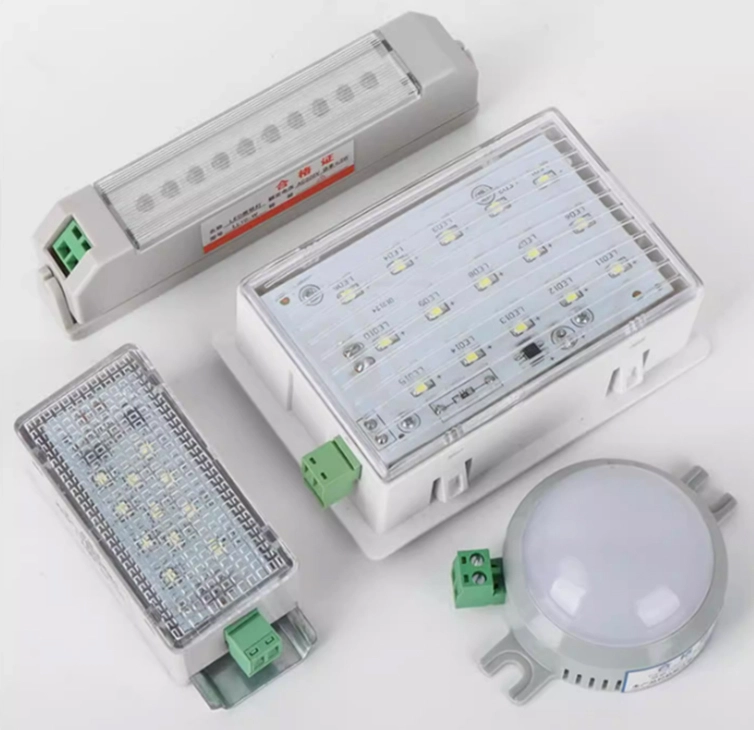
Different electrical cabinets may require customized lighting solutions based on structure and operating conditions. Buyers may need specific sizes, mounting methods, brightness levels, sensor functions, or wiring configurations. Custom solutions can improve installation efficiency and provide better cabinet visibility. Some applications require additional protection features because of harsh environments or special operating conditions. The CM-L3 Explosion-Proof Cabinet Light for Switchgear provides an option for applications requiring enhanced protection characteristics. Selecting customized products allows buyers to match lighting performance with practical equipment requirements and improve overall system functionality.
Buyer Checklist for Selecting Suitable Cabinet Lighting Products
Before placing orders, buyers should review several important factors to avoid unsuitable products. A structured evaluation process improves purchasing accuracy and reduces future maintenance problems.
- Confirm required brightness and lighting coverage.
- Check voltage compatibility with cabinet systems.
- Review environmental conditions and protection requirements.
- Verify installation space and mounting options.
- Examine supplier testing procedures and production capability.
A complete checklist helps buyers compare different products based on practical performance rather than only purchase price. Careful evaluation supports better reliability and improves the overall value of electrical equipment investments.
Supplier Evaluation and Long-Term Product Reliability Considerations
Supplier capability affects product consistency, technical support, and delivery stability. Buyers should include supplier evaluation in switchgear cabinet light selection because manufacturing experience, quality control procedures, customization ability, and communication efficiency directly affect product reliability. A professional supplier can provide detailed specifications, testing records, and technical assistance during product selection. Reliable cooperation also helps reduce risks related to inconsistent quality or delayed deliveries. Buyers should consider suppliers that maintain stable production systems and focus on continuous improvement. Choosing the right partner supports dependable cabinet lighting performance and creates stronger value throughout long-term equipment operation.
FAQ
What Factors Affect The Quality Of Switchgear Cabinet Lights?
Switchgear cabinet light quality depends on materials, electrical design, illumination, thermal management, and manufacturing control. Durable housings can protect internal components from vibration, dust, and mechanical impact. Stable electrical components help maintain reliable operation under different voltage conditions. Effective LED heat dissipation also supports consistent brightness and longer service life. Buyers should evaluate light distribution, rated voltage, insulation protection, and environmental resistance before purchasing. Quality testing provides additional evidence of product reliability. Important checks may include illuminance testing, temperature testing, electrical safety testing, and aging evaluation. Supplier manufacturing capabilities also matter because consistent production processes reduce quality variations between batches. A comprehensive evaluation helps buyers select lighting products that provide stable performance inside demanding electrical cabinets.
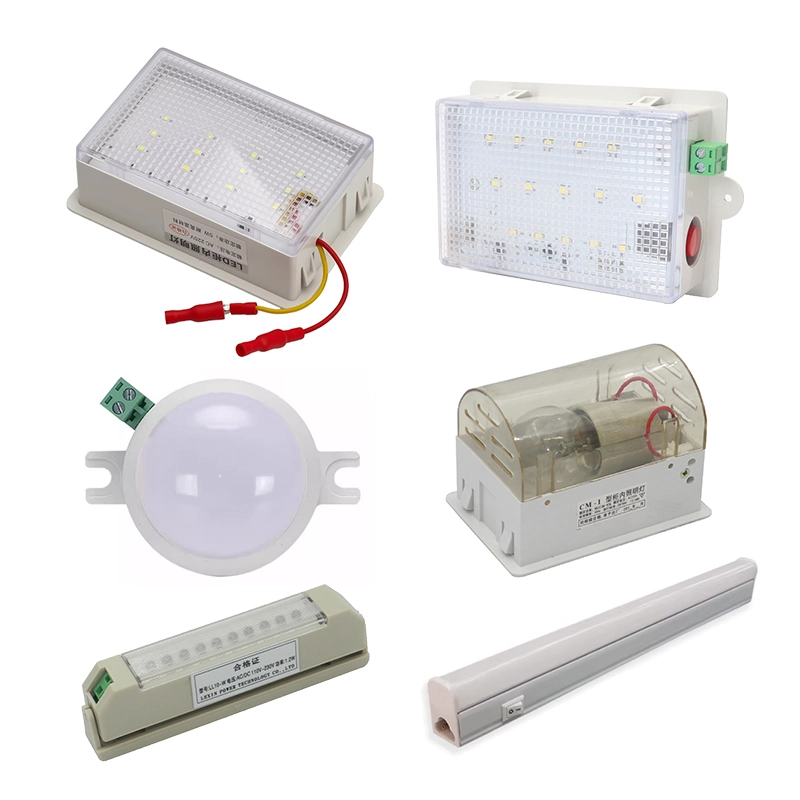
What Features Improve the Reliability of Cabinet Lighting Systems?
Reliable cabinet lighting depends on several technical features, including durable materials, efficient thermal management, stable electrical design, and strict quality testing. Strong housing structures protect internal components from mechanical impact and environmental stress. Effective heat dissipation helps maintain LED performance and extends service life. Electrical protection features reduce risks caused by unstable power conditions. Buyers should also review manufacturing processes and inspection standards because consistent production quality affects long-term reliability. Combining these elements creates a lighting system that performs effectively under continuous industrial operation.
Why Should Buyers Check Supplier Quality Before Ordering Cabinet Lights?
Supplier quality directly influences product consistency, customization support, and long-term purchasing confidence. Experienced suppliers usually maintain controlled manufacturing processes and provide detailed technical information for product evaluation. Buyers can benefit from reviewing quality records, testing procedures, and production capabilities before making decisions. Strong supplier support also helps solve installation questions and application challenges. A dependable supplier can provide products that match specific cabinet requirements while maintaining stable performance across different orders. Careful supplier evaluation reduces purchasing risks and supports reliable electrical system operation.