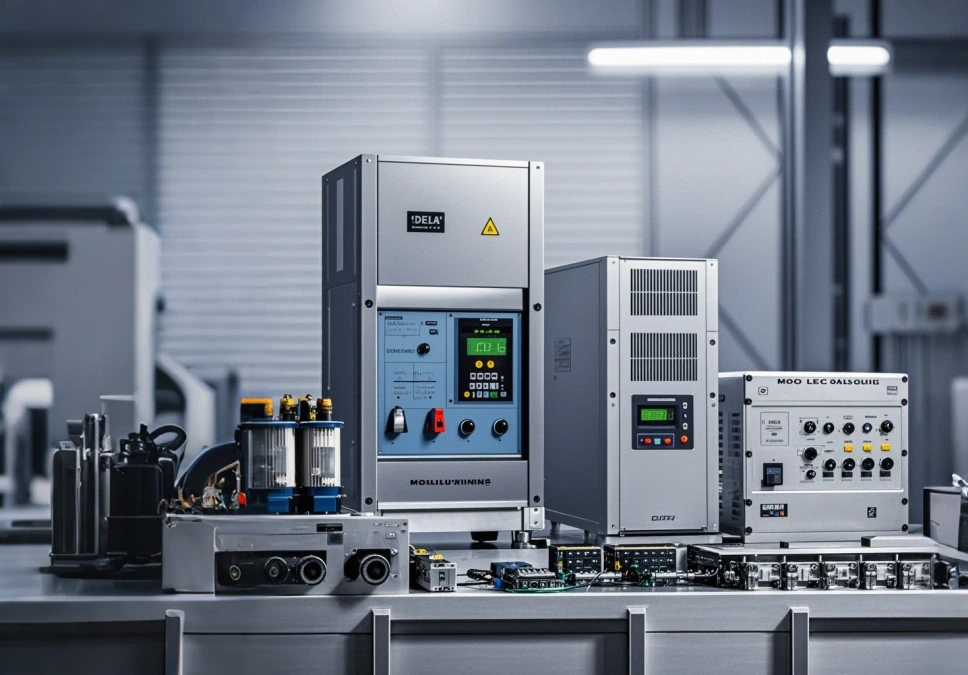
What Makes A Lockable Electrical Disconnect Switch Reliable?
Compare lockable electrical disconnect switch reliability through ratings, contacts, enclosure protection, installation, testing, and care.
Electrical isolation becomes critical when workers service motors, panels, and industrial machinery. A lockable electrical disconnect switch gives maintenance teams a visible isolation point. However, reliable isolation requires more than a locking handle. Electrical ratings, contact construction, mechanical strength, and enclosure design all affect performance. Installation quality also determines whether the switch remains dependable during repeated operation. Industrial buyers should therefore assess both electrical and mechanical characteristics before selecting equipment. A suitable device should interrupt its rated load without excessive contact heating. Its operating mechanism should also maintain consistent movement after many cycles. Environmental protection matters when dust, moisture, vibration, or chemicals surround the equipment. These factors directly influence service life and maintenance requirements. Real industrial applications show why specification details matter more than appearance alone.
What Defines Reliability in Electrical Disconnect Equipment?
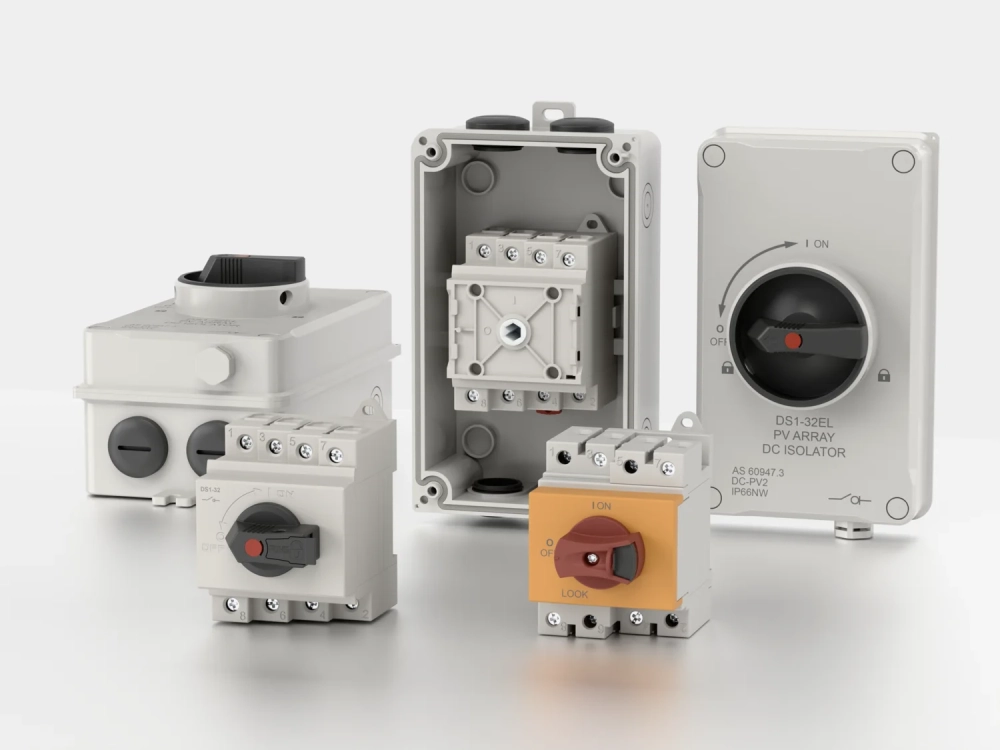
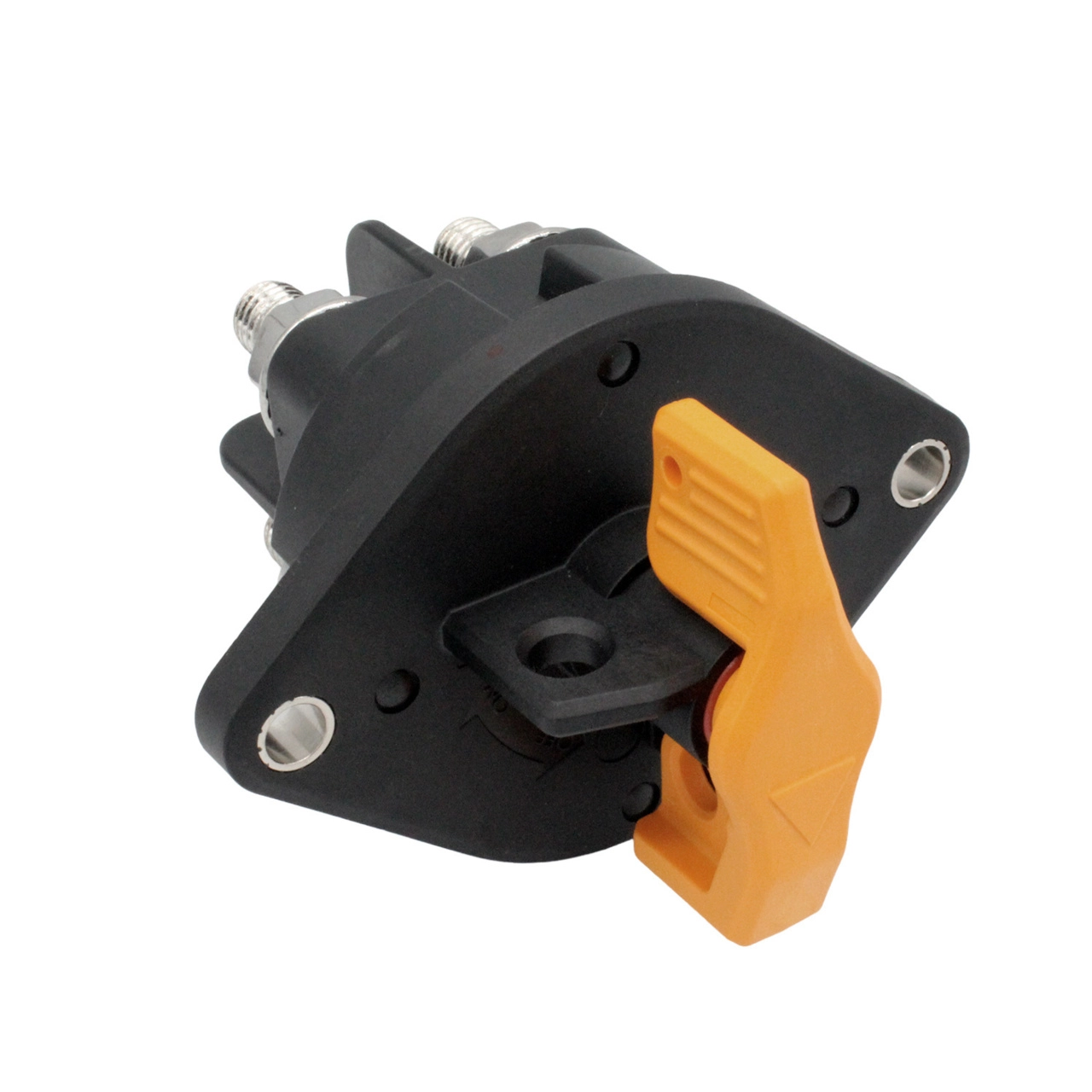
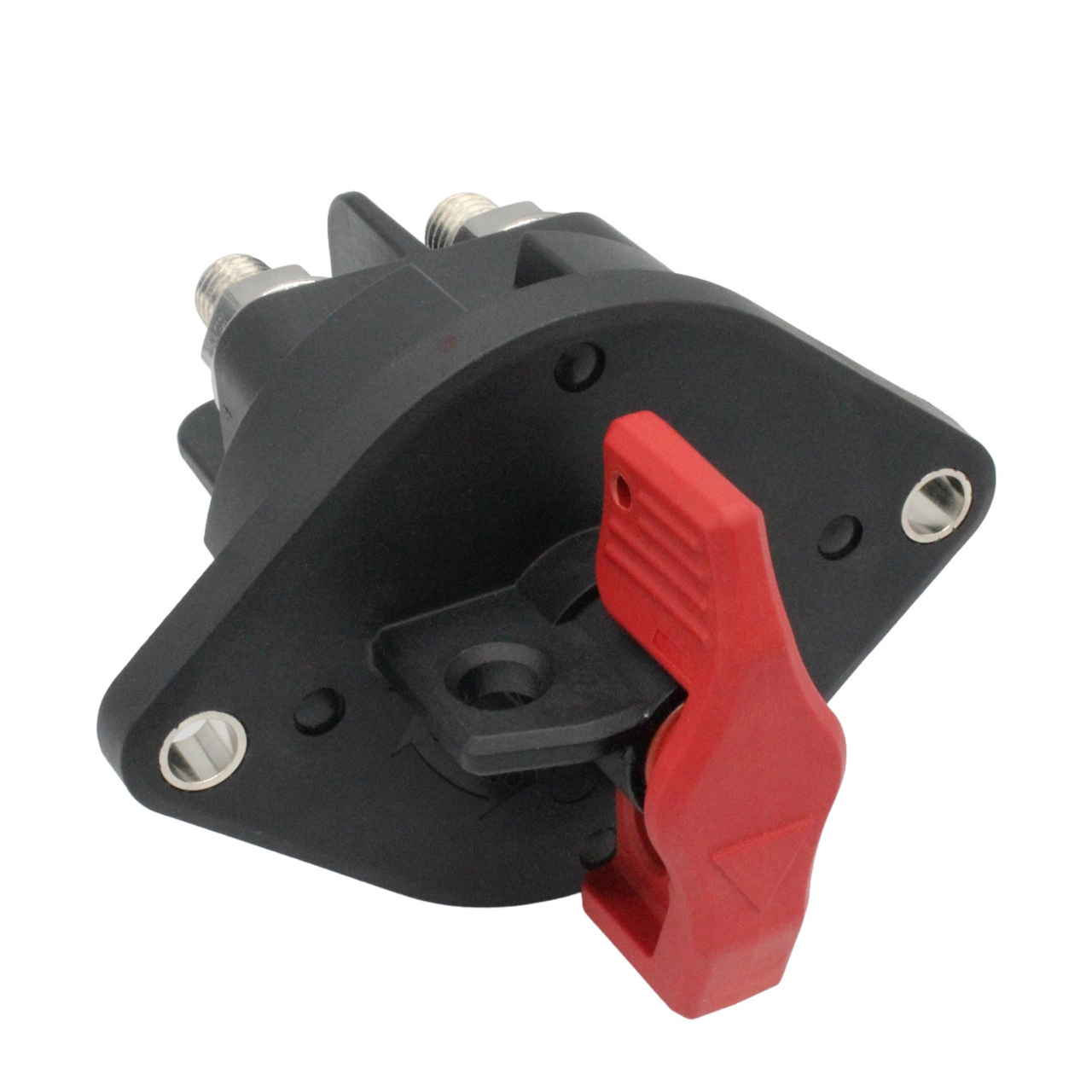
Reliability starts with predictable isolation under the conditions specified by the manufacturer. A lockable electrical disconnect switch must match the system voltage and operating current. Incorrect ratings can create excessive heating or contact damage during switching. Buyers should also check the number of poles required for the circuit. Three-phase motor applications often require three-pole isolation. Neutral switching may require an additional pole in specific system designs. The switching mechanism should move smoothly without excessive force or mechanical play. Strong handles help operators identify the switch position quickly. Locking provisions should hold the handle securely during maintenance work. Mechanical indicators should correspond clearly with the actual contact position. These details reduce ambiguity during servicing and improve operational consistency. Reliability therefore combines electrical capability with clear mechanical operation.
How Does a Lockable Electrical Disconnect Switch Support Safe Isolation?
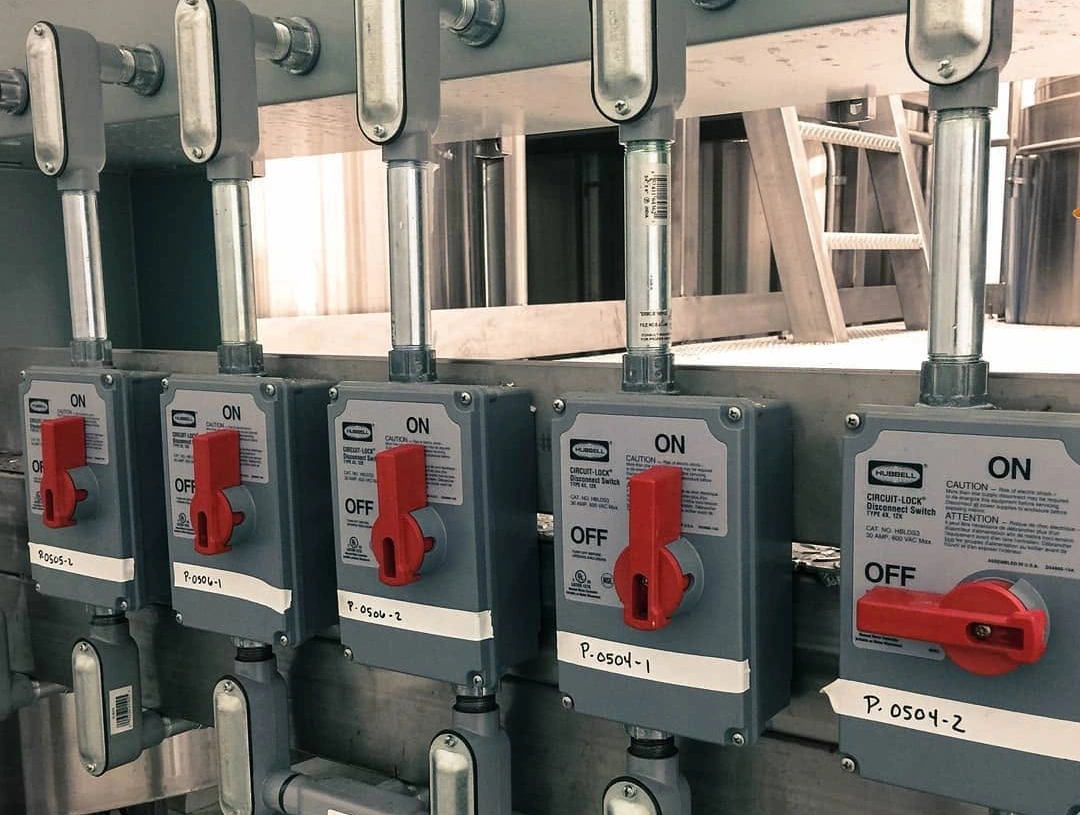
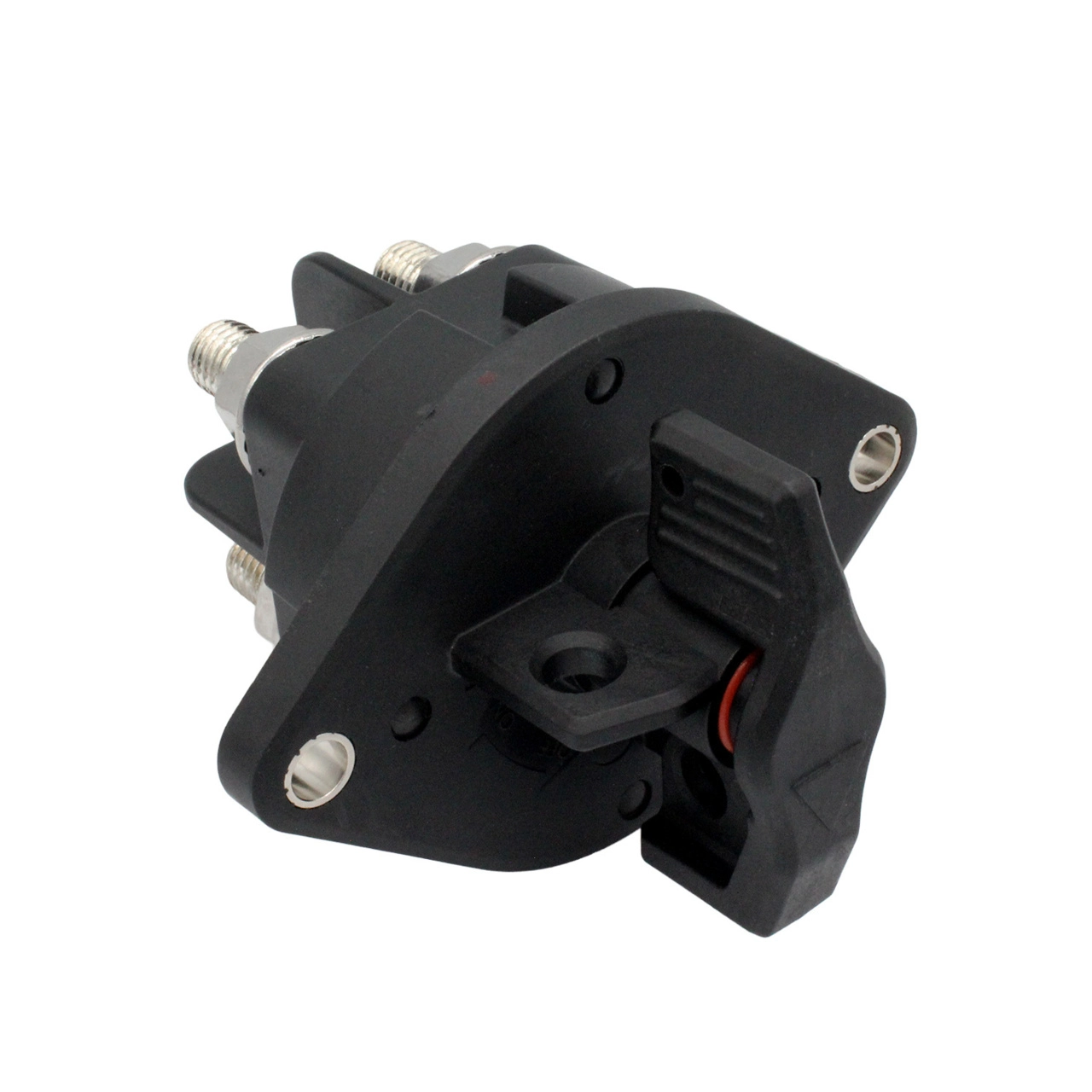
Safe isolation depends on creating a clear separation between energized conductors and maintenance personnel. A lockable electrical disconnect switch provides a dedicated point for this purpose. Workers can place a physical lock on the operating mechanism during service. The lock prevents unauthorized movement while maintenance continues. Many industrial facilities use lockout procedures alongside warning labels and verification steps. A Disconnector Lock can provide an additional physical barrier against accidental operation. However, the disconnect itself does not replace electrical verification. Qualified personnel should verify the absence of voltage before touching conductors. The device should also provide clear ON and OFF positions. Some designs allow multiple workers to attach individual locks. That feature supports group maintenance tasks where several workers share one isolation point. Reliable mechanical locking therefore supports a broader electrical safety procedure.
Which Electrical Ratings Affect Disconnect Reliability?
Electrical ratings determine whether a disconnect can operate safely within a particular circuit. Rated operational current indicates the load level the device can handle under specified conditions. Rated insulation voltage describes the voltage level used for insulation coordination. Working voltage must remain within the manufacturer's specified limits. Motor circuits can create additional demands during starting and stopping. Therefore, buyers should examine utilization categories when applicable. AC-23A, for example, addresses switching motor and highly inductive loads. Short-circuit withstand capability also matters when the device forms part of a distribution system. The disconnect should coordinate properly with upstream protective equipment. Engineers should verify fault levels rather than relying only on nominal current. Temperature derating can also affect the usable current rating. These checks help prevent thermal stress and premature contact degradation.
| Parameter | What It Indicates | Why It Matters |
|---|---|---|
| Rated Current | Permitted continuous operating current | Controls thermal loading |
| Rated Voltage | Maximum specified system voltage | Supports insulation performance |
| Utilization Category | Type of switching duty | Matches motor or resistive loads |
| Number of Poles | Conductors switched together | Supports required circuit isolation |
| Short-Circuit Rating | Withstand capability during faults | Supports system coordination |
How Do Contact Materials Affect Switching Performance?
Contact materials directly influence electrical resistance, heating, and switching durability. Copper alloys commonly provide good electrical conductivity and mechanical strength. Contact surfaces may use silver-based materials to improve switching performance. Material selection should reflect the expected load and switching frequency. Excessive resistance at a contact point can generate localized heat. Repeated switching can accelerate oxidation, erosion, or surface wear. Inductive loads create additional arcing during interruption. Manufacturers therefore need suitable contact geometry and arc-control measures. Spring pressure also affects contact stability during operation. Weak contact pressure can increase resistance and create uneven heating. Strong construction helps maintain consistent electrical contact over repeated cycles. Buyers should request material specifications when purchasing for demanding applications. Surface treatment records can also provide useful quality information.
Why Does Mechanical Construction Matter in Disconnect Switches?
Mechanical construction determines how consistently the device operates throughout its service life. The handle should transfer force smoothly to the internal switching mechanism. Shafts, springs, carriers, and contact assemblies must maintain alignment during operation. Excessive clearance can cause incomplete movement or uncertain position indication. Durable insulating materials should withstand heat and mechanical stress. Housing components also need sufficient rigidity for panel installation. Frequent operation can expose weak mechanisms through looseness or increasing handle resistance. Manufacturers can reduce these risks through dimensional controls and functional testing. Mechanical endurance tests should simulate repeated operating cycles under specified conditions. Locking components require particular attention because maintenance personnel depend on their stability. A strong locking point should resist unintended handle movement. Reliable construction therefore depends on both material selection and controlled assembly.
What Role Does Enclosure Protection Play in Reliability?
Environmental conditions can significantly shorten the service life of electrical switching equipment. Dust may accumulate around mechanical components and interfere with movement. Moisture can reduce insulation performance and accelerate corrosion on exposed metal. Outdoor installations may also face ultraviolet radiation and temperature changes. An appropriate IP rating helps define protection against solid objects and water. IP20 offers limited protection compared with higher-rated enclosures. IP65 provides dust protection and resistance to water jets from specified directions. However, the switch assembly must achieve the required protection as a complete installation. Cable entries, seals, covers, and mounting interfaces can affect actual protection. Chemical exposure requires additional material compatibility checks. Stainless hardware or corrosion-resistant coatings may suit aggressive environments. Environmental selection should therefore reflect the complete installation rather than the switch body alone.
| Environment | Primary Risk | Selection Consideration |
|---|---|---|
| Indoor Control Room | Low moisture and dust | Basic enclosure protection may suffice |
| Factory Floor | Dust and vibration | Use robust housing and secure mounting |
| Washdown Area | Water and cleaning chemicals | Consider higher IP protection and materials |
| Outdoor Cabinet | Rain, UV, and temperature changes | Check enclosure sealing and material durability |
| Corrosive Area | Chemical attack and oxidation | Verify compatible metals and coatings |
How Should Buyers Evaluate Mounting and Installation Design?
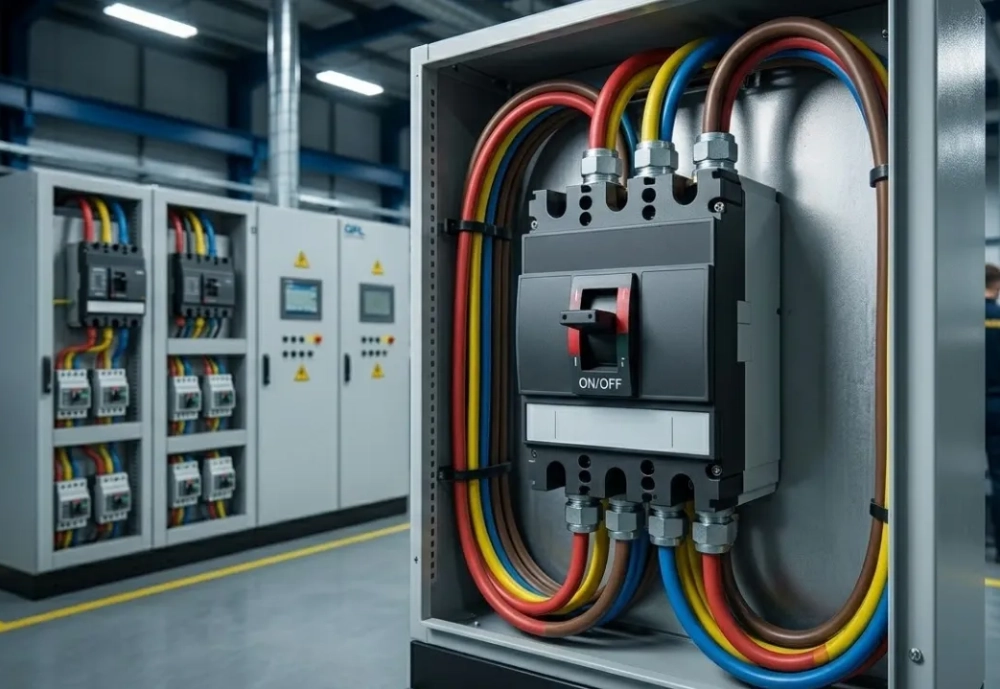
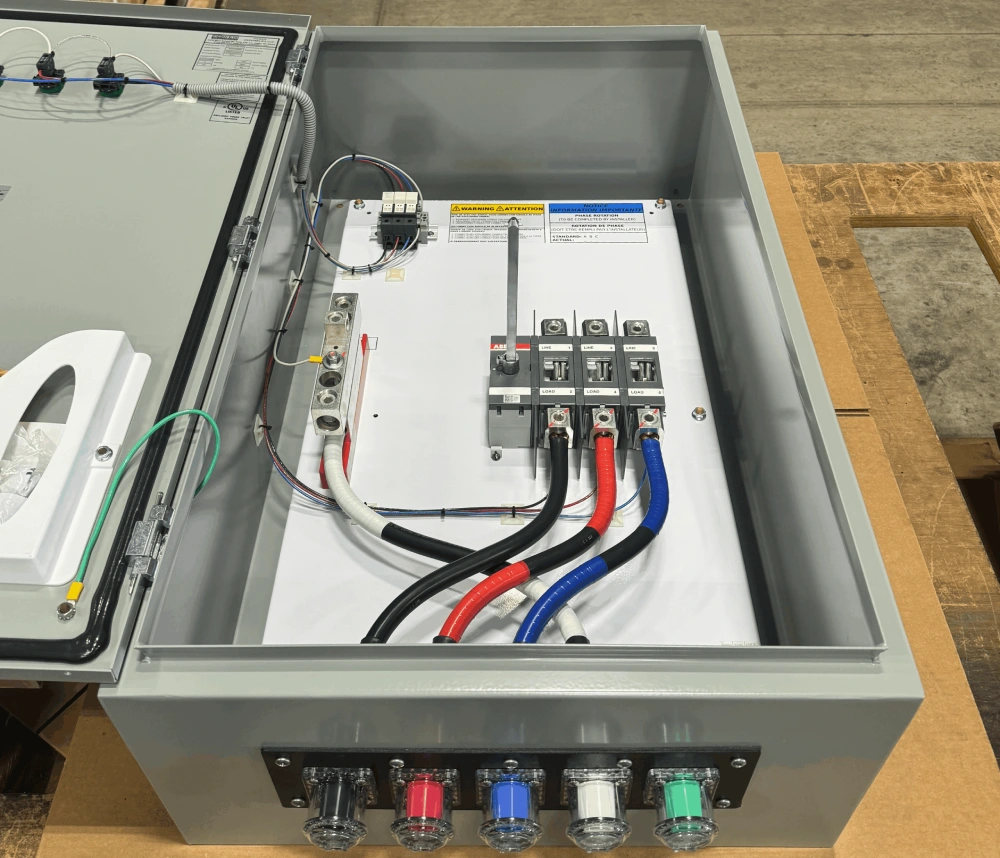
Installation compatibility often determines whether equipment performs correctly after commissioning. Buyers should compare panel dimensions, mounting holes, and required rear clearance. Door-mounted designs allow operators to access handles without opening an enclosure. DIN-rail designs can simplify installation inside compact control cabinets. Base-mounted products may suit larger distribution assemblies. Cable routing also affects mechanical stress on terminals and connection points. Incorrect cable bending can transfer force into the switch body. Terminal torque should follow the manufacturer's specified range. Loose terminals can increase resistance and create localized heating. Excessive torque may damage threads or deform connection components. Buyers should also verify handle clearance and lock access after installation. These practical details can prevent installation-related failures. Proper mounting creates a stable mechanical foundation for long-term operation.
What Quality Control Checks Should Manufacturers Perform for a Lockable Electrical Disconnect Switch?
Quality control should cover electrical, mechanical, dimensional, and visual characteristics. Incoming materials should match approved specifications and documented grades. Dimensional inspections can verify housing sizes, shaft lengths, and mounting locations. Assembly checks should confirm correct spring placement and contact alignment. Torque testing can identify loose or improperly secured terminals. Functional testing should verify consistent ON and OFF movement. Insulation tests can check dielectric performance according to applicable requirements. Contact resistance testing can reveal abnormal resistance between conductive paths. Mechanical cycling can expose premature wear in handles and internal mechanisms. Final inspection should also verify labels, markings, and lock provisions. Batch traceability helps manufacturers investigate recurring defects. Buyers should request relevant test records when purchasing large production quantities.
How Can Real Industrial Cases Reveal Disconnect Weaknesses?
Industrial incident investigations repeatedly show the importance of correct isolation procedures and equipment selection. One documented example involves maintenance work where unexpected energization contributed to a fatal electrical incident. U.S. Occupational Safety and Health Administration investigations have repeatedly emphasized lockout and verification procedures. These cases demonstrate that physical isolation must form part of a complete control process. Equipment selection alone cannot eliminate every maintenance hazard. In another common industrial scenario, motor disconnects operate in dusty production areas for years. Dust accumulation can increase mechanical friction and affect enclosure conditions. Frequent switching can also accelerate contact wear when the device handles unsuitable loads. Such field conditions explain why ratings and environmental specifications matter. Buyers should therefore compare the intended duty with documented operating conditions. Real maintenance environments often expose weaknesses that laboratory appearance cannot reveal.
What Should Buyers Check Before Selecting a Supplier?
Supplier evaluation should extend beyond catalog specifications and product photographs. Buyers need evidence showing how manufacturers control materials, assembly, and final testing. Production consistency becomes especially important for repeated wholesale orders. A reliable supplier should provide clear electrical ratings and applicable technical documentation. Custom projects may also require specific terminal layouts or mounting dimensions. OEM and private-label orders need controlled drawings and approved samples. Buyers should confirm whether production records support batch traceability. Relevant compliance documents should match the actual product configuration. Sample testing can verify dimensions, operating force, insulation performance, and contact resistance. Before placing a larger order, buyers should confirm packaging and shipping protection. A useful procurement checklist includes:
- Verify rated voltage, current, poles, and utilization category.
- Confirm enclosure protection and environmental compatibility.
- Check mounting dimensions and terminal configuration.
- Request material specifications and quality records.
- Review functional, insulation, and contact resistance testing.
- Confirm sample approval and production traceability.
- Clarify MOQ, lead time, customization, and warranty terms.
Supplier documentation becomes more valuable when buyers connect every requirement to the intended application. A complete specification sheet reduces ambiguity between purchasing, engineering, and production teams. Sample approval can then establish a physical reference for future batches. This approach also helps identify differences between nominal specifications and actual construction. Clear communication remains particularly important for customized disconnect assemblies.
How Do Maintenance Practices Affect Long-Term Performance?
Maintenance practices influence whether a disconnect remains reliable after years of service. Operators should inspect handles, housings, terminals, and mounting points at planned intervals. Visible cracks can indicate mechanical stress or material deterioration. Discoloration around terminals may indicate abnormal heating. Increased operating resistance can signal internal mechanical wear. Loose hardware should receive attention before it affects alignment or contact pressure. Environmental contamination should also be removed using approved procedures. Maintenance personnel should never rely solely on handle position to confirm de-energization. Electrical verification remains essential before work begins. Inspection intervals should reflect switching frequency and environmental severity. High-cycle equipment may require more frequent checks than lightly used disconnects. Documented maintenance records can also reveal recurring issues before they become serious failures.
How Can Buyers Compare Disconnect Switch Specifications?
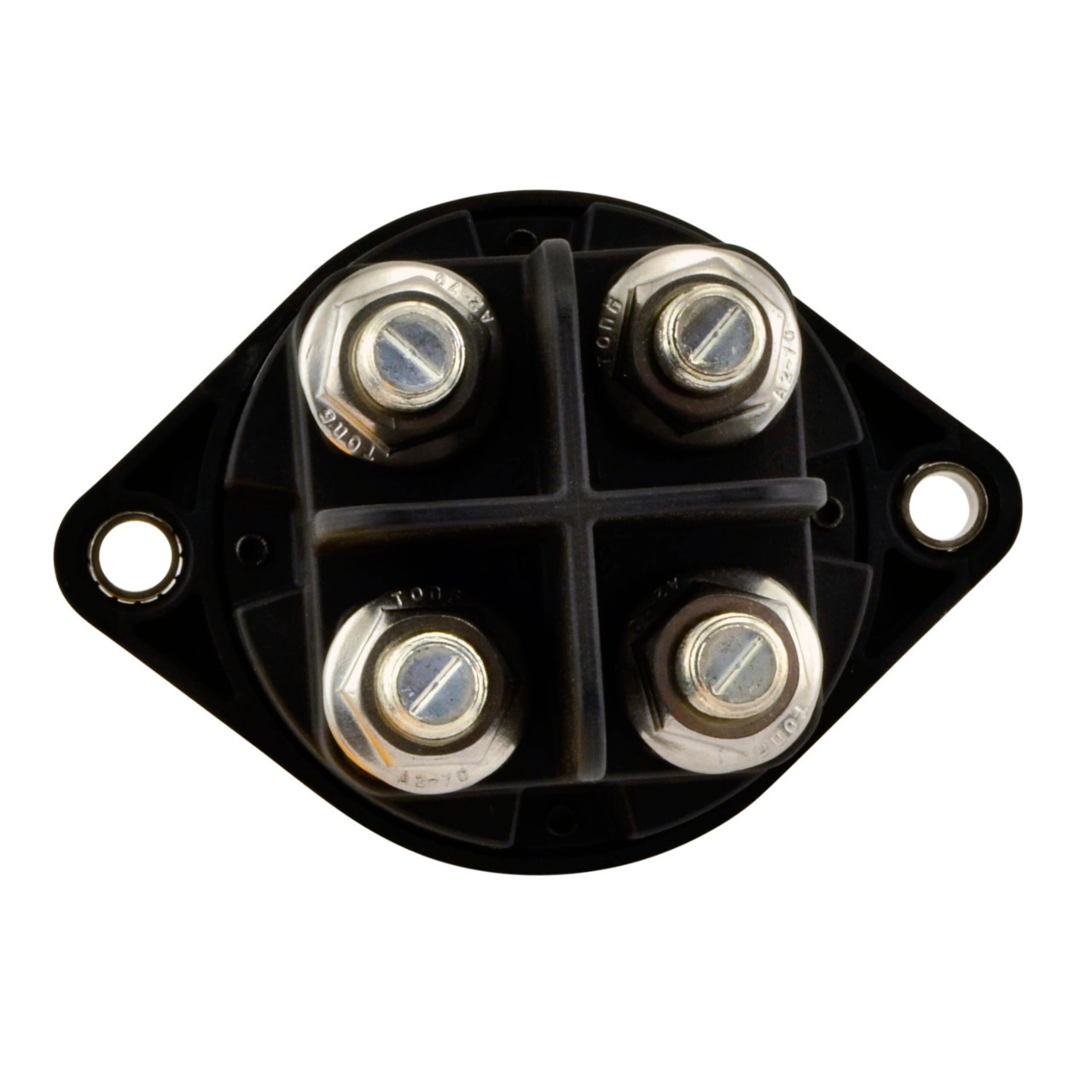
A lockable electrical disconnect switch should be evaluated against the complete application rather than one specification. Buyers can create a comparison matrix covering electrical, mechanical, environmental, and documentation requirements. This approach makes differences between suppliers easier to identify. It also prevents a low purchase price from becoming the only selection factor. For example, two devices may share the same current rating but use different enclosure materials. Their mounting methods may also require different cabinet layouts. Mechanical endurance can vary significantly between product designs. Locking provisions may support different padlock sizes or numbers. Certification and testing documentation can also differ between manufacturers. Buyers should record these factors before requesting quotations. Engineering teams can then confirm technical suitability before procurement approval. A structured comparison provides a clearer basis for supplier discussions and sample evaluation.
| Comparison Area | Key Specification | Buyer Verification |
|---|---|---|
| Electrical | Voltage and current ratings | Match the actual circuit duty |
| Switching Duty | Utilization category | Confirm motor or load type |
| Mechanical | Operating and endurance characteristics | Review test information |
| Safety | Locking arrangement | Check padlock compatibility |
| Environment | IP rating and materials | Match site conditions |
| Installation | Mounting and terminal layout | Compare cabinet drawings |
| Quality | Inspection and traceability | Request production records |